Tag: physical therapy

  • The Psychological Benefits of Combining Yoga and Physical Therapy

    The Psychological Benefits of Combining Yoga and Physical Therapy

    The Psychological Benefits of Combining Yoga and Physical Therapy

    by Thalia Wynne, PT, DPT, AT, RYT


    As a human being, your goals in life can really be boiled down into two things: 

    1. Survive

    2. Increase your happiness

    I’d like to present you with two unexpected avenues that you may not have thought of to help you on your quest to survive and thrive. Yoga and physical therapy. 


    How do seemingly unrelated practices like Yoga and Physical Therapy work together to bring more joy into your life? 


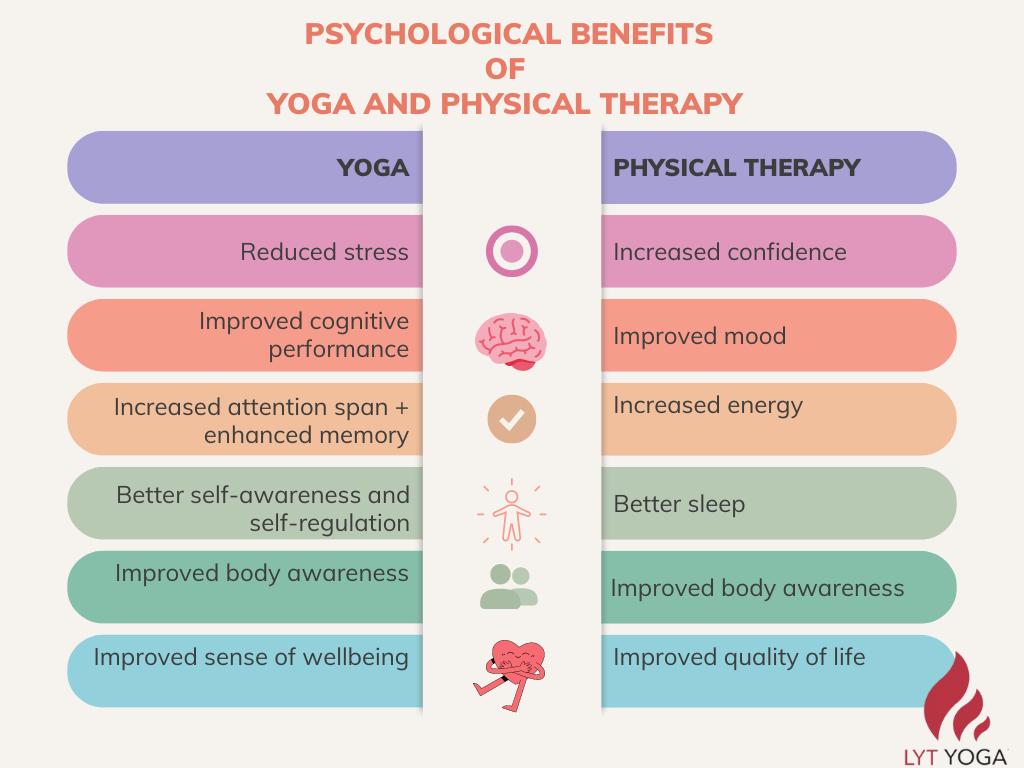
    The obvious reason people go to physical therapy is to address pain and improve physical function. While in that PT journey, pain starts to diminish and functional ability in daily life improves. But some other great psychological benefits unfold, too. These include increased confidence, improved mood, more energy, and better sleep – all of which contribute to an improved quality of life. 


    The reasons people come to their yoga mat are numerous. Personally, I was drawn to yoga because it was unlike any other form of “exercise” I had ever tried. (If you are familiar with yoga, you know it is more than just a form of exercise.) I noticed that not only did my body feel great, but my mind had relaxed and I felt clear, peaceful, and happier. I craved the culmination of feelings that were the result of my yoga practice so much that it kept me coming back to my mat over and over again. 


    Eventually, it inspired me to take a yoga teacher training so that I could share the gifts that I was feeling in my own body with others. On my quest, I knew I didn’t want just any yoga teacher training. I wanted something that was biomechanically sound, and that I could use to enhance my work as a physical therapist. That’s why I chose the LYT Method the only yoga created by a physical therapist! – for my teacher training.   


    What brings you to your mat every day? 


    If your reasons are similar to mine, then you already experience the psychological benefits of yoga in your own life. Here is a list of more psychological benefits of yoga you might not have thought of. 


    Combining these two mood-enhancing practices will give you all of the above benefits and more. Who wouldn’t want that? In fact, there is a mound of literature researching what positive effects PT and yoga together can have on someone’s overall quality of life. Like this studythat looked at yoga and PT for back health and found participants experienced an increase in quality of life. And this depression disorder study3 that found exercise and yoga improved symptoms of anxiety and depression disorders. 


    Lucky for you, because you are reading this, you have already discovered the LYT Method – a tool that combines yoga and physical therapy principles to not only improve the way you feel in your body but also the way you feel in your mind. By being a LYT member, you get to experience more happiness and joy in your life. 


    But don’t stop there. I challenge you to share LYT with one person today that you think could use some of the psychological benefits of yoga and physical therapy combined. Share the tools that have improved your happiness so that we can elevate the well-being of all of mankind – one LYT lover at a time! 


    And if you loved this article, please send me a DM on Instagram! I’d love to hear from you. 


    Until next time. 


    Your Wellness Guideempowering you to take up space, 


    Dr. Thalia Wynne Dorsten 

    Instagram: https://www.instagram.com/thalialovee/ 

    Email: thalia.wynne@gmail.com 


    References


    1. Ward L, Stebbings S, Cherkin D, Baxter GD. Yoga for functional ability, pain and psychosocial outcomes in musculoskeletal conditions: a systematic review and meta-analysis. Musculoskeletal Care. 2013;11(4):203-217. doi:10.1002/msc.1042
    2. Tang YY, Hölzel BK, Posner MI. The neuroscience of mindfulness meditation. Nat Rev Neurosci. 2015;16(4):213-225. doi:10.1038/nrn3916
    3. Saeed SA, Cunningham K, Bloch RM. Depression and Anxiety Disorders: Benefits of Exercise, Yoga, and Meditation. Am Fam Physician. 2019;99(10):620-627.
    4. Syed-Abdul MM. Benefits of Resistance Training in Older Adults. Curr Aging Sci. 2021;14(1):5-9. doi:10.2174/1874609813999201110192221
    5. Saper RB, Lemaster C, Delitto A, et al. Yoga, Physical Therapy, or Education for Chronic Low Back Pain: A Randomized Noninferiority Trial. Ann Intern Med. 2017;167(2):85-94. doi:10.7326/M16-2579
  • The Problem With the Term “Core”

    The Problem With the Term “Core”

    The Problem With the Term “Core”

    by Ashley Newton, PT, DPT


    I hear it from clients, in the gym, in the coffee shop: “I just want to strengthen my core”. As of late, my PT brain has gotten so tired of this term.


    Reason why: most folks have an idea of what the core is but it’s devolved over time. We saw the same thing happen to Kegels which have now been villainized on social media: it’s a game of telephone where the original message of what the core is has just become a vague idea of what we need to work on to stay fit and healthy. So I am spilling the tea, maybe throwing out a controversial opinion. But hey, I am a pelvic physical therapist, it’s in my character to be a disrupter and questioner in the movement for social justice. So let’s get into it.


    When we hear “core”, our mind goes to flat stomachs, six-pack abs, and being able to hold a plank for longer than is comfortable. But the core is so so SO much more than that. The core is everything but our limbs. It is the rotator cuff musculature, the deep muscles of the head and the neck that stabilize our skull, the pelvic floor, respiratory muscles, and the deep abdominal and low back muscles. That’s a lot of stuff packed into this term “the core”. It can be overwhelming to think about all these muscles and how we can optimize their function. But truly, it all comes back to a well-balanced exercise practice. 


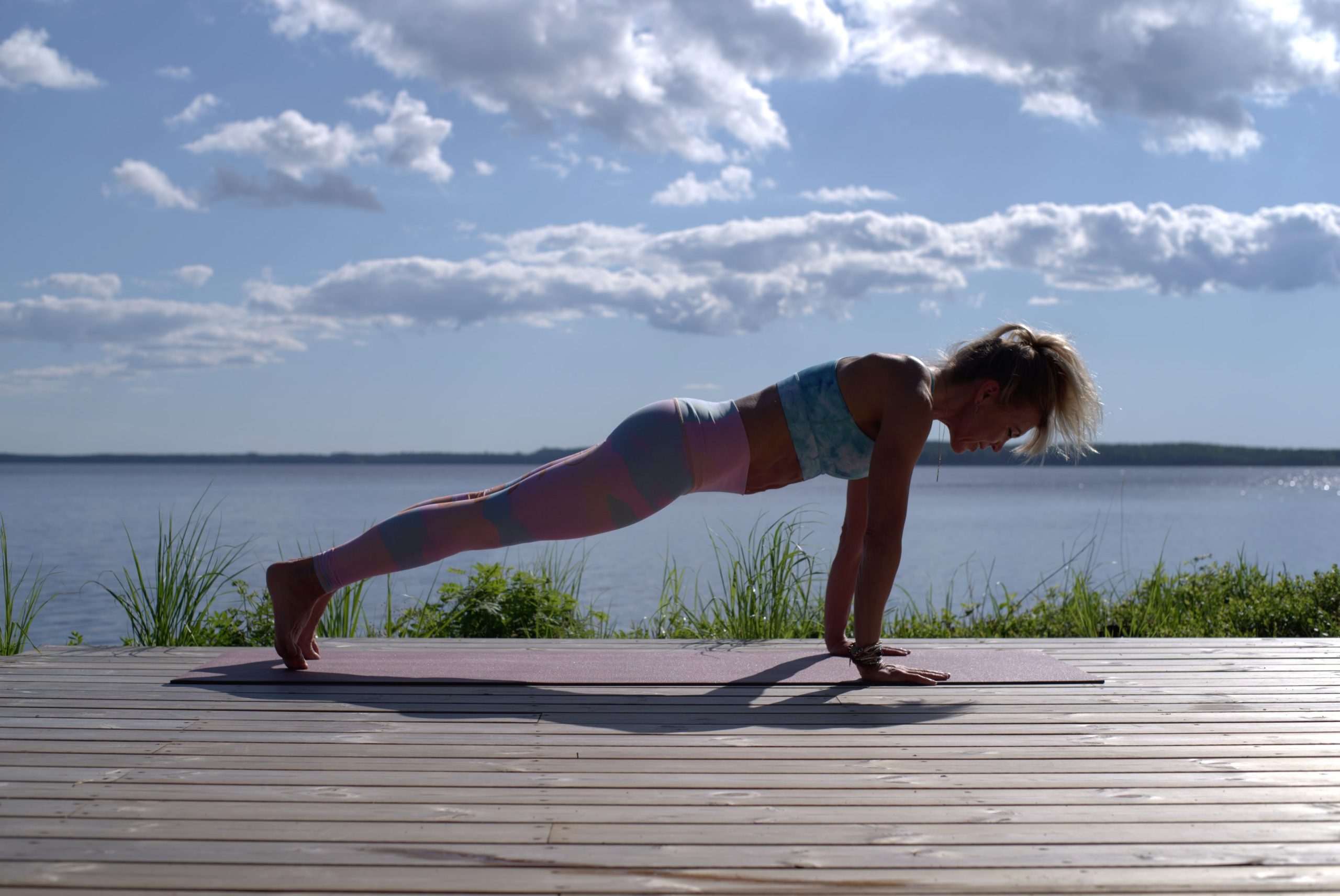
    In the realm of yoga, I see it all the time, folks will hold that chaturanga, desperate to hold it for as long as possible to get a “strong core”. But meanwhile, their lower neck is extending and their hips are dropping. Their abdominals and traps are trying to hold on for dear life because the muscles of the trunk can’t exert enough force to stabilize us. The result: we get more prone to neck pain, abdominal separation, and low back pain. 


    So what do you do?? Be on the lookout for compensations in your practice and tune into your body. Do you feel the muscles under your underarms working to support you? Are you gripping your jaw and holding your breath? This is the mindfulness part of yoga – connecting to the body and breath so as to be aware of your body’s movements and where it may need more support. So from me to you, give yourself a break and stop obsessing over a “strong core”. You are strong, and frankly bad***. Make sure you aren’t neglecting parts of your body because they are hard to work on. It’s those things that are going to build your body’s resilience and keep your trunk stable and strong.

  • 682. Exploring Wholistic Wellness with Scott van Niekerk

    682. Exploring Wholistic Wellness with Scott van Niekerk


    Join Lara for a conversation with physical therapist Scott van Niekerk. Originally from Zimbabwe, Scott is the founder, owner, and PT Director of Wholistic Physical Therapy in Brewster, New York, a facility with the goal of treating the entire human being.


    With a background in manual therapy, including being mentored by John Barnes, founder of the Myofascial Release approach to Physical Therapy, and a passion for holistic healing, Scott van Niekerk helps individuals achieve a pain-free active lifestyle. His approach encompasses physical therapy, nutrition, and a whole person perspective, providing a safe and balanced environment for healing and restoring overall well-being.


    In this episode, you’ll learn about:

    • Scott’s background and how he transitioned from a physical therapist in Zimbabwe to one in the United States. 
    • The importance of a whole food diet in healing and recovery.
    • What is a wholistic approach to healing and how can it be achieved. 
    • Lifestyle advice for wholistic health. 


    To learn more, and for the complete show notes, visit: lytyoga.com/blog/category/podcasts/


    Guest Resources:


    Connect with Lara Heimann, The Redefining Yoga Podcast, and LYT Yoga:


    Sponsors: 


    Follow the podcast:

  • 681. Wednesday Q&A: Wrist, Lower Thoracic, & Thumb Pain, & Yoga in the Sand

    681. Wednesday Q&A: Wrist, Lower Thoracic, & Thumb Pain, & Yoga in the Sand


    In this Wednesday Q&A, we answer your questions about wrist pain, yoga in the sand, lower thoracic pain, and thumb pain.


    • My active cyclist, sixty-year-old student has been practicing LYT with me for more than a year. We celebrated the relief from chronic neck discomfort last winter. Remarkable improvement in his left hip mobility, where it was always painful for him. But the one thing that is not improving at all is his left wrist pain. He even feels discomfort when he is cycling. He can’t weight bear on it. I believe it is coming from his left shoulder, the more immobile side for him. Can you please advise what I can do further to help him?
    • What are your thoughts on practicing yoga in the sand? Is the ground, as in grass-covered soil, the best surface for yoga or are different surfaces good for different goals?
    • I have a desk job, I’m becoming very creative in moving and supporting myself when at work. If you could, I want to hear more of why the spasm and pain are only showing at areas T8 through 12. 
    • What would you advise best for discomfort from the thumb from typing or holding the mouth? Do we focus more on mobility and stretching or do we want to strengthen it?


    To learn more, and for the complete show notes, visit: lytyoga.com/blog/category/podcasts/


    Do you have a question?


    Sponsor:


    Follow the podcast:

  • Building Core Strength through Yoga to Bolster Functional Movement

    Building Core Strength through Yoga to Bolster Functional Movement

    Have you ever wondered why yogis can balance on their arms or hold handstands seemingly forever while simultaneously making it look easy? 


    I certainly get entranced when I watch a yogi in the flow start to move gracefully – like dancing. Here’s the secret – graceful yogis have amazing core strength. How do I know? 


    Anatomy and biomechanics tells me so. And I’ve personally watched my body and movement abilities change for the better since beginning my yoga journey. I was always athletic, but I never had the type of connection to my core strength that I developed when I started my yoga practice. 

    It’s made life easier. Everything from less overall body fatigue to more definition in my abs (if you care about that sort of thing). But most importantly, I elevate the people around me. I stand taller, and naturally, others mimic that and stand taller too. I have more energy because I’m a more efficient mover, which means I’m kinder to the people I love. 

    And in my career as a physical therapist, wellness coach, and yoga instructor, I have the pleasure of teaching others how to build their core strength through yoga to bolster functional movement, too.  

    Think of the core as this 360 container or tree trunk that is the energetic and physical hub of your body. It’s operational headquarters. Meanwhile, corporate headquarters and the CEO lives up in the brain. The brain sends signals down through the nervous system when you decide to move so that you can dress yourself, drive a car, and clean your home. But what happens when the operational headquarters isn’t optimized? 

    Energy is lost therefore requiring more of your body’s precious resources to move from point A to point B. Optimizing core strength is the key to improving all movement, increasing energy efficiency, and therefore making life easier, more fun, and less tiring. 

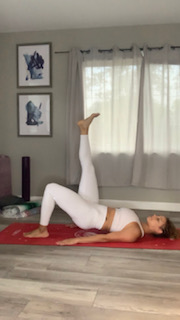
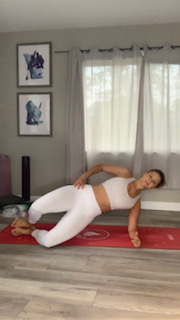
    Here are 3 simple yoga moves you can do right now to bolster functional movement

    1. Curl up variations  
    • stabilizer abs 

    Building Core Strength through Yoga

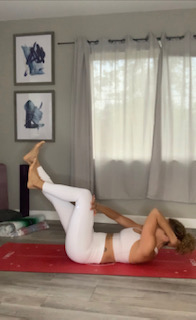
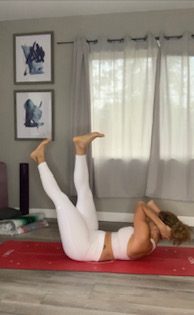
    • 90-90 abs with resisted hip flexion

    Building Core Strength through Yoga

    • juicer abs 

    Building Core Strength through Yoga

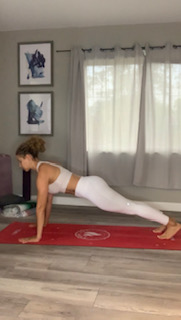
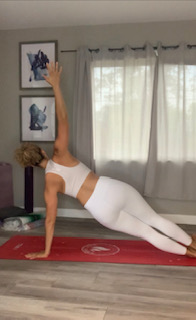
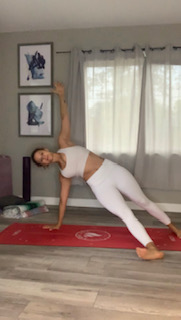
    1. Kumbbhakasana (plank) variations 
    • plank

    plank lyt yoga online classes physical therapy

    • forearm plank

    forearm plank lyt yoga online classes physical therapy

    • side plank

    side plank lyt yoga method online classes physical therapy

    • fallen triangle 

    fallen triangle lyt yoga method online classes physical therapy

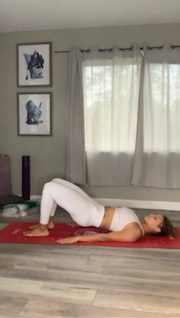
    1. Setu Bandha Sarvangasana (Bridge) variations
    • bridge

    bridge lyt yoga method online classes physical therapy

    • SL bridge

    single leg bridge lyt yoga method online classes physical therapy

    • side bridge 

    side bridge online classes lyt yoga method physical therapy

    Allow me to let you in on the real secret to more energy and grace….a strong and functional core while moving through poses aka core strength in transitions. 

    Once you have the basics down, you can uplevel by learning how to properly brace your core while moving between poses. And this is where you truly become magical – grow taller, feel lighter, increase endurance.

    This is truly what creates functional movement. Here are two functional examples of core strength at work: 

    1. Airplane <> ½ moon
    2. Twisted crescent <> eagle 

    Practicing moves like these with max core efficiency within a yoga asana practice will build a more efficient energy system. Your body, your mind, and your loved ones will thank you for it when they see the change in how you hold yourself and the brighter demeanor you adopt with your newfound energy. 

    Try the moves above and make sure to post it on instagram and tag @lytyogamethod and @thalialovee so we can celebrate you and encourage you! 

    If you aren’t already a subscriber, make sure to check out LYTdaily for core-centric yoga classes to joyfully bolster your functional movement. 

    I’ll see you on the mat, be well. 

    Your Wellness Guideempowering you to take up space, 

    Dr. Thalia Dorsten 

    PT, DPT, AT, RYT-200 

    IG: @thalialovee

    Liked this article? 

    DM me! I’d love to hear from you ♥️

  • 680. Understanding & Resolving Chronic Pain with Nicole Sachs

    680. Understanding & Resolving Chronic Pain with Nicole Sachs


    Join Lara for a conversation with Nicole J. Sachs, LCSW, a renowned psychotherapist, speaker, writer, and podcaster who specializes in the treatment of chronic pain and related conditions.

    With her book The Meaning of Truth and her online courses “Freedom from Chronic Pain” and “Freedom from an Anxious Life,” she has guided hundreds of thousands of people worldwide toward lives of freedom. Through her brand, The Cure for Chronic Pain, including her Website, YouTube Channel, and Podcast with over 3 million downloads, Nicole Sachs shares her personal experience and transformative work with individuals, teaching them how to heal themselves without medication or surgery. Drawing from the pioneering work of Dr. John Sarno, Nicole’s programs utilize a unique personal narrative, JournalSpeak, to rewire neural pathways, allowing the mind and body to achieve equilibrium and dissolve chronic symptoms. Nicole’s passion, expertise, and personal journey inspire individuals to reclaim their lives, find inner strength, and embrace a newfound freedom for living.


    In this episode, you’ll learn about:

    1. Nicole’s personal story, particularly as it interfaces with chronic pain.
    2. The role of psychology and understanding the root causes of chronic pain.
    3. Why it can be so difficult to get out of chronic pain.
    4. The interconnectedness of physical pain, anxiety, and stress.
    5. Recommendations for a lifestyle that can prevent chronic pain.
    6. The importance of support and knowing that you are not alone when experiencing pain and suffering.


    To learn more, and for the complete show notes, visit: lytyoga.com/blog/category/podcasts/


    Guest Resources:


    Connect with Lara Heimann, The Redefining Yoga Podcast, and LYT Yoga:


    Sponsor:


    Follow the podcast:

  • 650. Wednesday Q&A: Carrying Angles, Calcified Ligaments, Advice on a Student, & How LYT Helps You Breathe

    650. Wednesday Q&A: Carrying Angles, Calcified Ligaments, Advice on a Student, & How LYT Helps You Breathe


    In this Wednesday Q&A, we answer your questions about carrying angles, calcified ligaments, advice on handling a difficult student, and how LYT helps you breathe better. 


    • I’ve practiced other forms of yoga for many years with specific pranayama. But I find for the first time that my breath is bigger, since starting LYT. I feel lighter and I’m more connected. Why is that, when I’ve been practicing pranayama for many years?
    • Lara, you posted on Mark’s carrying angle. What is that and when to be concerned?
    • How often do ligaments calcify?
    • How to kindly respond to the objection of a student who persistently complains that the class is difficult, even though it’s described as the most advanced class in the yoga center. The student refuses the proposal to attend less challenging classes because it’s too difficult for her. The student breathes hard and loud in class, but still always chooses the most challenging transitions and positions. With her dissatisfaction to fulfill some of her expectations that she couldn’t achieve, she spreads negative energy that others notice and even bothers them. 


    To learn more, and for the complete show notes, visit: lytyoga.com/blog/category/podcasts/


    Do you have a question? Reach out – we love connecting with you! 


    Please Support Our Sponsor:

    Visit almondcow.co/shop and use code LARA for a discount off your purchase!

  • 648. Wednesday Q&A: Moving Better With Age, Yoga for Disc Herniation, & the Best Time to Workout

    648. Wednesday Q&A: Moving Better With Age, Yoga for Disc Herniation, & the Best Time to Workout


    In this Wednesday Q&A, we answer your questions about moving better as we age, LYT yoga for cervical disc herniation, and the best time of day to workout. 


    • From the Wednesday Q&A podcast regarding cervical disc herniation, if a client has a slipped disk at the cervical spine and was advised by her chiro to do soft yoga or gentle, needing to avoid down dog, is it okay if she continues our LYT yoga practice? At some point, I kind of know the answer, because that’s what we highlight in a lot of classes, that neutral spine position and definitely working with the cervical neck flexors to strengthen. But I would like to hear more insights from you both. 
    • Many people believe that aging comes with a decline in physical ability, but research and experience show that this does not have to be the case. Do you think that we can get better as we age? Learn our thoughts.
    • Is it better to workout in the morning or later in the day?


    To learn more, and for the complete show notes, visit our show page here.

    Do you have a question?


    Become a LYT Teacher: