Tag: physical therapy

  • 699. Wednesday Q&A: Raising Explorers, Treating Splay Foot, and Lasting Neck Pain Relief

    699. Wednesday Q&A: Raising Explorers, Treating Splay Foot, and Lasting Neck Pain Relief


    Welcome to Wednesday Q&A, where you ask questions and we answer them!

    In this Wednesday Q&A, tune in as we answer your questions about raising little explorers as first time parents, treating acquired splay foot, and finding neck pain relief that lasts.


    We love connecting with you! Connect with Lara Heimann, The Redefining Movement Podcast, and the LYT Daily family:


    Today’s podcast sponsor:

    Try Herbal Face Food and use code Lara20 for 20% off 


    Follow the podcast:


    LYT Newsletter – Sign up for the LYT Newsletter: https://www.getdrip.com/forms/542247881/submissions/new

  • 698. Understanding the Benefits of Vibroacoustic Therapy with inHarmony Interactive President and Co-Founder, Craig Goldberg

    698. Understanding the Benefits of Vibroacoustic Therapy with inHarmony Interactive President and Co-Founder, Craig Goldberg


    Craig Goldberg, President and Co-founder of inHarmony Interactive, is guiding stressed people—which, let’s face it, is almost everyone—in how to truly relax using carefully curated sounds. He knows it works because he was his first patient. An early career working three jobs and going out nightly spread him thin to the point of burn out. 

    Through his work selling essential oils to yoga retreats, he discovered the relaxing effects of vibroacoustic therapy. Vibroacoustic therapy is an emerging body of research utilizing the low frequency vibrations from music to release the tensions in your body and unlock a new realm of relaxation. 

    On this episode of Redefining Movement, Craig discusses how he promotes vibroacoustic therapy through inHarmony, the company he co-founded, the science behind how it works, and why you need to make rest and relaxation a priority in your life. 

    In this episode, you will learn the following:

    • Staying in fight or flight mode too long makes you more susceptible to long term disease. 
    • Awareness of your surroundings is key to living a happy and healthy life. 
    • At certain frequencies, music and sounds can put you in an immensely relaxed state.


    Guest Resources: 


    Connect with Lara Heimann, The Redefining Movement Podcast, and LYT Daily:


    Today’s podcast sponsor:

    LYT Teacher Training – Visit LYTYogaTraining.com


    Follow the podcast:

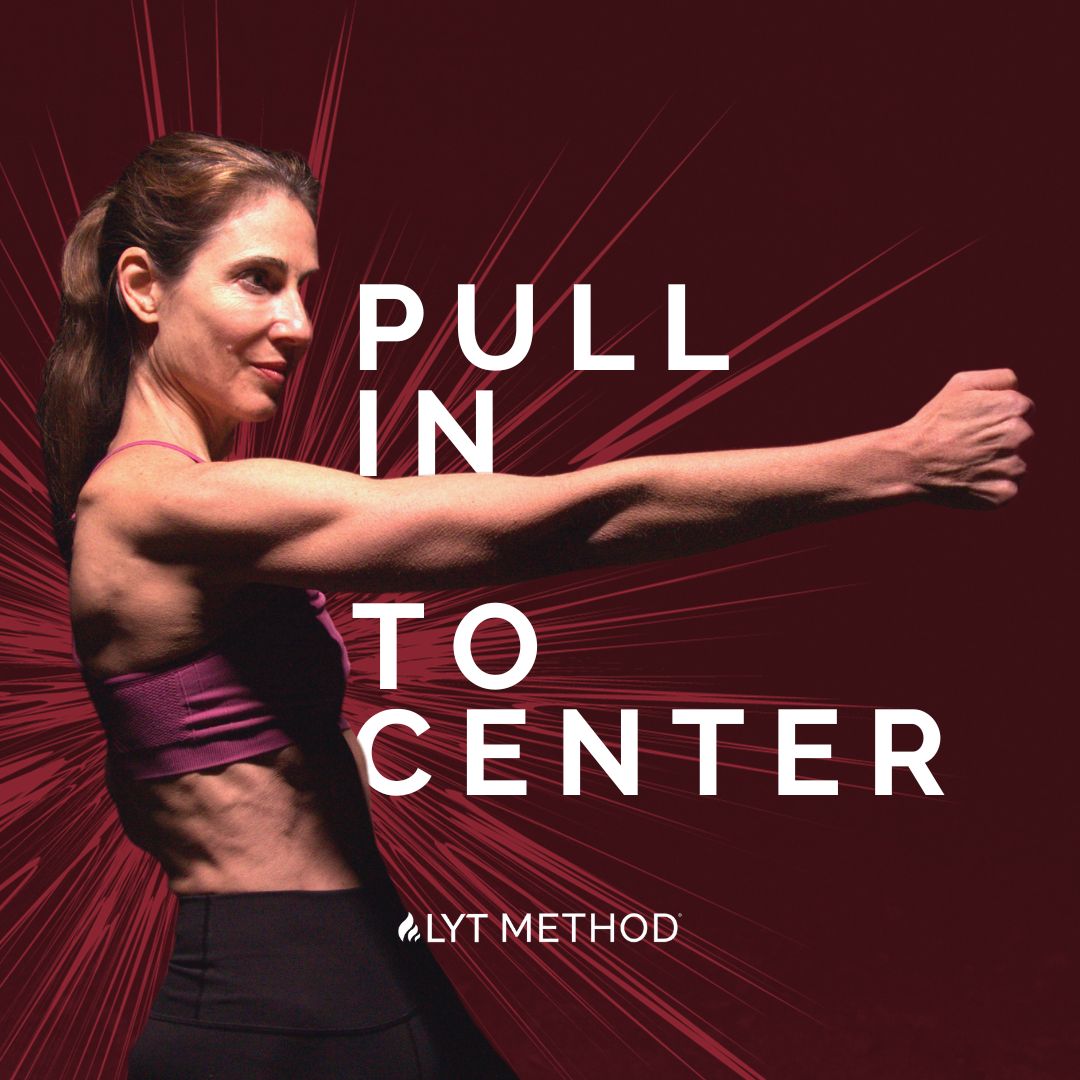
  • Pull into Center BUT Open Your Rib Cage First

    Pull into Center BUT Open Your Rib Cage First

    by Ashley Newton, PT, DPT


    The lower ribs are attachment points for our abdominal musculature. We can actually self assess the health of our core by palpating the lower rib cage.


    The ribs articulate in the center of our body at the sternum. The sternum terminates in the cup hood bone. The space below the xyphoid is known as the infrasternal angle. This angle is important when assessing our ability to stabilize the trunk. Ideally, this angle should be 90 degrees. This tells us that our body is not compensating to try to stabilize itself at the level of the trunk. However, more often than not, the angle is greater or less than 90 degrees and believe it or not, this can tell you a lot about your body.


    If the infrasternal angle falls below 90 degrees, it is likely that you use your external oblique musculature a little too much. The external oblique stabilizes our trunk, but can oftentimes become the sole player in this action when in fact it requires the coordination of the two diaphragms and the rest of the abdominal musculature. 


    So why is this an issue? Well, if the external oblique is working overtime without the other abdominal muscles, this can lead to excessive pressure down into the pelvic floor and make one more at risk of pelvic organ prolapse, aesthetically it can create the lower abdominal “pooch”, and negatively affects our posture. 


    So what do I do?! First off, let go of your grip. Let go of your lower belly. More often than not, folks who have this tightness are walking around sucking in their belly. When we walk around, we want to think about our ribs drawing into our back body WHILE we grow tall through the back of the skull. 


    Most folks when told they need to correct their posture, brace their abdomen but this can lead to tightness and restriction in the abdomen and rib cage that can work against them and create different postural issues. 


    Instead, we need to grow tall and work on scapular strength, respiratory strength, and diaphragm length to balance the rib cage over the pelvis. Does the abdomen need to work, absolutely. But I think that you will find that by getting more length in the diaphragm and strength in the scapular musculature, it will require less effort to correct your posture and generate tension in the deepest layer of the abdomen that stabilizes the spine.


    If you have this tightness in your abdomen, give one of the following exercises a try!

    • Diaphragm release: in lying, bring the fingertips under the ribs and follow the ribs down as you scoop the fingers under the rib angle. Use lotion if available. This area should not be tender and should be mobile enough to fit up to your 2nd knuckle underneath the ribs. 
    • ILU massage 
    • Thoracic rotations/open books
    • Uddiyana bandha in lying, seated and standing 
    • Jaw release 
  • 697. Wednesday Q&A: Hip Labrum, Thriving in Cold Seasons, & Cycling Injuries

    697. Wednesday Q&A: Hip Labrum, Thriving in Cold Seasons, & Cycling Injuries


    Welcome to Wednesday Q&A, where you ask questions and we answer them!

    In this Wednesday Q&A, we answer your questions about torn hip labrums, thriving in colder seasons, and avoiding injuries as a cyclist.


    • What should I do if I’ve been told I have a torn hip labrum? What will help in my practice?
    • Any tips for how to thrive through months of the year when daylight is in short supply?
    • How can cyclists avoid injuries? 


    Connect with Lara Heimann, The Redefining Movement Podcast, and LYT Daily:


    Today’s podcast sponsor:

    Almond Cow – Use code LARA for extra savings

    Amino Co – Use code LYT to save 30% 


    Follow the podcast:

  • Yoga for Back Pain: Core Strengthening Poses to Support the Spine in Physical Therapy

    Yoga for Back Pain: Core Strengthening Poses to Support the Spine in Physical Therapy

    by Sarah Apple Kingsley, pt, dpt


    While working as a physical therapist for many years, the number one complaint that people will come into clinic for is BACK PAIN! It seems like nearly everyone these days (or someone very close to them) can claim to have suffered from episodes of back soreness. Most recurrent episodes stem from the amount of time spent seated in a chair or in the same static positions, usually with poor posture.


    When we don’t move for periods of time or move in the same habitual patterns, our muscles and joints become very stiff. Oftentimes it manifests as a global stiffness throughout the body, for which many typical yoga poses and stretches can be very beneficial. Other times one set of muscle groups will become very short and tight while the opposing muscle group will conversely become elongated. In this case, over-stretching the elongated tissues can lead to further pain and injury. This is why core strengthening for back pain is so crucial for a complete recovery. Yes, stretching is wonderful and necessary, but it needs to be coupled with postural training for the body to support the spine in a neutral position, preventing muscles from getting overly stretched or shortened. In order to do this, we need to WORK THE CORE!


    Many of the physical therapy exercises we give to our patients in the clinic actually originate from yoga poses. Here are some top examples of core-strengthening yoga poses to support the spine:


    1. Bridge Pose – Particularly great for strengthening the gluteals (butt muscles), which have major connections to our deepest abdominal muscles.
      To perform: Begin lying on your back with your knees bent and feet flat on the floor. Root your tailbone towards your heels, engage the gluteals and the lower abdominals as you press into your feet and lift your bottom up into a low bridge position. Focus on staying low to ensure you are activating your gluteals to avoid overactive spinal extensor use.
    2. Table Top/Bird Dog – Just being in tabletop (on all fours or quadruped position) is a great way to get in touch with your core as it involves weight-bearing through all the limbs.
      To perform: Come into a hands and knees position with the hands directly under your shoulders and knees directly under your hips or slightly closer in to ensure a neutral pelvis. Pull your low belly up and in and energetically dial your hands out towards your pinkies to secure your shoulder in the socket. You can remain here for 5-10 breaths OR as a progression and very commonly prescribed PT exercise you can try bird dog. Begin first by lifting just one hand up in line with your ear, returning back to start and then reaching the other hand out in front. Then try reaching one leg back behind you, returning to start, and performing with the other side. If you can perform each of these movements separately without ANYTHING else changing in the spine, try lifting one arm out in front of you and the opposite leg back behind you. Return to the starting position and repeat with the opposite arm and leg. A good test is to put a block or dowel on your back to ensure good spinal alignment throughout and best core activation.
    3. Plank and Forearm Plank – This pose takes table top/quadruped up a level by lifting the knees, putting an added demand on the core.
      Begin on all fours with your hands directly under your shoulders. Step one foot straight back behind you, followed by the other. Attempt to maintain your body in a straight line, lifting in your low belly and reaching back through your heels, engaging the gluteals as well. Coming down onto your forearms with elbows bent is an alternative that also works the core muscles with an added demand on the forearm and more proximal shoulder stabilizing muscles.
    4. Side Plank and Modified Side Plank (with a twist) – This pose works your obliques and side abdominal muscles much more than a regular plank. Think of the plank described above, but tilted on your side. Only one arm is down on the floor directly under the shoulder, the legs are extended with the top foot stacked on top of the other. Pull your shoulder blade back on the ribcage and stay lifted, not sinking. Modified side plank is the same, however with your bottom knee down. This pose puts slightly less demand on the obliques, however it adds demand to your gluteus medius muscle to stabilize. Adding a twist is a way to amp up both poses by reaching your top arm down towards the floor, and then back up towards the ceiling. The rotation action helps to further engage the oblique muscles especially.
    5. Boat Pose – Most people think of this pose in yoga immediately when referring to “core work.” Boat pose definitely engages the hip flexors and the rectus abdominus. However, for those with back pain it can be a big strain on the core and failure can lead to more discomfort and pulling in the low back. I recommend a modified variation beginning in an upright sitting position with knees bent and feet down on the floor. Keep your low belly lifted and spine and torso long as you begin to lean your upper torso back towards floor but only as far as you can lean without rounding or lifting your feet from the floor. Then use your core to pull yourself back up to start.
    6. Chair Pose with a Twist – This pose involves full body core and gluteal engagement as you perfect your squatting position. Begin with feet shoulder-width apart, toes facing forwards. Hinge back from your hips keeping your spine long into a squat or chair position, knees do not track forwards beyond your toes. Raising your arms up overhead with thumbs pointing up adds further demand to your upper and lower trapezius and gluteals to stabilize. Adding a twist will also engage your obliques by reaching one hand down towards the floor and the other up towards the ceiling, think lifting up more than back. You can also perform a twist with your elbows bent and hands in a prayer position. Exhale as you perform the twist to engage the abdominals, inhale as you return to start.
    7. Twisted Crescent or Modified Twisted Crescent – Sticking with our “twisting theme” to activate those obliques, twisted crescent or modified with the knee down also engages the glutes and rotator cuff while giving a stretch to the posterior fascia of the hip that is in front, and an anterior stretch to the hip that is behind. The restrictions in these two areas often contribute to back pain complaints. Begin standing, hinge back from your hips and step your right foot back, lowering the knee directly underneath the hip. Hinge your upper torso forwards to plant your right hand down directly underneath your shoulder. Energetically dial your hand out to the side and pull back slightly to secure the scapula on the ribcage and activate the rotator cuff and serratus anterior. Lean into this shoulder as you reach your left arm up towards the ceiling. Relaxing your ear to shoulder will help release the neck which can often contribute to low back pain. For full twisted crescent you would then lift the back knee, reaching back through the heel to keep the gluteal engaged. Hold for 2-5 breaths and repeat on the other side.


    These are just a few examples of some great poses to work the core, strengthen the spine and help improve your back pain complaints. Each LYT class utilizes some or most of these poses and more to help you feel strong, stable and more freedom in your movement!

  • Knee Osteoarthritis

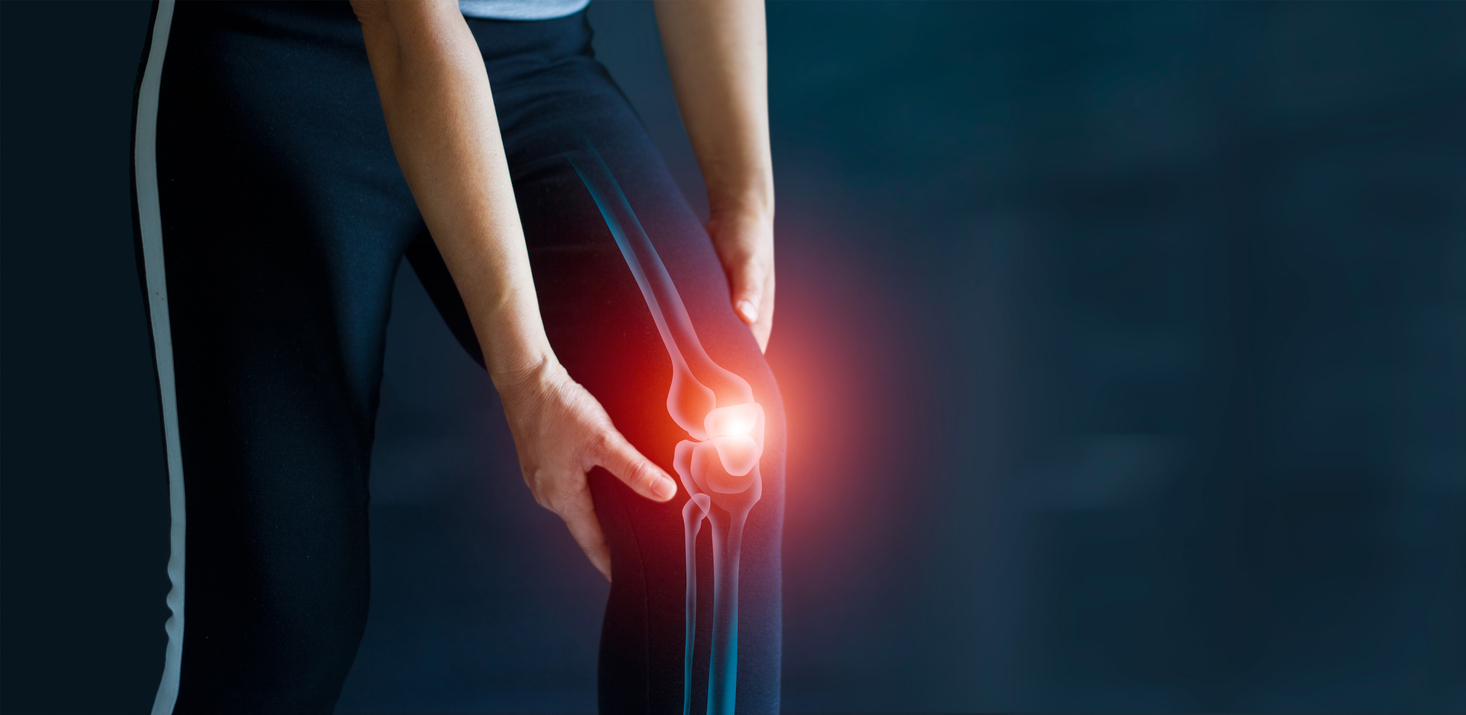
    Knee Osteoarthritis

    A lot of people come to see me for physical therapy with the diagnosis of “Knee OA”, or osteoarthritis. Another common descriptor is “my knees are ‘bone on bone’”. And yet, many people don’t really understand what this means, how it happens, or what the general prognosis is following diagnosis. It’s no wonder that this can be very scary! The good news is that OA comes in slow stages of progression and isn’t an indicator of either pain or function in a lot of people.


    The term “arthritis” refers to inflammation (-itis) of a joint (arthr-). Osteoarthritis is the most common form of arthritis in the knees. It is a degenerative, wear-and-tear type of arthritis that occurs most often in people ages 50 and older. There is a gradual wearing away of the protective covering (articular cartilage) of the bones of the knee (femur, tibia, and patella), which results in a decrease in the joint space. As the cartilage wears away, it becomes frayed and rough. Over time, this can result in bone rubbing on bone and the development of painful bone spurs. The knee may become stiff and swollen, which may be worse in the morning or after prolonged sitting. Loose fragments of cartilage can interfere with knee range of motion and cause locking or a grinding noise (crepitus). But all of this usually doesn’t occur until the later stages of OA, so a lot can be done to manage symptoms and halt progression of this degenerative diagnosis.


    When a person comes to see me with this or any diagnosis, I always do an examination. With any type of wear-and-tear issue, the most important thing to evaluate is the body in motion. In the simplest of terms, humans are just very advanced machines. In the same way that your tires will wear unevenly if you don’t rotate them, your body will wear down if you don’t give it regular tune ups and move in multiple planes of motion! So typically if someone has developed OA in the knees, it’s due to traditionally both poor body mechanics and overuse of some sort. By improving the way in which we move, we decrease the wear and tear through our joints. Keeping the kneecaps (patellae) tracking over the feet, sitting back into the hips with heels-down squatting to keep the knees behind the toes, and maintaining strength in the core and hips all help minimize the amount of weight through the articular cartilage of the knees. Maintaining full joint range of motion allows weight to be transferred across a larger surface area and minimizes the amount of force through in any area in particular. It is important to note that the knees are pretty simple joints. All they really want to do is bend and straighten. If that’s all they do throughout their life, they tend to stay pretty healthy. It’s when medial, lateral and twisting moments occur at the joint that we see injury. It’s with overuse, such as overtraining, that we see wear-and-tear. But the fact of the matter is that we need weight-bearing exercise to maintain health of our articular cartilage. Studies have shown that 10% of sedentary people have knee OA as compared to only 3% of recreational runners. In elite/professional runners, the percentage increases to 13% due to the overuse. Add exercise in additional planes of motion, such as LYT™ yoga, which increases strength of the hips and core, increases muscle and joint flexibility, and focuses on proper joint mechanics, and I’d argue your chances diminish even further. So pay attention to how you move, stretch what’s tight, strengthen what’s weak, mobilize what’s stiff and stabilize what’s hypermobile. Create a more effective and efficient machine to combat knee osteoarthritis…or osteoarthritis of any joint for that matter! Movement is medicine! On that note, I’ll see you on the mat!


    Xoxo,

    Kristin

  • 693. Hypermobility + Movement with Whealth founder Katie Goss

    693. Hypermobility + Movement with Whealth founder Katie Goss


    Katie Goss, the co-founder of Whealth, is a dynamic advocate for personal health empowerment. Her journey from a critical care cardiac nurse to a driven entrepreneur was fueled by her desire to combat preventable illnesses stemming from poor lifestyle choices and the healthcare system’s lack of focus on prevention. After struggling with Ehlers-Danlos Syndrome, Katie co-founded Whealth to address comprehensive health, fitness, and vitality. 


    On this episode of Redefining Movement, Katie emphasizes the paramount importance of self-care and underscores her belief that health is the ultimate wealth. She also discusses her mission to bridge the healthcare system’s gaps, particularly aiding those with hypermobility conditions like HSD and Ehlers-Danlos Syndrome.


    In this episode, you will learn the following:

    • The healthcare system primarily treats rather than prevents medical issues. Investing in your health can help avoid common health concerns like diabetes and heart attacks.
    • A diagnosis of hypermobility or EDS doesn’t condemn you to a lifetime of suffering. Proper movement and habits can help you manage these conditions and live healthier lives.
    • Success, like health, requires daily effort, even when immediate rewards are lacking. Over time, you’ll be amazed at the progress you’ve achieved.


    Guest Resources:

    Connect with Lara Heimann, the Redefining Movement Podcast, and LYT Daily:

    Today’s podcast sponsor:

    Almond Cow – Visit almondcow.co/shop and use code LARA for a discount off your purchase!

    Herbal Face Food – Use code Lara20 for 20% off on your next purchase!


    Follow the podcast:


  • Core Strengthening Yoga Practices in Physical Therapy for Faster Recovery

    Core Strengthening Yoga Practices in Physical Therapy for Faster Recovery

    by Thalia Wynne, PT, DPT, AT, RYT

    We talk about the CORE STRENGTH A LOT in physical therapy.

    In PT school, clinicians learn all about the anatomy of the core including all the muscles, where they attach, their function, what nerves innervate them, how the muscles work during functional movement, the mechanics of breath, and so on. 

    So as you can see, the training is deep. And yet, it wasn’t until after I did my LYT Method teacher training that I finally felt confident teaching core strength exercises to my patients. 

    Through the practice of yoga, I finally understood how powerful appropriate cueing can be and that it takes more than just 3×10 of a deadbug exercise to create a fully integrated core. 

    So what’s the secret? How do yogis look so graceful when they move? So much so that you can tell who’s a yogi just by the way they walk. What is it about a yoga practice that can train the core so well? And how can you use some of the asanas (poses) in physical therapy to gain similar benefits? And whether you are an athlete needing an active recovery tool to reset after hard games and practices or a busy business woman needing help to recover faster from an injury to get back to the meaningful work you put out into the world, why is yoga important to help you recover faster? 


    Yoga core strength translates into more graceful movement off the mat, reducing risk of injury in the first place. 


    It’s simple. The practiced yogi has great body awareness and postural habits. With LYT in particular, the focus is on proprioceptive awareness to optimize posture within typical daily movement patterns and works to flow through a variety of movements so that every joint ROM becomes normalized and stabilized. Off the mat, what this translates to is a look of standing tall and floating across the floor because of how light the body can move when it’s been trained to move optimally. And with optimal movement, you decrease the strain on your body and require less energy to move. Not to mention, your body becomes more adaptable. Meaning, you’ve got the body coordination, strength, and mobility to quickly get up and go when duty calls, or juke your opponent on the court. 


    There are unique training principles to yoga that you don’t always find in traditional PT exercises. 


    #1: Syncing breath to movement


    This is simple but effective. By breathing with movement, you train the body how to manage internal pressure which is important when we talk about recovery. Managing your internal pressure system well means that muscles will know when to contract and when to relax and you’ll avoid overactive hypertonic states that can inhibit muscle recovery. Syncing breath to movement also calms the mind. The parasympathetic nervous system ramps up and you increase relaxation – even when you might be working hard in a class you can still maintain a feeling of calm in the body. The easier you can navigate through challenges via breath control – the faster you will be able to recover from the intensity of the movement. Lastly, we literally require breath to live yet many people “forget” how to breathe. Their breath is shallow, lung capacity is low, and cells are under-oxygenated. People who regularly practice yoga have better lung capacity1. This means more oxygen to your cells which translates into more energy to tackle the day. Yoga is even being studied as a treatment alternative for populations that typically struggle with other exercise types such as people with asthma.2 To breathe is to prosper. Remember, breath is life. If you are breathing, you are living. And that is enough. 


    #2: Consistent internal & intentional core cueing with functional movement 


    In yoga asana, the yoga instructor is typically talking to you almost the entire class time. They are creating a checklist of how to think about movement in a highly core-centric way. Yogis know that core integrity is the foundation for any pose especially when getting into advanced movements like handstands and forearm balances. The internal cueing of squeeze here, lengthen here, breathe here builds your propioceptive awareness and it starts to become automatic just like anything you perform over and over again. Now a squat becomes a core move. And so does a lunge, tree pose, warrior two. Every move is thought of and trained through the perspective of how the student is controlling the trunk to hold the pose. The same idea can be adapted into physical therapy principles. Cue core first, and the rest will usually follow. 


    Now, most will tell you that internal cueing doesn’t translate into sport because an athlete’s focus is not on their body when participating in competition and it requires use of different parts of the brain, so we shouldn’t overly focus on internal cueing. That’s true. I would also say that if every athlete had better body intelligence (in this case core engagement so practiced and perfected it just happens automatically with movement) then we would see less injury. Somebody research that and let me know if my hypothesis is correct!


    I think that a yoga practice added as a recovery tool for athletes would enhance body awareness, improve overall mobility and stability, and take them out of habitual movement patterns that can lead to overuse injuries from overtraining and overdeveloping certain body regions. Think of the right-handed pitcher who gets really good at twisting left but develops tightness in his trunk and hips the opposite direction. Imbalances increase injury risk. Core strength training, particularly the yoga way, reduces imbalances. Now the athlete has the foundation to apply to the other training tools that will get her stronger, faster, and more skilled in her sport. 


    The point is – your core is the grand central station of movement. Its function impacts how you absorb and produce force with movement. Therefore, we must consider how to hold core support with functional movement to improve the way we move, and therefore speed up recovery. When the core is functioning optimally, it takes less energy to do what we want to do, and we decrease stress on the rest of our body creating an environment that promotes healing and recovery. 


    References


    1. Vedala SR, Mane AB, Paul CN. Pulmonary functions in yogic and sedentary population. Int J Yoga. 2014;7(2):155-159. doi:10.4103/0973-6131.133904
    2. Yadav P, Jain PK, Sharma BS, Sharma M. Yoga Therapy as an Adjuvant in Management of Asthma. Indian J Pediatr. 2021 Nov;88(11):1127-1134. doi: 10.1007/s12098-021-03675-y. Epub 2021 Feb 24. PMID: 33625666.