Tag: physical therapy

  • 721. Wednesday Q&A: Energy Levels, Posterior Pelvic Tilt, & Forward Head

    721. Wednesday Q&A: Energy Levels, Posterior Pelvic Tilt, & Forward Head


    In this Wednesday Q&A, we answer your questions about high energy levels, how to correct a posteriorly tilted pelvis, and forward head and neck hump help.


    Your questions:

    • You two seem to have a lot of energy, share the secret sauce.
    • I’ve wound up over correcting my anterior tilted pelvis and created a slight posterior tilt. What would you both recommend to correct this?
    • My forward head is getting worse. Why do I have a neck hump and what can I do to get rid of it?


    To learn more, and for the complete show notes, visit: lytyoga.com/blog/category/podcasts/


    Do you have a question?


    Sponsors:

    • Visit almondcow.co/shop and use code LARA for a discount off your purchase!
    • Check out and sign up for LYT Daily and The LYT Studio, including our 1-week FREE trial of each here with this exclusive 20% off coupon code (LYTPOD24): https://lytyoga.uscreen.io
  • Resistance Training and Metabolism

    Resistance Training and Metabolism

    As I near the golden age of 50 in just a few short months, I find myself more and more interested in resistance training and its benefits. As a matter of fact I just joined a gym for the first time in well over a decade and the weight room is the main reason! I love that LYT has been focusing on the benefits of resistance training this month and one benefit that I’ve always heard about but never really understood the “why” behind was how it improves one’s metabolism. Knowing that menopause is right around the corner has me concerned about how my metabolism may be impacted. Full disclosure is that I’ve always been blessed with a high metabolism, but I’m concerned and expect that one day that will change. So I decided to do a little research on how resistance training and metabolism. 


    The first question that one could ask is what exactly is metabolism? Simply stated, it’s the chemical reactions in the body’s cells that change the food we eat into energy, which we need to move, breathe and think. Thousands of metabolic reactions are happening at the same time to keep our cells healthy and working. The resting metabolic rate is the rate at which a person’s body burns energy in the form of calories while at rest. This can be affected by a person’s genetic makeup, health issues, and by body composition, which is where resistance training comes into play. 


    When we exercise, we are breaking down and rebuilding muscle. Research has shown that resistance training creates a higher degree of muscle damage than aerobic training, and the muscle protein repair/synthesis process is an energy-demanding metabolic process. Estimates suggest that every pound of muscle burns roughly six calories per day at rest. While this may not seem like a lot, it’s three times as many calories as a pound of fat, which burns roughly two calories. So since lean muscle is more metabolically active than fat, a body with more muscle mass will burn more energy (calories) even at rest. This equates to an increase in the resting metabolic rate. Unfortunately for us, starting as early as age 30 the body begins to slowly lose muscle mass. Women lose up to 15% of the total body muscle per decade by the age of 50. So not only are we losing strength, but our metabolism is slowing due to the decrease in muscle as well. 


    In addition to changing body composition by increasing the amount of lean muscle, resistance training has been shown to increase the excess postexercise oxygen consumption (EPOC) as compared to steady-state aerobic training, like walking or jogging. Also known as oxygen debt, EPOC is the amount of oxygen required to return the body to its resting metabolic rate and explains how your body continues to burn energy after you’ve finished your workout. Similar to how a car has to cool down after it has been running, the body continues to burn calories at rest for a period of time after you exercise. Yet another metabolic perk for resistance training!  


    However, not all resistance training modes are created equal when it comes to metabolic benefits. Higher exercise intensities produce higher EPOC values. Performing compound exercises such as squats, deadlifts, lunges, pull-ups, etc, which recruit the most amount of muscle, and doing them at higher intensities such as HIIT (or plyometric LYT classes), are all great options for higher EPOC values. The same is true for lifting weights to stimulate the most muscle growth for increased metabolism. Finding the resistance that is heavy enough for you to perform only 8-12 reps per set with proper form will increase muscle size as compared to muscular endurance. Increased muscle mass yields increased metabolism…I think we see a pattern here.


    I don’t know about you, but I’m properly convinced to stay on my LYT mat doing my online classes which are full of compound bodyweight resistance training movements for the long haul. I’m also convinced that maintaining muscle mass as I age is a good step towards maintaining if not increasing my metabolism as well. If you haven’t checked out our Monthly Challenge called “Get Pumped”, you should! It’s full of resistance training coupled with our traditional LYT method blueprint. A definite win-win situation!


    Xoxo,

    Kristin

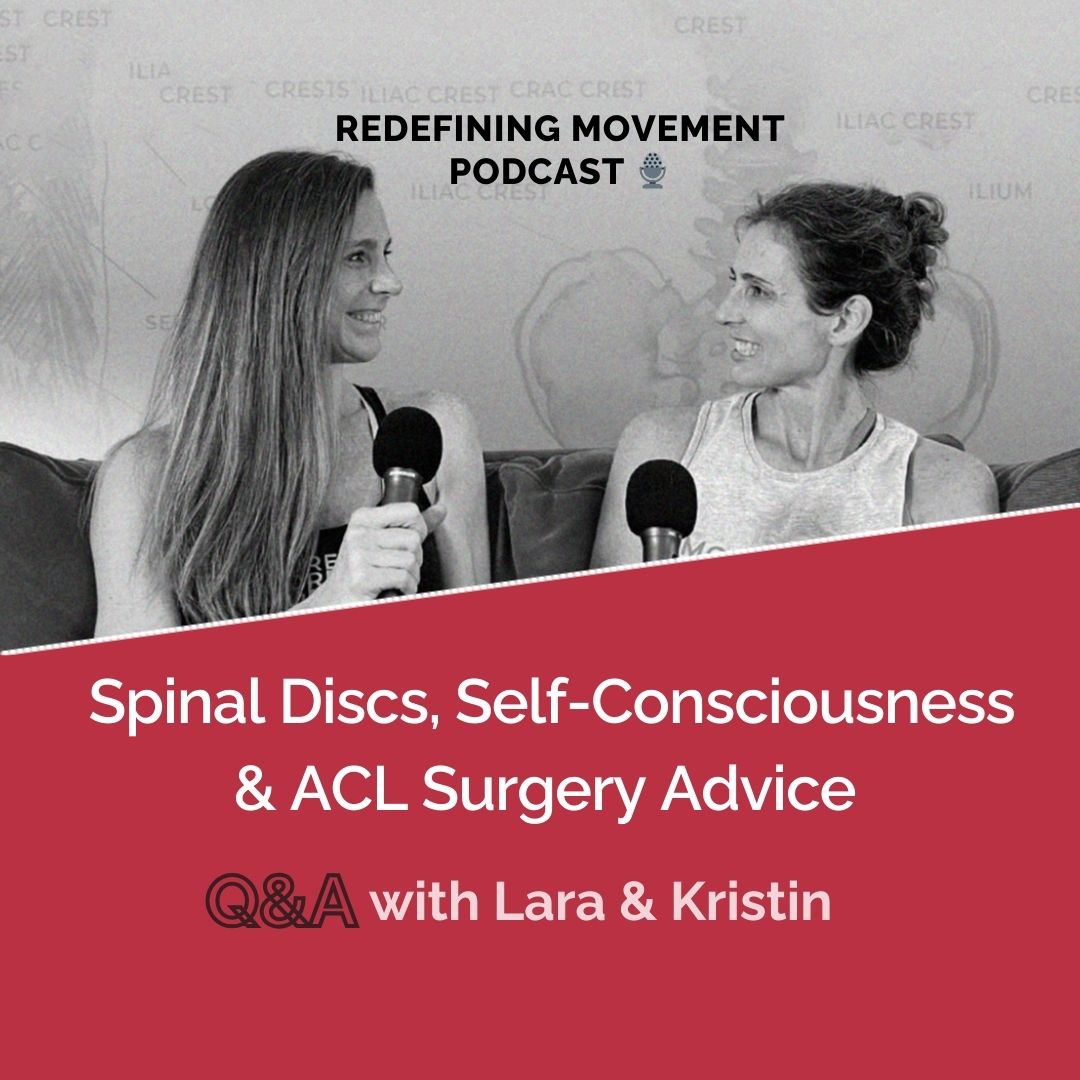
  • 720. Wednesday Q&A: Spinal Discs, Self-Consciousness & ACL Surgery Advice

    720. Wednesday Q&A: Spinal Discs, Self-Consciousness & ACL Surgery Advice


    In this Wednesday Q&A, we answer your questions about spinal and herniated discs, self-consciousness and ACL surgery advice.


    Your questions:

    • Can please you explain how the (spinal) disc functions and is there a cure for herniated discs?
    • What do you suggest for feelings of self-consciousness or intimidation in gym or group fitness settings?
    • What’s the best advice for healing an ACL surgery as a competitive runner?


    To learn more, and for the complete show notes, visit: lytyoga.com/blog/category/podcasts/


    Do you have a question?


    Sponsors:

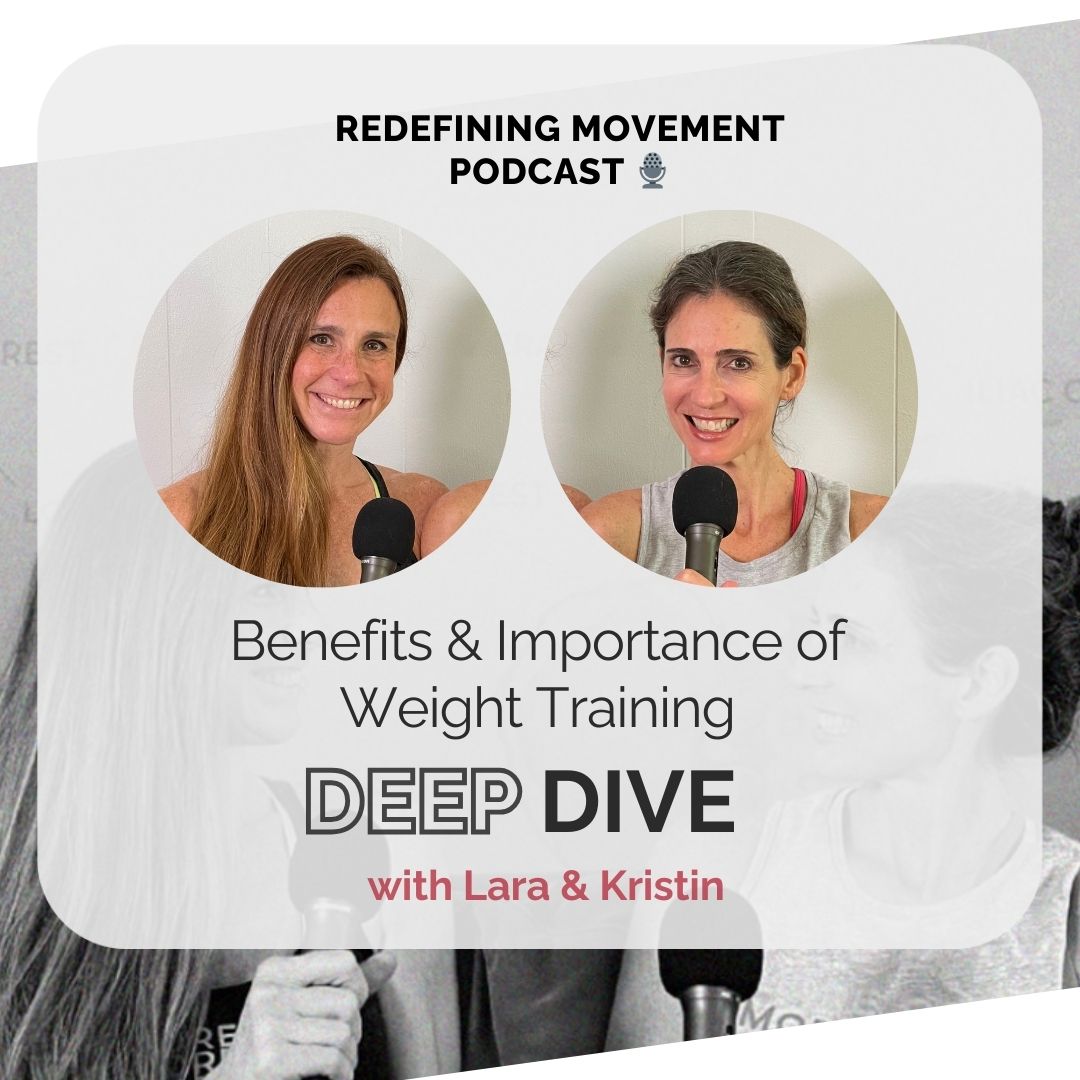
  • 719. Deep Dive – Benefits & Importance of Weight Training

    719. Deep Dive – Benefits & Importance of Weight Training


    Join Lara and Kristin for a deep dive into the benefits and importance of weight training!


    In this episode, you’ll learn about:

    • The benefits of weight training and weight-bearing exercises.
    • The positive impact these exercises can have on overall functional capacity, athletic performance, metabolism, and mental health.
    • The importance of proper form and gradually increasing intensity to avoid injury.
    • The advantages of these exercises in improving bone strength, joint stability, and mental well-being, especially in older adults.
    • The importance of muscle recovery, consistent exercise routines, and finding age-appropriate and lifestyle-suitable exercise habits.


    There’s a lot to cover, so let’s dive right in.


    To learn more, and for the complete show notes, visit: lytyoga.com/blog/category/podcasts/


    Do you have a question?


    Sponsors:

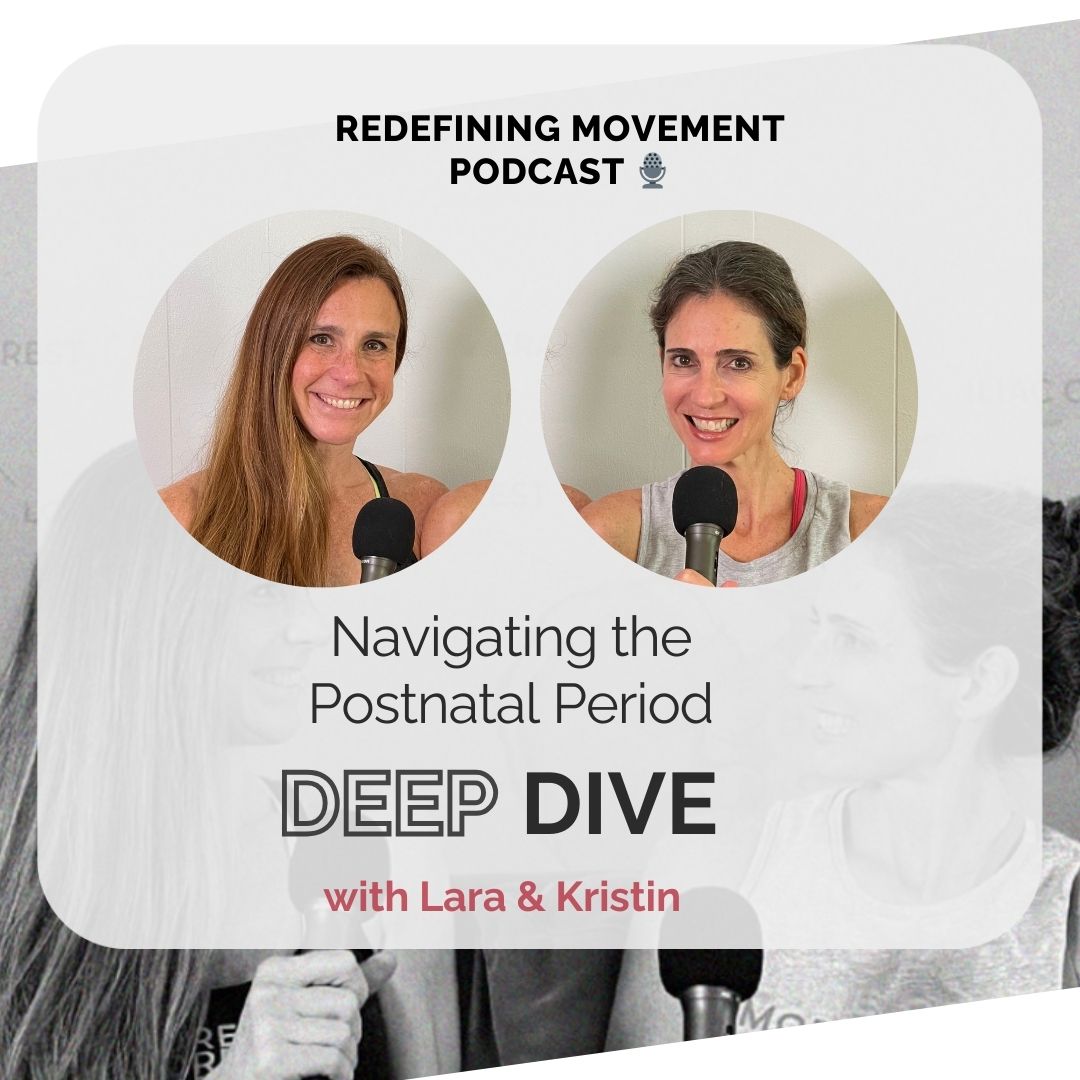
  • 716. Deep Dive: Navigating the Postnatal Period

    716. Deep Dive: Navigating the Postnatal Period


    Join Lara Heimann and Kristin Williams for a deep dive into the postnatal period from a physical therapist and movement perspective! 


    In this episode, they discuss:

    • common changes that occur post-pregnancy
    • challenges and fears that new mothers face regarding their body’s changes and potential issues after giving birth
    • the importance of postural awareness and retraining in addressing core strength and stability, particularly after pregnancy
    • advice on returning to cardio activities such as running or jumping after childbirth
    • the importance of self-care for mothers


    To learn more, and for the complete show notes, visit: lytyoga.com/blog/category/podcasts/


    Do you have a question?


    Sponsors:

  • 720. Wednesday Q&A: Goddess Pose, Playground Movement, and Stress Relief

    720. Wednesday Q&A: Goddess Pose, Playground Movement, and Stress Relief


    In this Wednesday Q&A, we’re chatting about how to modify goddess pose for an anterior tilted pelvis, figuring out how you move differently to be fit and functional, and advising you on making movement work throughout the day. 


    Connect with Lara Heimann, The Redefining Movement Podcast, and LYT Daily:


    Today’s podcast sponsor:

    Herbal Face Food – Tighten your skin and reverse sun damage with this vegan and organic potion! Enter code LARA20 at checkout for 20% off.


    Follow the podcast:

  • Self-Care After An Injury

    Self-Care After An Injury

    When I started college, I had no idea what a physical therapist was or what they did. Sure I’d had some injuries in high school, but nothing that required rehabilitation. It wasn’t until I started having recurring injuries in college track and began seeing multiple athletic trainers and orthopedic doctors that I finally landed myself in a physical therapy clinic…and completely changed the trajectory of my life. I love being a physical therapist. I love that I can help heal peoples’ injuries and get them back on their feet the same way a PT many years ago did for me. But one of the things I love the most is knowing how to care for myself and not feeling helpless after an injury because I’m confident in the body’s ability to heal itself through self-administered therapeutic interventions and good movement. As a result, I have less fear of when pain happens in my own body. 


    Over the years, I’ve found that fear secondary to pain is one of the biggest limiting factors in one’s ability to recover after an injury. This fear can include wondering whether it will end, what is causing it, how much damage there is, and if movement will make it worse. These thoughts, beliefs, and expectations are important modulators of pain and can significantly affect one’s recovery from injury. While many people consider pain to be a physical response from the body, it is actually a response from the brain with both sensory and emotional components. When the brain processes a noxious stimulus from the body (sensory input) like a sprained ligament or torn muscle, how we experience that pain is shaped and influenced by previous experiences and how we react to them (emotional input). Anxiety, fear, and hyperfocusing on one’s symptoms can increase pain, while positive expectations and emotions can decrease pain. So one of the first things I tell my patients and myself after an injury is that it’s going to be okay. The body has an amazing ability to heal itself if we just put it in the proper environment to do so.


    Once we develop a more positive relationship with pain after an injury, we can consider it simply information from the brain. It’s our body’s way of telling us that something we’ve been doing isn’t working for this area of our body and we need to make a change. In many cases, that change does not include stopping everything altogether. Unless a bone is broken, I rarely recommend complete rest. Let pain or an injury be your opportunity to look closely at the way you move. Some simple strategies I use include the following:

    1. Observe how you’re moving, what might not be pulling its weight, and why this area is the victim of your mechanics. 
    2. Assess the range of motion and strength of the area that is injured and compare it to the other side. Do the same thing for joints that are nearby. For example, if you’ve hurt your knee, check out the knees but also look at the hips and ankles. If you’ve hurt your lower back, examine how your hips, pelvis, and ribs are moving. There’s a good chance that the injured area is overworking for an underperforming adjacent area. 
    3. Examine how you’re holding your entire skeleton (full body posture) throughout the day and if that may be impacting the injured area as well. Taking a holistic look at an injury is not only the best approach, but also helps the brain to tune into the body in a more objective manner (less emotion) and retrain suboptimal movement patterns to reduce the chance of further injury. 


    Once you’ve done your self-assessment, movement is the medicine. In essence, we want to stretch what’s tight, strengthen what’s weak, mobilize what’s stiff, and stabilize what’s hypermobile. If you find issues in areas away from the injured site that are underperforming, strengthen and/or mobilize them. Doing so will help you take demand off the injured area and the body will give a big sigh of relief. If you find deficits in the area of the injury, I don’t recommend a “no pain, no gain” mantra, but let pain be the guide. Working into significant pain or discomfort is likely to irritate an injury and prolong recovery. I give my patients/clients a simple analogy to follow which I call the “stoplight rule”. Green is no pain, yellow is mild to moderate discomfort, and red is significant or wincing-type pain. A nice mix of exercises that strengthen and mobilize in the green and yellow range seems to work best. Doing only green light exercises may not adequately restore full joint range and muscle function, which can prolong recovery and even create compensatory movement patterns. Exploring into those areas of yellow light movements and exercise not only works into fuller and more pre-injury ranges of motion, but also helps the brain to understand that the body is safe, allowing healing to occur quicker. Moderation is key and more is not better. Although working with a physical therapist or highly qualified movement specialist is often recommended with more severe injuries, don’t forget that the body is a great healer in and of itself. Try it out on your own and if that doesn’t work, seek the help of a qualified professional. 


    On the LYT Daily, we have TONS of short videos with drills and flows addressing a variety of injuries right at your fingertips. Many of the things in these classes are what we do to heal ourselves and they work! Overcoming fear is the first step. Education is paramount. Movement is medicine. Until then, I’ll see you on the mat!


    Xoxo,

    Kristin
  • 714. Monthly Motivation: Preventing Injuries through Movement

    714. Monthly Motivation: Preventing Injuries through Movement


    In this Monthly Motivation, Lara explains the importance of preventing injuries and shares techniques for injury prevention with a special focus on the role of the nervous system. You’ll learn common injuries, their causes, and ways to avoid or reduce them. 

    • How keeping the nervous system in shape helps in preventing injuries.
    • Ways to prevent injury by warming up, training, and resting your body properly.
    • Why a comprehensive approach can aid in long-term injury prevention.


    Connect with Lara Heimann, The Redefining Movement Podcast, and LYT Daily:


    Today’s podcast sponsor: 

    • Stop buying plant-based milk at the store, and make your own yumminess at home with Almond Cow. Check it out, and enter code LARA for a discount!


    Follow the podcast: