Tag: movement

  • Uddiyana Bandha: the secret to core health?

    Uddiyana Bandha: the secret to core health?

    By Ashley Newton, PT, DPT


    So much of yoga as it presents itself online and in our day to day life takes the form of meditation or physical practice. We digest info online in a mere 30 seconds and then move on. Although this helps with the equity and transmission of information, foundational concepts are often lost in translation. So enters one of my favorite practices: uddiyana bandha 


    Bandha literally means ‘lock’ in Sanskrit and refers to how one can direct energy in body while counteracting the downward force of gravity. Uddiyana bandha is also known as the ‘false breath’. In other schools of movement and thought, it is known as an ‘abdominal vacuum’, ‘hypopressive’, or ‘apnea’. This technique can be done in static postures and meditation but can be incorporated into asanas in more advanced practices. 


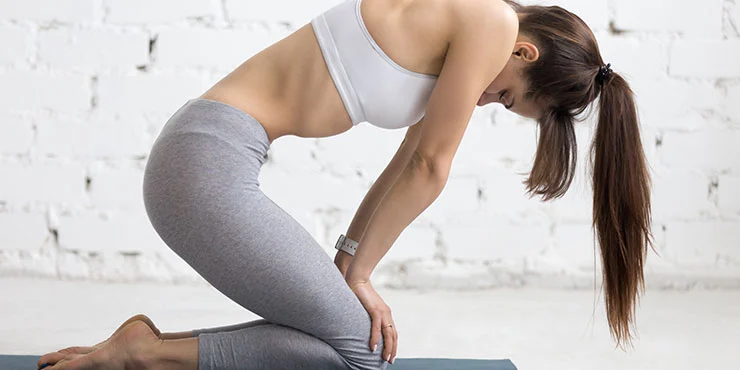
    To perform the bandha, following an exhale, the practitioner will take a ‘false breath’ or swallow. The rib cage will open, the belly button will lift and the abdomen will hollow. More often than not, this practice is performed incorrectly as folks will try to hollow the belly by engaging their external obliques. However, this strategy winds up pressurizing down into the pelvic floor and energy is ultimately lost – thus counteracting the intention of the bandha itself. 


    So, why is this helpful and how does it impact my core health?


    The Three Diaphragms

    Think about the triple ‘S’ in LYT – skull, scapular, and sacral alignment. We know that this alignment is upright posture. In order to perform uddiyana bandha correctly, the vocal, thoracic, and pelvic diaphragms need to be aligned. If they are not, abnormal tensioning in the trunk will inhibit the upward flow of energy. This will result in other areas of the body being tensioned that can contribute to abnormal movement patterns and strategies. 


    Moreover, uddiyana bandha is a diaphragm stretch. The diaphragm is a dome-shaped muscle and cannot be stretched across a joint because it does not have one! It can only be stretched by a change in pressure. The diaphragm gets tight when the body is demanding it work as a postural muscle. This occurs when the body is unable to manage pressure across the three diaphragms and adapts by loading the diaphragm abnormally to control spinal movement. 


    Fascial mobilization

    Uddiyana bandha creates an upward lift of the abdominal and pelvic fascia, effecting a fascial mobilization unto the tissue. This is helpful if there is tightness and/or scarring in the abdomen. The more the tissues in the abdomen can move, the better able they will be to stabilize the spine and coordinate together to provide structure and stability to the trunk. 


    Are there safety concerns with uddiyana bandha?

    People with the below conditions/statuses should not do the uddiyana bandha:

    • Pregnant and recently postpartum clients
    • Recent abdominal surgery 
    • Hiatal hernia 
    • Uncontrolled blood pressure
    • Cardiovascular issues
    • Respiratory syndromes
  • Knee Osteoarthritis

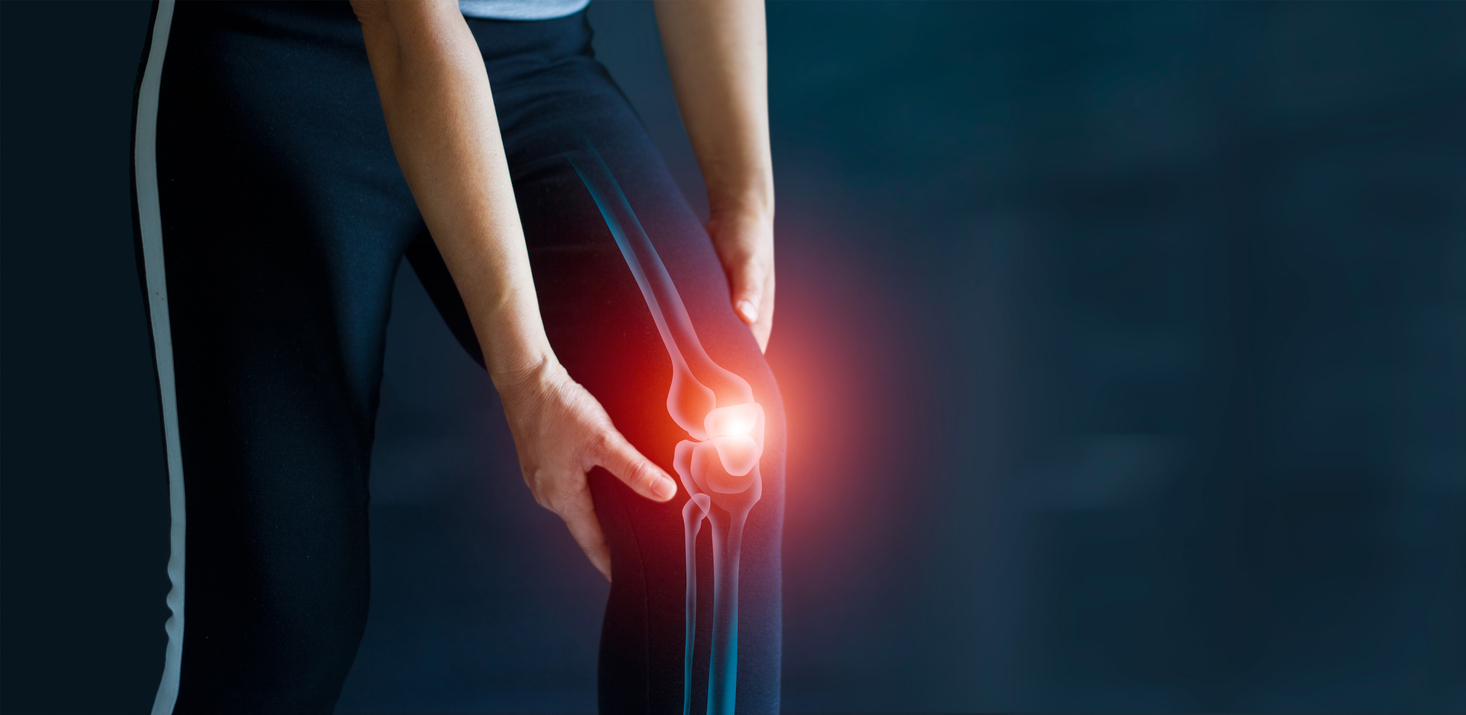
    Knee Osteoarthritis

    A lot of people come to see me for physical therapy with the diagnosis of “Knee OA”, or osteoarthritis. Another common descriptor is “my knees are ‘bone on bone’”. And yet, many people don’t really understand what this means, how it happens, or what the general prognosis is following diagnosis. It’s no wonder that this can be very scary! The good news is that OA comes in slow stages of progression and isn’t an indicator of either pain or function in a lot of people.


    The term “arthritis” refers to inflammation (-itis) of a joint (arthr-). Osteoarthritis is the most common form of arthritis in the knees. It is a degenerative, wear-and-tear type of arthritis that occurs most often in people ages 50 and older. There is a gradual wearing away of the protective covering (articular cartilage) of the bones of the knee (femur, tibia, and patella), which results in a decrease in the joint space. As the cartilage wears away, it becomes frayed and rough. Over time, this can result in bone rubbing on bone and the development of painful bone spurs. The knee may become stiff and swollen, which may be worse in the morning or after prolonged sitting. Loose fragments of cartilage can interfere with knee range of motion and cause locking or a grinding noise (crepitus). But all of this usually doesn’t occur until the later stages of OA, so a lot can be done to manage symptoms and halt progression of this degenerative diagnosis.


    When a person comes to see me with this or any diagnosis, I always do an examination. With any type of wear-and-tear issue, the most important thing to evaluate is the body in motion. In the simplest of terms, humans are just very advanced machines. In the same way that your tires will wear unevenly if you don’t rotate them, your body will wear down if you don’t give it regular tune ups and move in multiple planes of motion! So typically if someone has developed OA in the knees, it’s due to traditionally both poor body mechanics and overuse of some sort. By improving the way in which we move, we decrease the wear and tear through our joints. Keeping the kneecaps (patellae) tracking over the feet, sitting back into the hips with heels-down squatting to keep the knees behind the toes, and maintaining strength in the core and hips all help minimize the amount of weight through the articular cartilage of the knees. Maintaining full joint range of motion allows weight to be transferred across a larger surface area and minimizes the amount of force through in any area in particular. It is important to note that the knees are pretty simple joints. All they really want to do is bend and straighten. If that’s all they do throughout their life, they tend to stay pretty healthy. It’s when medial, lateral and twisting moments occur at the joint that we see injury. It’s with overuse, such as overtraining, that we see wear-and-tear. But the fact of the matter is that we need weight-bearing exercise to maintain health of our articular cartilage. Studies have shown that 10% of sedentary people have knee OA as compared to only 3% of recreational runners. In elite/professional runners, the percentage increases to 13% due to the overuse. Add exercise in additional planes of motion, such as LYT™ yoga, which increases strength of the hips and core, increases muscle and joint flexibility, and focuses on proper joint mechanics, and I’d argue your chances diminish even further. So pay attention to how you move, stretch what’s tight, strengthen what’s weak, mobilize what’s stiff and stabilize what’s hypermobile. Create a more effective and efficient machine to combat knee osteoarthritis…or osteoarthritis of any joint for that matter! Movement is medicine! On that note, I’ll see you on the mat!


    Xoxo,

    Kristin

  • 694. Wednesday Q&A: Fun Facts About Us, Daily Movement, & Deeper Breathing

    694. Wednesday Q&A: Fun Facts About Us, Daily Movement, & Deeper Breathing


    Welcome to Wednesday Q&A, where you ask questions and we answer them!

    In this episode, Lara & Kristin offer some fun facts about themselves, moving daily, and breathing.

    • What is something fun and interesting that people might not know about you and Kristin? 
    • How much should I move through the day? I work virtually but find the lack of routine—i.e. Go to work, come home—makes it harder for me to get motivated.
    • How do I help my breathing? I can’t seem to get out of shallow breaths.

    Connect with Lara Heimann, The Redefining Movement Podcast, and LYT Daily:

    Today’s podcast sponsor:

    LYT Teacher Training

    Learn more and sign up for the LYT Yoga teacher trainings here: https://www.lytyogatraining.com/

    Follow the podcast:


  • 693. Hypermobility + Movement with Whealth founder Katie Goss

    693. Hypermobility + Movement with Whealth founder Katie Goss


    Katie Goss, the co-founder of Whealth, is a dynamic advocate for personal health empowerment. Her journey from a critical care cardiac nurse to a driven entrepreneur was fueled by her desire to combat preventable illnesses stemming from poor lifestyle choices and the healthcare system’s lack of focus on prevention. After struggling with Ehlers-Danlos Syndrome, Katie co-founded Whealth to address comprehensive health, fitness, and vitality. 


    On this episode of Redefining Movement, Katie emphasizes the paramount importance of self-care and underscores her belief that health is the ultimate wealth. She also discusses her mission to bridge the healthcare system’s gaps, particularly aiding those with hypermobility conditions like HSD and Ehlers-Danlos Syndrome.


    In this episode, you will learn the following:

    • The healthcare system primarily treats rather than prevents medical issues. Investing in your health can help avoid common health concerns like diabetes and heart attacks.
    • A diagnosis of hypermobility or EDS doesn’t condemn you to a lifetime of suffering. Proper movement and habits can help you manage these conditions and live healthier lives.
    • Success, like health, requires daily effort, even when immediate rewards are lacking. Over time, you’ll be amazed at the progress you’ve achieved.


    Guest Resources:

    Connect with Lara Heimann, the Redefining Movement Podcast, and LYT Daily:

    Today’s podcast sponsor:

    Almond Cow – Visit almondcow.co/shop and use code LARA for a discount off your purchase!

    Herbal Face Food – Use code Lara20 for 20% off on your next purchase!


    Follow the podcast:


  • Core Strengthening Yoga Practices in Physical Therapy for Faster Recovery

    Core Strengthening Yoga Practices in Physical Therapy for Faster Recovery

    by Thalia Wynne, PT, DPT, AT, RYT

    We talk about the CORE STRENGTH A LOT in physical therapy.

    In PT school, clinicians learn all about the anatomy of the core including all the muscles, where they attach, their function, what nerves innervate them, how the muscles work during functional movement, the mechanics of breath, and so on. 

    So as you can see, the training is deep. And yet, it wasn’t until after I did my LYT Method teacher training that I finally felt confident teaching core strength exercises to my patients. 

    Through the practice of yoga, I finally understood how powerful appropriate cueing can be and that it takes more than just 3×10 of a deadbug exercise to create a fully integrated core. 

    So what’s the secret? How do yogis look so graceful when they move? So much so that you can tell who’s a yogi just by the way they walk. What is it about a yoga practice that can train the core so well? And how can you use some of the asanas (poses) in physical therapy to gain similar benefits? And whether you are an athlete needing an active recovery tool to reset after hard games and practices or a busy business woman needing help to recover faster from an injury to get back to the meaningful work you put out into the world, why is yoga important to help you recover faster? 


    Yoga core strength translates into more graceful movement off the mat, reducing risk of injury in the first place. 


    It’s simple. The practiced yogi has great body awareness and postural habits. With LYT in particular, the focus is on proprioceptive awareness to optimize posture within typical daily movement patterns and works to flow through a variety of movements so that every joint ROM becomes normalized and stabilized. Off the mat, what this translates to is a look of standing tall and floating across the floor because of how light the body can move when it’s been trained to move optimally. And with optimal movement, you decrease the strain on your body and require less energy to move. Not to mention, your body becomes more adaptable. Meaning, you’ve got the body coordination, strength, and mobility to quickly get up and go when duty calls, or juke your opponent on the court. 


    There are unique training principles to yoga that you don’t always find in traditional PT exercises. 


    #1: Syncing breath to movement


    This is simple but effective. By breathing with movement, you train the body how to manage internal pressure which is important when we talk about recovery. Managing your internal pressure system well means that muscles will know when to contract and when to relax and you’ll avoid overactive hypertonic states that can inhibit muscle recovery. Syncing breath to movement also calms the mind. The parasympathetic nervous system ramps up and you increase relaxation – even when you might be working hard in a class you can still maintain a feeling of calm in the body. The easier you can navigate through challenges via breath control – the faster you will be able to recover from the intensity of the movement. Lastly, we literally require breath to live yet many people “forget” how to breathe. Their breath is shallow, lung capacity is low, and cells are under-oxygenated. People who regularly practice yoga have better lung capacity1. This means more oxygen to your cells which translates into more energy to tackle the day. Yoga is even being studied as a treatment alternative for populations that typically struggle with other exercise types such as people with asthma.2 To breathe is to prosper. Remember, breath is life. If you are breathing, you are living. And that is enough. 


    #2: Consistent internal & intentional core cueing with functional movement 


    In yoga asana, the yoga instructor is typically talking to you almost the entire class time. They are creating a checklist of how to think about movement in a highly core-centric way. Yogis know that core integrity is the foundation for any pose especially when getting into advanced movements like handstands and forearm balances. The internal cueing of squeeze here, lengthen here, breathe here builds your propioceptive awareness and it starts to become automatic just like anything you perform over and over again. Now a squat becomes a core move. And so does a lunge, tree pose, warrior two. Every move is thought of and trained through the perspective of how the student is controlling the trunk to hold the pose. The same idea can be adapted into physical therapy principles. Cue core first, and the rest will usually follow. 


    Now, most will tell you that internal cueing doesn’t translate into sport because an athlete’s focus is not on their body when participating in competition and it requires use of different parts of the brain, so we shouldn’t overly focus on internal cueing. That’s true. I would also say that if every athlete had better body intelligence (in this case core engagement so practiced and perfected it just happens automatically with movement) then we would see less injury. Somebody research that and let me know if my hypothesis is correct!


    I think that a yoga practice added as a recovery tool for athletes would enhance body awareness, improve overall mobility and stability, and take them out of habitual movement patterns that can lead to overuse injuries from overtraining and overdeveloping certain body regions. Think of the right-handed pitcher who gets really good at twisting left but develops tightness in his trunk and hips the opposite direction. Imbalances increase injury risk. Core strength training, particularly the yoga way, reduces imbalances. Now the athlete has the foundation to apply to the other training tools that will get her stronger, faster, and more skilled in her sport. 


    The point is – your core is the grand central station of movement. Its function impacts how you absorb and produce force with movement. Therefore, we must consider how to hold core support with functional movement to improve the way we move, and therefore speed up recovery. When the core is functioning optimally, it takes less energy to do what we want to do, and we decrease stress on the rest of our body creating an environment that promotes healing and recovery. 


    References


    1. Vedala SR, Mane AB, Paul CN. Pulmonary functions in yogic and sedentary population. Int J Yoga. 2014;7(2):155-159. doi:10.4103/0973-6131.133904
    2. Yadav P, Jain PK, Sharma BS, Sharma M. Yoga Therapy as an Adjuvant in Management of Asthma. Indian J Pediatr. 2021 Nov;88(11):1127-1134. doi: 10.1007/s12098-021-03675-y. Epub 2021 Feb 24. PMID: 33625666.
  • Regaining Balance: Utilizing Yoga To Enhance Proprioception in Physical Therapy

    Regaining Balance: Utilizing Yoga To Enhance Proprioception in Physical Therapy

    by Sarah Apple Kingsley, pt, dpt


    I have worked as a physical therapist for over 10 years, with the majority of my career having been with a geriatric population. Over that time I have worked in a variety of settings and levels of care including inpatient skilled nursing facilities, assisted living facilities, independent living facilities, and general outpatient independent home settings. Regardless of the level of care or a particular patient’s independence, for the geriatric population the most important factor is always BALANCE. During an assessment or evaluation a physical therapist will almost always test for balance in some way and is typically required to record their findings as indicators of fall risk. Goals are set to improve balance using functional scales as a measure of improving safety, independence, function, and quality of life.


    So what makes up balance?! Balance consists of 3 major centers of the body. Our visual system utilizes our eyes to see what we are standing or stepping on. Have you ever tried standing on one leg and then closing your eyes? Harder right? This is vision’s role in balance. Second, our vestibular system is in our inner ear, using tiny hair follicles as a way for our body to know where we are in space especially when turning the head and changing focus of the eyes. This system helps our body know we are not actually moving when we are sitting in a car watching our surroundings go by. When it is malfunctioning, vertigo symptoms become apparent. Try walking in a straight line and turning your head left and right. Can you keep a straight line, without falling over or getting dizzy? If so, then your vestibular system is functioning well.


    The final and in my opinion most important component of balance is PROPRIOCEPTION! The tiny little somatosensory receptors on our feet send signals to our brain and the rest of our body, joints and muscles about where we are in space. It is responsible for keeping our balance on a variety of different surfaces, narrowing our base of support, or changing where our limbs are in space. This is the one system that I believe we have the greatest ability to control and improve upon with physical therapy. Typical forms of physical therapy use a variety of tools and exercises to work on this system such as standing on a pillow or foam airex, a wobble board or half foam roller, single leg or tandem stance positions, and my personal old and new favorites the BOSU and a vibration plate. While each of these methods have their advantages, it wasn’t until I started using yoga techniques in my practice that I started seeing completely different results.


    The LYT yoga method explains in detail which parts of the body are meant to move and which are meant to stabilize, which helps target smaller muscle activation strategies that are important for functional movement patterns. Fun poses like airplane, single leg bridging and half moon, as well as transitions such as high crescent lunge into knee to chest all require the ability to stabilize on one limb. One legged stability is a huge balance challenge that works to improve your center, which most forms of common exercise do not. I have learned that you can’t simply tell someone to practice standing on one leg repetitively while expecting them to improve their single leg balance times. A variety of different movements are needed with targeted activation of different muscle groups that aid in supporting the body when in a single leg standing position, all of which need to be working in coordination. The LYT yoga method helps yogis gain these activation strategies as we build upon each move, starting small and working our way up. Progressing this way gets the body ready to support single limb standing positions as opposed to trying to go right into it and risk a fall or injury. By “training” or practicing in this manner, we can prepare the body to be more ready on a daily basis to support a load or react to a potential fall situation.


    Speaking of fall risk, being more rigid in the body (such as my patients with Parkinson’s Disease) puts you at a much greater risk for experiencing a fall. Yoga helps to open up the muscles, increase joint mobility and expand on ranges of motion to collectively experience movement in a more fluid way. Patients with this diagnosis may initially find yoga to be foreign and very difficult. When new ranges of motion become available and the body is able to move more fluidly, walking patterns improve, walking speed improves, and fall risk drastically decreases! 


    All of this to say, my practice as a therapist has been changed for the better since I implemented strategies, poses and movements that I have learned in my LYT yoga training. Whether you have Parkinson’s Disease or another diagnosis, this method can change your body for the better!

  • 692. Wednesday Q&A: Massages, Low Energy, & Diastasis Recti in Newborns

    692. Wednesday Q&A: Massages, Low Energy, & Diastasis Recti in Newborns


    Welcome to Wednesday Q&A, where you ask questions and we answer them!

    In this Wednesday Q&A, we answer your questions about the frequency of massages, experiencing low energy, and diastasis recti in newborns. 

    • How often would you recommend massages? Is it okay if it hurts?
    • What are your recommendations for low energy?
    • My newborn baby has diastasis recti. Will it go away on its own or will he need physio?


    Connect with Lara Heimann, The Redefining Movement Podcast, and LYT Daily:


    Today’s podcast sponsor:

    LYT Newsletter – Sign up for the LYT Newsletter: https://www.getdrip.com/forms/542247881/submissions/new 

    Herbal Face Food – Use code Lara20 for 20% off 


    Follow the podcast:

  • 689. Empowering Prenatal Fitness & Postpartum Resilience with Gina Conley

    689. Empowering Prenatal Fitness & Postpartum Resilience with Gina Conley

    Join Lara for a conversation with Prenatal Fitness expert Gina Conley.

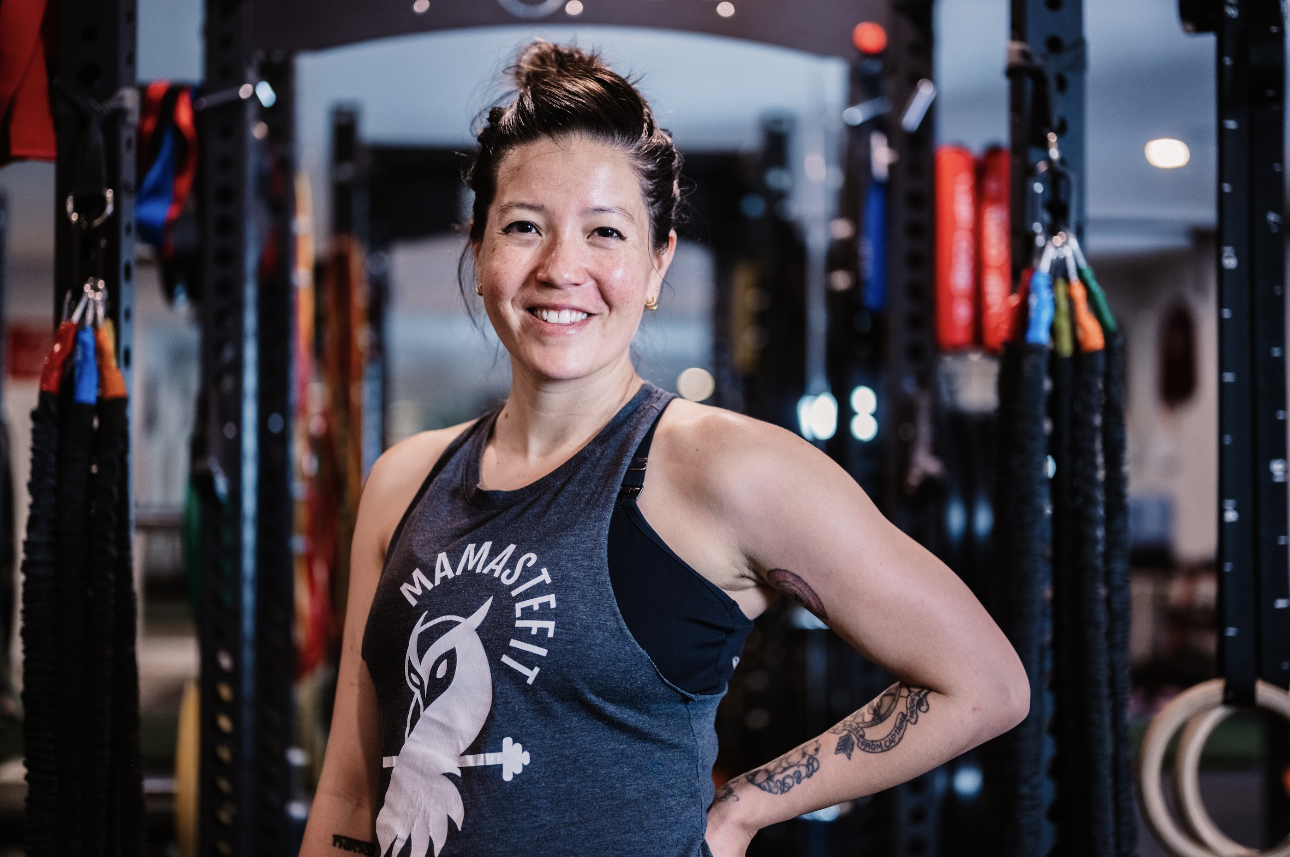
    MS. Gina has a master’s in exercise science and is a birth doula. She is a perinatal fitness trainer and owner of MamasteFit, an in-person perinatal training facility in Aberdeen, North Carolina.


    Gina has exclusively trained prenatal and postnatal fitness clients for the past 6 years and offers both in-person and online training support. Gina is a mom to three little ones and is passionate about empowering others to feel strong and pain-free throughout their pregnancies as they prepare for their birth and postpartum journey.

    • The benefits of perinatal exercise and the connection between prenatal fitness and birth preparation. 
    • How experiencing a challenging birth motivated Gina to start a business that supports and empowers other women during their perinatal journey.
    • Becoming a doula and the roles and responsibilities involved in that role. 
    • The importance of exercise throughout pregnancy and common misconceptions and fears associated with lifting weights and core exercises during this period.
    • Postpartum fitness, including the timeline for returning to exercise and movement after baby is born.


    To learn more, and for the complete show notes, visit: lytyoga.com/blog/category/podcasts/


    Guest Resources


    Connect with Lara Heimann, The Redefining Yoga Podcast, and LYT Yoga:


    Sponsor:


    Follow the podcast: