Tag: movement

  • Your End-of-Year Health Audit From a Physical Therapist, Yoga Teacher and Wellness Coach

    Your End-of-Year Health Audit From a Physical Therapist, Yoga Teacher and Wellness Coach

    by thalia wynne, pt, dpt, at, ryt

    Happy end of the year, LYT Fam! 

    This is such a magical time of year WHEN we celebrate, come together, reflect on the year we’ve had, and create powerful visions for the new year ahead of us. 


    As you read this, I’d like to invite you to take a moment to reflect on your health this year. We only get this one physical life expressed in this particular physical form. So let’s make the most of it! 


    How did you spend it this year? How did your body evolve? What was hard and painful? How did you grow and change? What were the joyous moments in your body? With your health? And how do you want to manifest physical health and well-being in 2024? 


    Welcome to your 2023 health audit. 


    Get out a piece of paper, and follow along with the exercises below to get honest with where your physical health is now, where you want it to be, and what you want to do in 2024 to manifest your ideal health. 


    Part I: Categories


    We can break health down into three main categories: mental, physical, spiritual – in other words – mind, body, & soul. 


    Step 1: In each of these broad categories, list out the smaller categories that fit in each. Here is an example to go off of. You can use this list as is, add your own categories, or delete the ones that don’t resonate. 


    Keep the body systems categories in there. These are all the major organ systems that make up the human body. We want all these systems to be functioning seamlessly for our most optimal health. If you are unsure what a particular body system is, check out this link for a breakdown of each system. https://www.verywellhealth.com/organ-system-1298691#toc-endocrine-system

    Part II: Assessment 


    Next, assign one of the following three levels to each category. 


    • Green: mastered and/or totally aligned. Ideal health actualized. 
    • Yellow: I could improve this area of my health
    • Red: Active illness. I need help/support in this area. Not at all aligned. 


    Step 2: Take out some colored pens/pencils and circle each category as green, yellow, or red. Or just write G, Y, or R next to each category. 


    Be very honest with yourself here. Think about any lab testing you’ve had done, things your doctors have told you, symptoms you’ve experienced to help you make decisions. Trust your gut responses.

    Part III: Hierarchy of Needs 


    Next up, let me introduce you to Maslow’s hierarchy of needs. The idea here is that there are levels of needs we have as humans and that the lower needs most likely need to be met before the higher needs on the pyramid can be reached. 


    For example, if you feel unsafe at home, it is unlikely that you are going to fulfill your higher purpose in life, until safety is restored. This is all relative, not absolute. And it’s a psychological theory, so don’t take this as Law. But, I find that it demonstrates our basic human needs quite well, and so we will use it in your audit today. 
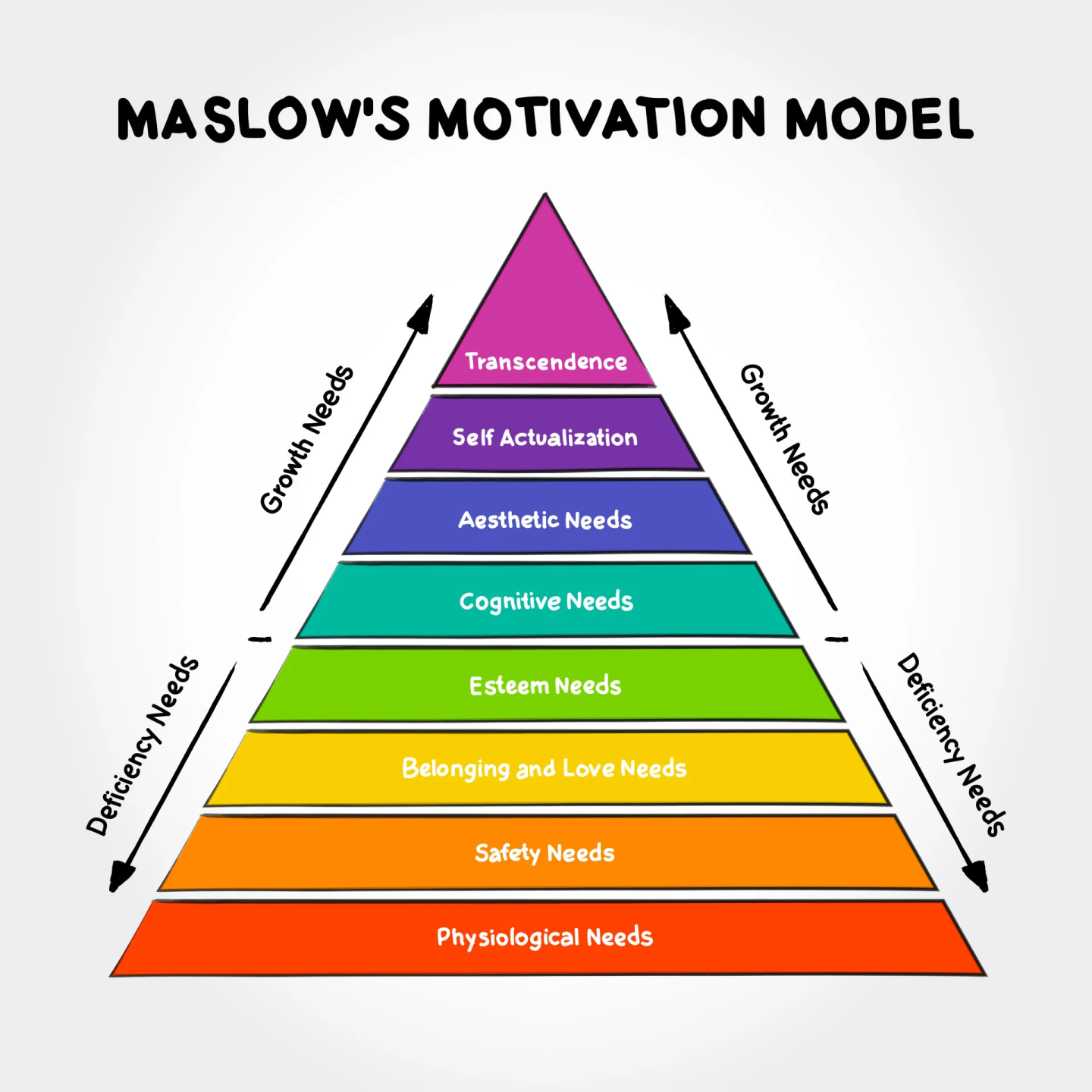
    Maslow's motivation model

    For more information on what each level means, check out this article for details: https://www.simplypsychology.org/maslow.html#Critical-Evaluation 


    Step 3: Answer the following questions: 


    In the context of this model, as it relates to your health in 2023

    1. What level(s) do you feel like you’ve spent most of your time, energy, and money on? 
    2. What level(s) do you want to feel fulfilled in? 
    3. What needs to change for these needs to be met? 


    Part IV: Reflection


    Step 4: Answer the following questions: 


    1. What didn’t go well in 2023 as it relates to my health? 
    2. What went well in my health in 2023? 
    3. In each yellow/red category, what exactly do I want to improve? List 1 thing per category. 
    4. Are you satisfied with your current trajectory in the hierarchy of needs? If not, what did you identify in part lll that could potentially be a focus of yours in 2024? 
    5. Now, let’s narrow this all down into one focus. Based on what you’ve learned from this exercise, what is the one thing you can do for your health in 2024 such that by doing it, everything else becomes easier or unnecessary? 


    Part V: Setting the Vision 


    Now that you have your heading for 2024, it’s time to dream about what this one focus could look like as it’s played out over the next year. Turn on some meditative music if you haven’t yet, and get ready to free write, or just sit and dream about what the future has in store for you. 


    Step 5: In your mind or writing it all out on paper, just dream about how life will look like in 2024 as you focus on your one health goal throughout the year. Get deep into this vision by being your #1 cheerleader. Assume everything goes better than you even hoped for. Add details to this vision – what do you see, smell, taste, hear? What environment are you in? Who is with you? Supporting you? Let your imagination run wild as you set the tone for your health in 2024. 


    Now, take action right this moment! What is the first step you can take towards actualizing this vision? 


    Keep this momentum going! 

    I hope you enjoyed this health audit and that it illuminated something powerful for you. 


    For me, in 2024 I will embody a way of living (eating, moving, sleeping, working, restoring/relaxing, and communing with the Divine, my Self, & others) that supports vibrant energy, peace in my mind, and love in my heart so that I may live a fulfilling, purposeful, and joyous life. 


    I will be filtering all of my decisions next year through this focus and building habits around it to support this beautiful dream of mine. My first action was scheduling a Neurodynamic Breathwork session this weekend. I’m also digging into the work of functional medicine MD, Dr. Hyman. Next book on my read list is this free resource on regulating blood sugar to give some love to my gut health after the holiday season. Check it out! https://10daydetox.com/wp-content/themes/tendd/downloads/resources/10-Day-Detox-PDF.pdf 


    If you’d like, I’d love to hear what your focus is for 2024 and your first action step. Send me a DM on instagram. I’d love to hear from you! 


    Thalia Wynne Dorsten, PT, DPT, AT, RYT

    IG: @thalialovee
    Wellnessbythalia.com


  • 702. Wednesday Q&A: Alternative Jobs, Disrespectful Students, and Differentiating the LYT Method

    702. Wednesday Q&A: Alternative Jobs, Disrespectful Students, and Differentiating the LYT Method


    Welcome to Wednesday Q&A, where you ask questions and we answer them!

    In this Wednesday Q&A, we answer your questions about what jobs we’d be doing if it weren’t for LYT, how to deal with disrespectful students, and why the LYT method differs from other practices. 

    Connect with Lara Heimann, The Redefining Movement Podcast, and LYT Daily:


    Today’s podcast sponsor:

    Almond Cow – Visit almondcow.co/shop and use code LARA for a discount off your purchase!

    AminoCo – Shop my favorite 100% Science-Backed Amino Acid Supplements. Enter the code “LYT” to save 30%. Aminoco.com/LYT


    Follow the podcast:

  • 700. Monthly Motivation: Balanced Living

    700. Monthly Motivation: Balanced Living


    Join Lara in the last Monthly Motivation for 2023 as she shares tips on unlocking your full potential through balanced living. You’ll discover how you can improve the different areas of your life, from physical health, emotional health, and your professional life.


    In this episode, you will learn the following:

    • Physical exercise is a keystone habit.. Movement is medicine! Regular movement not only promotes a healthy body but also has a positive impact on overall well-being. Incorporating regular movement into our daily lives not only helps to prevent diseases but also boosts mental clarity, improves mood, and enhances overall quality of life.
    • If one area of your life isn’t doing well, it affects everything else and why that is important to your overall health and well-being.
    • It’s tricky to feel like you’re constantly living a balanced lifestyle but what’s important is that you try continuously to do so.


    Connect with Lara Heimann, The Redefining Movement Podcast, and LYT Daily:


    Today’s podcast sponsor:

    Almond Cow – Visit almondcow.co/shop and use code LARA for a discount off your purchase!


    Follow the podcast:

  • 699. Wednesday Q&A: Raising Explorers, Treating Splay Foot, and Lasting Neck Pain Relief

    699. Wednesday Q&A: Raising Explorers, Treating Splay Foot, and Lasting Neck Pain Relief


    Welcome to Wednesday Q&A, where you ask questions and we answer them!

    In this Wednesday Q&A, tune in as we answer your questions about raising little explorers as first time parents, treating acquired splay foot, and finding neck pain relief that lasts.


    We love connecting with you! Connect with Lara Heimann, The Redefining Movement Podcast, and the LYT Daily family:


    Today’s podcast sponsor:

    Try Herbal Face Food and use code Lara20 for 20% off 


    Follow the podcast:


    LYT Newsletter – Sign up for the LYT Newsletter: https://www.getdrip.com/forms/542247881/submissions/new

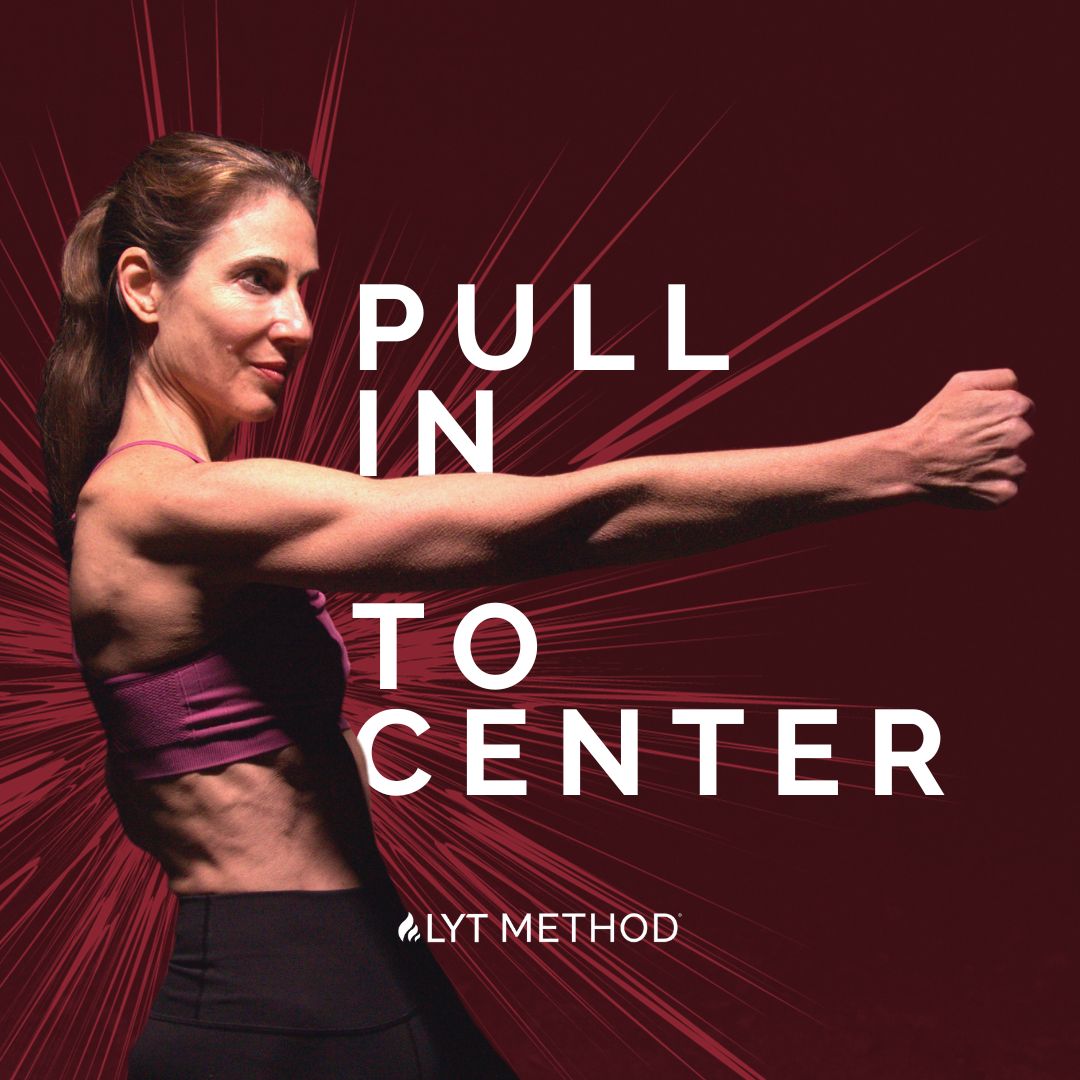
  • Pull into Center BUT Open Your Rib Cage First

    Pull into Center BUT Open Your Rib Cage First

    by Ashley Newton, PT, DPT


    The lower ribs are attachment points for our abdominal musculature. We can actually self assess the health of our core by palpating the lower rib cage.


    The ribs articulate in the center of our body at the sternum. The sternum terminates in the cup hood bone. The space below the xyphoid is known as the infrasternal angle. This angle is important when assessing our ability to stabilize the trunk. Ideally, this angle should be 90 degrees. This tells us that our body is not compensating to try to stabilize itself at the level of the trunk. However, more often than not, the angle is greater or less than 90 degrees and believe it or not, this can tell you a lot about your body.


    If the infrasternal angle falls below 90 degrees, it is likely that you use your external oblique musculature a little too much. The external oblique stabilizes our trunk, but can oftentimes become the sole player in this action when in fact it requires the coordination of the two diaphragms and the rest of the abdominal musculature. 


    So why is this an issue? Well, if the external oblique is working overtime without the other abdominal muscles, this can lead to excessive pressure down into the pelvic floor and make one more at risk of pelvic organ prolapse, aesthetically it can create the lower abdominal “pooch”, and negatively affects our posture. 


    So what do I do?! First off, let go of your grip. Let go of your lower belly. More often than not, folks who have this tightness are walking around sucking in their belly. When we walk around, we want to think about our ribs drawing into our back body WHILE we grow tall through the back of the skull. 


    Most folks when told they need to correct their posture, brace their abdomen but this can lead to tightness and restriction in the abdomen and rib cage that can work against them and create different postural issues. 


    Instead, we need to grow tall and work on scapular strength, respiratory strength, and diaphragm length to balance the rib cage over the pelvis. Does the abdomen need to work, absolutely. But I think that you will find that by getting more length in the diaphragm and strength in the scapular musculature, it will require less effort to correct your posture and generate tension in the deepest layer of the abdomen that stabilizes the spine.


    If you have this tightness in your abdomen, give one of the following exercises a try!

    • Diaphragm release: in lying, bring the fingertips under the ribs and follow the ribs down as you scoop the fingers under the rib angle. Use lotion if available. This area should not be tender and should be mobile enough to fit up to your 2nd knuckle underneath the ribs. 
    • ILU massage 
    • Thoracic rotations/open books
    • Uddiyana bandha in lying, seated and standing 
    • Jaw release 
  • 697. Wednesday Q&A: Hip Labrum, Thriving in Cold Seasons, & Cycling Injuries

    697. Wednesday Q&A: Hip Labrum, Thriving in Cold Seasons, & Cycling Injuries


    Welcome to Wednesday Q&A, where you ask questions and we answer them!

    In this Wednesday Q&A, we answer your questions about torn hip labrums, thriving in colder seasons, and avoiding injuries as a cyclist.


    • What should I do if I’ve been told I have a torn hip labrum? What will help in my practice?
    • Any tips for how to thrive through months of the year when daylight is in short supply?
    • How can cyclists avoid injuries? 


    Connect with Lara Heimann, The Redefining Movement Podcast, and LYT Daily:


    Today’s podcast sponsor:

    Almond Cow – Use code LARA for extra savings

    Amino Co – Use code LYT to save 30% 


    Follow the podcast:

  • Yoga for Back Pain: Core Strengthening Poses to Support the Spine in Physical Therapy

    Yoga for Back Pain: Core Strengthening Poses to Support the Spine in Physical Therapy

    by Sarah Apple Kingsley, pt, dpt


    While working as a physical therapist for many years, the number one complaint that people will come into clinic for is BACK PAIN! It seems like nearly everyone these days (or someone very close to them) can claim to have suffered from episodes of back soreness. Most recurrent episodes stem from the amount of time spent seated in a chair or in the same static positions, usually with poor posture.


    When we don’t move for periods of time or move in the same habitual patterns, our muscles and joints become very stiff. Oftentimes it manifests as a global stiffness throughout the body, for which many typical yoga poses and stretches can be very beneficial. Other times one set of muscle groups will become very short and tight while the opposing muscle group will conversely become elongated. In this case, over-stretching the elongated tissues can lead to further pain and injury. This is why core strengthening for back pain is so crucial for a complete recovery. Yes, stretching is wonderful and necessary, but it needs to be coupled with postural training for the body to support the spine in a neutral position, preventing muscles from getting overly stretched or shortened. In order to do this, we need to WORK THE CORE!


    Many of the physical therapy exercises we give to our patients in the clinic actually originate from yoga poses. Here are some top examples of core-strengthening yoga poses to support the spine:


    1. Bridge Pose – Particularly great for strengthening the gluteals (butt muscles), which have major connections to our deepest abdominal muscles.
      To perform: Begin lying on your back with your knees bent and feet flat on the floor. Root your tailbone towards your heels, engage the gluteals and the lower abdominals as you press into your feet and lift your bottom up into a low bridge position. Focus on staying low to ensure you are activating your gluteals to avoid overactive spinal extensor use.
    2. Table Top/Bird Dog – Just being in tabletop (on all fours or quadruped position) is a great way to get in touch with your core as it involves weight-bearing through all the limbs.
      To perform: Come into a hands and knees position with the hands directly under your shoulders and knees directly under your hips or slightly closer in to ensure a neutral pelvis. Pull your low belly up and in and energetically dial your hands out towards your pinkies to secure your shoulder in the socket. You can remain here for 5-10 breaths OR as a progression and very commonly prescribed PT exercise you can try bird dog. Begin first by lifting just one hand up in line with your ear, returning back to start and then reaching the other hand out in front. Then try reaching one leg back behind you, returning to start, and performing with the other side. If you can perform each of these movements separately without ANYTHING else changing in the spine, try lifting one arm out in front of you and the opposite leg back behind you. Return to the starting position and repeat with the opposite arm and leg. A good test is to put a block or dowel on your back to ensure good spinal alignment throughout and best core activation.
    3. Plank and Forearm Plank – This pose takes table top/quadruped up a level by lifting the knees, putting an added demand on the core.
      Begin on all fours with your hands directly under your shoulders. Step one foot straight back behind you, followed by the other. Attempt to maintain your body in a straight line, lifting in your low belly and reaching back through your heels, engaging the gluteals as well. Coming down onto your forearms with elbows bent is an alternative that also works the core muscles with an added demand on the forearm and more proximal shoulder stabilizing muscles.
    4. Side Plank and Modified Side Plank (with a twist) – This pose works your obliques and side abdominal muscles much more than a regular plank. Think of the plank described above, but tilted on your side. Only one arm is down on the floor directly under the shoulder, the legs are extended with the top foot stacked on top of the other. Pull your shoulder blade back on the ribcage and stay lifted, not sinking. Modified side plank is the same, however with your bottom knee down. This pose puts slightly less demand on the obliques, however it adds demand to your gluteus medius muscle to stabilize. Adding a twist is a way to amp up both poses by reaching your top arm down towards the floor, and then back up towards the ceiling. The rotation action helps to further engage the oblique muscles especially.
    5. Boat Pose – Most people think of this pose in yoga immediately when referring to “core work.” Boat pose definitely engages the hip flexors and the rectus abdominus. However, for those with back pain it can be a big strain on the core and failure can lead to more discomfort and pulling in the low back. I recommend a modified variation beginning in an upright sitting position with knees bent and feet down on the floor. Keep your low belly lifted and spine and torso long as you begin to lean your upper torso back towards floor but only as far as you can lean without rounding or lifting your feet from the floor. Then use your core to pull yourself back up to start.
    6. Chair Pose with a Twist – This pose involves full body core and gluteal engagement as you perfect your squatting position. Begin with feet shoulder-width apart, toes facing forwards. Hinge back from your hips keeping your spine long into a squat or chair position, knees do not track forwards beyond your toes. Raising your arms up overhead with thumbs pointing up adds further demand to your upper and lower trapezius and gluteals to stabilize. Adding a twist will also engage your obliques by reaching one hand down towards the floor and the other up towards the ceiling, think lifting up more than back. You can also perform a twist with your elbows bent and hands in a prayer position. Exhale as you perform the twist to engage the abdominals, inhale as you return to start.
    7. Twisted Crescent or Modified Twisted Crescent – Sticking with our “twisting theme” to activate those obliques, twisted crescent or modified with the knee down also engages the glutes and rotator cuff while giving a stretch to the posterior fascia of the hip that is in front, and an anterior stretch to the hip that is behind. The restrictions in these two areas often contribute to back pain complaints. Begin standing, hinge back from your hips and step your right foot back, lowering the knee directly underneath the hip. Hinge your upper torso forwards to plant your right hand down directly underneath your shoulder. Energetically dial your hand out to the side and pull back slightly to secure the scapula on the ribcage and activate the rotator cuff and serratus anterior. Lean into this shoulder as you reach your left arm up towards the ceiling. Relaxing your ear to shoulder will help release the neck which can often contribute to low back pain. For full twisted crescent you would then lift the back knee, reaching back through the heel to keep the gluteal engaged. Hold for 2-5 breaths and repeat on the other side.


    These are just a few examples of some great poses to work the core, strengthen the spine and help improve your back pain complaints. Each LYT class utilizes some or most of these poses and more to help you feel strong, stable and more freedom in your movement!

  • 695. Guiding Postpartum Recovery with Mama Made Strong founder, Betsy Petry-Johnson

    695. Guiding Postpartum Recovery with Mama Made Strong founder, Betsy Petry-Johnson


    Betsy Petry-Johnson, the founder of Mama Made Strong, is empowering postpartum mothers to feel good about their bodies after giving birth.

    Months after giving birth to triplets, her belly still wasn’t responding to the postpartum programs she found online. So she worked towards finding her own answers, founding Mama Made Strong to help mothers struggling with the same problems. 

    On this episode of Redefining Movement, Betsy discusses how important it is to understand how unique our bodies are; what works for one person might not work for another. By giving people the tools and education about fitness and wellness, you empower them to find the processes that best serve them, which can often bring better results. 

    In this episode, you will learn the following:

    • You can begin investing in your health no matter what age you are. 
    • Diastasis recti can often be a symptom that there’s something else that’s wrong with your body. 
    • Your belly is an excellent biofeedback tool to let you know how your fitness journey is going.


    Guest Resources: 


    Connect with Lara Heimann, The Redefining Movement Podcast, and LYT Daily:


    Today’s podcast sponsor:

    Almond Cow – Visit almondcow.co/shop and use code LARA for a discount off your purchase!

    Herbal Face Food – Use code Lara20 for 20% off 


    Follow the podcast: