Tag: movement

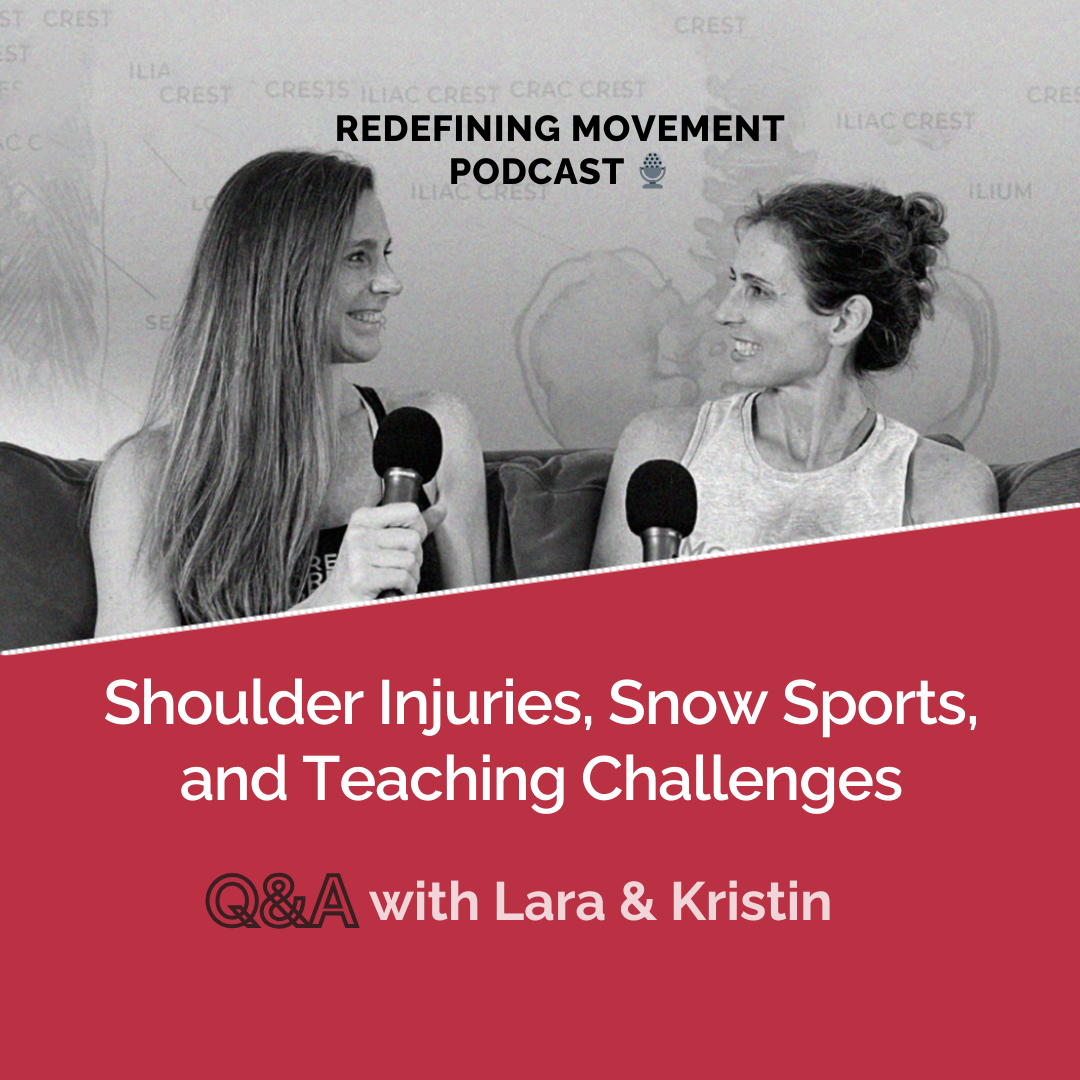
  • 711. Wednesday Q&A: Shoulder Injuries, Snow Sports, and Teaching Challenges

    711. Wednesday Q&A: Shoulder Injuries, Snow Sports, and Teaching Challenges


    In this Wednesday Q&A, we answer your questions about practicing with shoulder injuries like a a torn labrum, whether skiing or snowboarding might cause less injury, and the obstacles we face as yoga teachers. 

    Connect with Lara Heimann, The Redefining Movement Podcast, and LYT Daily:

    Today’s podcast sponsor:

    •  Almond Cow – Enjoy delicious non-dairy milk in minutes without having to leave your house! Use code LARA for a discount on your purchase.

    Follow the podcast:

  • To Stretch or not to Stretch? Is It Even a Question?

    To Stretch or not to Stretch? Is It Even a Question?

    Over the last 25 years or so, there has been a debate in the literature about the benefits of stretching before exercising.

    Back in my early athletic years, the thing to do before any sports activity was static stretching. We’d run a lap or two to warm up beforehand and then everyone hit the grass and did static stretching for 10-15 minutes. Around the time I was graduating from PT school, the general opinion was changing and static stretching before exercise was becoming all but taboo. However, it remained an integral part of a treatment session and any time I would stretch someone on the table, they would always tell me how great it felt and how they “wished they could take me home with them and do it every day”. Taking the evidence and my own professional experience into account, my opinion of static stretching began to evolve to a place where I still believed it had a place in people’s lives, but as part of a bigger picture. Just recently, I did a literature review of stretching to back up this claim and was pleased by what I found. 


    History tells us that people have been stretching for thousands of years and in many cultures. From the World Wars until the 1990’s, the general belief was that prolonged static stretching would improve athletic performance by increasing flexibility and range of motion and thereby improving movement economy. However, by the late 1990s and early 2000s, there was widespread evidence on the potential harmful effects of static stretching. A meta-analysis of the literature conducted on 104 studies in 2013 reported that prolonged static stretching negatively affected maximal strength and power performances, no matter the participant’s age, gender, or fitness level. Based on these results and others, several leading medical platforms changed their recommendations and stated that static stretching should be eliminated from any warm-up routine. Soon everyone was focused on dynamic stretching alone before an athletic endeavor.


    Nevertheless, I continued to believe there was a place for stretching in fitness and rehabilitation. In fact, in the summer of 2016 I created the Stretch class we now teach on LYT Daily in response to the very reactions I was receiving from clients and patients alike about how good they felt after being stretched. My goal with stretching was rarely to increase flexibility per se, but more as an assessment of soft tissue resistance and available joint range of motion. I also recognized the benefit that the sensation of stretching provides to the brain via mechanoreceptors in the muscles and tendons. I believed it was a great way for a person to learn more about their body and the story it was telling them within its tissues.   


    It seems the literature wasn’t far behind me. By 2019, the evidence was finding that static stretching itself was not the culprit of decreased strength and power. It was the duration the stretch was held that determined whether or not there were negative effects of static stretching prior to athletic activity. Across the board, these studies showed that stretches held for 60 seconds or less had no negative impact on power or strength, whereas stretches over 60 seconds did. So why does duration matter? In stretches held for over 60 seconds, there are short term changes in the neuromuscular response, including decreased motor unit activation (strength) and decreased maximal voluntary isometric torque (power). There is also evidence that long duration static stretching decreases muscle-tendon unit stiffness, which affects the length-tension relationship of the muscle, and thereby compromises the muscle’s ability to generate force/torque. However in the same stretches held for 60 seconds or less, no significant changes in motor until activation, maximal voluntary torque, or muscle tendon unit stiffness is seen. 


    Today, many researchers are recommending once again that we include short duration static stretching in a pre-exercise routine because it has the potential to lower the risk of sustaining musculotendinous injuries and does not have the previously perceived negative effect on strength and power. In addition to this, one study in particular reported their participants felt they were “more likely to perform well when stretching was part of the warm-up”, indicating a positive psychological benefit of stretching and an important component of optimal performance. My opinion on the matter is unchanged. I utilize static stretching both to treat my own injuries and to keep tabs on the general condition of the muscles, joints, and surrounding connective tissues over time and following activity. Combining regular gentle stretching with dynamic movement like we do in the LYT Method is an ideal way to move better and feel better longer. We get the best of both worlds, keeping our tissues strong and healthy while maintaining a steady conversation with our bodies through observation. If you’ve never tried one of my Stretch classes, you should join me or one of the other trained LYT Instructors on Saturday mornings from 9:30-10:30 am ET. You won’t regret it! Until then, I’ll see you on the mat.


    Xoxo,


    Kristin


    Chaabene H, Behm DG, Negra Y, Granacher U. Acute Effects of Static Stretching on Muscle Strength and Power: An Attempt to Clarify Previous Caveats. Front Physiol. 2019 Nov 29;10:1468.

    Behm, David G. The science and physiology of flexibility and stretching: implications and applications in sport performance and health. Routledge, 2018.

    Blazevich A. J., Gill N. D., Kvorning T., Kay A. D., Goh A. G., Hilton B., et al. (2018). No effect of muscle stretching within a full, dynamic warm-up on athletic performance. Med. Sci. Sports Exerc. 50, 1258–1266. 

    Simic L., Sarabon N., Markovic G. (2013). Does pre-exercise static stretching inhibit maximal muscular performance? A meta-analytical review. Scand. J. Med. Sci. Sports 23, 131–148.
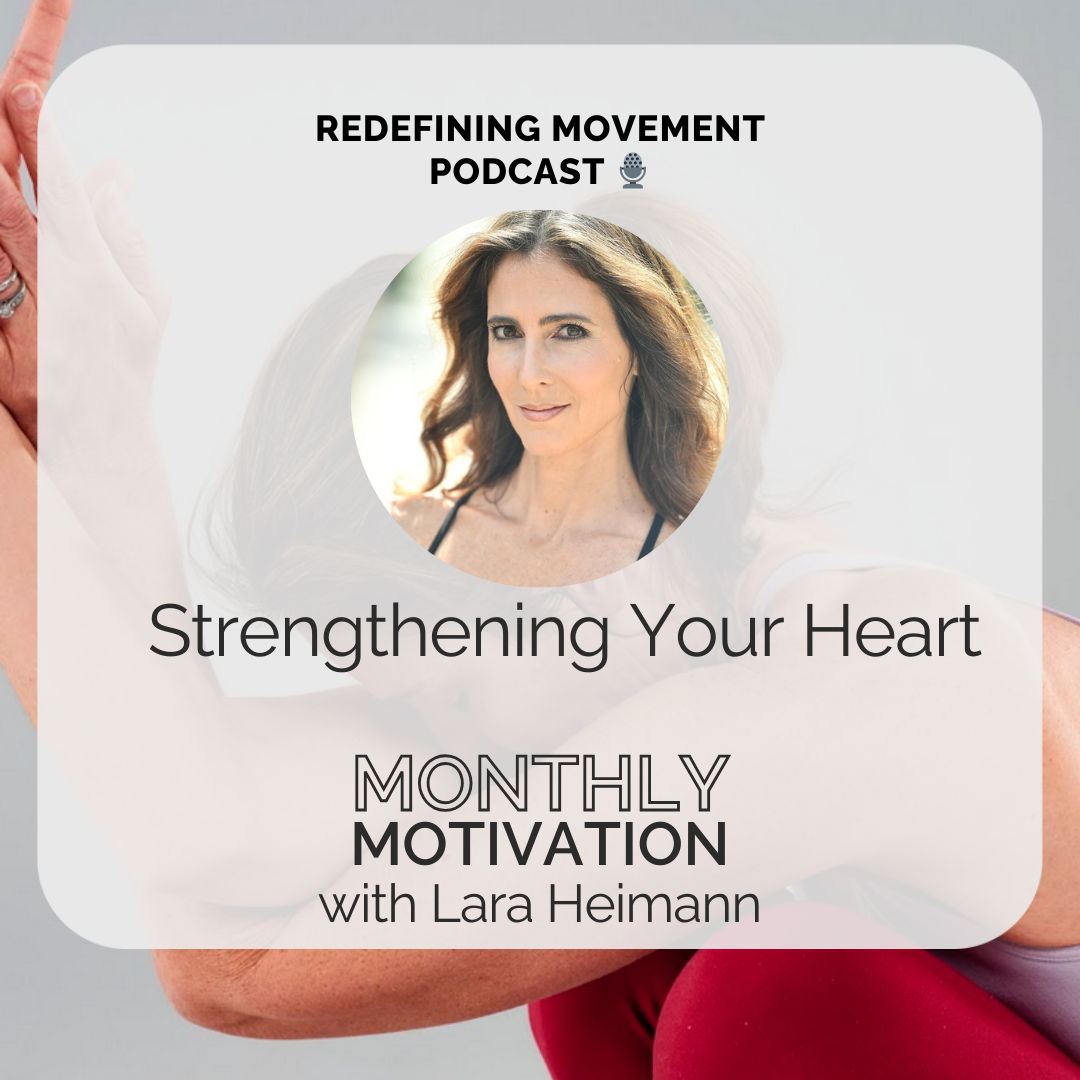
  • 710. Monthly Motivation: Strengthening Your Heart

    710. Monthly Motivation: Strengthening Your Heart


    This month, Lara deep dives into research about strengthening your heart regardless of your current fitness level to avoid medical bummers like stroke, cardiovascular disease, diabetes, and cancer. You’ll gain an understanding of the importance of staying in the right zone while exercising and what each zone does for your body. 


    In this episode, you will learn the following fundamentals to strengthening your heart, including:

    • How to strengthen your heart with specific zone levels for the best results.
    • Ways to decrease your biological age in spite of your chronological age.
    • What the experts say about increasing the efficiency of your exercise routine.


    Connect with Lara Heimann, The Redefining Movement Podcast, and LYT Daily:


    Today’s podcast sponsor: 

    Check out and sign up for LYT Daily and LYT Prime, including our 2-week and 1-week FREE trials, respectively, here:https://lytyoga.uscreen.io/


    Follow the podcast:

  • Tips for Replenishing and Recovering

    Tips for Replenishing and Recovering

    Have you ever felt drained and/or stressed and assumed that hanging out on the couch was the only way to fully recover?


    While genuine rest is essential for a balanced nervous system, it’s important to explore a variety of strategies for promoting a harmonious balance between mind and body. To experience the benefits of replenishing your metaphorical cup and recovering well from daily stressors, include some of these tips and see what works best for you!


    1) Embrace Regular Exercise
    We know that movement is medicine so stay moving by engaging in physical activities that resonate with you. Whether it’s yoga, jogging, or weight training, regular exercise not only enhances physical health but also boosts mood, reduces stress, and contributes to overall well-being. Moving your body in various ways with varying intensities provides numerous benefits for all systems in the body, which are all tied to maintaining our energetic resources. For the cardiovascular system, exercise enhances heart health, improves circulation, and lowers the risk of heart disease. Muscular and skeletal systems benefit from increased strength, flexibility, and bone density. The respiratory system improves with enhanced lung capacity and efficiency. Moving your body promotes mental well-being by releasing endorphins, reducing stress, and improving cognitive function. The brain loves movement! Not only does physical activity promote increased gray matter volume and improved connectivity between different brain regions, but it is also linked to neuroplasticity, the brain’s ability to reorganize and adapt. Could anything seem more replenishing and recovering than an adaptive brain?! (You can find more about brain benefits in the blog post “The Crucial Role of Challenges for Brain and Body”). Overall, regular exercise contributes to a holistic health approach, refilling your metaphorical cup by fostering physical, mental, and emotional well-being.

    2) Deep Breathing and Mindfulness
    The journey towards replenishment needs to include deep breathing exercises and mindfulness but you don’t necessarily need to implement these practices while sitting or in complete stillness. I love to practice mindful walking, paying attention to each step and feeling the ground beneath my feet as I observe the movement in my body. Practicing LYT is my favorite way to cultivate breathing and mindfulness during the core-focused creative movement; you know that you are not making a to-do list during one of our LYT Daily classes! I feel that LYT is the magical elixir that both energizes and calms my nervous system, providing the perfect recalibration and recovery. Some other ways to practice mindfulness include breath awareness where you focus on your breath, observing its rhythm and sensations, anchoring your attention to the present moment. You can conduct a body scan where you systematically bring attention to different parts of your body, noticing sensations without judgment. Following a guided meditation that leads you through breathing techniques like diaphragmatic breathing or box breathing can also hone your focus and stimulate the parasympathetic nervous system, fostering a sense of tranquility and balance. Ultimately, mindfulness is the practice of bringing one’s attention to the present moment, cultivating awareness without judgment. It involves focusing on thoughts, feelings, and sensations in the current experience, whether you are sitting or sweating with movement.


    3) Prioritize Quality Sleep
    Getting good ZZZZZ’s is a cornerstone of recovery, and we should aim for 7-9 hours of uninterrupted, quality sleep each night. Establish a relaxing pre-sleep routine, create a comfortable sleep environment, and avoid stimulants before bedtime to optimize your sleep cycle. For the ultimate calming pre-sleep routine, disconnect from electronic devices at least 30 minutes before bedtime which minimizes exposure to stimulating blue light, promoting better sleep and nervous system recovery. And remember that moving your body during the day prepares your body for a restful night of replenishing sleep! Our circadian pacemaker that guides our internal clock of sleep-wake cycles and various physiological processes is optimized with regular physical activity.


    4) Nature Connection
    Have you ever felt that big AHHHHH and exhale when you spend time in nature? Whether it’s a walk in the park or a hike in the woods, nature has a soothing effect that can positively impact your mental well-being and restore your energy. Nature has a profound impact on resetting the nervous system as natural environments have been linked to lower levels of cortisol, a stress hormone; the tranquility of nature helps decrease the production of these stress-related chemicals in the body. Nature promotes involuntary attention, allowing the brain’s directed attention (used for tasks) to rest. This “soft fascination” helps restore cognitive resources. Natural settings often induce a state of relaxation, activating the parasympathetic nervous system, counteracting the effects of chronic stress. The sensory richness of nature encourages mindfulness and being present. This shift away from rumination about the past or worries about the future contributes to mental well-being. Exposure to nature has also been associated with improved mood and reduced symptoms of anxiety and depression. The beauty and serenity of natural surroundings contribute to positive emotions. Being in natural environments aligns with our evolutionary history, promoting a sense of well-being because of our evolved innate connection with nature. In other words, nature brings us home, and like feeling at home in our body, nature can bring a feeling of safety and security that resets our nervous system. Maximize this benefit by leaving your devices behind; taking a digital detox can help reduce mental fatigue and support your overall well-being.


    5) Manual Therapies for Release

    Touch can be an overlooked and under appreciated tool for therapeutic wellness. At a physiological level, massage and fascial therapy can contribute to replenishing and promoting recovery by increasing blood flow to the targeted muscles and tissues and this enhanced circulation helps deliver more oxygen and nutrients to the cells, promoting healing and recovery. Massage can also release the perception of tension in muscles, promoting relaxation while additionally triggering the release of endorphins, the body’s natural painkillers and mood elevators. Both massage and fascial therapy support replenishment and recovery by improving blood circulation, promoting muscle relaxation, releasing endorphins, facilitating lymphatic drainage, reducing stress, and enhancing joint mobility. While receiving bodywork can be incredible therapy for mind and body, you can also benefit from self-massage and fascial mobilization techniques by using props like blocks, bolsters, balls, towels, rollers, and your own hands! Soft tissue work is one of my favorite ways to reinvigorate and refresh my brain-body connection and I often include the use of these props and mobilizations in my classes. In the Soothe Series on the LYT Daily, I also demonstrate Emotional Freedom Techniques (EFT), where light tapping on specific acupressure points of the body alleviates stress and promote relaxation. The tapping can soothe the nervous system, inviting a relaxation response to recover from stress.

    These replenishing tips are my personal potpourri of targeted strategies for creating a supportive environment for recovering in the nervous system. In different ways, they foster a sense of calm empowerment and generate varied pathways to find home.

  • The Crucial Role of Challenges for Brain and Body

    The Crucial Role of Challenges for Brain and Body

    In your LYT practice, have you ever felt frustrated by the challenges on the mat?

    I encourage you to embrace the experience, knowing that being challenged is the key feature for growth, resilience, and vitality. In the intricate tapestry of human brain development, challenges act as catalysts, propelling cognitive growth and shaping resilient minds. Embracing and overcoming them is not merely a testament to one’s abilities; it’s a fundamental process that fortifies the brain in remarkable ways.

    Let’s dive deeper into the ‘WHY’ we promote growth through challenges on the mat that carryover into daily life and overall wellbeing.


    When faced with challenges, the brain activates its remarkable ability known as neuroplasticity—the brain’s capacity to reorganize itself by forming new neural connections. Challenges provide the stimuli necessary for these connections to thrive, fostering adaptability and enhancing overall cognitive function. Challenges require problem-solving and critical thinking, leading to the strengthening of neural connections. This process, known as synaptic pruning, refines the brain’s circuitry, discarding unnecessary connections and reinforcing those crucial for efficient information processing. Challenges are not only cognitive hurdles, but also emotional and psychological tests as overcoming obstacles builds resilience, teaching individuals how to navigate adversity. This resilience extends beyond the immediate challenge, preparing the brain to face future uncertainties with a more robust and composed mindset.


    Beyond the confines of intellectual pursuits, the intricate dance between body and brain reveals a profound connection.

    Engaging in physical challenges doesn’t just sculpt muscles; it actively nurtures and grows the brain!


    The symbiotic relationship between physical activity and cognitive development is a testament to the holistic nature of human well-being. Physical challenges spark the process of neurogenesis, the creation of new neurons in the brain. Physical challenges stimulate the brain to create new synapses and strengthen existing connections and this heightened connectivity allows for more efficient communication between different brain regions, contributing to improved coordination, spatial awareness, and overall cognitive agility. The physical stress induced by challenging activities also triggers the brain to release neurochemicals that combat stress and promote a sense of well-being. This stress resilience not only contributes to mental health but also shields the brain from the detrimental effects of chronic stress, fostering long-term cognitive health. Physical challenges also lead to the release of neurotransmitters like dopamine and serotonin, often referred to as “feel-good” chemicals. These neurotransmitters play a crucial role in regulating mood, motivation, and overall mental well-being, creating an environment conducive to optimal brain function. Just as the brain exhibits plasticity in response to cognitive challenges, it demonstrates a similar adaptability when faced with physical challenges. This dual plasticity enriches the brain’s capacity for learning, problem-solving, and adjusting to new environments. Regular physical challenges have been shown to positively impact cognitive performance; whether it’s aerobic exercise, LYT movement, strength training, and/or coordination-based activities, the brain responds by becoming more efficient in tasks such as memory retention, problem-solving, and attention to detail. When we move around the mat-varying the planes of motion, the demands on the different muscles, and challenging our neuromotor coordination with creative sequences, we improve our lives off the mat as well. Our LYT practice truly has a profound and beneficial carryover into daily life! 


    In a world that constantly evolves, this holistic adaptability is a prized trait. Challenges force the brain to adapt to new circumstances, promoting a growth mindset. This adaptability is not only beneficial for personal development but is also crucial in navigating an ever-changing global landscape. Successfully overcoming challenges instills a sense of accomplishment and boosts confidence. This sense of achievement contributes to the development of self-efficacy, the belief in one’s ability to tackle future challenges.  Remember that feeling a struggle on the mat is good! It stimulates the brain to pay attention and enhances the interplay between the different regions of the brain. In essence, challenges are the sculptors of a resilient, agile, and intellectually vibrant brain. They propel individuals toward growth, fostering not only cognitive development but also emotional intelligence and physical adaptability. As we navigate the colorful journey of life, it becomes evident that challenges are not roadblocks but stepping stones, guiding us towards a more enriched and empowered state of being.


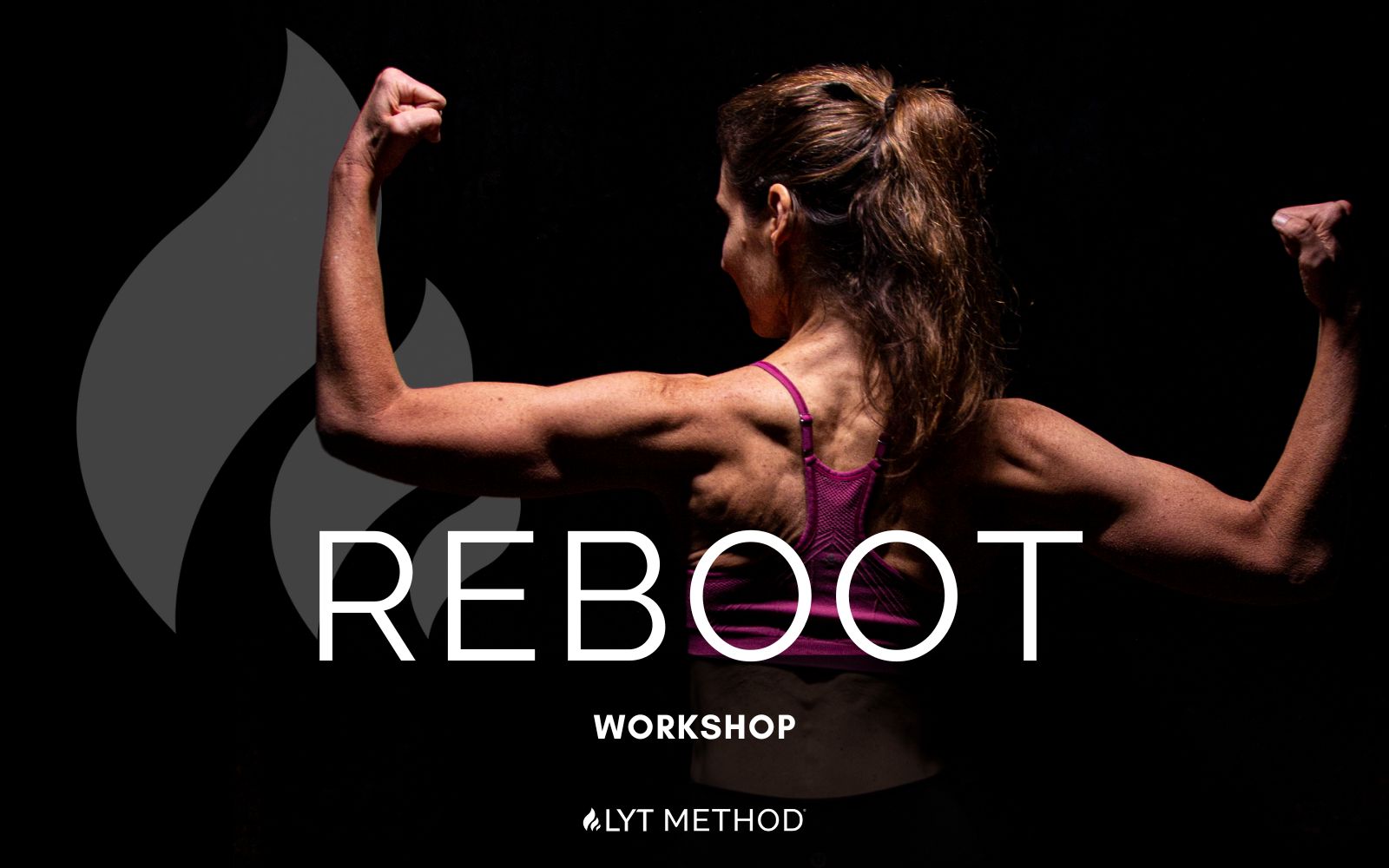
    Challenging the body is an intricate choreography that shapes not only physical prowess but also the very fabric of the brain and highlights the holistic nature of the mind-body intersection. A confident mind is more open to exploration and continuous learning and confidence is grown like a muscle-through challenge! When we embrace physical challenges, we embark on a journey that not only strengthens our muscles but also nurtures the growth of a vibrant and resilient brain. Are you convinced of the benefits of being challenged?! Try my workshop “Reboot” as a clear example of how to activate the body and brain and to feel fully LYT UP!!

  • The Psoas: Unraveling the Emotional Tapestry of Your Core

    The Psoas: Unraveling the Emotional Tapestry of Your Core

    In the intricate dance between mind and body, certain muscles play a crucial role not only in physical well-being but also in the realm of emotions. One such hidden gem nestled deep within our core is the psoas muscle. Often overlooked, the psoas is more than just a physical connector—it’s an emotional muscle that weaves the tapestry of our feelings and experiences.


    The Anatomy of the Psoas:


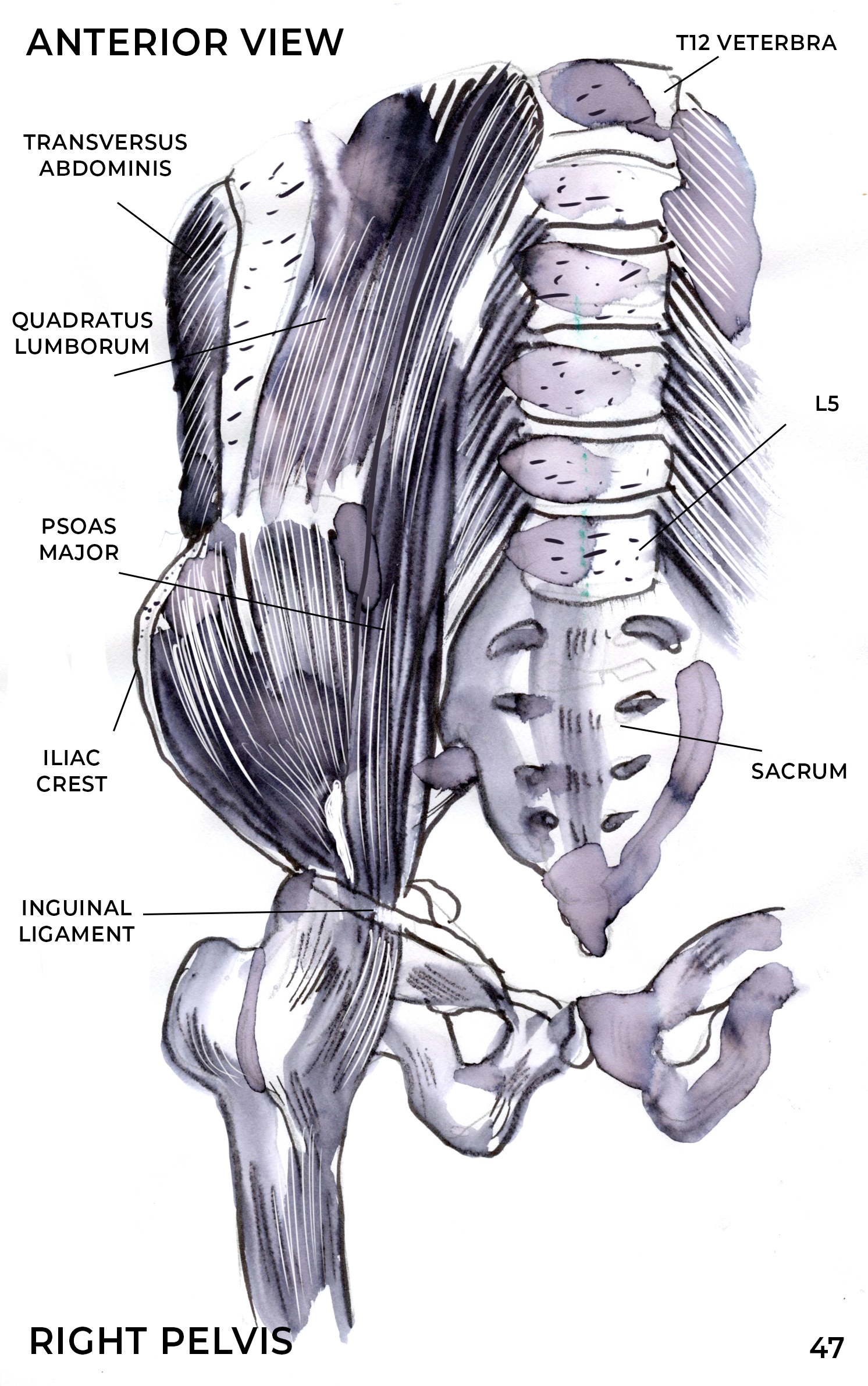
    The psoas major, or simply the psoas, is a long muscle located on either side of the spine, connecting the lumbar vertebrae to the femur. Its primary function is to flex the hip joint, as well as stabilizing the lumbar spine, but its influence extends far beyond mere movement. This muscle is intricately linked to our emotional well-being.


    The Psoas as a Storehouse of Emotions:


    The Seat of the Soul: Often referred to as the “muscle of the soul” or the “emotional muscle,” the psoas is believed to store emotional trauma and stress. As we navigate life’s ups and downs, the psoas contracts and tightens, holding onto the emotional residue of our experiences.


    Fight or Flight Response: The psoas is closely tied to the body’s fight or flight response. When we encounter stress, whether physical or emotional, the psoas tightens as a protective mechanism. Unfortunately, in our modern lives, chronic stress can cause the psoas to remain in a constant state of tension. Tension in the jaw, chest, clenching of the fists, sharp gasps of inhale, they are all related to this state of hyperactive nervous system stress. Pain or trauma whether physical or emotional can cause our bodies to remain in the state of stress, far after the actual threat has passed. The constant prolonged restriction in this area can lead to hip, knee or low back pain later down the road. 


    Connection to the Nervous System: The psoas is intricately linked to the autonomic nervous system, which regulates involuntary bodily functions. As a result, the state of our psoas can influence our overall nervous system balance, impacting our emotional state and responses to stress.


    Releasing Emotional Tension:


    Mindful Movement Practices: Incorporating mindful movement practices such as yoga or Pilates can help release tension stored in the psoas. Gentle stretches and poses that focus on the hip flexors can promote relaxation and emotional release. While the ability to relax is important, many muscles that are tight and tense, are also weak. Both strengthening and lengthening the psoas tissues to ensure optimal suppleness of the tissue is the true secret to release.


    Breathwork: The breath is a powerful tool for unlocking the psoas and releasing emotional tension. Mindful breathing exercises can help bring awareness to the core, allowing for a deeper connection to and release of stored emotions.


    Body-Mind Connection: Recognizing the emotional aspects of the psoas creates an opportunity for a holistic approach to well-being. Practices such as meditation and body awareness exercises can foster a deeper connection between the mind and the psoas, promoting emotional release and balance.


    The great news is that we incorporate all of these elements into our LYT practice. I like to describe it as a moving meditation, where we pay special attention to each and every movement throughout the practice. We focus on what is holding, what is mobilizing, creating that mind-body connection. We use the breath to create space and promote proper core engagement and contraction. We work the psoas both to strengthen and to stretch and lengthen. Some classes even include one of my favorite ways to provide deep release—lying on your belly with a block underneath you, just above your two front hip points. This simulates a manual deep release, such as myofascial release, which I also practice and receive myself and find extremely beneficial for providing release to this area of the body.


    As we navigate the complex interplay of emotions and physicality, understanding the role of the psoas as an emotional muscle can be transformative. By cultivating awareness of this hidden gem within our core, we open the door to a deeper understanding of ourselves and the potential for emotional healing. So, let’s embark on a journey of self-discovery, unraveling the emotional tapestry woven within the intricate fibers of the psoas.

  • 704. Wednesday Q&A: Movement Motivation, Overcoming Ego, and Knowing Your Body in Practice

    704. Wednesday Q&A: Movement Motivation, Overcoming Ego, and Knowing Your Body in Practice


    Welcome to Wednesday Q&A, where you ask questions, and we answer them!

    In this Wednesday Q&A, we answer your questions about:

    How to find motivation for movement when it’s difficult, handling your ego as a teacher, and how to listen to your body as you practice.

    Connect with Lara Heimann, The Redefining Movement Podcast, and LYT Daily:

    Today’s podcast sponsor: 

    Herbal Face Food – Reverse sun damage and tighten the skin on your face with one of my favorite magical products, Herbal Face Food. Enter the code ‘LARA’ for 20% off!

    Follow the podcast:

  • 703. Personalizing Yoga for Your Busy Schedule with Brett Larkin of Uplifted Yoga

    703. Personalizing Yoga for Your Busy Schedule with Brett Larkin of Uplifted Yoga


    Brett Larkin, Founder and CEO of Uplifted Yoga, discovered gaps in how modern yoga practices are taught today. It often doesn’t take into account our busy lives or even our unique anatomies. 

    In her effort to help people who don’t believe that a yoga practice is for them for one reason or another, she’s ready to share what she’s learned about yoga history in her latest book, Yoga Life: Habits, Poses, and Breathwork to Channel Joy Amidst the Chaos.

    In this episode of Redefining Movement, Brett takes us on a quick tour of how modern yoga practices came to be and why it isn’t always about following poses strictly. In fact, she encourages you to explore and find what truly works for you and your body. 


    In this episode, you’ll learn the following:

    • There’s no right or wrong way to practice yoga. It’s rooted in personalizing the practice for your specific needs and body.
    • Yoga is a physical practice and also a mindset you inhabit.
    • You don’t need a long yoga session to experience its benefits if you understand what your body needs at the moment.


    Guest Resources


    Connect with Lara Heimann, The Redefining Movement Podcast, and LYT Daily:


    Today’s podcast sponsor:

    LYT Method – Sign up for our newsletter and to get your LYT Method trial. 


    Follow the podcast: