Tag: physical therapy

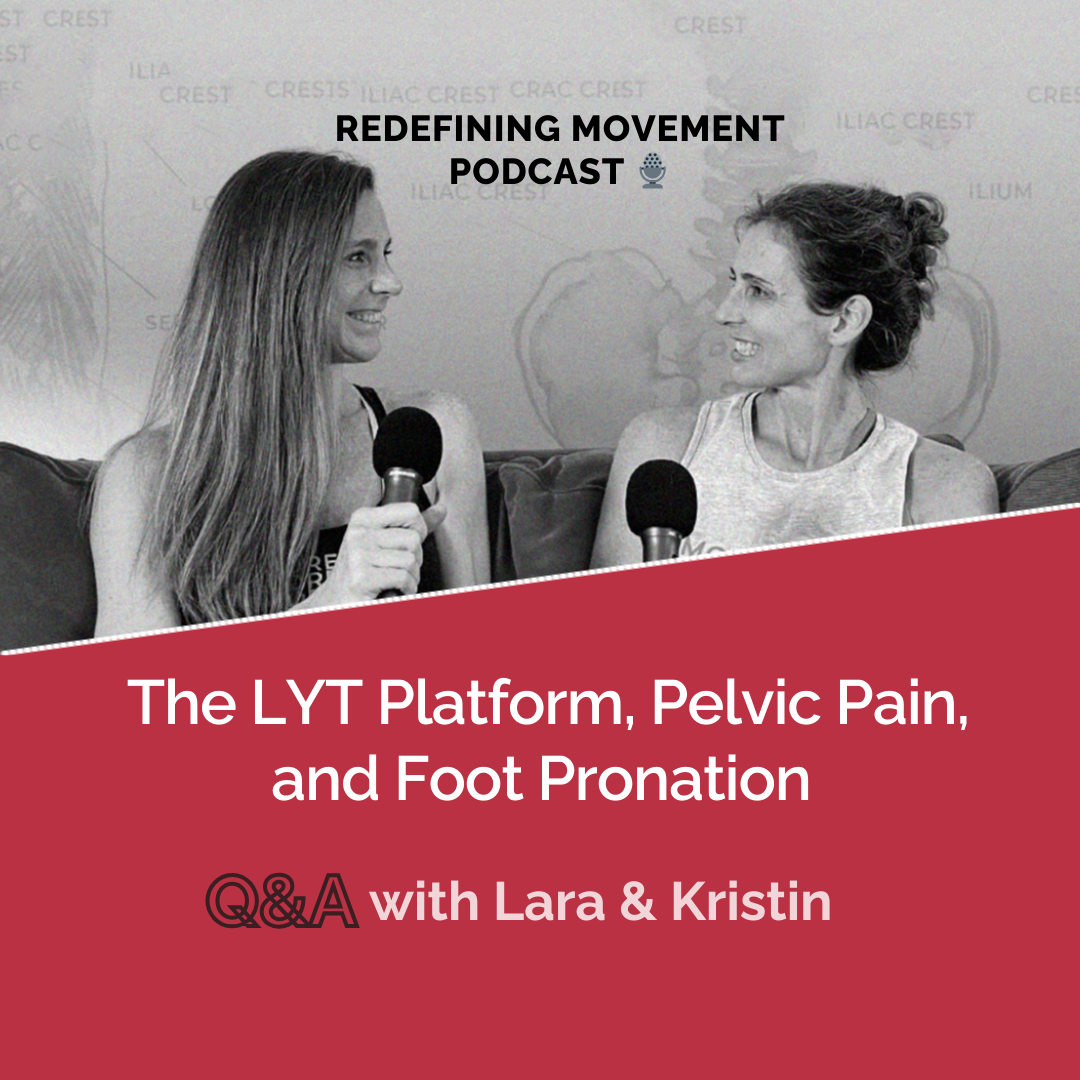
  • 713. Wednesday Q&A: The LYT Platform, Pelvic Pain, and Foot Pronation

    713. Wednesday Q&A: The LYT Platform, Pelvic Pain, and Foot Pronation


    In this Wednesday Q&A, we answer your questions about getting started in the LYT platform, dealing with hip and groin pain when physical therapy isn’t working, and how to train your body to relieve knee pain caused by foot pronation.


    Connect with Lara Heimann, The Redefining Movement Podcast, and LYT Daily:


    Today’s podcast sponsor:

    Herbal Face Food – Tighten your skin and reverse sun damage with this vegan and organic potion! Enter code LARA20 at checkout for 20% off.


    Follow the podcast:

  • Injury Prevention: Strategies for a LYT Life

    Injury Prevention: Strategies for a LYT Life

    Injuries are a common concern in various aspects of life, whether in sports, everyday activities, or the workplace. However, many of these injuries are preventable with the right knowledge and practices. We at LYT believe that with biomechanical intelligence and a sharper connection between brain and body, we can employ injury prevention strategies and tips to minimize the risk of injury in our practice and in daily life. Most of us know that maintaining overall physical fitness, including strength, flexibility, balance, and endurance, is essential for injury prevention. But understanding your body and biomechanics is the potent ingredient for movement longevity; we want to move often, move well, and move for many decades to come. In our online LYT Daily classes and yoga teacher training, we emphasize the importance of optimal body mechanics with postural awareness to reduce the risk of strains, sprains, and other injuries so we can feel more at home in our bodies and experience joy and energy in our lives! Understanding the WHY, not just the HOW behind movement is key for injury prevention.


    Here are some practical tips for injury prevention:

    1) Incorporate warm-up exercises before engaging in physical activity to prepare the body for exertion and prime the brain-body connection.
    This first step gets the body online quicker and more effectively and facilitates muscle recovery, reducing the risk of strains and muscle imbalances. Our LYT RESET is an excellent way to prime the body and brain for movement and it can be performed prior to other athletics off the mat just as it is done in the blueprint of our LYT practice.
    2) Learn and practice proper techniques for specific activities, whether it’s lifting heavy objects, running, or playing sports, to help prevent overuse injuries and improve performance efficiency.

    In LYT, we emphasize postural awareness and alignment because posture is how we hold ourselves and our energy, setting the scaffolding upon which movement takes place; sound biomechanics maintain joint integrity, balanced muscle activation and leads to more movement efficiency. Excessive energy expenditure can be a root cause of muscle fatigue and/or lack of proper form. When we live with more postural awareness, we are more likely to brain map optimal movement and loading patterns that sustain us in our daily activities.

    3) Gradually increase the intensity, duration, or complexity of physical activities, allowing the body to adapt and reduce the risk of overuse injuries, such as stress fractures or tendonitis.

    It’s important to start slow and with small doses when beginning a new exercise or way of training.

    4) Prioritize varied movement that includes strength training, flexibility exercises, and mobility work.

    Movement variability is key for maintaining and improving joint range of motion and sufficient tissue pliability (fascial fitness) which promotes a more balanced body in motion.  In our LYT classes, we intentionally move in a variety of directions and throughout small and larger ranges of motion with dynamic core stability to ensure our body is more durable. This variability leads to heightened movement intelligence and fluidity, making us more adaptable on and off the mat.

    5) Include neuromuscular training exercises into your workout routine to improve proprioception, balance, and coordination.
    Exercises that include core stability, single-leg squats, balance drills, and agility drills can help enhance neuromuscular control and reduce the risk of injuries. The adaptable nervous system plays a significant role in preventing injuries through proprioceptive feedback, which is the nervous system’s ability to sense the position and movement of muscles and joints in space. Proprioceptors help maintain balance, coordination, and proper movement mechanics, reducing the risk of falls and traumatic injuries. The nervous system also regulates muscle activation and coordination, ensuring proper muscle firing sequences and joint stabilization during movements, which can prevent overuse injuries and improve biomechanics. Rapid reflex responses initiated by the nervous system can protect against injury by quickly stabilizing joints or adjusting body positioning in response to unexpected stimuli or sudden changes in movement. Fun fact: The core muscles are rich in proprioceptors! The core muscles, which include muscles such as the transversus abdominis, multifidus, pelvic floor muscles, deep muscles of the spine and scapulae, are responsible for providing stability and support to the spine and pelvis. These muscles are engaged in maintaining proper posture, stabilizing the spine during movement, and transferring forces between the upper and lower body. There are more proprioceptors in the core postural muscles compared to other muscles in the body for stability requirements, fine motor control, protection of vital organs, and overall functional performance. The core muscles are engaged to provide stability to the spine and pelvis, especially during dynamic movements and weight-bearing activities. The higher demand for stability necessitates a greater concentration of proprioceptors to provide accurate feedback to the brain about changes in position and movement. The core muscles require precise coordination and control to maintain proper alignment and stability so the presence of a larger number of proprioceptors allow for more refined motor control, enabling the core muscles to respond quickly and efficiently to changes in posture and movement. Because the core region houses vital organs such as the spine, spinal cord, and internal organs, the presence of a dense network of proprioceptors in the core muscles helps to protect these structures by providing early warning signals in response to potentially harmful movements or positions. The core muscles are involved in virtually every movement performed by the body, from simple tasks like bending and lifting to complex athletic movements. The abundance of proprioceptors in these muscles ensures that the body maintains proper alignment and stability during a wide range of activities, reducing the risk of injury and improving overall performance. And that is why we believe that MORE CORE is the answer!


    Injury prevention is a multifaceted endeavor that requires a combination of education, awareness, proactive measures, and responsible behavior. By implementing the principles and practical tips on which we educate and implement in our LYT Daily online platform, individuals can significantly reduce their risk of injuries and enjoy a safer and healthier lifestyle. From a physical therapist’s perspective, think of your daily movement practice as prehab, preparing and conditioning you to avoid injuries and rehab. Prevention is always better than cure and investing in injury prevention measures can yield long-term benefits for overall well-being and quality of life. You deserve it! Check out our Start Here series on the online platform if you are newer to movement or LYT, or simply want a movement tune-up with education. Finally, remember to listen to your body and seek guidance from qualified professionals when needed for long-term injury prevention.


    – References for further reading
    1. “Effects of warm-up exercises on physical performance: A systematic review with meta-analysis” by Fradkin et al. (2010). This study found that incorporating warm-up exercises before physical activity can enhance performance and reduce the risk of injury.

    2. “The association between technique factors and injury incidence in recreational runners” by Nielsen et al. (2014). This study highlights the importance of proper running technique in preventing injuries among recreational runners.

    3.  “The role of training volume and intensity in injury causation” by Hreljac (2004). This study suggests that gradual progression of training volume and intensity can help reduce the risk of overuse injuries in athletes.

    4.  “The effects of cross-training on fitness and injury in women” by Hilyer et al. (2012). This study demonstrates that cross-training can improve fitness levels and reduce the risk of injuries in women participating in various sports activities.

    5.”Strength training for injury prevention in adults: A systematic review” by Lauersen et al. (2018). This systematic review concludes that strength training programs can effectively reduce the risk of sports-related injuries in adults.

    6. “The Effects of Core Stability Training on Balance and Proprioception in Female Volleyball Players”**
      – Authors: Saad M. Alsaif, Osama Abdelraouf, Tarek M. Abdelkafy, and Shae McGuire
      – Published in: Journal of Physical Therapy Science, 2015
     This study investigates the impact of core stability training on balance and proprioception in female volleyball players. The findings suggest that core stability training significantly improves both balance and proprioception, which are essential for injury prevention and performance enhancement in athletes.

    7. “Core Stability Training for Injury Prevention”**
      – Authors: Willson JD, Dougherty CP, Ireland ML, and Davis IM
      – Published in: Sports Health: A Multidisciplinary Approach, 2005
      This review article examines the role of core stability training in injury prevention among athletes. It discusses how core stability exercises can enhance proprioception and neuromuscular control, leading to reduced injury risk in various sports and activities.

    8. “The Relationship between Core Stability and Performance in Division I Football Players”**
      – Authors: Okada T, Huxel KC, and Nesser TW
      – Published in: Journal of Strength and Conditioning Research, 2011
      This study explores the relationship between core stability and athletic performance in Division I football players. It highlights the importance of core stability training in improving proprioception, reducing injury incidence, and enhancing functional performance on the field.

    9.  “Effects of Core Stability Training on Knee Pain and Proprioception in Female Athletes with Patellofemoral Pain Syndrome”**
      – Authors: Lee JH, Cynn HS, Yoon TL, and Choi SA
      – Published in: Journal of Physical Therapy Science, 2016
      This research investigates the effects of core stability training on knee pain and proprioception in female athletes with patellofemoral pain syndrome (PFPS). The study demonstrates that core stability exercises contribute to improved proprioception and reduced knee pain, thereby aiding in injury prevention and rehabilitation.

    10. “Effects of Core Stability Training on Lower Limb Kinematics and Vertical Jump Performance in Healthy Individuals”**
      – Authors: Behm DG, Drinkwater EJ, Willardson JM, and Cowley PM
      – Published in: The Journal of Sports Medicine and Physical Fitness, 2010
      This study assesses the effects of core stability training on lower limb kinematics and vertical jump performance in healthy individuals. It highlights how core stability exercises can enhance proprioceptive feedback, optimize movement patterns, and mitigate the risk of lower limb injuries during athletic activities.

  • 711. Wednesday Q&A: Shoulder Injuries, Snow Sports, and Teaching Challenges

    711. Wednesday Q&A: Shoulder Injuries, Snow Sports, and Teaching Challenges


    In this Wednesday Q&A, we answer your questions about practicing with shoulder injuries like a a torn labrum, whether skiing or snowboarding might cause less injury, and the obstacles we face as yoga teachers. 

    Connect with Lara Heimann, The Redefining Movement Podcast, and LYT Daily:

    Today’s podcast sponsor:

    •  Almond Cow – Enjoy delicious non-dairy milk in minutes without having to leave your house! Use code LARA for a discount on your purchase.

    Follow the podcast:

  • To Stretch or not to Stretch? Is It Even a Question?

    To Stretch or not to Stretch? Is It Even a Question?

    Over the last 25 years or so, there has been a debate in the literature about the benefits of stretching before exercising.

    Back in my early athletic years, the thing to do before any sports activity was static stretching. We’d run a lap or two to warm up beforehand and then everyone hit the grass and did static stretching for 10-15 minutes. Around the time I was graduating from PT school, the general opinion was changing and static stretching before exercise was becoming all but taboo. However, it remained an integral part of a treatment session and any time I would stretch someone on the table, they would always tell me how great it felt and how they “wished they could take me home with them and do it every day”. Taking the evidence and my own professional experience into account, my opinion of static stretching began to evolve to a place where I still believed it had a place in people’s lives, but as part of a bigger picture. Just recently, I did a literature review of stretching to back up this claim and was pleased by what I found. 


    History tells us that people have been stretching for thousands of years and in many cultures. From the World Wars until the 1990’s, the general belief was that prolonged static stretching would improve athletic performance by increasing flexibility and range of motion and thereby improving movement economy. However, by the late 1990s and early 2000s, there was widespread evidence on the potential harmful effects of static stretching. A meta-analysis of the literature conducted on 104 studies in 2013 reported that prolonged static stretching negatively affected maximal strength and power performances, no matter the participant’s age, gender, or fitness level. Based on these results and others, several leading medical platforms changed their recommendations and stated that static stretching should be eliminated from any warm-up routine. Soon everyone was focused on dynamic stretching alone before an athletic endeavor.


    Nevertheless, I continued to believe there was a place for stretching in fitness and rehabilitation. In fact, in the summer of 2016 I created the Stretch class we now teach on LYT Daily in response to the very reactions I was receiving from clients and patients alike about how good they felt after being stretched. My goal with stretching was rarely to increase flexibility per se, but more as an assessment of soft tissue resistance and available joint range of motion. I also recognized the benefit that the sensation of stretching provides to the brain via mechanoreceptors in the muscles and tendons. I believed it was a great way for a person to learn more about their body and the story it was telling them within its tissues.   


    It seems the literature wasn’t far behind me. By 2019, the evidence was finding that static stretching itself was not the culprit of decreased strength and power. It was the duration the stretch was held that determined whether or not there were negative effects of static stretching prior to athletic activity. Across the board, these studies showed that stretches held for 60 seconds or less had no negative impact on power or strength, whereas stretches over 60 seconds did. So why does duration matter? In stretches held for over 60 seconds, there are short term changes in the neuromuscular response, including decreased motor unit activation (strength) and decreased maximal voluntary isometric torque (power). There is also evidence that long duration static stretching decreases muscle-tendon unit stiffness, which affects the length-tension relationship of the muscle, and thereby compromises the muscle’s ability to generate force/torque. However in the same stretches held for 60 seconds or less, no significant changes in motor until activation, maximal voluntary torque, or muscle tendon unit stiffness is seen. 


    Today, many researchers are recommending once again that we include short duration static stretching in a pre-exercise routine because it has the potential to lower the risk of sustaining musculotendinous injuries and does not have the previously perceived negative effect on strength and power. In addition to this, one study in particular reported their participants felt they were “more likely to perform well when stretching was part of the warm-up”, indicating a positive psychological benefit of stretching and an important component of optimal performance. My opinion on the matter is unchanged. I utilize static stretching both to treat my own injuries and to keep tabs on the general condition of the muscles, joints, and surrounding connective tissues over time and following activity. Combining regular gentle stretching with dynamic movement like we do in the LYT Method is an ideal way to move better and feel better longer. We get the best of both worlds, keeping our tissues strong and healthy while maintaining a steady conversation with our bodies through observation. If you’ve never tried one of my Stretch classes, you should join me or one of the other trained LYT Instructors on Saturday mornings from 9:30-10:30 am ET. You won’t regret it! Until then, I’ll see you on the mat.


    Xoxo,


    Kristin


    Chaabene H, Behm DG, Negra Y, Granacher U. Acute Effects of Static Stretching on Muscle Strength and Power: An Attempt to Clarify Previous Caveats. Front Physiol. 2019 Nov 29;10:1468.

    Behm, David G. The science and physiology of flexibility and stretching: implications and applications in sport performance and health. Routledge, 2018.

    Blazevich A. J., Gill N. D., Kvorning T., Kay A. D., Goh A. G., Hilton B., et al. (2018). No effect of muscle stretching within a full, dynamic warm-up on athletic performance. Med. Sci. Sports Exerc. 50, 1258–1266. 

    Simic L., Sarabon N., Markovic G. (2013). Does pre-exercise static stretching inhibit maximal muscular performance? A meta-analytical review. Scand. J. Med. Sci. Sports 23, 131–148.
  • 707. Wednesday Q&A: Posture, Face Yoga, and Becoming an Expert

    707. Wednesday Q&A: Posture, Face Yoga, and Becoming an Expert

    707. Wednesday Q&A: Posture, Face Yoga, and Becoming an Expert


    In this Wednesday Q&A, we answer your questions about maintaining good posture as an elementary teacher, how to do face yoga in everyday life, and the best ways to clearly define yourself in the fitness/wellness market.


    Connect with Lara Heimann, The Redefining Movement Podcast, and LYT Daily:


    Today’s podcast sponsor:

    Almond Cow – Enjoy delicious non-dairy milk in minutes without having to leave your house! Use code LARA for a discount on your purchase.


    Follow the podcast:

  • The Psoas: Unraveling the Emotional Tapestry of Your Core

    The Psoas: Unraveling the Emotional Tapestry of Your Core

    In the intricate dance between mind and body, certain muscles play a crucial role not only in physical well-being but also in the realm of emotions. One such hidden gem nestled deep within our core is the psoas muscle. Often overlooked, the psoas is more than just a physical connector—it’s an emotional muscle that weaves the tapestry of our feelings and experiences.


    The Anatomy of the Psoas:


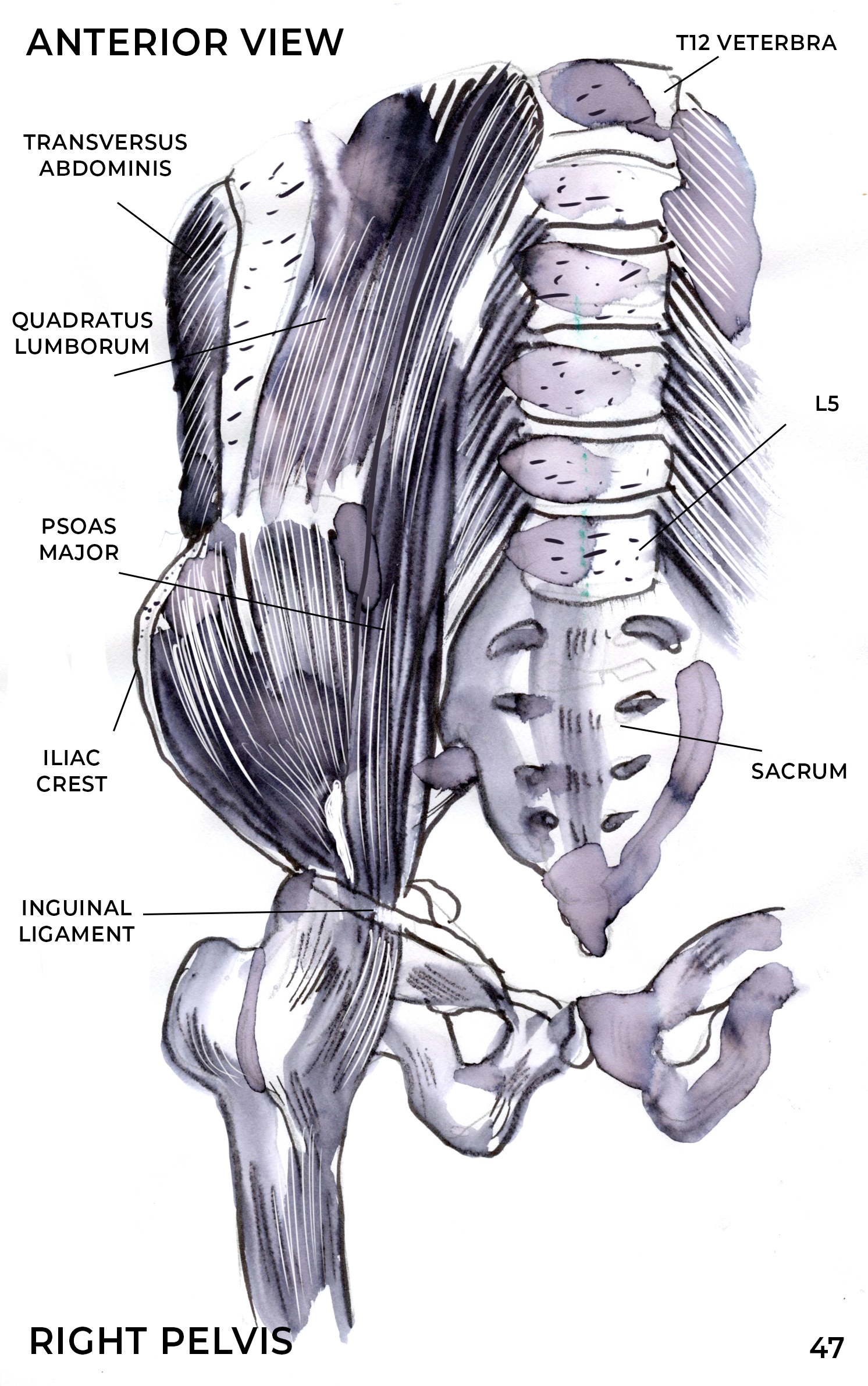
    The psoas major, or simply the psoas, is a long muscle located on either side of the spine, connecting the lumbar vertebrae to the femur. Its primary function is to flex the hip joint, as well as stabilizing the lumbar spine, but its influence extends far beyond mere movement. This muscle is intricately linked to our emotional well-being.


    The Psoas as a Storehouse of Emotions:


    The Seat of the Soul: Often referred to as the “muscle of the soul” or the “emotional muscle,” the psoas is believed to store emotional trauma and stress. As we navigate life’s ups and downs, the psoas contracts and tightens, holding onto the emotional residue of our experiences.


    Fight or Flight Response: The psoas is closely tied to the body’s fight or flight response. When we encounter stress, whether physical or emotional, the psoas tightens as a protective mechanism. Unfortunately, in our modern lives, chronic stress can cause the psoas to remain in a constant state of tension. Tension in the jaw, chest, clenching of the fists, sharp gasps of inhale, they are all related to this state of hyperactive nervous system stress. Pain or trauma whether physical or emotional can cause our bodies to remain in the state of stress, far after the actual threat has passed. The constant prolonged restriction in this area can lead to hip, knee or low back pain later down the road. 


    Connection to the Nervous System: The psoas is intricately linked to the autonomic nervous system, which regulates involuntary bodily functions. As a result, the state of our psoas can influence our overall nervous system balance, impacting our emotional state and responses to stress.


    Releasing Emotional Tension:


    Mindful Movement Practices: Incorporating mindful movement practices such as yoga or Pilates can help release tension stored in the psoas. Gentle stretches and poses that focus on the hip flexors can promote relaxation and emotional release. While the ability to relax is important, many muscles that are tight and tense, are also weak. Both strengthening and lengthening the psoas tissues to ensure optimal suppleness of the tissue is the true secret to release.


    Breathwork: The breath is a powerful tool for unlocking the psoas and releasing emotional tension. Mindful breathing exercises can help bring awareness to the core, allowing for a deeper connection to and release of stored emotions.


    Body-Mind Connection: Recognizing the emotional aspects of the psoas creates an opportunity for a holistic approach to well-being. Practices such as meditation and body awareness exercises can foster a deeper connection between the mind and the psoas, promoting emotional release and balance.


    The great news is that we incorporate all of these elements into our LYT practice. I like to describe it as a moving meditation, where we pay special attention to each and every movement throughout the practice. We focus on what is holding, what is mobilizing, creating that mind-body connection. We use the breath to create space and promote proper core engagement and contraction. We work the psoas both to strengthen and to stretch and lengthen. Some classes even include one of my favorite ways to provide deep release—lying on your belly with a block underneath you, just above your two front hip points. This simulates a manual deep release, such as myofascial release, which I also practice and receive myself and find extremely beneficial for providing release to this area of the body.


    As we navigate the complex interplay of emotions and physicality, understanding the role of the psoas as an emotional muscle can be transformative. By cultivating awareness of this hidden gem within our core, we open the door to a deeper understanding of ourselves and the potential for emotional healing. So, let’s embark on a journey of self-discovery, unraveling the emotional tapestry woven within the intricate fibers of the psoas.

  • 702. Wednesday Q&A: Alternative Jobs, Disrespectful Students, and Differentiating the LYT Method

    702. Wednesday Q&A: Alternative Jobs, Disrespectful Students, and Differentiating the LYT Method


    Welcome to Wednesday Q&A, where you ask questions and we answer them!

    In this Wednesday Q&A, we answer your questions about what jobs we’d be doing if it weren’t for LYT, how to deal with disrespectful students, and why the LYT method differs from other practices. 

    Connect with Lara Heimann, The Redefining Movement Podcast, and LYT Daily:


    Today’s podcast sponsor:

    Almond Cow – Visit almondcow.co/shop and use code LARA for a discount off your purchase!

    AminoCo – Shop my favorite 100% Science-Backed Amino Acid Supplements. Enter the code “LYT” to save 30%. Aminoco.com/LYT


    Follow the podcast:

  • 700. Monthly Motivation: Balanced Living

    700. Monthly Motivation: Balanced Living


    Join Lara in the last Monthly Motivation for 2023 as she shares tips on unlocking your full potential through balanced living. You’ll discover how you can improve the different areas of your life, from physical health, emotional health, and your professional life.


    In this episode, you will learn the following:

    • Physical exercise is a keystone habit.. Movement is medicine! Regular movement not only promotes a healthy body but also has a positive impact on overall well-being. Incorporating regular movement into our daily lives not only helps to prevent diseases but also boosts mental clarity, improves mood, and enhances overall quality of life.
    • If one area of your life isn’t doing well, it affects everything else and why that is important to your overall health and well-being.
    • It’s tricky to feel like you’re constantly living a balanced lifestyle but what’s important is that you try continuously to do so.


    Connect with Lara Heimann, The Redefining Movement Podcast, and LYT Daily:


    Today’s podcast sponsor:

    Almond Cow – Visit almondcow.co/shop and use code LARA for a discount off your purchase!


    Follow the podcast: