Category: PT Corner with Friends

  • Thyroid Health – Association and Risks for Frozen Shoulder

    Thyroid Health – Association and Risks for Frozen Shoulder

    by Sarah Apple Kingsley, pt, dpt


    Frozen shoulder, also known as adhesive capsulitis is a disease or disorder in which you begin to lose the function and range of motion of your shoulder. It is associated with a thickening, scarring, or contracture of the capsule that surrounds the shoulder joint. Pain is often associated with this condition, however, the hallmark is loss of range of motion and stiffness of the shoulder.


    Typically there are three phases associated with Adhesive Capsulitis and now more formally and appropriately referred to as Rigid Shoulder. 


    • Stage 1 Freezing – A gradual onset of pain that lasts anywhere from 6 weeks to 9 months. As the pain progresses, a loss of motion slowly begins.
    • Stage 2 Frozen – The pain subsides, however stiffness and loss of motion remains or worsens. This phase can last anywhere from 4 to 9 months.
    • Stage 3Thawing – Range of motion and function slowly begins to return to normal over a period of 5 months to 2 years.


    This dysfunction can be caused by a variety of factors, including Diabetes (especially Type I), injury or surgery to a shoulder, Parkinson’s Disease, and Cardiac Disease. In the past Diabetes was regarded as the highest association and risk factor for this condition. However, now confirmed, one of the main risk factors stands to be thyroid disease including both hyper and hypothyroidism. 


    A 2020 study evaluated the association between thyroid disorders and frozen shoulder in those having experienced a rotator cuff tear in a population of 166 individuals. The study concluded that the relative risk of developing frozen shoulder following a rotator cuff tear was 2.69 times greater in those with thyroid disorders. The study also showed this risk was significantly greater in females with poor thyroid health as opposed to males. Results also revealed the risk of developing frozen shoulder was higher in individuals with hypothyroidism and those with the presence of benign thyroid nodules. This study was the first of its kind to specifically assess the association between frozen shoulder and rotator cuff tears, however, it did not analyze the association between frozen shoulder and shoulder injuries in general. My guess is that the risk would be similar, if not even greater with a broader diagnosis. 


    WHY??!!


    The shoulder joint is one of the most complex in the body, consisting of multiple bones, ligaments, and tendons that are surrounded by a capsule of connective tissue. Frozen shoulder occurs when there is an irritation of the structures within, leading to inflammation of the capsule. This inflammation causes the capsule to contract or constrict causing scar tissue formation. INFLAMMATION is one of the most common and classic symptoms of thyroid disease, thus likely contributing to the cause of a frozen shoulder. Endocrine disorders in general, including thyroid diseases, lead to hormone imbalances in the body, making it poorly able to respond in appropriate manners to internal and external stressors. This typically leads to a build-up of inflammation in the body with needs for highly functioning detoxification mechanisms in place in order to combat, which are also typically lacking in those with autoimmune or endocrine diseases. 


    WHAT SHOULD I DO??!!


    If you know or suspect thyroid disease or dysfunction, take matters in order to boost your thyroid health. Speak with your doctor if prescriptive or naturopathic thyroid support supplements are appropriate for you. You can also support your thyroid with food! Some thyroid-boosting foods include sea vegetables, brazil nuts, wild salmon, eggs, sesame seeds, pumpkin seeds, grass-fed beef, spinach, shrimp and scallops, cashews, and fermented foods such as greek yogurt, kombucha, or sauerkraut. 


    Lastly, PREVENT SHOULDER INJURY! Keep your shoulders healthy by performing consistent and effective range of motion and shoulder strengthening exercises, especially targeting the scapular muscles. Exercises and stretches to open the chest and prevent impingement or irritation are especially helpful. Our bodies LOVE TO MOVE. It helps to encourage the detoxification process of flushing out the tissues. Find a physical therapist or skilled personal trainer to help guide you in appropriate shoulder mobility and strengthening exercises to prevent your risk for shoulder injury, and then it won’t get locked up! And check out all of our shoulder-focused classes on LYT Daily to help you keep your shoulders healthy and mobile. 


    References:


  • Why Sucking in Your Belly is Sabotaging You

    Why Sucking in Your Belly is Sabotaging You

    by Ashley Newton, PT, DPT


    Think about how you stand. Are you drawing your low belly in and trying to stand as tall as possible? Believe it or not, you may be doing too much. More often than not, when people try to correct their posture, they over-correct and can wind up creating more issues for themselves.


    The muscles of our body responsible for postural stability have something called anticipatory stability. This means that prior to a pre-planned movement, the muscles that stabilize the trunk contract. So, prior to picking up your phone, your pelvic floor, transversus abdominus, and multifidi contract to support your spine. This happens automatically! If it did not, our day-to-day functioning would be inundated with motor tasks and decisions. The body is intelligent and knows what it needs to keep itself supported and functioning.


    However, with trauma, this mechanism gets delayed. So instead of contracting prior to a movement, these muscles contract after. However, we are still able to execute the movement, so how is the body doing that? In this case, it will overload other muscles to pick up the slack when our postural muscles are late to the party. Over time, this substitution can lead to pain and abnormal movement patterns that don’t serve us in the long run.


    Knowing this, I have seen people try to contract their low belly and pelvic floor in an attempt to retrain the musculature to stabilize the spine. However, we must remember that these mechanisms should be automatic so likely, we are contracting too much in attempts to get these muscles back online. In physical therapy, I would categorize this pattern as a gripping pattern. Over-gripping the pelvic floor and low belly can lead to tissue restriction, excessive pressure on the pelvic organs, and pain. So, where is the balance between staying engaged and upright and over-gripping? The answer lies in the Triple S.


    Our bodies are at neutral when the skull is aligned with the scapulae and sacrum – the Triple S. This places the body in a position where the postural support muscles are engaged without needing to additionally contract. This is the position where our breathing is optimized and our core can begin to work more efficiently. Ultimately, when performing a postural correction, less is more. Simply grow tall, keep your Triple S aligned, and you will be golden.


  • WHY YOU SHOULD FALL IN LOVE WITH STRENGTH TRAINING, EVEN IF YOU THINK IT’S NOT FOR YOU

    WHY YOU SHOULD FALL IN LOVE WITH STRENGTH TRAINING, EVEN IF YOU THINK IT’S NOT FOR YOU

    Thalia Wynne, PT, DPT, AT, RYT-200


    Our bodies adapt to the demands we place on them – Wolff’s law. This is the foundational rule for why we need resistance training. Our brains, the CEO of our body system, want their companies, our bodies, to be efficient. This means if you don’t use it, the brain says “lose it”. Therefore, if we do not load the body appropriately, we get weaker, and weaker. The brain stops sending resources to musculoskeletal tissue because there is no reason to. 


    Seemingly so suddenly you are wondering why you are getting winded up the stairs, or why you can’t carry in as many grocery bags at once as you used to. You find yourself avoiding picking up heavy items off the floor. The plight of musculoskeletal weakness often goes unnoticed for way too long. Don’t let this become you. 


    Today, you are going to learn why you should fall in love with resistance training. If not for a love of the accomplished feeling and endorphin rush you get after picking something heavy up and putting it back down again (like I feel), then at least for the love of your beautifully designed musculoskeletal system – your human body. To help it thrive so that you may live a balanced, healthy lifestyle. Because as Mr. Wolff lays out for us – your body adapts to the demands you place on the system. 


    To thrive, you need to load your body. This came naturally in the old days of human evolution when we had to build our own shelters, make our own clothes, gather our own food, and fight for our survival. The blessing of our modern world is that for many of us, the basic needs of food, safety, and shelter are a given. We get to use our incredible brains towards other pursuits – like technology, economics, and higher-level education. However, don’t forget – humans evolved to be animals in motion. Desk jobs do not serve our physical evolution. In fact, we are devolving physically. The way we hunch with our shoulders rounded, arms dragging, and head forward is oddly similar to a caveman, don’t you think? 


    Because of the lack of movement and physical labor in our lives, there is a new problem arising – we are weak, and in physical pain from underloading the body, staying still for too long, and overstressing our minds. Enter strength training a.k.a. resistance training to save the day! 


    Now like most things in life, strength training is not a one-size-fits-all solution, nor the only solution to our modern-day problems. However, it is a powerful and underutilized one. The National Institute of Health1 raves about the benefits of strength training. Here are a few of them: 

    • reduced body fat
    • increased basal metabolic rate
    • decreased blood pressure
    • decreased cardiovascular demands to exercise
    • improved blood lipid profiles
    • improved glucose tolerance and insulin sensitivity
    • increased muscle and connective tissue cross-sectional area
    • improve functional capacity


    I could go on and on. With this list of benefits, why wouldn’t you want to start training?! There are many ways to get the job done – bodyweight resistance training, cross-fit, bodybuilding, and my personal favorite, Olympic lifting, just to name a few. The important thing is to pick a strength training strategy to start with and go! 


    How often should you be strength training? At least 3 times per week. How long? Well, that just depends on what you are doing. The more important question to be asking is simply how? How am I going to strengthen my body? If it is bodyweight only, that’s a great place to start. Work on your movement mechanics and body awareness. Manipulate time under tension – this means go slow and move through the motion with intentional muscle engagement. Your LYT practice is perfect for this type of training. Haven’t tried LYT yet? Check out the 2-week free trial on the streaming platform, LYT Daily, to see what I mean. It’s like the Netflix of yoga! 


    Eventually, you will plateau with bodyweight only exercises. Remember Mr. Wolff? We adapt. Let’s say you can do 25-50 bodyweight squats in a row and by the end you are barely breathing heavy at all. Clearly, you’ve adapted to this exercise. I bet at first, it was really challenging, and over time, it became easier and easier. Eventually, you reach a plateau – where it can be done easily and you are no longer receiving the same amount of physiological and physical benefits as you were when you started. Continuing to do the same thing repeatedly will not yield more strength or better results. There needs to be a progression of load. 


    This is why it is important to add load in the form of weights to your weekly training plan. Once you reach a certain level of fitness, bodyweight training likely won’t be enough for you to keep making physical adaptations. LYT has you covered here, too. Don’t worry. Try a Set with Weights class or the all-new LYTStrong series – coming soon! 


    The next key to resistance training is load variability. To keep improving the physical body, it is valuable to keep the CEO, your brain, guessing. This will keep the brain from trying to turn off the lights on your weak areas – ahem, talking about your scapula muscles.  Keep experimenting with new movement patterns, different repetition schemes, and switch up your routine often. It will keep your body and your brain guessing so you can continue building strength and increasing your longevity potential. 


    Remember, the great part about resistance training is that it is part of your blueprint to being functional in your daily life. You’ll climb up the stairs with ease, wow your partner when you say “I’ve got this, honey” and pick up the heaviest grocery bag, and most importantly – you will maintain your independence. 


    I hope it is clear to you what makes resistance training so valuable and that you feel inspired to pick up those dumbbells and start or continue your strength training. Check out the LYT Daily platform for inspiration with our all-new series, LYTStrong! 


    Stay strong friends, 


    Thalia Wynne, PT, DPT, AT, RYT-200 

    IG: @thalialovee 


    References: 

    Kraemer WJ, Ratamess NA, French DN. Resistance training for health and performance. Curr Sports Med Rep. 2002;1(3):165-171. doi:10.1249/00149619-200206000-00007

  • Why Yoga is Good for Mental Health

    Why Yoga is Good for Mental Health

    by Sarah Apple Kingsley, pt, dpt


    Mental health awareness has recently become a more prevalent theme in social discourse. The COVID pandemic took a major toll on families financially, physically, emotionally, and perhaps most of all mentally. Lives were flipped upside down, causing mental stress for many as human beings are creatures of habits and schedules. Socially we found ourselves isolated, hiding behind Zoom screens while losing much of our typical personal and physical connection. Depression rates skyrocketed as well as suicides and other unfortunate consequences for those suffering from mental health illnesses. Although the pandemic has mostly come to a close, depression and anxiety rates have not reflected this change of events.


    While therapy and counseling used to be something people, unfortunately, looked down on others for, or people felt ashamed for “having to go to,” thankfully now more and more people are feeling more comfortable seeking help and guidance before situations get to an unmanageable state. I myself have been seeing a counselor intermittently, as well as my husband, and can speak first hand on the immense benefits it has made in both of our lives and relationships.


    Although counseling and therapy can be helpful, many psychologists agree that the true “cure” to one’s mental health must be multifaceted. While “talk therapy,” and certain prescription medications can be beneficial, there needs to be a physical component as well. Our physical bodies hold onto the traumas we experience from childhood and throughout our lives whether the traumas are physical, mental, or emotional. These “issues” get stored in our tissues and finding ways to open and release them can be more beneficial than a pharmacological drug.


    A 2021 Harvard study concluded that not only does yoga help provide improvement in both depression and anxiety, it also actually makes your brain work better! While lifting weights makes your muscles stronger, doing yoga creates new connections within your brain. Changes in brain structure and function occur, especially in the areas of the brain responsible for memory, attention, learning, awareness, thought, and language. 


    Research conducted using MRI scans and other brain imaging technology have shown that people who regularly did yoga had a thicker cerebral cortex (the area of the brain responsible for information processing) and hippocampus (the area of the brain involved in learn­ing and memory) compared with nonpractitioners. These areas of the brain typically deteriorate with age, however they do so less in yogis! This may give light to some anti-aging benefits of this wonderful practice!


    Studies also conclude that yoga and meditation may improve executive functions, including reasoning, decision making, memory, learning, reac­tion time, and accuracy on tests of mental acuity.


    SO WHAT ABOUT YOUR MOOD??!!


    While all exercise has proven to be beneficial in releasing endorphins, lowering stress hormones, and improving oxygenation to the brain, yoga has even greater benefits. Specifically, yoga was shown to elevate levels of a brain chemical called gamma-aminobutyric acid (GABA), which is associated with improved mood and decreased anxiety. Yoga when mixed with meditation reduces the excitability of the limbic system that is responsible for our emotions. This allows you to better cope, deal, and/or react to more stressful and anxious situations.


    A 15-study review published in the journal Aging and Mental Health explored the effects of a variety of outlets on improving anxiety and depression. All outlets included in the study proved to provide some benefit, however, the greatest results were observed through both yoga and music, and YOGA provided the LONGEST-LASTING benefits!


    Some smaller studies have also examined the benefits of yoga on PTSD (Post-Traumatic Stress Disorder) when used in conjunction with other modalities. The deep breathing associated with yoga practice (as well as the deep core activation we promote in our LYT method) helps activate the parasympathetic nervous system allowing for a decreased stress response.


    If you or a loved one are suffering from anxiety or depression OR if you want to maximize that brain power for the greatest longevity, try our LYT Yoga classes today. I can speak from experience when I say that these classes have changed my life; they have improved my attitude and my wellness during COVID and other difficult times in my life, but the benefits have continued beyond that! So what’s stopping you from experiencing these amazing, life-changing effects firsthand? You’ve got this, and this community is here to support you along your journey!


    Also, check out our Stay the Course Series on LYT Daily where Dr. Paola Ricardo, LYT-certified yoga teacher and clinical psychologist specializing in health psychology, teaches classes infused with premises from a cognitive behavioral approach known as Acceptance and Commitment Therapy (ACT), which helps us foster processes that can lead us to live fuller and more vibrant lives.


    References: https://www.health.harvard.edu/staying-healthy/yoga-for-better-mental-health


  • Pelvic Pain

    Pelvic Pain

    by Ashley Newton, PT, DPT


    Pelvic pain, a topic that when I started my career as a physical therapist was not well-talked about, is now enmeshed in conversations over platforms such as TikTok and Instagram. As someone who is passionate about health equity, literacy, and informed care, I am over the moon that more and more people are talking about this topic! But when we say pelvic pain, to what exactly are we referring?


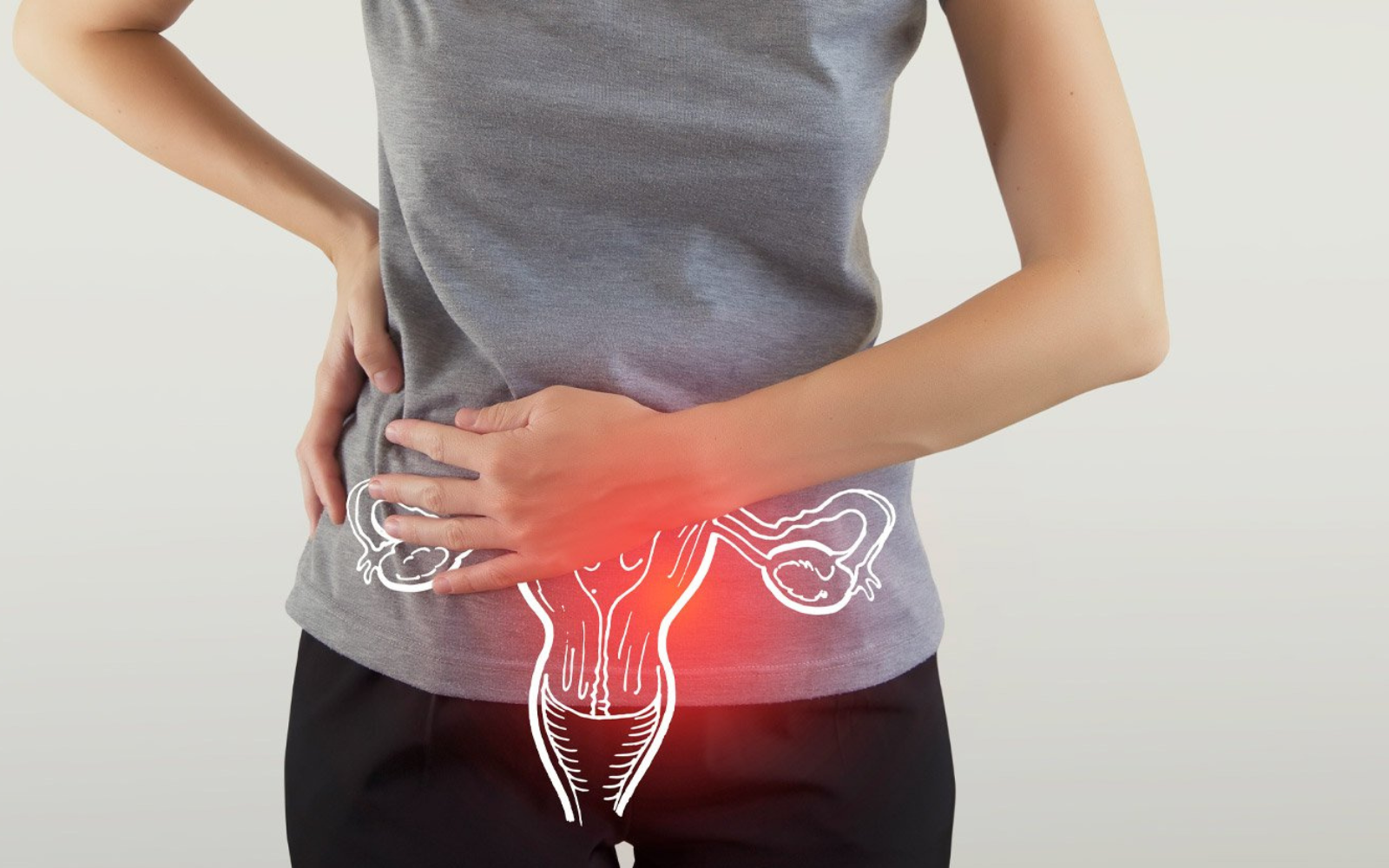
    The term pelvis technically refers to the basin-like area between the hip bones below the abdomen and contains the bladder, rectum, and reproductive organs. Thus, pelvic pain refers to the experience of pain in the lower abdomen and pelvis and is often intertwined with the urinary, digestive, and reproductive systems in addition to the muscles that ultimately support those systems. The experience of pelvic pain is not one that is limited to a specific character, meaning pain can be dull, sharp, aching, throbbing, chronic, acute, cyclical – the list goes on and on. Pelvic pain can also cause pain in other areas including the low back, buttocks, and inner thighs. Some people may notice their pain all the time, while others may only notice it during certain activities such as defecation, sexual activity, tampon use, sitting on a hard surface, etc. There is so much that is individual about the experience of pelvic pain, and it is often distressing for folks as it is not only uncomfortable to physically experience, but for many, uncomfortable to talk about. Hence, my elation for the exposure pelvic pain is getting on social media is unparalleled. People should be able to feel safe to talk about their health and ultimately get access to the help they need!


    So, apart from the solutions to decrease pain, why is getting help for pelvic pain so important? When the body is in pain or anticipating pain, it guards in response to that stimulus. The pelvic floor musculature, the muscles that occupy the pelvis, are intimately connected with our nervous system. This makes sense – they have an important job of guarding and supporting our organs! When the nervous system enters fight or flight and we start to brace ourselves in response to pain, the pelvic floor contracts. However, the pelvic floor can get stuck in this contracted phase especially if we continue to brace/the stress that caused us to brace is not relieved. As a result, the pelvic floor has difficulty doing its jobs of supporting, stabilizing, facilitating blood and lymph flow, and relaxing/contracting for urination/defecation/sexual activity. It will become weak in this contracted position which will likely lead to other muscles trying very hard to stabilize to compensate for the pelvic floor. Truly, the list goes on and on when it comes to the effects of pelvic floor dysfunction on the rest of the body. It is the base of our core, and we know in life that a stable base or foundation is essential to just about everything. 


    Ultimately, pain and muscle dysfunction go hand in hand and I encourage anyone who experiences pelvic pain to start a conversation with a trusted healthcare professional regarding options for solutions. Maybe you have a ‘high pain tolerance’, but honestly a body in pain is one that isn’t working properly in some way, and it is always better to address things early so that maladaptive habits do not have the time to build and cement themselves in routine. 


    One thing that I think is especially important to note, however, is that people with pelvic pain can and should exercise. Now, it absolutely depends on the type of exercise (aka if it causes pain, don’t do it!), but motion is lotion! Movement helps facilitate blood flow while the cardiovascular component of exercise helps our body switch gears and go into the rest and relax phase of our nervous system. Don’t think that pelvic pain means that people can only do stretching exercises. Quite the contrary! Folks should be focusing on breathing mechanics, posture, and self mobilization of tissues as needed to help their core canister be more adaptive! In pelvic health physical therapy, my goal for clients is to be empowered to take charge of their health and feel like powerful, bada** as they move throughout their day. It’s all about getting the right tools so that the body has what it needs to succeed which truly looks different for every single person. If we meet the body where it is at and give it the love and respect it deserves, both the brain and physical body are able to heal in harmony. <3

  • Yoga Poses to Help Lower Blood Pressure

    Yoga Poses to Help Lower Blood Pressure

    by Sarah Apple Kingsley, pt, dpt


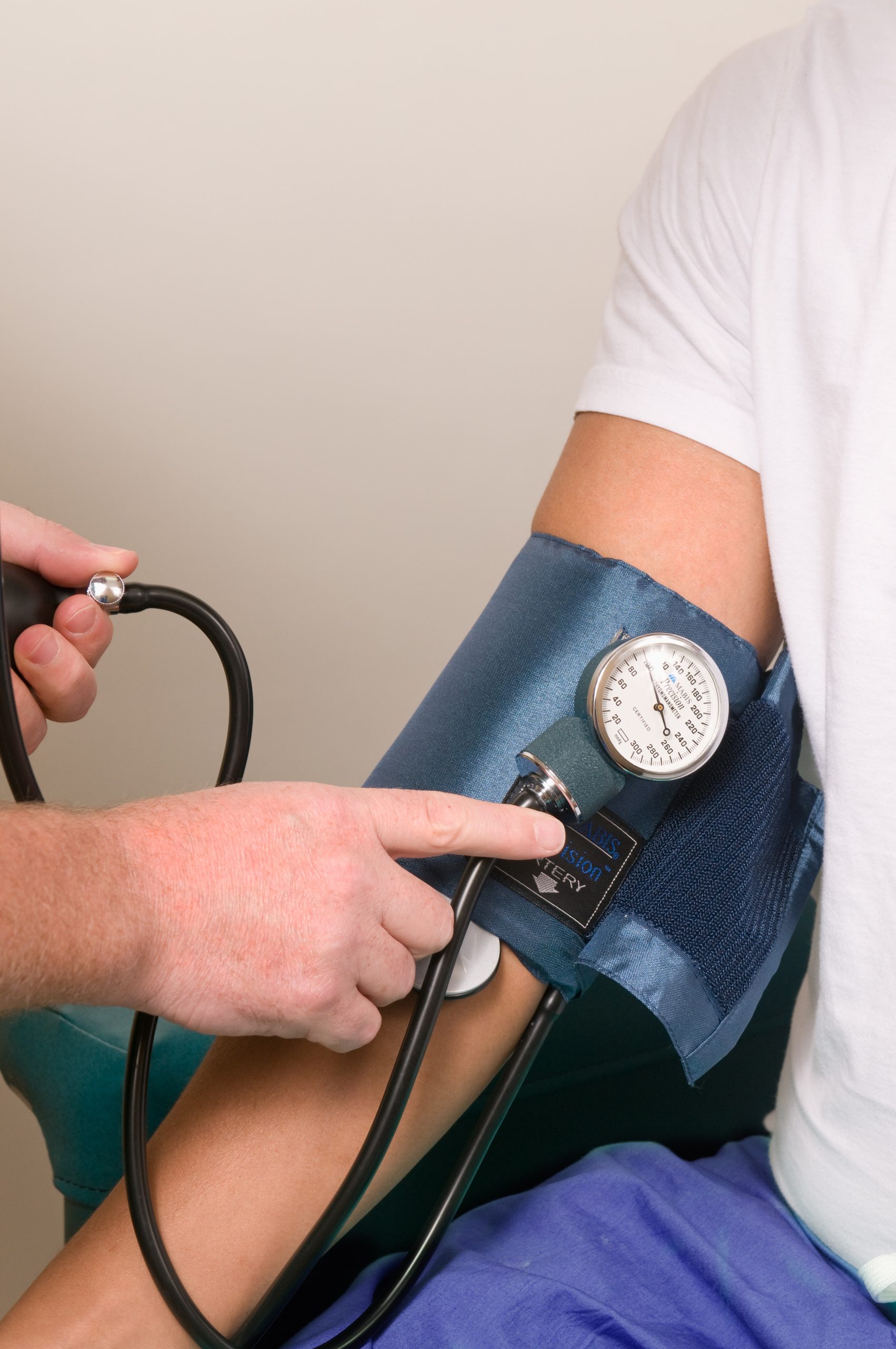
    High blood pressure or hypertension is a serious health condition that often shows no symptoms. However, it puts you at a greater risk of developing heart disease, stroke, and even cancer. The increased pressure buildup in your arteries and throughout your cardiovascular system puts an increased strain on your heart, nervous system, and entire immune system making you more susceptible to many chronic and autoimmune diseases. Many factors contribute to increased blood pressure including but not limited to poor diet, sedentary lifestyle, stress, smoking, and family history. Working to control some of these risk factors is an important way to help reduce your blood pressure numbers. 


    We learn in PT school and hospital settings “pale raise the tail, red raise the head.” This means when the blood pressure is too low, we want to elevate the legs or sacrum/tailbone to increase blood pressure and elevate the head in order to decrease blood pressure. These are usually extremes for more of an immediate response and blood pressure reaction. For long-term management, yoga is a great way to regulate your blood pressure by incorporating breath practices into movements and poses to regulate your central nervous system. Some poses I’d recommend to help lower blood pressure and why include the following:


    • CORPSE POSE/SAVASANA is the final resting posture where one lies flat on their back with arms and legs splayed out focusing on breathing and truly letting all the tension go. This pose is great because the arms and legs are extended as they often are not in our usual day-to-day. This resting posture can decrease stress, which is often linked to high blood pressure.


    • CHILD’S POSE/BALASANA is the other resting pose which can be extremely calming and which helps to open many joint structures and fascial lines that get restricted and cause high blood pressure. Staying more lifted in a child’s pose with a block underneath the forehead is even better because it not only decreases the stress and strain on the hips and low back, but also helps to stick with our theme of having the head above the tail to aid in decreasing blood pressure. Reach your arms out in front of you as you sit back toward your heels from a kneeling position with a block underneath the forehead.


    • BRIDGE pose engages your gluteals, which have fascial and musculature connections to our deep abdominal and spinal stabilizing muscles. Activating your deeper core postural stabilizing muscles has been shown to tap into your parasympathetic nervous system, which is responsible for BP regulation and especially helping to decrease BP. While most poses aim to relax or hang into joint structures to “calm” the body, working your core, finding your deep abdominals, and connecting to the proximal muscles of the body may actually help more. Make sure to engage your glutes and contract your lower abs with an exhale upon lifting your bottom from the floor.


    • COBRA pose, where you are on your stomach with your hands underneath your shoulders. Engage your glutes and abdominals to protect your low back as you pull back with your hands, peeling the head of your arm bones away and drawing the shoulder blades together, slightly down, and almost as if they could pull through your chest wall. This pose, as discussed earlier, facilitates the head above the tail positioning that aids in lowering blood pressure.


    • THREAD THE NEEDLE helps activate the multifidus and rotatores muscles, deep spinal stabilizers responsible for rotating the spine. This rotation decompresses the spine and can have beneficial effects on the nervous system. Begin in all 4’s quadruped with your hands under your shoulders and knees under your hips. Breathe in as you press into your left hand and reach your right arm out to the side and up towards the ceiling, breathe out as you bring the right arm underneath and across to the left. Perform a few repetitions before coming to rest on your right shoulder to feel a stretch in the back of your arm as you energetically pull back with the back of your hand against the floor. Once again, stay higher up in the hips and keep some tension on your abdominal muscles to protect your back and stay in a parasympathetic state. Repeat on the other side.


    • RECLINED SPINAL TWIST with similar reasoning involving the decompression that rotation can have on the nervous system. Begin lying on your back. This can be taught in two ways. For the greatest amount of protection to your lower back, you would want to bend BOTH knees keeping them close to your chest as you roll onto the RIGHT side, keeping your LEFT arm out to the side in a T or goal post position trying to keep the left shoulder blade in contact with the floor. Alternatively, you can just bend your LEFT knee keeping the right leg straight or slightly bent as you roll onto your RIGHT side, again keeping the left shoulder blade on the floor. Hold for 5-10 breaths, with each exhale feel the twist creating more space in your body. Repeat on the other side. 


    You can find these poses and more in our LYT yoga classes. We work to engage the core to activate our parasympathetic nervous system and some classes also include a cardiovascular component to promote long-term blood pressure management as well! You will be surprised how small but specific movements can be challenging yet stimulating to the body for not only blood pressure benefits, but overall health, wellness, fitness, posture, and VITALITY!

  • Don’t Let the Holidays Sabotage Your Pelvic Floor!

    Don’t Let the Holidays Sabotage Your Pelvic Floor!

    by Dr. Ashley Newton, PT, DPT


    The winter holidays are a special time of year for many. They are filled with family get-togethers, delicious treats, and heart-warming traditions. For as sweet and jolly as this time of year can be, it can also be a sneaky pelvic floor saboteur! Watch out for the following things around the holidays so you can be prepared to keep your pelvic floor happy:


    Bladder Irritants: Different foods and drinks can irritate the bladder lining. Two of the most common bladder irritants are caffeine and alcohol. As we tend to migrate inside in the winter months and the holidays roll around, we become more inclined to reach for a hot cup of coffee or a drink with friends from out of town. Instead of coffee, it can be helpful to opt for a cup of non-caffeinated tea or cider so as to not wreak havoc on your bladder. Bladder irritants can increase the urgency to urinate. We want to spend the holidays with friends and family, not constantly running to the bathroom!


    Foods and Travel that Constipate: It is no doubt that when we travel, we eat and drink things outside the norm of our day-to-day eating habits. We also tend to be on planes, trains, and in automobiles and spend our days on holiday outings and family visits. Unfortunately, travel constipation is a real thing! We overall tend to drink less water and eat foods with which our body is unfamiliar! Make sure you hydrate, hydrate, hydrate this holiday season and ensure that, even when you travel, you get some fruits and vegetables in your diet to keep the colon happy!


    Nervous System Dysregulation: We all know that as much as the holidays are fun, they can often be filled with stress. Deadlines approach, holiday lists abound, and we visit family and often have dreaded conversations and sometimes debates. The nervous system can get fried around the holidays and we can wind up holding tension in our pelvic floor and abdomen. Remember that the pelvic floor and abdomen are intimately connected with our nervous system and when the body senses stress, these can be areas that tighten in response. This tightness has the potential to lead to pain and dysfunction in the core and pelvic floor. So, how do you combat the stress that will inevitably occur??


    1. Try deep breathing: Stimulate the rest and relax part of your nervous system by slowly inhaling for 2 seconds and exhaling for 4 seconds.
    2. Dance it out! Get your heart pumping and move your body!
    3. Self-massage: Give your body and skin some TLC in this cold weather!
    4. Stand firm in your boundaries: This is the hardest one, but know when you need a break to care for yourself. Be kind and firm in what you need, you deserve it!
    5. Splash cold water on your face: Simple but this helps to stimulate the vagus nerve and calm the nervous system!


    At Activcore Princeton’s Pelvic Health Center, the staff and I are hosting a FREE holiday event, “Pelvic Floor Holiday De-Stress and Reset”. We will have food and a raffle, be presenting tips for holiday wellness, and doing a small exercise demo. If you are in the Princeton area, I would love to see you there! The event is Thursday, December 15th, 6:30-8pm. RSVP at the following email: princeton@activcore.com


    I hope you all stay happy and healthy this holiday season!

    <3 Ashley


    Holiday Pelvic Flyer


  • How to Have a Happy Low Back – Part 3

    How to Have a Happy Low Back – Part 3

    by Thalia Wynne, PT, DPT, AT, RYT-200 

    Welcome to part three of the three-part How to Have a Happy Low Back series! If you haven’t had a chance to check out part one or part two, I highly encourage you to start there or read them after you finish this article. From the first article, we learned that having a healthy and happy low back requires three things: stability, mobility, and adaptability. 


    Stability provides support and structure. Mobility provides freedom of movement. And finally, adaptability puts it all together to allow the spine to predict, perform, and react to any scenario without giving out. This last and final need of the lumbar spine (low back) is what counts the most to allow us to do things like reach into the back seat of a car, catch ourselves from falling when we trip, or get that back corner under the couch when running the vacuum cleaner. Arguably, this is the most important piece of the pie when it comes to low back health. In physical therapy, often someone will stop coming to their sessions once their acute pain is gone not recognizing that pain relief is just the first step. The same problem that brought them to the clinic will likely reoccur without the final step of treatment – training for adaptability. 


    Adaptability is where we coordinate stability and mobility to ADAPT – Assess, Determine, Act, Ponder, Turn automatic.


    Assess: What is the situation calling for? At high speed, your brain is taking input from the environment to decide a course of action. After sorting through the information, the brain sends motor signals down motor nerves to command the actions you’re asking to do to complete the task. Muscles will respond accordingly. Before performing the action, the brain has considered factors from the current environment and past scenarios. For example: There’s dirt under the couch and I need to vacuum under the couch. How am I going to move to get it? The brain will begin to assess what is needed. 


    Determine: After you assess the environment and have made a choice to fulfill the action, next up is determining how you are going to get there. The brain is very smart – If you have a history of low back pain and bending over is how you threw out your back before, your brain knows that you want to avoid bending over from the spine to accomplish your task. How are you going to get there? The brain and body will always take the path of least resistance and avoid pain. This is essentially why it is easy for us to develop poor movement habits. We try do it the “easy” way, without even being conscious of it. Bending at the back certainly is easy in the short-term to get under that couch but unfortunately, it puts a lot of stress on those important lumbar vertebrae and could cause breakdown and, eventually, pain. If this movement is already painful, certainly you are going to avoid it by moving a different way. The bottom line is the brain determines which coordinated movement patterns are going to be the best way to get you to the thing you want. In this case – vacuuming under the couch. 


    Act: In this step, your muscles carry out the action you decided on, hopefully accomplishing the desired task successfully. Perhaps it is bending at the waist, getting down on one knee, or bending the back to get under the couch. 


    Ponder: After completing the task, your brain creates a feedback loop. Was this movement successful? Did you get what you wanted without feeling any physical pain? Woohoo! Your brain loves this and will remember the success of this strategy when it comes time to get under the couch again. 


    Turn Automatic: As I said before, the process of your brain talking to your nerves which are talking to your muscles which are sending feedback back up to the brain is all happening very fast. Often seemingly automaticly. How? By performing the task over and over again, your body has learned the pattern and therefore it took less effort for your brain to tell your body to perform the task that you’ve done millions of times before. This is how movement becomes effortless. For example, most of us don’t have to think about putting one foot in front of the other to walk. We just do it. 


    The first key to becoming adaptable in the way you stabilize or move your spine is to make sure the patterns that your brain is learning are patterns that encourage sustainable, appropriate movement. Maintain awareness of how you carry yourself throughout the day and physically train with proper form to teach your body what proper lumbar spine mechanics are. The second key to becoming adaptable is tied to the first and here’s why. It is unrealistic that we will always have 100% biomechanically sound posture all day every day. The question becomes – are you spending more time moving in ways that support your spine, or moving in ways that stress your spine? Have you trained yourself to increase how much stress your back can handle by mobilizing in all three planes of motion and strengthening the core muscles that stabilize the spine? This is why someone who has trained appropriately can bend at the spine to get under the couch once in a while without feeling discomfort. However, someone with a weaker core and stiff back will likely experience pain with the same movement. The first person has made their spine adaptable. The second person has not. 


    Congrats on making it through the last article of the How to Have a Happy Low Back three-part series! I hope you’ve learned something about what it takes to have a happy low back. The key is to train your brain and body to develop patterns of movement that will support your back, develop strength in postural stabilizers, and mobilize the spine. By training your body and developing postural awareness, you will create a low back that is stable, mobile, and adaptable. 


    Check out the low back section on LYT Daily for a variety of classes focused on helping you achieve just that. https://lytyoga.uscreen.io/categories/category-low-back 


    See you on the mat! 


    Thalia Wynne, PT, DPT, AT, RYT-200 

    IG: @thalialovee