Category: PT Corner with Friends

  • Let’s Talk Pelvis

    Let’s Talk Pelvis

    by Michelle F. Onion, PT, MSPT
    pelvis1

    Why is talking about the pelvis so important? Because it is our base, our center. Our trunk “rests” on it and our legs come out from it. When it is not in an ideal position it can impact how we move and the ease with which we move. 


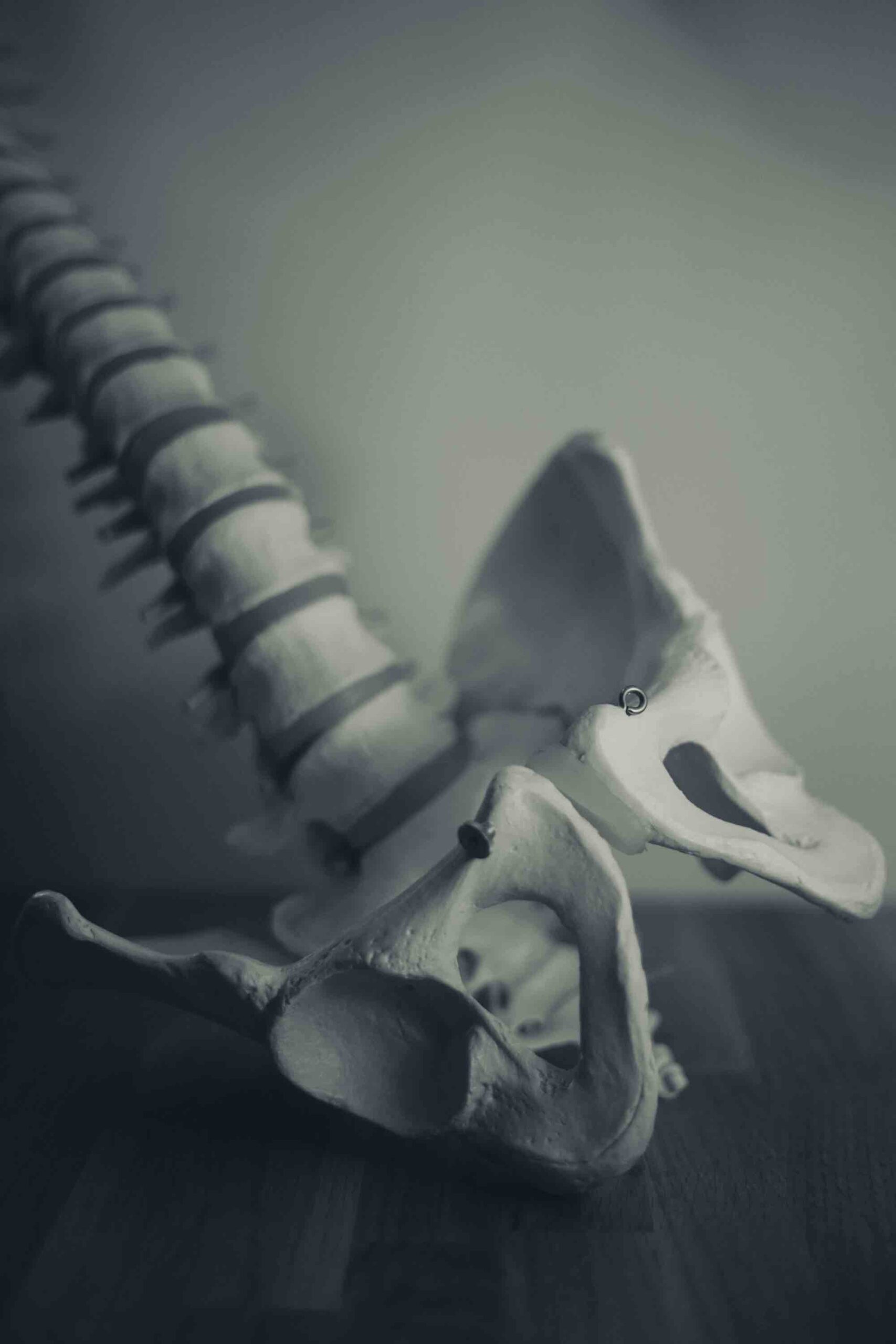
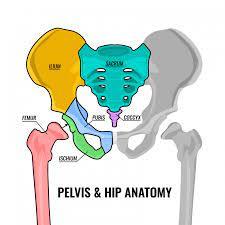
    Let’s first talk about the bones of the pelvis. The largest bones are the ilium. There are two, one on each side. In the back, the ilium attaches to the sacrum. As the pelvis comes around you have the pubis bones on the top and they attach at the front at the pubic symphysis. At the bottom, the ischium attaches to the pubis and creates the obturator foramen (the large hole that sits between the bones). The ischium is angled lateral and anterior. It, in conjunction with the ilium and pubis, forms the acetabulum (hip joint). The inferior or posterior position of this acetabulum is determined by a posterior or anterior pelvic tilt, but there is a slight inferior orientation to it in neutral. The ilium, ischium, and pubis move as one but remember there are two sides. They can move in and out relative to neutral, rotate forward and backward, and slide up or down. This is a slight movement but movement nonetheless, that can impact muscular function altering both ease of motion and which muscles do the primary work. 
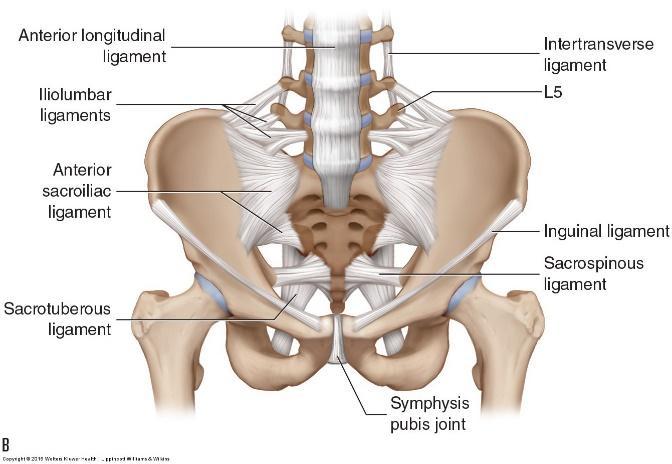
     

    There are multiple ligaments in the pelvis, spine, and hips that help to control and support. They are our enforcers. Bones are not stable in and of themselves but work in conjunction with muscles and ligaments to create stability. 
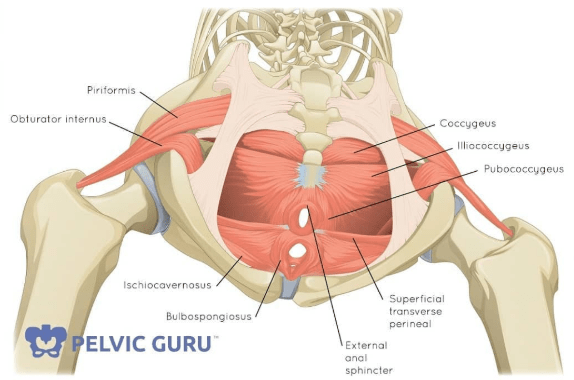
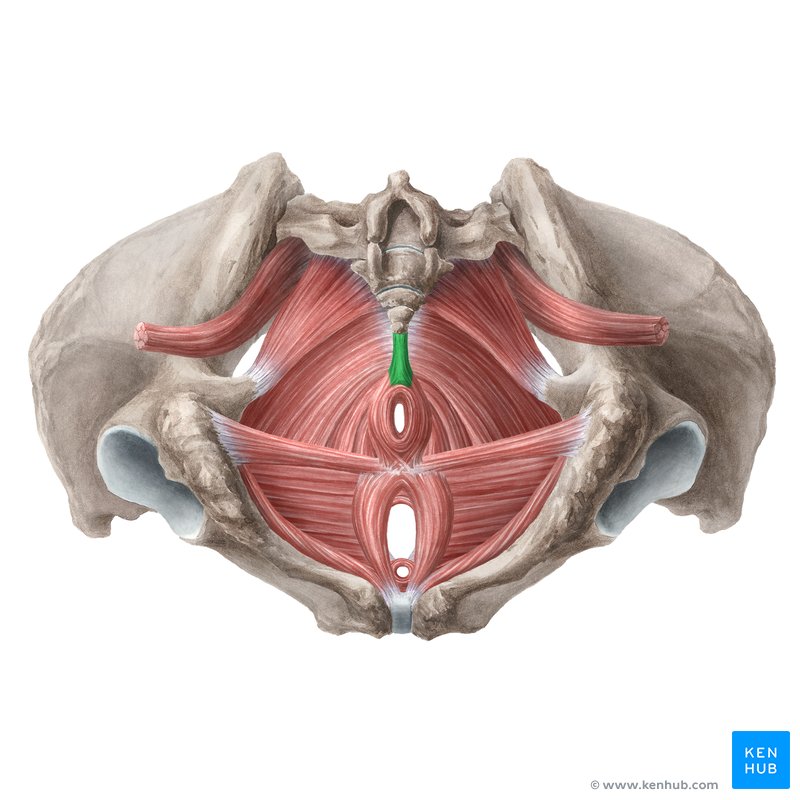
    Notice how the muscles and ligaments fill in the foramen (holes) of the pelvis. They act as a sling to support all that sits in the pelvic and abdominal cavities. They are a support system and they are crucial in keeping everything contained. This is our pelvic floor. 
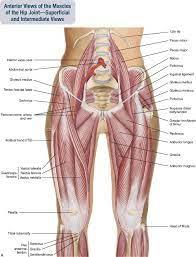


    What I want you to notice from these two pictures of the muscles is how the pelvis connects the lower body, trunk and ultimately the upper body. Here you have the muscular connections. You can start to get an appreciation of how movement in the legs impacts what happens in the abdominals, glutes and vice versa. Small movements within the pelvis can allow the muscles in each of these regions to operate optimally or suboptimally.


    And then we have the addition of fascia. Fascia is the support structure that has just recently been given more attention. Think of fascia like plastic wrap. There is a strength and pliability to it. If you take a piece of plastic wrap and pull at one end of it, there is a far-reaching ripple effect impacting the entire piece of wrap. And fascia is everywhere and a big connecter of the lower and upper body. Small nuances in the pelvis can impact how the fascia moves. If it pulls or if it is more fluid, if it allows or prohibits movement.


    Let’s think about how this applies to yoga and our daily lives. If the pelvis lives in an anterior or posterior pelvic tilt, muscles will be at a disadvantage and unable to work as well for you or for your clients. Our core will not be able to engage fully. Our glutes will snooze even more. Our pelvic floor will have difficulty supporting all that depends on it for structure. And this has a huge impact on our movement and functional capabilities.


    If you look at the lower body. Our femurs will not be able to move well in the acetabulum (hip joint) and we will potentially have impingement and pain changing our movement patterns even more. As our hips move in this altered manner it impacts the ability for our knees to function which, in turn, impacts what our feet do. It is a complementary system. You lose optimal movement in one area and the other areas are impacted. We will lose the possibility of overall optimal movement. 


    Looking at the upper body. The structure and position of the trunk impacts the pull on the scapula impacting the stability and mobility of how the scapula move with shoulder motion. The scapula and humerus have a rhythm that allows for or takes away from good movement patterning. The difference with the upper extremity and lower extremity is that the upper extremity is not fixed to the ground so the impact on the elbow, wrist and hand may not be as noticeable, but there is still an impact. 


    And this all comes from our center, our pelvis. It is why LYT focuses on a neutral pelvis, not to make things difficult, but to allow our body to have access to optimal movement patterns. To be dynamic in our everyday. If your clients have difficulty with finding neutral, think about the other ways a pelvis may move: in/out; up or down. There might be a dysfunction there and physical therapy may address this. Perhaps helped with a joint mobilization or muscle energy technique that a PT can perform. And then the neutrality can be supported through our practice of LYT. 


    As you take time to consider the pelvis, think about how this impacts your individual function. Get to know its impact on your own movement, on your own function, and take this exploration to your clients and to others around you. We have the gift of guiding others through their own exploration of their individual movement. Helping others find their center, their base. Creating structure to allow for more optimal, dynamic movement. Enjoy the exploration! 
     

  • Is it normal to pee when you jump?

    Is it normal to pee when you jump?

    by Magdalen Link


    I remember in college when I was competitively cheerleading it was a joke among my friends that sometimes we peed a little when we tumbled. A roundoff backhandspring on a hard basketball court puts a lot of pressure on the pelvic floor–but little did I know back then. I have seen this same joke play out in different ways–moms crossing their legs when they sneeze, looking at their kids saying “you did this to me!” And clinically I see it time and time again. “Do you leak when you cough sneeze or jump” I ask. “Oh yes, but I’ve had 3 kids so…


    Stress urinary incontinence is leaking (a little or a lot) of urine with any activity that increases the pressure in your abdominal cavity such as sneezing, coughing, laughing, jumping, running ect. It is very common–up to 30% of women experience stress urinary incontinence–but it is not normal. There are many factors that can contribute to the development of symptoms. Some include poor coordination, strength or relaxation of pelvic floor muscles, damage to the pubocervical connective tissue, urethral hypermobility, ect. During pregnancy your pelvic floor has not only the job of holding all your internal organs but also holding a baby. This is hard work and can lead to stretching of pelvic fascia and weakness of the pelvic floor muscles. Childbirth, particularly where forceps are needed can lead to stress urinary incontinence from damage to the pelvic floor. Chronic coughing, straining when having a bowel movement, or excessive weight gain can also lead to SUI. 


    What to do about it?

    The good news is–most of the time it is treatable! First line of treatment is conservative management which includes lifestyle changes, pelvic floor physical therapy and/or pessaries. In pelvic floor physical therapy, treatment may include pelvic floor muscle strengthening, relaxation, coordination training, optimizing your body’s ability to manage pressure, and strengthening surrounding musculature. Sometimes the pelvic floor needs a bit of internal support in the form of a pessary. A pessary is a small device that fits into the vagina to help support a prolapse of the uterus, bladder and/or rectum. If all else fails, surgery may be an option for you. 


    It is important to normalize talking about pelvic floor health so the high percentage of people who have pelvic floor dysfunction can get the treatment they deserve. So the next time you hear someone joking about their stress urinary incontinence tell them a pelvic PT can help! 


    If you want to learn more about your pelvic floor follow me on:

    Instagram & TikTok @Magdalenlink_dpt 


    Xoxo-

    Magdalen 

  • Four Steps to Heal Your Tendinopathy

    Four Steps to Heal Your Tendinopathy

    by Thalia Wynne


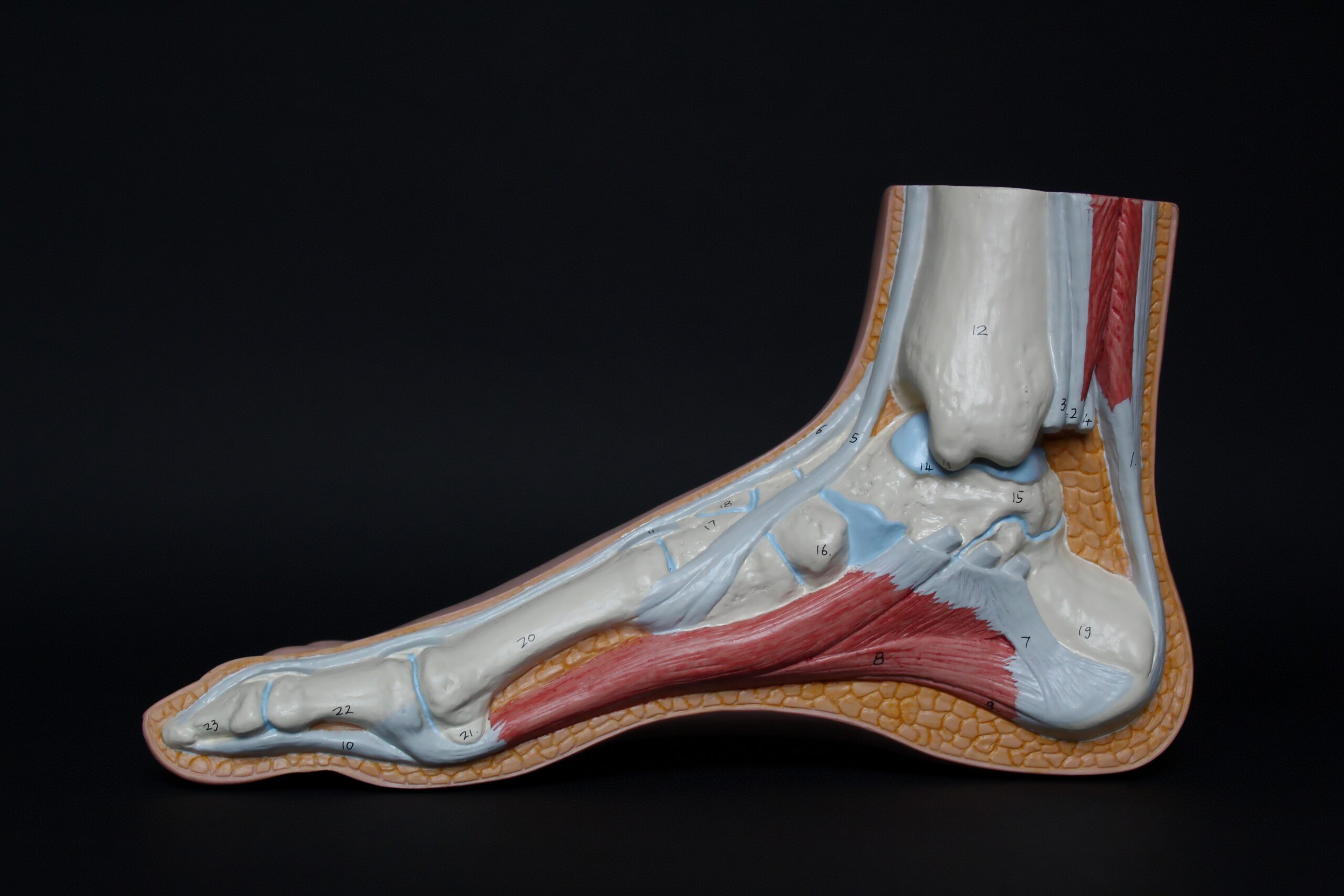
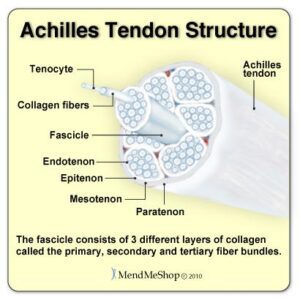
    Tendons are wonderful structures of dense connective tissue, largely composed of collagen, that help connect muscle to bone. Its job is to help transfer force from muscle to bone. When tendons lengthen, they store energy that then gets released through a stretch-shortening cycle. This is that springy feeling you might feel when you load up for a big jump. Tendons allow us to be adaptable in movement. 


    achilles tendon


    What is tendinopathy? Tendinopathy is an injury to the tendon or paratendon (the outer casing of a tendon) that is aggravated by mechanical loading which results in a tendon being less capable of sustaining repetitive tensile loading. It’s categorized as an overuse injury. The primary cause of tendinopathy is excessive load beyond the tendon’s usual capacity. Imagine you are carrying one grocery bag into your house, which you’ve done many times before. You decide to host a big party tonight and now suddenly you carry 50 bags at one time into your home. You get it done, but the unaccustomed stress aka the sudden increase in number of bags has left you sore and tired. You decide to do the same thing the next day, and the next day. You’ve now chronically overloaded yourself past your usual ability and are in a large amount of pain because of it. In this scenario, you are a tendon, and the 50 grocery bags represent excessive load. This type of experience is what leads to tendinopathy. This can happen from a sudden increase in training, a major change in training, or participating in an activity without any prior experience in that activity. Tendinopathy is a reactive inflammatory process that can lead to permanent degeneration if not checked. 


    It can be a simple injury to treat, and many people have pain relief with conservative management. Treatment includes pain management, progressive mechanical loading, biomechanics optimization, and a graded return to activity. A great place to start if you are experiencing tendon-related pain is to find local physical therapist to coach you through a unique treatment strategy for you. In general, here is an outline of what you might expect. 

    1. Pain reduction and load management 
      1. This stage includes use of isometric exercises to heal the tendon and avoiding positions of compression or aggravation.
      2. Patellar tendon example: 60 second (non-painful) wall sit 5x with a 1–2 minute rest between reps and avoiding deep squats and plyometric activity.
    2. Transition into heavy resistant training 
      1. This phase is important because it helps rebuild the capacity of the previously injured tendon. If we use our shopping example, you are training to handle those 50 grocery bags on a regular basis in this phase.  
      2. Patellar tendon example: heavy weighted goblet squat progressing from 15 to 6 reps over time for 3-5 sets, increasing weight over time. 
      3. Please note that this phase only works if the mechanics of the movement performed are not compromising the structural integrity of the tendon. This is where a LYT yoga practice would come in handy! LYT yoga teaches smarter, safer movement patterns that teach us to be more conscious in the way we load our bodies. This makes for some happy tendons ☺. 
    3. Plyometric training 
      1. This phase is where we increase the volume and intensity placed on the tendon to retrain tendon adaptability and refine the stretch-reflex response tendons were made to do!  
      2. Patellar tendon example: adding jumps and hops into your daily LYT practice. 
    4. Return to activity 
      1. Now we put the tendon to the test in a graded return to activity program specifically laid out to also include the previous phases for tendon health maintenance while returning to the desired activity. 
      2. Patellar tendon example: a walk:run return to run progression 2 days per week, heavy strength training 2 days per week, 1 total rest day, isometric exercises as needed, and a regular yoga practice to continue building better movement habits. 


    Tendons are great structures in our bodies that allow us to be adaptable in our movement patterns when trained appropriately. They are easily made grouchy when care is not taken to load them appropriately. This includes chronically underloading them! It’s a principle as old as time. Tissue responds to the demand that is placed on it. If we are not regularly placing an adequate load on these important structures of our body, we lose the adaptability that makes the human experience more enjoyable. Don’t we all want to maintain the ability to play with the dog, run with our kids, and dance just for the fun of it? Following the principles of tendon health explained in this article will help us do just that ultimately so we can live long, pain-free lives with better movement and happy tendons. 


    Happy movement and love always, 

    Thalia Wynne, PT, DPT, AT

    @thalialovee 


    Sources: 

    Image: https://aidmyachilles.com/achilles-tendonitis-injury/achilles-tendon-anatomy-function.php 

  • Exercise and the Nervous System

    Exercise and the Nervous System

    by Ashley Newton, PT, DPT and LYT Instructor and Educator


    We depend on our nervous system to help us interpret the world around us. Our autonomic nervous system is the part of our body that gives us ‘fight or flight’ or ‘rest and digest’ responses. Fight or flight responses are directed by the sympathetic nervous system while rest and digest responses by the parasympathetic system. However, in our modern day world, this part of our nervous system is challenged in an unprecedented way, and the task for us is to figure out how to make sense of our body’s reactions to everyday life. 


    Fight or flight responses can be as obvious as running away from a perceived threat to feeling your heart race before a big exam. It is our body’s way of coping with stressors to ultimately protect our bodies and ensure survival. Sometimes, the switch in our brains for this response gets stuck in the ‘on’ position. Meaning, the body is trapped in a state of fight or flight, preparing for threats and guarding the body. When the body is in this state, muscles tense and our body diverts energy going into processes like digestion. If the muscles contracting to protect the body do not turn off, they are in a constant state of overactivity. Now, we know that everything in life requires balance and the same goes for muscle activity. Muscles contract and lengthen to provide our body with stability and support. If they are constantly contracting, the ability of that muscle to do its job is diminished and pain can be generated in the muscle itself in the form of trigger points. Common places where the body guards and generates muscle tension include: jaw, shoulders, abdomen, and pelvic girdle. 


    Movement and Adaptability

    With a sympathetic nervous system stuck in the ‘on’ position, our ability to be adaptable is compromised. In all exercise, we need to be able to stabilize our trunk with our core – all muscles ranging from the level of the throat to the base of the pelvis at the pelvic floor. A heightened nervous system biases our body to use compensatory strategies to figure out movement, strategies that over time, can lead to pain and dysfunction. However, we can use exercise as a tool to change the state of our nervous system and train the brain to be adaptable in response to input. Studies have shown that cardiovascular activity increases parasympathetic nervous system activity while decreasing sympathetic activity. Meaning, aerobic training decreases the influence of the fight or flight/guarding process and increases the amount of input from the rest and digest part of the nervous system. Thus, we can think about movement and exercise not only to train the brain-motor connection but also the nervous system. 


    In yoga class, we have all been confronted with the option to skip savasana. Whether it be because of time, because we have trouble sitting still, or what have you, I want to make a case for savasana and its important role in nervous system retraining. We can think about savasana in terms of our ‘recovery’. At this time when we have stopped dynamic movement, the parasympathetic nervous system gets reactivated and the sympathetic nervous system gets deactivated, causing a decrease in our heart rate. (Freeman et al, 2006). Savasana is the dedicated time in a yoga flow for this process and to train our nervous system’s adaptability.  Ultimately, our body gets a chance to flip on the switch of the parasympathetic system while slowly dimming the switch of the sympathetic system to shift the body from an up-regulated (fight or flight) state to a down-regulated (rest and digest) state. 


    Quick Tips for Training the Nervous System

    As a pelvic health physical therapist, one of the mainstays of patient education is on nervous system functioning and helping to reframe our brain’s response to input so that it is not interpreted as pain in the body. Yoga as a part of our everyday movement regimen is ideal for overall health and wellness, but we know that we also need tools to be able to carry us through the day and prevent our nervous system from learning maladaptive habits. When you feel that your nervous system might be getting agitated, try a couple of these exercises below and see how you feel!

    • Tongue Posture and Breathing: Move the tongue so that it sits behind the teeth. Imagine a small raspberry is resting at the midpoint of your tongue and you are touching the raspberry to the soft palate. Inhale through the nose and exhale through the mouth for 5 breaths.
    • Hum: Hum your favorite song or chant a sound that resonates. The vibration from humming helps to stimulate our vagus nerve, a nerve that is intimately connected with our parasympathetic system. 
    • Cat/cow: Beginning in hands and knees, inhale to tip the pelvis forward (cow pose). Exhale to tip the pelvis backward (cat pose). Focus on expansion at the back of your body. Repeat. Oscillatory motions are soothing for the nervous system and this exercise focuses on oscillation and breathing!
    • Legs up wall/legs supported on chair: A gentle inversion, this posture unloads your pelvic girdle. Focus on breathing and heaviness in the legs and pelvic girdle with this pose. Remember that the pelvic floor musculature can tense and guard against perceived threats so giving it a chance to release helps to tap into the parasympathetic system.


    I am excited to share tips and education with you in LYT newsletters to come! Follow me on Instagram @ashleynewton_dpt and @activcoreprinceton_pelvic for weekly content on pelvic floor, the nervous system, yoga, and wellness!


    Xoxo, 

    Ashley 


    References

    Freeman, J.V., Dewey, F.E., Hadley, D.M., Myers, J., and Froelicher, V.F. (2006). Autonomic nervous system interaction with the cardiovascular system during exercise. Progress in Cardiovascular Diseases, 48, 343-362.


  • “Sciatica” or Gluteal Radiculopathy?

    “Sciatica” or Gluteal Radiculopathy?

    by Sarah Kingsley


    Have you been diagnosed with “sciatica?” Although a common back issue, many doctors are quick to diagnose these vague back, hip, and leg pains as sciatica when it may not be the case. Much less discussed, and susceptible to irritation – if not more so in modern society – are the superior and inferior gluteal nerves.


    Sciatica is a term coined for pain that radiates along the path of the sciatic nerve. This nerve begins in your lower back L4-S3, branches through your hips and buttocks and down into each leg, behind the knee, and into the calf.  According to Mayo Clinic, “sciatica most commonly occurs when a herniated disk, bone spur on the spine or narrowing of the spine (spinal stenosis) compresses part of the nerve, causing inflammation, pain and often some numbness in the affected leg.” Symptoms include pain that radiates from the lower (lumbar) spine to the buttock and down the back of the leg. The pain varies in intensities from a mild ache to a sharp, burning sensation, excruciating pain, or jolt. It can be aggravated with prolonged sitting, coughing, and sneezing.  The sciatic nerve innervates the hamstring muscles that flex the knee, causing weakness of bending the knee when irritated. 


    The culprit of most back pain-related issues is poor posture! Sitting or standing for prolonged periods in a rounded spine position can lead to compression and restriction in the muscles, joints, and disc spaces. When going to stand or change positions quickly with shortened hip flexors or hamstrings, the back overly extends in compensation, compressing the sciatic nerve. 


    Performing any lifting tasks with poor body mechanics and lack of core activation to support the structures around the spine can irritate the nerve. This action overly activates the spinal extensors when coming back upright, as opposed to utilizing the gluteals, leading to disc compression that can send symptoms down into the leg. Sitting, standing, or walking with your toes pointed outwards and hips externally rotated can also decrease piriformis muscle length. For most people, the sciatic nerve runs directly through this muscle and when restricted, can lead to nerve irritation.


    Treatment includes variations of sciatic nerve glides/flossing techniques to increase circulation to the nerves and decompress the tissues that surround the joints and muscles. These techniques include stretching and soft tissue mobilization of the piriformis, hamstrings, and hip flexor muscles. Forms of spinal traction can also be useful, decreasing pressure on the nerve done manually by a therapist, use of a traction device, or by using one’s own hands on the thighs as done in many of our LYT classes.


    For effective management, the decompression must be combined with retraining the activation of the deep core and gluteal musculature to prevent excessive strain and overuse of the spinal extensors. Exercises to target these muscles and retraining the hip hinge strategy for squatting, bending, and lifting is key to keep the back and sciatic nerve happy.


    In severe cases, a cortisone injection can decrease the nerve inflammation. However, the effects of these injections are short-lived and come with side effects including bone degradation. Learning the tools to manage these symptoms with proper exercises and movement patterns is what will ultimately promote long-term pain relief and symptom management.


    The superior and inferior gluteal nerve branches off just before the sciatic nerve from L4-S1. They supply the gluteus maximus, medius, gluteus minimus, tensor fascia lata, and piriformis muscles that are responsible for hip extension, hip abduction (moving out to the side), internal and external rotation, and flexion. Symptoms often include difficulty climbing stairs and rising from a sitting to a standing position. Other symptoms include a deep aching pain and a “trendelenberg gait” pattern, which is when one’s hip drops down to the side.


    This injury can often occur after a hip replacement surgery or trauma. There is a higher risk of injury to the superior gluteal nerve when the hip is placed in lesser degrees of flexion and adduction during surgical nailing. Lack of proper strengthening to the hip abductor muscles and entrapment or restriction of the piriformis muscle have also been known to cause these symptoms. The immense amount of time we spend in the seated position often leads to compression and deactivation of the gluteal muscles and the nerves that supply them.


    Gluteal nerve irritation is treated very similarly to the sciatic nerve, focusing on deep core and gluteal activation, proper body mechanics, and hip hinge retraining. However, a greater emphasis is placed on mobilizing the hip joint and the surrounding tissues to increase range of motion for all hip movements to reduce typical compensations at the back and pelvis. Compensation at the pelvis can contribute to a restricted quadratus lumborum (which is our hip hiking muscle), so manual and stretching release techniques to this region can also be useful. Opening of the joints and soft tissue spaces, combined with strengthening the gluteals and hip muscles for good hip movement without pelvic compensation is key for long-term pain management.


    Be sure to check out Kristin Williams’ sciatica series on LYT daily and Lara’s Calm the QL Quarrel class for some ideas!

  • Why Am I Sore?

    Why Am I Sore?

    by Thalia Wynne


    It’s January, my beautiful friends! And for a lot of us, that means using the inspiration of a fresh year to embark on wellness journeys galore. If you’re reading this, you’ve likely decided that a daily movement practice is part of your mission to thrive in 2022. You’re two weeks into that new training program and man, are you sore. Or maybe you’re like me and you are years into making exercise a habit. If this is you, do you ever think “If my workout doesn’t make me sore, I didn’t work out hard enough?” Ever heard the phrase “No pain, no gain?” Well, don’t believe it. It’s a lie. Let’s talk about the science behind muscle soreness. I’ll bust the myth that you must be sore to make progress and teach you ways to treat it so you can show up to LYT daily ready to move and get LYT up! 


    In scientific literature, muscle soreness is termed DOMS (delayed onset muscle soreness). It’s an exercise-induced phenomenon that leads to a sensation of pain and stiffness with intensity of symptoms peaking after one to three days. It is more common after unaccustomed physical activity and specifically caused by eccentric loading. There are several theories in literature of specific physiological mechanisms that cause DOMS but there are three general ideas you need to know. One, there is an inflammatory response occurring. Two, it’s not just happening in your muscles. Fascia is the higher pain generator in this experience. Three, hormone fluctuations throughout the menstrual cycle effect DOMS. This means if you are a female in your reproductive years, you need to train differently through different phases of your cycle. P.S. DOMS has nothing to do with lactic acid build up. That’s been debunked! 


    In addition to causing discomfort and pain, research has shown DOMS to decrease joint mobility, alter joint kinematics (the way your joints move), decrease strength and power, alter muscle recruitment patterns, and reduce our capacity to efficiently absorb forces such as when running or jumping. To sum it up, being sore is negatively impacting your ability to perform and train well. Therefore, we want to avoid soreness when possible or, at the very least, modify our training when we are sore so that we minimize risk of injury. 


    So, what do we do to treat it? DOMS is simple to treat. If you are not a professional athlete who is required to train two or more times per day, you could wait for your soreness to decrease and then start training again. But we’re #thrivingin2022 and want to minimize DOMS effect on us so we can keep showing up to the mat every day, right?! This community does what we can to keep our bodies healthy and ready for movement. Here’s what the literature says about treating DOMS. 


    Our fascia is rich with sensory receptors and highly sensitive to pain and inflammation, playing a key role in our perception of soreness. Self-myofascial release is one of the most supported treatments to reduce pain and address fascial alterations after strenuous exercise. Methods such as foam rolling, vibration tools, and self-massage are great post-exercise recovery tools. Also try out the fascia section of LYT daily! Compression garments have been shown to reduce DOMS, likely through reducing the space available for swelling and edema. Contrast water therapy (alternating between hot and cold) and cold-water emersion have moderate evidence for reducing DOMS. Although not as effective as massage, active recovery will decrease soreness, but effects are temporary. You won’t feel sore for a short time during and after you move but soreness will likely return afterwards. Stretching and icepacks or ice-massages have no evidence to support their use for treating the effects of DOMS. Prophylactic nonsteroidal anti-inflammatory drugs (NSAIDS) have been supported, although I would not recommend this due to other side effects. There are a variety of supplements that are shown to reduce inflammation that you can try instead such as curcumin or tart cherry juice. For women, lower your training load or add longer recovery periods during the early follicular phase. This is where sex hormone concentrations are low and women are more vulnerable to muscle damage. Mid-luteal phase, estrogen, progesterone, and testosterone reach peak concentrations so this is a great time to increase your strength training as DOMS effects will be minimal. 


    Muscle soreness can range from quite mild to intensely irritating. Try the recovery tools mentioned above and see how they help mitigate soreness and keep you fresh for your next yoga practice. Personally, I take a preventative approach to DOMS with supplementation, foam rolling after I train (even if I don’t feel sore at the time), and by adjusting my training intensity according to my menstrual cycle. If you liked this article, DM me and let me know what your favorite recovery routine is. I’d love to hear from you. 


    Xo, 

    Thalia Wynne, DPT, PT, AT 

    IG: @thalialovee 

  • Why care about your pelvic floor?

    Why care about your pelvic floor?

    by Magdalen Link


    Most of us have heard the term pelvic floor, but do you know what the pelvic floor is? Do you know why it matters? The pelvic floor is the most under-rated part of the body (in my opinion 😉) and understanding its function and being aware of signs of dysfunction is useful for everyone!


    The pelvic floor is everything inside the bowl of the bony pelvis. It is everything between your pubic bone in the front and your tailbone in the back! It contains the pelvic organs, the pelvic floor muscles and connective tissue and all the nerves and blood vessels that supply these structures. The pelvic organs include the bladder and the urethra, the uterus and the vaginal canal, the bowels and the anus. The exit points of these 3 organs are tubes that pass through the pelvic floor muscles. The pelvic floor muscles start at the pubic bone loop around at the tailbone and come back around to the tailbone as well as attach to the pelvic side walls from left to right. The pelvic floor muscles are organised into deep and superficial layers. The superficial muscles include the ischiocavernosus, bulbospongeosus, superficial transverse perineum, the perineal body and the external anal sphincter. The deep pelvic floor muscles are called pubococcygeus, ileococcygeuys, coccygeus and puborectalis muscles. 


    Alright enough with the boring anatomy–what do these muscles do? Like any other muscle in the body when they contract the muscle shortens from origin to insertion. Two main actions happen–each of the tubes is pulled forward a bit and sinched off, the pelvic floor helps with fecal continence, urinary continence, and sexual function. The pelvic floor muscles contract to close off the exits and they relax to let things out, or in. The other main action they perform is the very important job of lifting your organs up. Without them, there would be nothing holding the organs up inside your body. The pelvic floor muscles keep the organs sitting where they should! Other functions to mention include assisting with the stability of the pelvis, helping with circulation from the legs to the top half of the body. 


    Sounds like some pretty important jobs to me! Some studies have found that over 1/3 of people who identify as a female have pelvic floor dysfunction–so chances are you know someone who does or you yourself do. Now how do you know if your pelvic floor muscles are working properly? Know the simple signs that indicate they might not be functioning to their full ability: 

    -You leak urine when you cough, sneeze, jump, laugh, are trying to get to the toilet, etc.

    -You have to strain the have a bowel movement

    -You have pain with penetration 

    -You feel like you cannot completely empty your bowels or bladder and have to go back soon after to try again

    -You urinate frequently (>10x/day or >1x at night)

    -You have a hard time holding your urine–when you have to go you HAVE to GO!

    -You have low back or hip pain that has not responded to any treatment 

    – You have pain in your pelvic region–genitals, perineum, rectum, tailbone


    If you experience any of those symptoms go see a pelvic floor physical therapist! A pelvic floor physical therapist is someone who has done extra training beyond a Doctor of Physical Therapy to be qualified to address and treat various conditions related to the pelvic floor. The good news is the evidence for pelvic floor physical therapy is GREAT–there have been multiple Cochrane reviews and metanalyses published that demonstrate grade A evidence for pelvic floor rehab as a first line of treatment for many conditions. Take care of your pelvic floor today–your future self will thank you. 


    If you want to learn more about your pelvic floor follow me on:

    Instagram & TikTok  @Magdalenlink_dpt 


    Xoxo-

    Magdalen