Tag: posture

  • Core CliffsNotes: Unveiling the Powerhouse of Your Body

    Core CliffsNotes: Unveiling the Powerhouse of Your Body

    When it comes to fitness and overall well-being, few elements are as crucial as understanding and harnessing the power of your core. Often misconstrued as just a set of abdominal muscles, the core is ultimately a complex network of muscles that provide stability, strength, and mobility to the entire body. From maintaining proper posture to excelling in athletic endeavors, the core plays a pivotal role in every movement we make. In our LYT classes, we often say the answer to joint aches, mobility concerns, low energy, and most everything else is MORE CORE. As the powerhouse of the body, the core transmits energy from the floor and lower limbs through the pelvis and spine, which aids in efficient movement and endurance. When the core muscles work collaboratively as a team, our movement and breath feel fluid and natural because all the systems in the body are operating well. The significance of the core’s role could be an entire book, but here are some CliffsNotes to highlight the core essentials and explore why optimizing posture is key to enhancing core dynamic stability.


    What is the core and why is it so important?

    The core encompasses more than just the visible six-pack abs that are often glorified in magazines or social media. The core container, as we often reference in LYT, includes the four layers of abdominals—the rectus, obliques, and the deeper corset-like muscle known as the transverse abdominis–along with muscles of the pelvic floor, spine, diaphragm, and shoulder girdle. An easy way to picture the entire core cylinder is to imagine all the muscles around and inside the pelvis, spine, ribcage, and scapulae. Together, these muscles form a stabilizing powerhouse that connects the upper and lower body, providing a solid foundation for movement. The core muscles are often synonymous with postural muscles in terms of function since they work continuously to support the skeletal structure in a variety of positions and planes of motion.


    Strengthening the core will give support to the musculoskeletal system to maintain more optimal posture, allowing you to better control your center of mass with movement. This dynamic control conserves energy, prevents injuries, and optimizes function. With movement and load (including gravity, body weight, or other weight) the core muscles provide the stabilizing anchor for the limbs to perform. Every daily activity, from bending down to tie your shoes to reaching for a high shelf, requires core engagement. A strong core ensures that movements are coordinated and efficient, reducing the risk of strain or injury. Whether you’re lifting a heavy object, running a marathon, or simply sitting at your desk, a strong and stable core (we also say “adaptable”) is essential for optimal movement, breath capacity, and joint health. Athletes across all disciplines rely on core strength to generate power, transfer energy, and maintain balance. Whether you’re sprinting on the track, swinging a pickleball racket, or practicing LYT, a solid core is essential for peak performance.


    Why do we emphasize TRIPLE S (aligning the skull, scapulae, and sacrum) to optimize posture and prime us for enhanced core activation? 


    When the skeletal scaffolding that represents our posture or carriage is out of alignment, the resulting sub-optimal posture creates an imbalance in the muscles and neuromuscular firing (lengthened muscles or underactive core muscles may be slow to respond and shortened muscles might continually activate instead). A slouched or slumped posture is common in our modern-day life, exemplified by rounded shoulders, forward neck, and a tilted pelvis. Optimal posture starts from the core and the collaborative engagement of the muscles leads to decreased pressure on joints or overreliance on individual muscle groups.  Weak core muscles can lead to poor alignment in any version of posture, which may contribute to musculoskeletal issues, depleted energy, and a delayed response between the brain and body. As the central channel of energy transmission and exchange, the core muscles are meant to respond appropriately to differing demands on the body. One of the most effective ways to enhance core stability is by optimizing posture. Proper posture aligns the spine, activates the core muscles, and promotes efficient movement patterns. When our posture improves, this nervous system communication is finer-tuned and adaptable, which translates into navigating through life with more reliable responses to stress and challenge.  


    Finally, how do we best improve overall core function? 


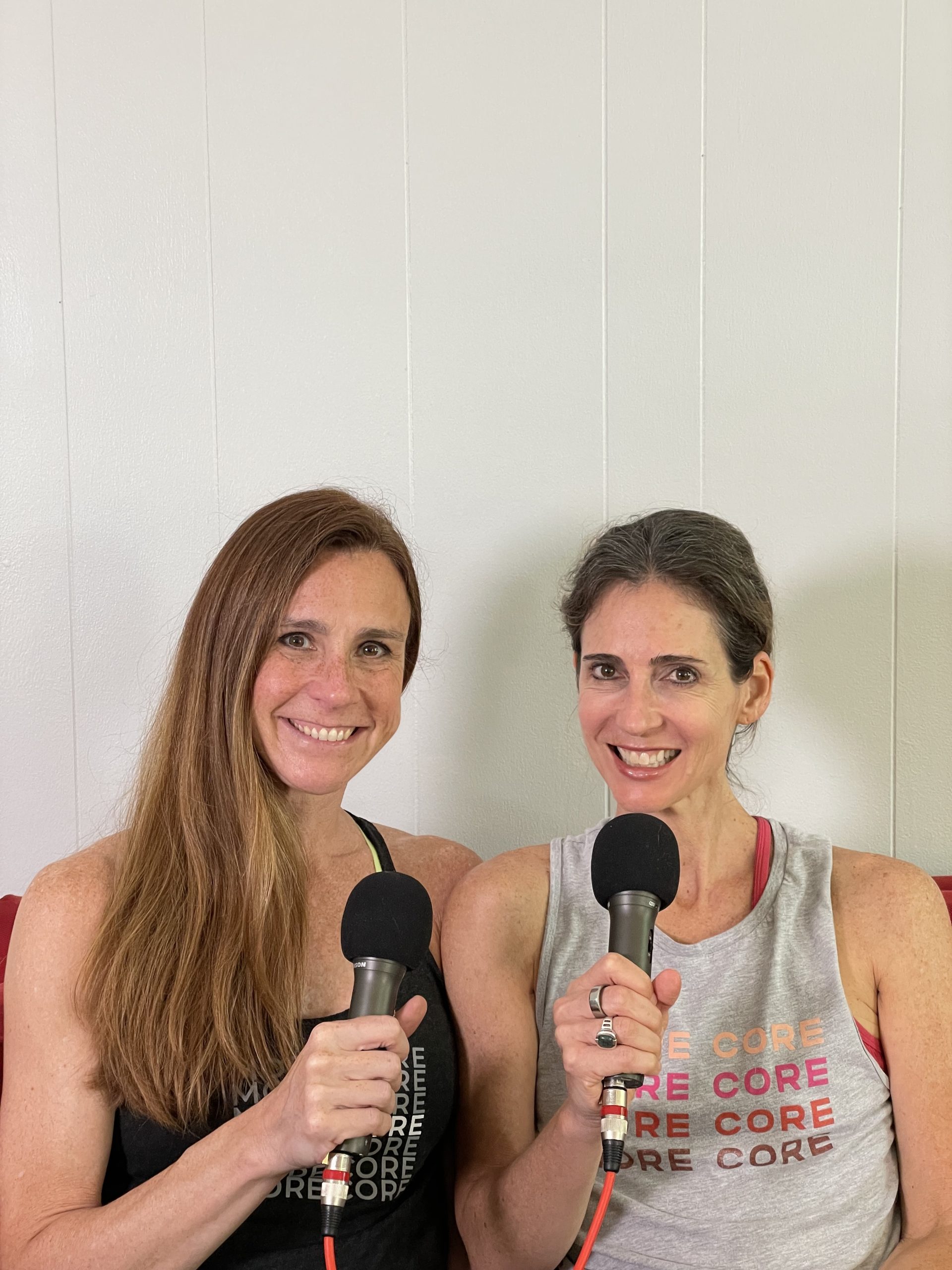
    I believe that practicing LYT is one of the best ways! LYT is designed with a specific method to prime the core muscle engagement and improve postural deficits through feedback and increased support for our center of mass in the RESET. We then apply this reinforced activation in the sequences through creative moves requiring more mobility, increased demand of bodyweight and gravitational forces, and with functional movements that mimic real-life activities, such as squatting, lunging, and twisting. Finally, we encode this information through repetition and added challenge in the STREAM to update brain mapping and nervous system communication. Each class is curated in this manner to provide greater carryover into daily life so that the core stability and postural alignment becomes more and more encoded/automatic. Both on and off the LYT mat, think of growing the spine and supporting with a balanced hug that summons all the core players to engage. An easy way to practice in daily life is to first set up your Triple S, where the skull, scapulae, and sacrum touch some part of a wall that you stand up against. Connect your brain to the feeling of having to sustain that alignment as you walk away from the wall and notice if you sense an energetic hold toward the center of your body. Continue to pay attention to your body’s alignment throughout the day, whether sitting, standing, or moving. Focus on keeping the entire spine lengthened and create a corset-like sensation around and within the pelvis to maintain a neutral position. As we say in LYT (and even have printed on our tanks!), STAND TALL, engage your core, and unleash the limitless potential within. This daily awareness to core and posture leads to true transformation. 


    I wrote this last year and feel that it speaks to the magic of LYT and the power of the core, providing an even more condensed CliffsNotes version:


    Movement is multifaceted and how we move is often determined by our habits. 

    • These habits become the GPS in our brain mapping, and we often need to update the software. 
    • Creating improved global movement often requires more specific or localized input. 
    • Building movement competency or literacy necessitates sensory-rich opportunities to develop and encode new motor planning and skills.
  • The Crucial Role of Challenges for Brain and Body

    The Crucial Role of Challenges for Brain and Body

    In your LYT practice, have you ever felt frustrated by the challenges on the mat?

    I encourage you to embrace the experience, knowing that being challenged is the key feature for growth, resilience, and vitality. In the intricate tapestry of human brain development, challenges act as catalysts, propelling cognitive growth and shaping resilient minds. Embracing and overcoming them is not merely a testament to one’s abilities; it’s a fundamental process that fortifies the brain in remarkable ways.

    Let’s dive deeper into the ‘WHY’ we promote growth through challenges on the mat that carryover into daily life and overall wellbeing.


    When faced with challenges, the brain activates its remarkable ability known as neuroplasticity—the brain’s capacity to reorganize itself by forming new neural connections. Challenges provide the stimuli necessary for these connections to thrive, fostering adaptability and enhancing overall cognitive function. Challenges require problem-solving and critical thinking, leading to the strengthening of neural connections. This process, known as synaptic pruning, refines the brain’s circuitry, discarding unnecessary connections and reinforcing those crucial for efficient information processing. Challenges are not only cognitive hurdles, but also emotional and psychological tests as overcoming obstacles builds resilience, teaching individuals how to navigate adversity. This resilience extends beyond the immediate challenge, preparing the brain to face future uncertainties with a more robust and composed mindset.


    Beyond the confines of intellectual pursuits, the intricate dance between body and brain reveals a profound connection.

    Engaging in physical challenges doesn’t just sculpt muscles; it actively nurtures and grows the brain!


    The symbiotic relationship between physical activity and cognitive development is a testament to the holistic nature of human well-being. Physical challenges spark the process of neurogenesis, the creation of new neurons in the brain. Physical challenges stimulate the brain to create new synapses and strengthen existing connections and this heightened connectivity allows for more efficient communication between different brain regions, contributing to improved coordination, spatial awareness, and overall cognitive agility. The physical stress induced by challenging activities also triggers the brain to release neurochemicals that combat stress and promote a sense of well-being. This stress resilience not only contributes to mental health but also shields the brain from the detrimental effects of chronic stress, fostering long-term cognitive health. Physical challenges also lead to the release of neurotransmitters like dopamine and serotonin, often referred to as “feel-good” chemicals. These neurotransmitters play a crucial role in regulating mood, motivation, and overall mental well-being, creating an environment conducive to optimal brain function. Just as the brain exhibits plasticity in response to cognitive challenges, it demonstrates a similar adaptability when faced with physical challenges. This dual plasticity enriches the brain’s capacity for learning, problem-solving, and adjusting to new environments. Regular physical challenges have been shown to positively impact cognitive performance; whether it’s aerobic exercise, LYT movement, strength training, and/or coordination-based activities, the brain responds by becoming more efficient in tasks such as memory retention, problem-solving, and attention to detail. When we move around the mat-varying the planes of motion, the demands on the different muscles, and challenging our neuromotor coordination with creative sequences, we improve our lives off the mat as well. Our LYT practice truly has a profound and beneficial carryover into daily life! 


    In a world that constantly evolves, this holistic adaptability is a prized trait. Challenges force the brain to adapt to new circumstances, promoting a growth mindset. This adaptability is not only beneficial for personal development but is also crucial in navigating an ever-changing global landscape. Successfully overcoming challenges instills a sense of accomplishment and boosts confidence. This sense of achievement contributes to the development of self-efficacy, the belief in one’s ability to tackle future challenges.  Remember that feeling a struggle on the mat is good! It stimulates the brain to pay attention and enhances the interplay between the different regions of the brain. In essence, challenges are the sculptors of a resilient, agile, and intellectually vibrant brain. They propel individuals toward growth, fostering not only cognitive development but also emotional intelligence and physical adaptability. As we navigate the colorful journey of life, it becomes evident that challenges are not roadblocks but stepping stones, guiding us towards a more enriched and empowered state of being.


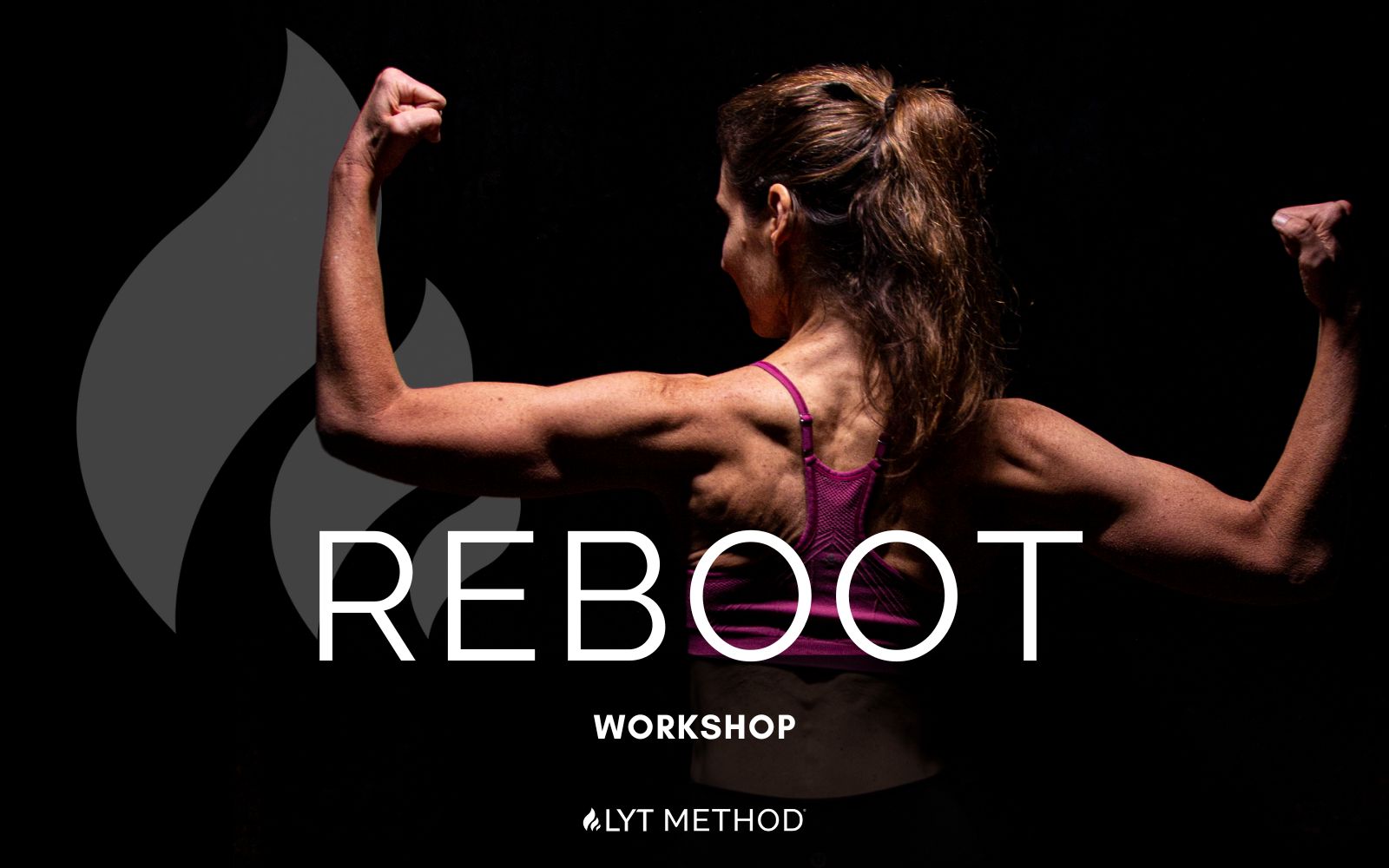
    Challenging the body is an intricate choreography that shapes not only physical prowess but also the very fabric of the brain and highlights the holistic nature of the mind-body intersection. A confident mind is more open to exploration and continuous learning and confidence is grown like a muscle-through challenge! When we embrace physical challenges, we embark on a journey that not only strengthens our muscles but also nurtures the growth of a vibrant and resilient brain. Are you convinced of the benefits of being challenged?! Try my workshop “Reboot” as a clear example of how to activate the body and brain and to feel fully LYT UP!!

  • 707. Wednesday Q&A: Posture, Face Yoga, and Becoming an Expert

    707. Wednesday Q&A: Posture, Face Yoga, and Becoming an Expert

    707. Wednesday Q&A: Posture, Face Yoga, and Becoming an Expert


    In this Wednesday Q&A, we answer your questions about maintaining good posture as an elementary teacher, how to do face yoga in everyday life, and the best ways to clearly define yourself in the fitness/wellness market.


    Connect with Lara Heimann, The Redefining Movement Podcast, and LYT Daily:


    Today’s podcast sponsor:

    Almond Cow – Enjoy delicious non-dairy milk in minutes without having to leave your house! Use code LARA for a discount on your purchase.


    Follow the podcast:

  • 700. Monthly Motivation: Balanced Living

    700. Monthly Motivation: Balanced Living


    Join Lara in the last Monthly Motivation for 2023 as she shares tips on unlocking your full potential through balanced living. You’ll discover how you can improve the different areas of your life, from physical health, emotional health, and your professional life.


    In this episode, you will learn the following:

    • Physical exercise is a keystone habit.. Movement is medicine! Regular movement not only promotes a healthy body but also has a positive impact on overall well-being. Incorporating regular movement into our daily lives not only helps to prevent diseases but also boosts mental clarity, improves mood, and enhances overall quality of life.
    • If one area of your life isn’t doing well, it affects everything else and why that is important to your overall health and well-being.
    • It’s tricky to feel like you’re constantly living a balanced lifestyle but what’s important is that you try continuously to do so.


    Connect with Lara Heimann, The Redefining Movement Podcast, and LYT Daily:


    Today’s podcast sponsor:

    Almond Cow – Visit almondcow.co/shop and use code LARA for a discount off your purchase!


    Follow the podcast:

  • 699. Wednesday Q&A: Raising Explorers, Treating Splay Foot, and Lasting Neck Pain Relief

    699. Wednesday Q&A: Raising Explorers, Treating Splay Foot, and Lasting Neck Pain Relief


    Welcome to Wednesday Q&A, where you ask questions and we answer them!

    In this Wednesday Q&A, tune in as we answer your questions about raising little explorers as first time parents, treating acquired splay foot, and finding neck pain relief that lasts.


    We love connecting with you! Connect with Lara Heimann, The Redefining Movement Podcast, and the LYT Daily family:


    Today’s podcast sponsor:

    Try Herbal Face Food and use code Lara20 for 20% off 


    Follow the podcast:


    LYT Newsletter – Sign up for the LYT Newsletter: https://www.getdrip.com/forms/542247881/submissions/new

  • Knee Osteoarthritis

    Knee Osteoarthritis

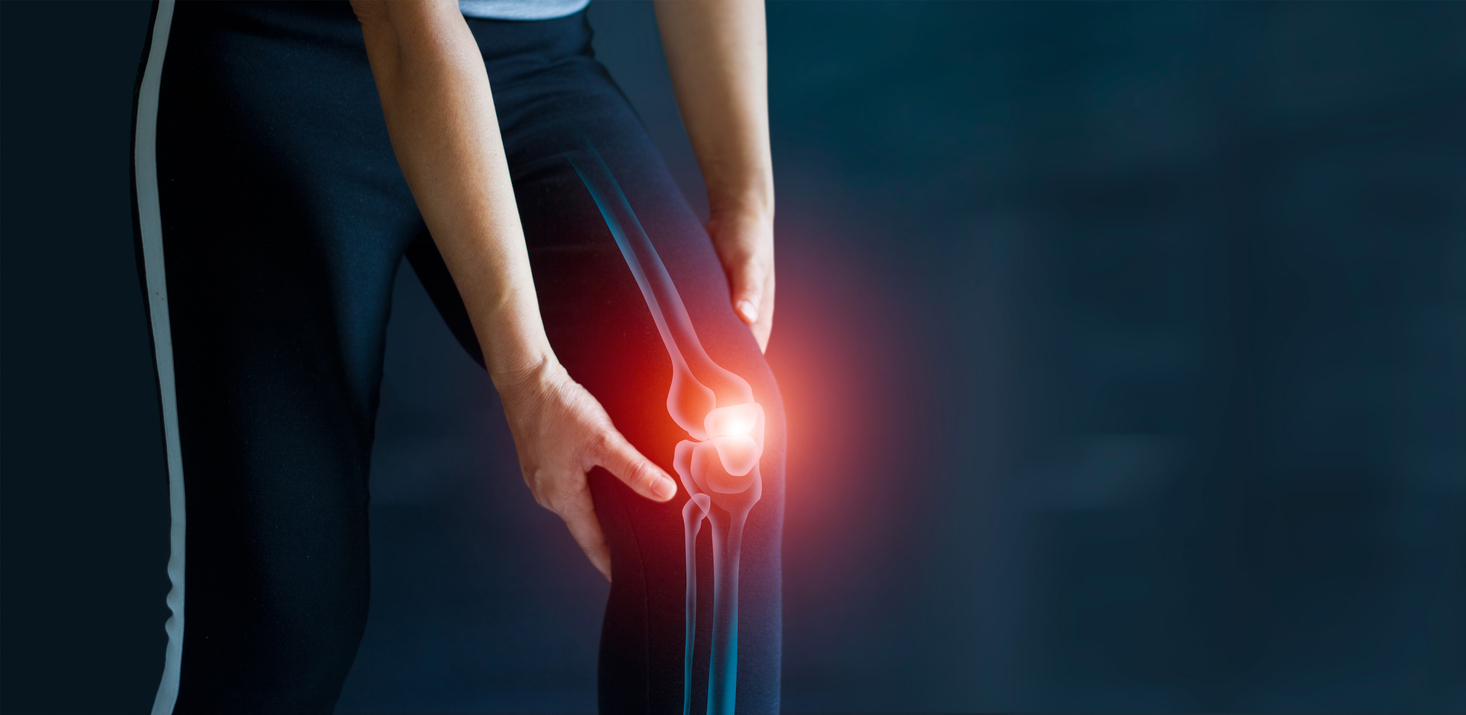
    A lot of people come to see me for physical therapy with the diagnosis of “Knee OA”, or osteoarthritis. Another common descriptor is “my knees are ‘bone on bone’”. And yet, many people don’t really understand what this means, how it happens, or what the general prognosis is following diagnosis. It’s no wonder that this can be very scary! The good news is that OA comes in slow stages of progression and isn’t an indicator of either pain or function in a lot of people.


    The term “arthritis” refers to inflammation (-itis) of a joint (arthr-). Osteoarthritis is the most common form of arthritis in the knees. It is a degenerative, wear-and-tear type of arthritis that occurs most often in people ages 50 and older. There is a gradual wearing away of the protective covering (articular cartilage) of the bones of the knee (femur, tibia, and patella), which results in a decrease in the joint space. As the cartilage wears away, it becomes frayed and rough. Over time, this can result in bone rubbing on bone and the development of painful bone spurs. The knee may become stiff and swollen, which may be worse in the morning or after prolonged sitting. Loose fragments of cartilage can interfere with knee range of motion and cause locking or a grinding noise (crepitus). But all of this usually doesn’t occur until the later stages of OA, so a lot can be done to manage symptoms and halt progression of this degenerative diagnosis.


    When a person comes to see me with this or any diagnosis, I always do an examination. With any type of wear-and-tear issue, the most important thing to evaluate is the body in motion. In the simplest of terms, humans are just very advanced machines. In the same way that your tires will wear unevenly if you don’t rotate them, your body will wear down if you don’t give it regular tune ups and move in multiple planes of motion! So typically if someone has developed OA in the knees, it’s due to traditionally both poor body mechanics and overuse of some sort. By improving the way in which we move, we decrease the wear and tear through our joints. Keeping the kneecaps (patellae) tracking over the feet, sitting back into the hips with heels-down squatting to keep the knees behind the toes, and maintaining strength in the core and hips all help minimize the amount of weight through the articular cartilage of the knees. Maintaining full joint range of motion allows weight to be transferred across a larger surface area and minimizes the amount of force through in any area in particular. It is important to note that the knees are pretty simple joints. All they really want to do is bend and straighten. If that’s all they do throughout their life, they tend to stay pretty healthy. It’s when medial, lateral and twisting moments occur at the joint that we see injury. It’s with overuse, such as overtraining, that we see wear-and-tear. But the fact of the matter is that we need weight-bearing exercise to maintain health of our articular cartilage. Studies have shown that 10% of sedentary people have knee OA as compared to only 3% of recreational runners. In elite/professional runners, the percentage increases to 13% due to the overuse. Add exercise in additional planes of motion, such as LYT™ yoga, which increases strength of the hips and core, increases muscle and joint flexibility, and focuses on proper joint mechanics, and I’d argue your chances diminish even further. So pay attention to how you move, stretch what’s tight, strengthen what’s weak, mobilize what’s stiff and stabilize what’s hypermobile. Create a more effective and efficient machine to combat knee osteoarthritis…or osteoarthritis of any joint for that matter! Movement is medicine! On that note, I’ll see you on the mat!


    Xoxo,

    Kristin

  • 693. Hypermobility + Movement with Whealth founder Katie Goss

    693. Hypermobility + Movement with Whealth founder Katie Goss


    Katie Goss, the co-founder of Whealth, is a dynamic advocate for personal health empowerment. Her journey from a critical care cardiac nurse to a driven entrepreneur was fueled by her desire to combat preventable illnesses stemming from poor lifestyle choices and the healthcare system’s lack of focus on prevention. After struggling with Ehlers-Danlos Syndrome, Katie co-founded Whealth to address comprehensive health, fitness, and vitality. 


    On this episode of Redefining Movement, Katie emphasizes the paramount importance of self-care and underscores her belief that health is the ultimate wealth. She also discusses her mission to bridge the healthcare system’s gaps, particularly aiding those with hypermobility conditions like HSD and Ehlers-Danlos Syndrome.


    In this episode, you will learn the following:

    • The healthcare system primarily treats rather than prevents medical issues. Investing in your health can help avoid common health concerns like diabetes and heart attacks.
    • A diagnosis of hypermobility or EDS doesn’t condemn you to a lifetime of suffering. Proper movement and habits can help you manage these conditions and live healthier lives.
    • Success, like health, requires daily effort, even when immediate rewards are lacking. Over time, you’ll be amazed at the progress you’ve achieved.


    Guest Resources:

    Connect with Lara Heimann, the Redefining Movement Podcast, and LYT Daily:

    Today’s podcast sponsor:

    Almond Cow – Visit almondcow.co/shop and use code LARA for a discount off your purchase!

    Herbal Face Food – Use code Lara20 for 20% off on your next purchase!


    Follow the podcast:


  • Regaining Balance: Utilizing Yoga To Enhance Proprioception in Physical Therapy

    Regaining Balance: Utilizing Yoga To Enhance Proprioception in Physical Therapy

    by Sarah Apple Kingsley, pt, dpt


    I have worked as a physical therapist for over 10 years, with the majority of my career having been with a geriatric population. Over that time I have worked in a variety of settings and levels of care including inpatient skilled nursing facilities, assisted living facilities, independent living facilities, and general outpatient independent home settings. Regardless of the level of care or a particular patient’s independence, for the geriatric population the most important factor is always BALANCE. During an assessment or evaluation a physical therapist will almost always test for balance in some way and is typically required to record their findings as indicators of fall risk. Goals are set to improve balance using functional scales as a measure of improving safety, independence, function, and quality of life.


    So what makes up balance?! Balance consists of 3 major centers of the body. Our visual system utilizes our eyes to see what we are standing or stepping on. Have you ever tried standing on one leg and then closing your eyes? Harder right? This is vision’s role in balance. Second, our vestibular system is in our inner ear, using tiny hair follicles as a way for our body to know where we are in space especially when turning the head and changing focus of the eyes. This system helps our body know we are not actually moving when we are sitting in a car watching our surroundings go by. When it is malfunctioning, vertigo symptoms become apparent. Try walking in a straight line and turning your head left and right. Can you keep a straight line, without falling over or getting dizzy? If so, then your vestibular system is functioning well.


    The final and in my opinion most important component of balance is PROPRIOCEPTION! The tiny little somatosensory receptors on our feet send signals to our brain and the rest of our body, joints and muscles about where we are in space. It is responsible for keeping our balance on a variety of different surfaces, narrowing our base of support, or changing where our limbs are in space. This is the one system that I believe we have the greatest ability to control and improve upon with physical therapy. Typical forms of physical therapy use a variety of tools and exercises to work on this system such as standing on a pillow or foam airex, a wobble board or half foam roller, single leg or tandem stance positions, and my personal old and new favorites the BOSU and a vibration plate. While each of these methods have their advantages, it wasn’t until I started using yoga techniques in my practice that I started seeing completely different results.


    The LYT yoga method explains in detail which parts of the body are meant to move and which are meant to stabilize, which helps target smaller muscle activation strategies that are important for functional movement patterns. Fun poses like airplane, single leg bridging and half moon, as well as transitions such as high crescent lunge into knee to chest all require the ability to stabilize on one limb. One legged stability is a huge balance challenge that works to improve your center, which most forms of common exercise do not. I have learned that you can’t simply tell someone to practice standing on one leg repetitively while expecting them to improve their single leg balance times. A variety of different movements are needed with targeted activation of different muscle groups that aid in supporting the body when in a single leg standing position, all of which need to be working in coordination. The LYT yoga method helps yogis gain these activation strategies as we build upon each move, starting small and working our way up. Progressing this way gets the body ready to support single limb standing positions as opposed to trying to go right into it and risk a fall or injury. By “training” or practicing in this manner, we can prepare the body to be more ready on a daily basis to support a load or react to a potential fall situation.


    Speaking of fall risk, being more rigid in the body (such as my patients with Parkinson’s Disease) puts you at a much greater risk for experiencing a fall. Yoga helps to open up the muscles, increase joint mobility and expand on ranges of motion to collectively experience movement in a more fluid way. Patients with this diagnosis may initially find yoga to be foreign and very difficult. When new ranges of motion become available and the body is able to move more fluidly, walking patterns improve, walking speed improves, and fall risk drastically decreases! 


    All of this to say, my practice as a therapist has been changed for the better since I implemented strategies, poses and movements that I have learned in my LYT yoga training. Whether you have Parkinson’s Disease or another diagnosis, this method can change your body for the better!