Tag: posture

  • 723. Wednesday Q&A: Cold/Heat, NeuroKinetic Therapy, & Piriformis Syndrome

    723. Wednesday Q&A: Cold/Heat, NeuroKinetic Therapy, & Piriformis Syndrome


    In this Wednesday Q&A, we answer your questions about to cool or heat an injury, neurokinetic therapy, and piriformis syndrome.


    Your questions:

    • In case of an injury, say muscle soreness or a twisted ankle, would you still recommend ice and cooling or moderate heat?
    • What are your opinions on NeuroKinetic Therapy as a modality of physiotherapy? There seems to be a divide in opinions, curious to know what you both think!
    • Piriformis syndrome – Can you explain what it is? Exercises to help out.


    To learn more, and for the complete show notes, visit: lytyoga.com/blog/category/podcasts/


    Do you have a question?


    Sponsors:


  • 722. Deep Dive: Reintroducing LYT

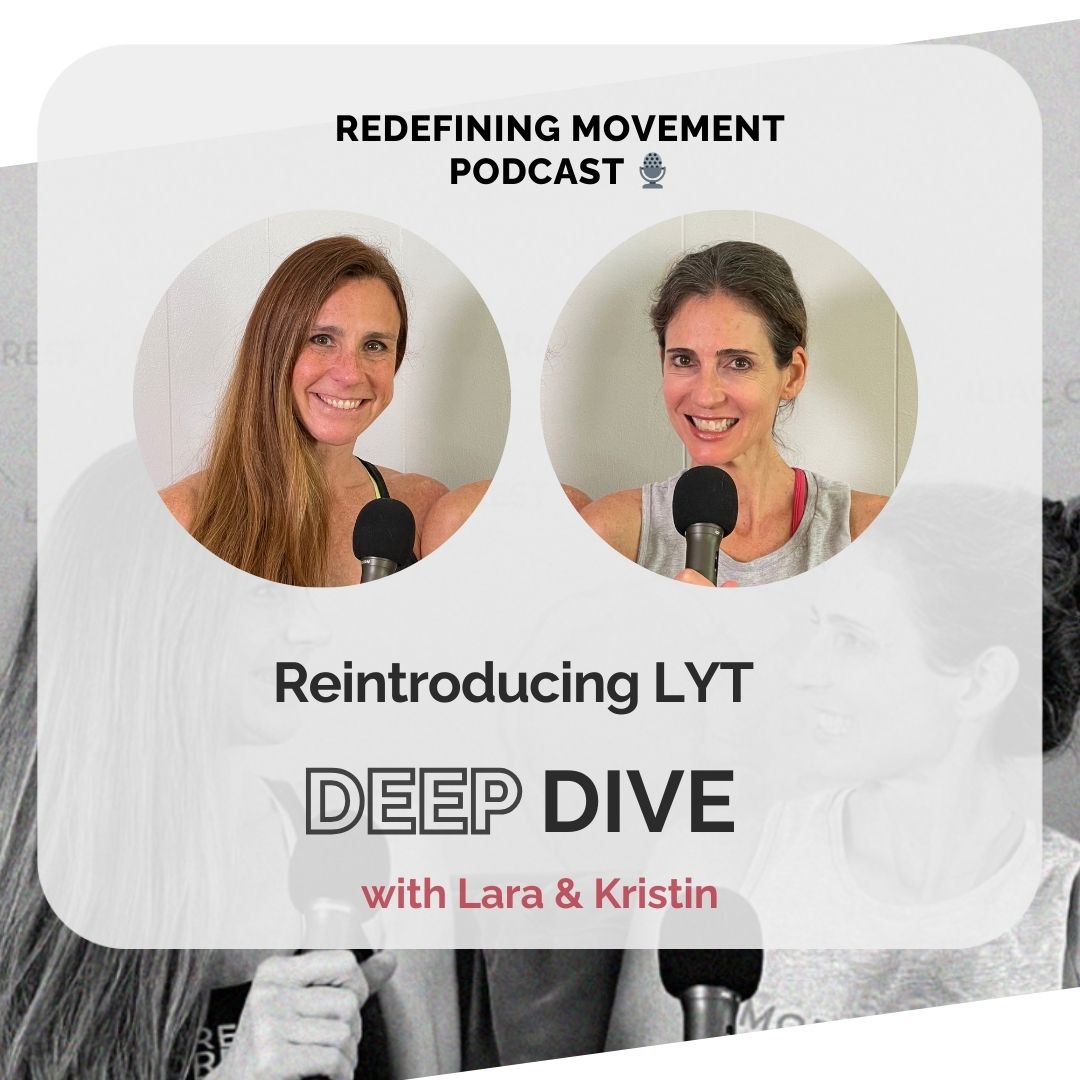
    722. Deep Dive: Reintroducing LYT


    Join Lara & Kristin this month for a deep dive into all things LYT. What is LYT Method? Let’s chat!


    In this episode, you’ll learn about:

    • Lara’s story of what led her to create the LYT Method.
    • How LYT is evolving the approach to yoga and movement.
    • Lara’s journey from teaching classes in her house to opening a studio to designing and teaching her own teacher training.
    • The creation of the LYT Daily platform.
    • Kristin’s story of what led her to yoga and why LYT resonated with her.
    • The future goals of LYT.


    There’s a lot to cover, so let’s dive in!


    To learn more, and for the complete show notes, visit: lytyoga.com/blog/category/podcasts/


    Do you have a question?


    Sponsors:


  • 721. Wednesday Q&A: Energy Levels, Posterior Pelvic Tilt, & Forward Head

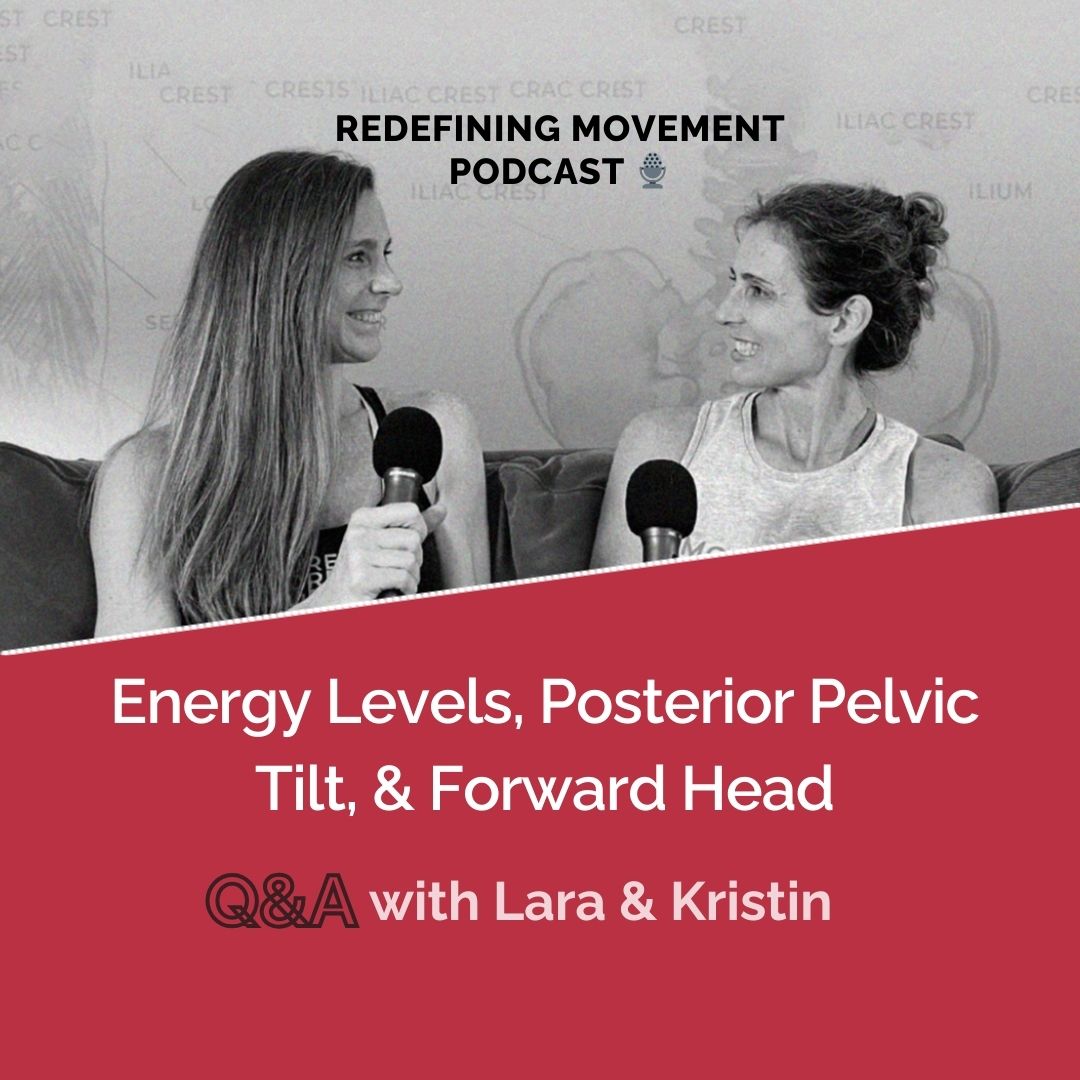
    721. Wednesday Q&A: Energy Levels, Posterior Pelvic Tilt, & Forward Head


    In this Wednesday Q&A, we answer your questions about high energy levels, how to correct a posteriorly tilted pelvis, and forward head and neck hump help.


    Your questions:

    • You two seem to have a lot of energy, share the secret sauce.
    • I’ve wound up over correcting my anterior tilted pelvis and created a slight posterior tilt. What would you both recommend to correct this?
    • My forward head is getting worse. Why do I have a neck hump and what can I do to get rid of it?


    To learn more, and for the complete show notes, visit: lytyoga.com/blog/category/podcasts/


    Do you have a question?


    Sponsors:

    • Visit almondcow.co/shop and use code LARA for a discount off your purchase!
    • Check out and sign up for LYT Daily and The LYT Studio, including our 1-week FREE trial of each here with this exclusive 20% off coupon code (LYTPOD24): https://lytyoga.uscreen.io
  • Resistance Training and Metabolism

    Resistance Training and Metabolism

    As I near the golden age of 50 in just a few short months, I find myself more and more interested in resistance training and its benefits. As a matter of fact I just joined a gym for the first time in well over a decade and the weight room is the main reason! I love that LYT has been focusing on the benefits of resistance training this month and one benefit that I’ve always heard about but never really understood the “why” behind was how it improves one’s metabolism. Knowing that menopause is right around the corner has me concerned about how my metabolism may be impacted. Full disclosure is that I’ve always been blessed with a high metabolism, but I’m concerned and expect that one day that will change. So I decided to do a little research on how resistance training and metabolism. 


    The first question that one could ask is what exactly is metabolism? Simply stated, it’s the chemical reactions in the body’s cells that change the food we eat into energy, which we need to move, breathe and think. Thousands of metabolic reactions are happening at the same time to keep our cells healthy and working. The resting metabolic rate is the rate at which a person’s body burns energy in the form of calories while at rest. This can be affected by a person’s genetic makeup, health issues, and by body composition, which is where resistance training comes into play. 


    When we exercise, we are breaking down and rebuilding muscle. Research has shown that resistance training creates a higher degree of muscle damage than aerobic training, and the muscle protein repair/synthesis process is an energy-demanding metabolic process. Estimates suggest that every pound of muscle burns roughly six calories per day at rest. While this may not seem like a lot, it’s three times as many calories as a pound of fat, which burns roughly two calories. So since lean muscle is more metabolically active than fat, a body with more muscle mass will burn more energy (calories) even at rest. This equates to an increase in the resting metabolic rate. Unfortunately for us, starting as early as age 30 the body begins to slowly lose muscle mass. Women lose up to 15% of the total body muscle per decade by the age of 50. So not only are we losing strength, but our metabolism is slowing due to the decrease in muscle as well. 


    In addition to changing body composition by increasing the amount of lean muscle, resistance training has been shown to increase the excess postexercise oxygen consumption (EPOC) as compared to steady-state aerobic training, like walking or jogging. Also known as oxygen debt, EPOC is the amount of oxygen required to return the body to its resting metabolic rate and explains how your body continues to burn energy after you’ve finished your workout. Similar to how a car has to cool down after it has been running, the body continues to burn calories at rest for a period of time after you exercise. Yet another metabolic perk for resistance training!  


    However, not all resistance training modes are created equal when it comes to metabolic benefits. Higher exercise intensities produce higher EPOC values. Performing compound exercises such as squats, deadlifts, lunges, pull-ups, etc, which recruit the most amount of muscle, and doing them at higher intensities such as HIIT (or plyometric LYT classes), are all great options for higher EPOC values. The same is true for lifting weights to stimulate the most muscle growth for increased metabolism. Finding the resistance that is heavy enough for you to perform only 8-12 reps per set with proper form will increase muscle size as compared to muscular endurance. Increased muscle mass yields increased metabolism…I think we see a pattern here.


    I don’t know about you, but I’m properly convinced to stay on my LYT mat doing my online classes which are full of compound bodyweight resistance training movements for the long haul. I’m also convinced that maintaining muscle mass as I age is a good step towards maintaining if not increasing my metabolism as well. If you haven’t checked out our Monthly Challenge called “Get Pumped”, you should! It’s full of resistance training coupled with our traditional LYT method blueprint. A definite win-win situation!


    Xoxo,

    Kristin

  • 720. Wednesday Q&A: Spinal Discs, Self-Consciousness & ACL Surgery Advice

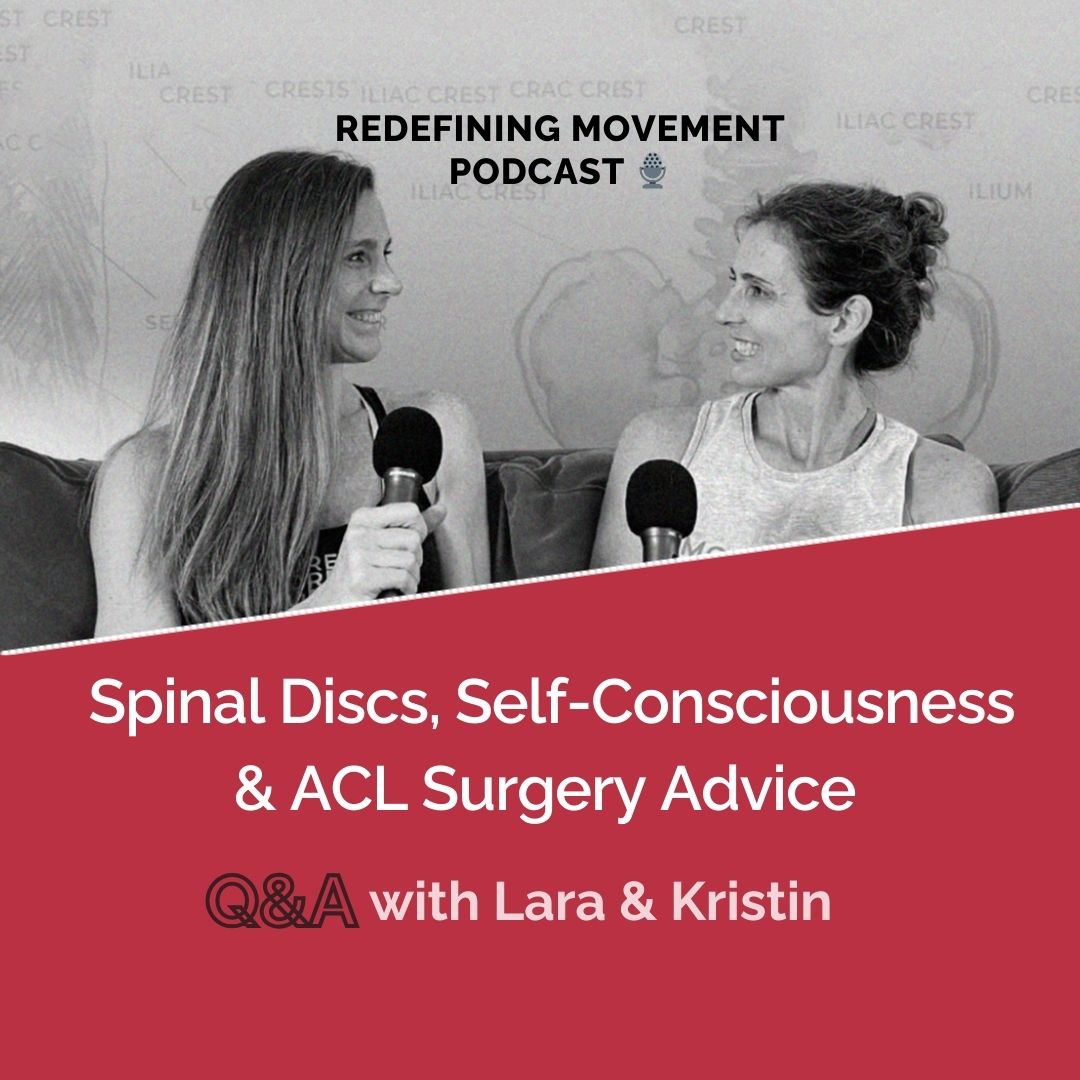
    720. Wednesday Q&A: Spinal Discs, Self-Consciousness & ACL Surgery Advice


    In this Wednesday Q&A, we answer your questions about spinal and herniated discs, self-consciousness and ACL surgery advice.


    Your questions:

    • Can please you explain how the (spinal) disc functions and is there a cure for herniated discs?
    • What do you suggest for feelings of self-consciousness or intimidation in gym or group fitness settings?
    • What’s the best advice for healing an ACL surgery as a competitive runner?


    To learn more, and for the complete show notes, visit: lytyoga.com/blog/category/podcasts/


    Do you have a question?


    Sponsors:

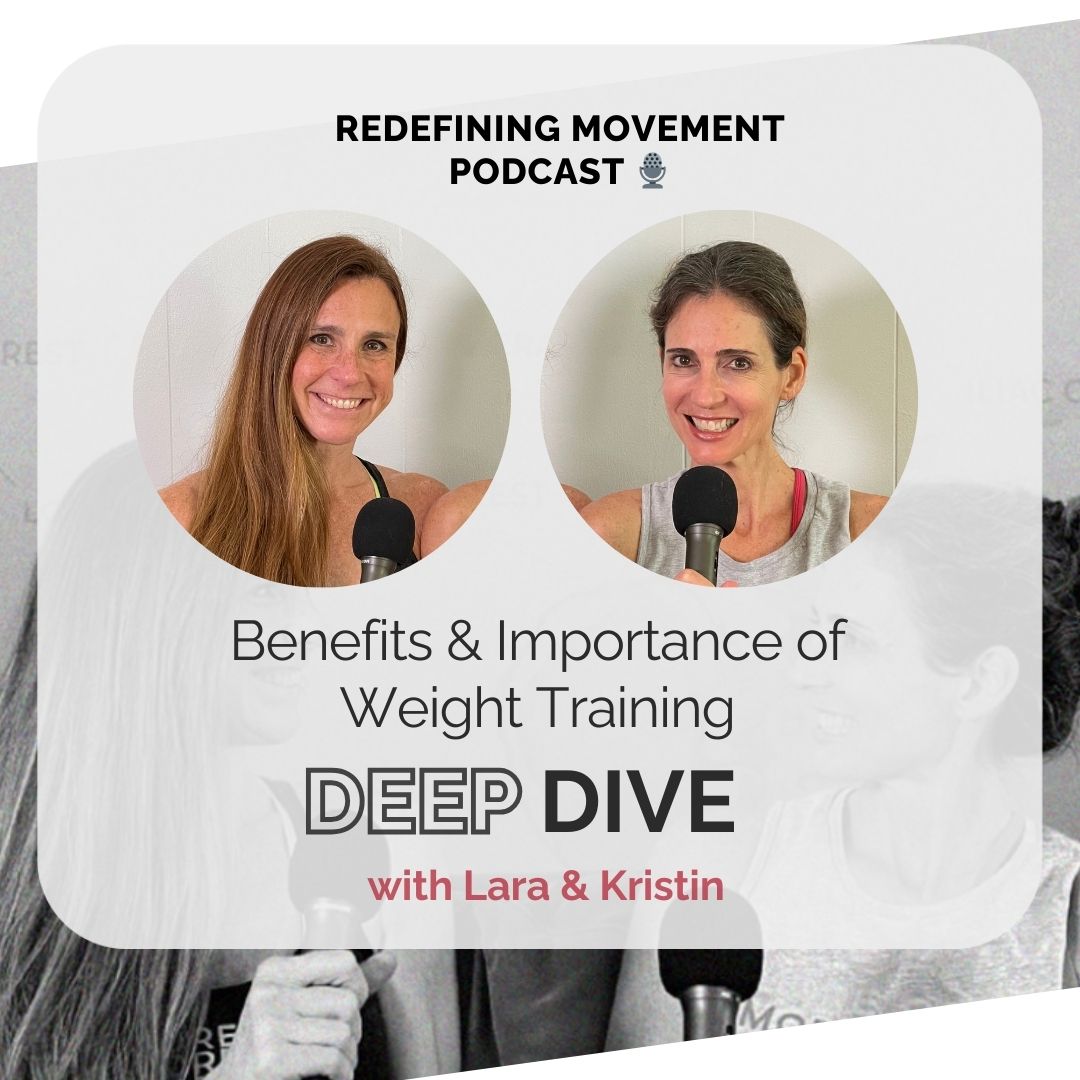
  • 719. Deep Dive – Benefits & Importance of Weight Training

    719. Deep Dive – Benefits & Importance of Weight Training


    Join Lara and Kristin for a deep dive into the benefits and importance of weight training!


    In this episode, you’ll learn about:

    • The benefits of weight training and weight-bearing exercises.
    • The positive impact these exercises can have on overall functional capacity, athletic performance, metabolism, and mental health.
    • The importance of proper form and gradually increasing intensity to avoid injury.
    • The advantages of these exercises in improving bone strength, joint stability, and mental well-being, especially in older adults.
    • The importance of muscle recovery, consistent exercise routines, and finding age-appropriate and lifestyle-suitable exercise habits.


    There’s a lot to cover, so let’s dive right in.


    To learn more, and for the complete show notes, visit: lytyoga.com/blog/category/podcasts/


    Do you have a question?


    Sponsors:

  • The Power of Strength Training and Why It’s Essential for Your Health

    The Power of Strength Training and Why It’s Essential for Your Health

    In a world filled with fitness trends and workout fads, one cornerstone remains true: strength training. Beyond the pursuit of beautiful muscles, strength training offers many benefits that go far beyond aesthetics. From improving overall health to enhancing daily functionality, strength training is an essential ingredient for daily life and longevity. Strength training (or resistance training) is a type of exercise that causes your muscles to resist an external force; this training intentionally loads the muscles and bones and can be performed using your own body weight, and/or outside weight via dumbbells, kettlebells, weight racks, or resistance bands. Strength training is truly having its day in the media spotlight and so to get you on board, let’s look at all the reasons that we should be doing it. 


    Strength training increases muscle mass, which in turn boosts your metabolism. Unlike cardiovascular exercise, which primarily burns calories during the activity, strength training leads to an “afterburn effect” where your body continues to burn calories even after the workout is over. This impact can help you maintain a healthy body weight to move more efficiently and joyfully in all decades of life. We know how amazing a LYT online class makes us feel- during and after- both physically and mentally. Exercise has long been associated with improved mental well-being, and strength training is no exception. The release of endorphins during exercise helps alleviate stress, anxiety, and depression, leaving you feeling happier and more energized.


    Strength training also improves muscular strength and endurance. This endurance not only makes daily tasks easier but also enhances athletic performance and reduces the risk of injury during physical activity. More than merely adding resistance to your routine, smart strength training involves movements that promote joint flexibility and mobility. By strengthening the muscles surrounding your joints, you can reduce the risk of injury and improve overall joint health. Specifically, working compound movement patterns (also known as functional movement like we incorporate into our LYT practice) such as squats and lunges enhance your ability to perform daily life activities with ease and independence. Maintaining strength and mobility is essential for maintaining independence as we age, and it is never too early to prime your body for lifelong musculoskeletal health. As we age, bone density naturally decreases, leading to an increased risk of fractures and osteoporosis. Strength training stimulates bone growth and helps maintain bone density, reducing the risk of fractures and promoting overall bone health. 


    Strength training will help older adults stay active, reduce the risk of falls, and improve overall quality of life. Because strength training improves functional capacity by enhancing muscle strength, power, and endurance, we can improve performance of activities of daily living such as walking, climbing stairs, lifting objects, and maintaining balance. By improving functional ability, strength training enables older adults to remain independent and active for longer.


    With aging, especially for women who are going through or are in menopause, strength training becomes increasingly important due to factors related to aging and hormonal changes. Age-related muscle loss, known as sarcopenia, begins as early as the fourth decade of life and accelerates after the age of 65. Strength training helps counteract this loss by stimulating muscle growth and preserving existing muscle mass. Osteoporosis, or loss of bone density, is common among older adults and increases the risk of fractures and falls. Strength training, particularly exercises that load the bones such as resistance training, can increase bone density and reduce the risk of fractures, thus promoting bone health and longevity. With falls in the elderly being a leading cause of injury and mortality, strength training proves its worth by improving balance, coordination, and proprioception, all essential ingredients for preventing falls. By strengthening muscles and improving stability, strength training reduces the risk of falls and associated injuries, thereby enhancing safety and quality of life. Additionally, strength training has been shown to be effective in managing and preventing chronic conditions such as arthritis, diabetes, and cardiovascular disease, by improving insulin sensitivity, lowering blood pressure, reducing inflammation, and promoting overall cardiovascular health.


    So I hope you are convinced of the value of incorporating strength training into your wellness routine! In addition to my daily LYT practice which offers plenty of bodyweight strengthening moves, I have started adding extra weights in smaller doses or in lighter loads for longer time to build more endurance and prevent muscle loss. For more direct loadbearing on my spine, a common area for osteopenia, I began rucking about seven months ago. Rucking involves hiking/walking with a special pack that holds weighted plates. On both of our membership platform- LYT Daily and LYT Studio- we have strength classes. The “SET with weights” is one of my favorite classes to teach and practice, so join in on the fun with me or one of the other LYT teachers.  Incorporating strength training into your workout routine doesn’t have to be complicated. Whether you prefer lifting weights at the gym, bodyweight exercises from the convenience of your home, or resistance bands during your lunch break, the key is to find activities that you enjoy and can stick with consistently. 

  • 5 Simple Core Strengthening Exercises

    5 Simple Core Strengthening Exercises

    In the LYT Method, we stand by the motto “More Core” for a reason. Whether you’re reaching for something, balancing, getting up off the floor, or simply standing in one place, the muscles of the core are working to keep your spine and pelvis stable. Unfortunately, many people are weak in their core. Most people think only of the abdominals when they hear the term “core”, but there’s a much broader picture to consider when wanting to strengthen this area. We need to consider not only the spine, but also the girdles of the shoulders, hips, and pelvis when incorporating core strengthening exercises. 


    Why does core strength and stability matter and why incorporate core strengthening exercises? Movement of the body through space depends on the creation and transfer of forces between different segments of the body. For example when we bend over to pick something up off the floor, not only do we need the strength of the arms to lift the object up, but we need to stabilize and lift through the lower body and transfer force through the trunk just to make this movement occur. Failure to do so successfully can increase the risk of injury anywhere along this chain of movement. 


    Core stabilization exercises have been shown to reduce the risk of this type of injury, as well as decreasing pain, reducing disability, and restoring/increasing strength. When core muscles are activated, there is an increased stiffness of the spine which enhances stability, allowing for this transfer of force. We need to strengthen not only the deep postural muscles but also mover muscles, as both have been shown to be key in stability. 


    Here are five simple (yet challenging!) exercises to improve your core stability:


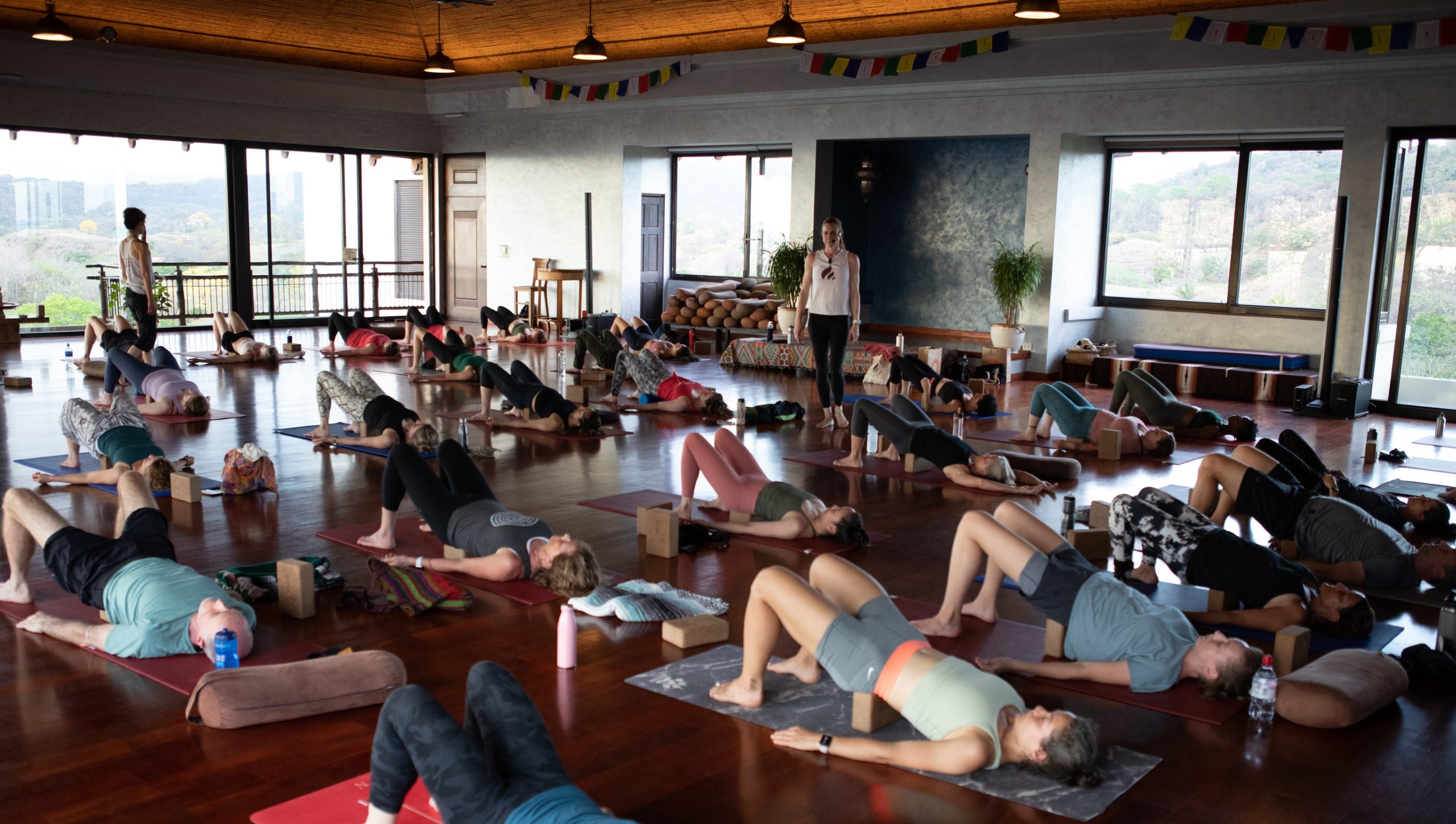
    1. Glute Bridge – as the largest muscle in the body, the glutes play a huge role in core stability, acting as both a mover and a stabilizer.
      •  Lie on your back with your knees bent and feet flat.
      •  Press down through the feet to lift the pelvis up off the floor, elongating in the spine (do not press up too high or the back will arch).
      •  Hold for 2-5 seconds, keeping the pelvis level. Lower down with control.
      •  Do 3 sets of 10-15 repetitions.
    2. Supine March – holding the spine stable while moving the lower extremities is Core Stabilization 101. 
      •  Lie on your back with your knees over the hips and shins parallel to the floor (feet off the ground).
      •  Keeping the knee bent, slowly lower the left leg to tap the toes to the floor. Do not let the back arch up or allow the ribs or pelvis to move. 
      •  Return the left knee over the hip and repeat with the right leg. That is considered 1 repetition.
      •  Do 3 sets of 10 repetitions.
    3. Side Bridge – this exercise targets the deep oblique abdominals as well as the stabilizing muscles of the shoulder and hip.
      •  Lie on your left side with your knees bent to 90-degree angles and your elbow underneath your shoulder.
      •  Lift your bottom hip off the ground, trying to keep your knees, hips, and upper body in one long line.
      •  Hold for 10 seconds. Try to work your way up to a 1-minute hold!
      •  Do 10 holds on each side. As you increase your hold time, decrease your repetitions.
    4. Forearm Plank – this is a 1-stop shop exercise, targeting all the layers of your abdominal wall, as well as the shoulders, upper back, thighs, and glutes.
      •  Start on your hands and knees and then lower the forearms to the ground with the elbows under the shoulders.
      •  Walk one foot back at a time, tucking the toes under and keeping the knees off the floor.
      •  Hold this position without letting the back arch or hips drop, while keeping the neck long and in line with the trunk.
      •  Hold for 10 seconds. Try to work your way up to a 1-minute hold!
      •  Do 3-5 repetitions. As you increase your hold time, decrease your repetitions.
    5. Half Kneeling Chop – another 1-stop shop exercise that combines core stability, balance and hip stability, and shoulder strength all together.
      •  Start on your hands and knees and then lift your hands off the floor coming into tall kneeling.
      •  Step the left foot forward so both knees are bent to 90-degrees. The left foot will be directly under the left knee and the right knee will be directly under the right hip.
      •  Option to hold a light weight in the hands or simply clasp the hands together.
      •  Rotate the torso towards the right leg, bringing the weight towards that hip, keeping the arms extended. This is the start position.
      •  Using your abdominals, rotate the trunk to lift weight diagonally across the body and above the left shoulder, keeping arms extended. 
      •  Reverse to the starting position. This is one repetition.
      •  Do 2-3 sets of 10 repetitions on each side.


    If you’re familiar with the LYT Method, all of these exercises should look familiar to you as we do these and variations of them in each and every class. More Core is not about getting six-pack abs, although that is an added benefit that many find comes with the territory. It’s about creating a readiness in the body to move well and prevent injury. It all starts with core stabilization, so give these a try! 


    Xoxo,

    Kristin