Tag: motivation

  • Why do I have to pee all the time?

    Why do I have to pee all the time?

    by Ashley Newton, PT, DPT


    If your family was anything like mine, before a car trip, my mom would always ask if everyone made sure they had gone to the bathroom. And even if you didn’t have to go at that moment you would make a trip to the bathroom to try to avoid any stops on your car trip. Fast forward to today when lots of adults urinate ‘just in case’ before they go out to the store, feel like they are constantly going to the bathroom, and wait in ridiculous lines to use the toilet. What is going on? Why do people feel the almost constant urge to urinate? The answer is multi-layered, but I will discuss causes that fall into the following categories: neuromuscular, musculoskeletal, and dietary.


    The first thing that you need to know is that as the bladder fills, we get our first experience of urinary urgency at 50% full. The amount of time it takes a bladder to fill is 2-4 hours! However, the connection between the bladder and the brain is very smart and if someone starts to urinate more frequently, the body starts to experience urinary urgency earlier and earlier. As a result, people feel like they have to go to the bathroom more frequently even though their bladder is not full. The behavior ultimately trains the brain and bladder! 


    The bladder is surrounded by a muscle called the detrusor. When the detrusor contracts, it pushes urine out of the bladder. If the detrusor is contracting too much, it gives the sensation of urinary urgency. We also know that fascia suspends the bladder and that the pelvic floor muscles support it. If there are issues with pelvic floor coordination and/or strength, the muscles are not doing their job of supporting the bladder. Dysfunction in the muscles of the pelvic floor can cause urinary urgency as well.


    Lastly, there are known foods and drinks that cause bladder irritation. Bubbles from seltzer, citrus, coffee, and chocolate, just to name a few. These foods irritate the bladder lining and can cause the sensation of urgency. Now it is important to note that since the urine inside the bladder plays a role in urgency, restricting water in an attempt to not go to the bathroom actually worsens irritation! This actually makes the urine more concentrated and thus more irritating to the bladder wall. 


    If you feel like you are going to the bathroom ‘all the time’, it may be helpful to consult your local pelvic health physical therapist to retrain the brain and body so that life is not so interrupted by trips to the bathroom.


    I am excited to share tips and education with you in LYT newsletters to come! Follow me on Instagram @ashleynewton_dpt and @activcoreprinceton_pelvic for weekly content on pelvic floor, the nervous system, yoga, and wellness!


    Xoxo, 

    Ashley
  • 544. Shifting Away From Internal Conflict with Adele Spraggon

    Adele Spraggon is an award-winning author, thought leader, international trainer, and a fearless speaker. Her book “Shift: 4 Steps to Personal Empowerment” is making waves for its powerful message of inspiration and hope and transforming how people are setting and achieving their goals. 

    After years in the personal development industry, Adele realized that she was struggling herself to meet her goals – and when she got real with her clients, many of them were as well. She went back to school to learn everything she could about how people make decisions and she realized that the vast majority of self-help advice was coming from the wrong operating instructions. 

    We talk about the difference between habits and patterns, balancing the hemispheres of the brain to avoid internal conflict, and so much more.

    To learn more, and for the complete show notes, visit: lytyoga.com/blog/category/podcasts/


    Resources:


    Redefining Yoga is produced and published by Crate Media.

  • Train Like A Girl

    Train Like A Girl

    Follow the Rhythm of Your Monthly Cycle and Optimize Your Training


    Did you know that as females, we run on two different biological clocks? We have a circadian rhythm that runs on a 24-hour cycle and the infradian rhythm that runs on a 28-day cycle. Everyone has a circadian rhythm. It runs many physiological processes such as a cortisol spike in the morning to wake you up and melatonin in the evening to lead you into sleep. It regulates digestion, body temperature, metabolism, sleep, elimination, and more. Your circadian clock is relatively the same day in and day out. From puberty until menopause, females have a second clock that is not often talked about but has tremendous effects on our energy levels, workflow, and you guessed it – our exercise tolerance. So here is everything you didn’t know you needed to know about your infradian clock so you can work smarter, not harder and train like a girl. 


    The infradian rhythm aligns with your menstrual cycle. The menstrual cycle has four phases – follicular, ovulatory, luteal, and menstrual. Hormones fluctuate in each phase. Disruption of this clock can affect your physical health and lead to a range of problems from poor skin health, gut health, low energy, mental health changes, etc. The first step to training like a girl is to heal any hormonal imbalances to align with your body’s natural monthly rhythm, a topic that deserves more space than this article can provide so please seek out more resources to heal hormone imbalances if this is you. 


    The follicular phase begins right after your bleed ends, lasting for 7-10 days. All hormones are low and begin to increase in concentration. It’s the phase to prepare and begin again. The ovulatory phase (3-4 days) happens with a stark rise in estrogen and luteinizing hormone to stimulate follicule maturity and egg release. Testosterone rises as well. This is a time to socialize, try new things, and open up. Next is the luteal phase. Lasting 10-14 days, this is where estrogen, progesterone, and testosterone reach their peak concentration and then begin to fall to their lowest levels, right before bleeding begins. PMS is a common (but not necessary) symptom in this phase. It’s a natural time to complete tasks, draw inward, and organize your space. Lastly, the menstrual phase lasts 3-7 days and is categorized by the bleed as the uterus sheds the endometrial lining. Hormones fall to their lowest concentrations. It’s a great phase to rest and reflect. Now that you are familiar with your female biology, let’s see how you can use it to your advantage when training. 


    • Follicular phase: energy is rising after a time of rest. You are naturally open to new things so shake it up with a new instructor on LYT PRIME. 
    • Ovulatory phase: Estrogen and testosterone are peaking meaning you have energy to burn. Turn your training up a notch with more advanced classes or LYT HIIT (high-intensity-interval-training). 
    • Luteal phase: In the first 5 days, energy will still be high as estrogen and testosterone have not declined yet. As progesterone rises, calm the cardio and focus on strength training as your hormone levels are prime for maximizing lean muscle gains. During the second half of the luteal phase, all hormones start to decline which will affect your ability to build muscle. Switch your training to focus on mobility and slow flow classes. 
    • Menstrual phase: hormones are at their lowest and your energy is low as a result. Avoid high-intensity training and focus on more restorative or stretch classes. 


    Here is sample chart of how to structure your LYT Daily and LYT PRIME subscriptions to align with your infradian rhythm: 


         Follicular Phase      Ovulatory Phase      Luteal Phase      Menstrual Phase
         Full week of trying

         new classes/instructors     

         on LYT PRIME  

    • LYT HIIT 
    • Workshops 
    • Intermediate & Advanced classes      
     

         First half: 

    • Strengthening     
    • Full Body

         Second half: 

    • Slow Flow 
    • Posture 
    • Foundational
    • Meditation     
    • Breath
    • Stretch
    • Bliss


    Rather than force yourself to train the same every single day and beat yourself up for not being able to “keep up” like you usually can, try training in a more cyclical nature. When I finally let go of needing to be consistent in that way and instead allowed myself more rest in my late luteal and menstrual phases, I was surprised to find I had more energy, better results, and more mental wellbeing. Train like a girl and embrace your feminine rhythm to unlock your yoga practice in a new way. 


    Reach out and tell me how it feels! I would love to hear from you. 


    XO, 

    Thalia Wynne, PT, DPT, AT

    @thalialovee 


    Source: In the FLO by Alisa Vitti

  • Plantar Fasciitis

    Plantar Fasciitis

    by Sarah kingsley


    Plantar Fasciitis is one of the most common causes of heel pain today. Best known for its hallmark sign of a nagging, aching, burning, or stabbing pain in the heel or bottom of the foot, plantar fasciitis is often felt first thing in the morning when you put your feet down on the ground. The thick band of connective tissue on your foot that connects the calcaneus (heel bone) to the toes becomes dense, restricted, and leads to pulling and pain throughout the foot and ankle complex. The reasoning for this is largely unknown, however, it is especially common in runners and those who are overweight. The connection has to do with the major fascial connective system that surrounds every tissue in our body. The positioning of the pelvis plays a major role down the fascial chain, creating 2000lb/square inch of pressure. That’s the equivalent of a steel cable pushing you forward into this anteriorly tipped position! This is evident in runners due to restrictions in their hip flexors and repetitive forward momentum, and those who are overweight due to the abdominal distension pulling them forward. This immense pressure is translated down into the feet, causing pain.


    Breaking up the fascia is the best way to find immediate symptom relief. This can be done using stainless steel instruments (or a utensil such as a butter knife) to scrape away at the bottom of the foot in various directions, around the heel, and up into the calf region. Standing on a vibration platform is also great for breaking up fascial adhesions and restrictions. You can stand statically, or perform calf raises and toe raises, bending at the base of the ankle and keeping the base of your toes down and spread wide. A third way to break down adhesions is with eccentric exercise – strengthening in the lengthening phase of a contraction. An eccentric calf raise works wonders for the gastroc/soleus complex that connects to the plantar fascia through the Achilles tendon. Stand at the edge of a step (or even better at the edge of your vibration plate!) and quickly press down through the base of your toes to lift your heels, then slowly lower the heels down as far as possible, feeling a stretch in the back of your calves before quickly lifting the heels back up and repeating. Each time you should feel yourself being able to go down a little bit lower. But don’t forget the position of your pelvis! Scoop your low belly up and in and maintain a neutral pelvis as best as possible during the exercise.


    For long-term symptom relief, we need to address the source of the issue – which is likely the positioning of your pelvis! The two most common populations to experience this type of pain are often known for an anteriorly tipped pelvis (pitched forward in space). Restrictions in the hip flexor muscles coupled with weak gluteals and hip extensors to counteract these forces create a perfect recipe for disaster! Our LYT yoga practice moves us through the perfect exercises to correct these forces. A few to try out:

    1. Stretch the hip flexors in the 90/90 lunge position, activating the back gluteal and engaging your abdominals to feel a stretch in the front of the hip and thigh.
    2.  When on your back with your knees bent, bring your hands to your thighs and press them away as you pull your belly to your spine and root your tail towards your heels to create a tractioning of the hips and low back biasing posterior pelvic tilt holding for 3 seconds and relaxing.
    3. Progress to actively work the gluteals and hip extensors by performing a bridging motion lifting the hips up, and staying low not to overly activate the spinal extensors as a substitution.


    Stretching the calf muscles can also help relieve symptoms. Begin facing a wall with your hands on the wall and one foot in front of the other in a staggered stance position. Make sure your toes are pointed forwards. Keep your back heel down as you bend into your front knee until you feel a stretch in the back of your calf on the back leg. Hold for 30 seconds and repeat 3 times. Perform this exercise both with your back knee in the straightened/extended and in the bent positions to be sure to get both your gastroc and soleus muscles respectively.


    Using a brace to keep your ankle in a neutral position or to provide a passive stretch into the dorsiflexed position while sleeping can also provide a passive stretch to the fascial tissues and help prevent pain upon waking in the morning.


    References:

    https://www.mayoclinic.org/diseases-conditions/plantar-fasciitis/symptoms-causes/syc-20354846

  • What is a BLISS class?

    What is a BLISS class?

    Bliss means to “reach a state of great joy” and the BLISS class is structured to do just that, for the body and mind. The BLISS class follows the blueprint of a regular LYT class with a focus on repetitive mobility and myofascial stretching to leave you feeling more spacious and blissful. The pace is slowed down so that you can find the pauses and release any tissue (or issue) stickiness that can make us feel agitated and imbalanced. A BLISS class is themed like any LYT class, to hone in on a particular body area or physical and spiritual endeavor. By the close of class, both the body and nervous system will feel more balanced and receptive to relax in bliss.


    Take me to BLISS classes on LYT Daily!

  • What is a SET class?

    What is a SET class?

    When I was traveling about 10 years ago, I created the SET class idea in my own practice.  I found that when I was away from home and traveling with my family, I didn’t have as long of a time to practice so I wanted to make it a very efficient movement experience while helping to unwind any kinks of travel or holiday activities. I begin to share the SET class during a retreat I was leading, and everyone loved it and asked me to continue teaching more SET classes in my regular class line-up. I think many people appreciate the efficiency, repetition, and overall robust movement variability and sweat(!) that a SET class provides. With the blueprint, a SET class can be tailored to any level, intensity, or duration, offering lots of flexibility and accessibility.


    The blueprint starts the same as a regular LYT class, with a RESET to organize the pelvis and spine and activate the entire core musculature. It can include a Sun Sal 1 or go right into the first “set”, a series of movements that is similar to our STREAM in other classes. The set can be anywhere from 5-15 minutes, depending on the complexity and intended duration. It is repeated on both sides and then the class could be finished or another set can be added. The second set repeats the first with some changes, add-ons, or amplifications such as adding plyometrics. The second set is also repeated on both sides.


    The duration and complexity of each set can be adjusted to the level and duration of the class, but no matter what, a SET class will mobilize and rejuvenate the body and spirit and set you up to feel LYT UP.


    Take me to SET classes on LYT Daily!


  • Scapular Winging

    Scapular Winging

    Scapular winging…it’s one of those mysterious musculoskeletal diagnoses that you might never hear of until you get it…and then it seems like literally everyone you come across has it or knows someone who has it! As a physical therapist, if I had a dollar for every person who asked me to “fix” their winged scapula, I’d be rich. Ok, maybe not rich, but I think you get the picture. 🙂 So what is scapular winging and what can you do about it?


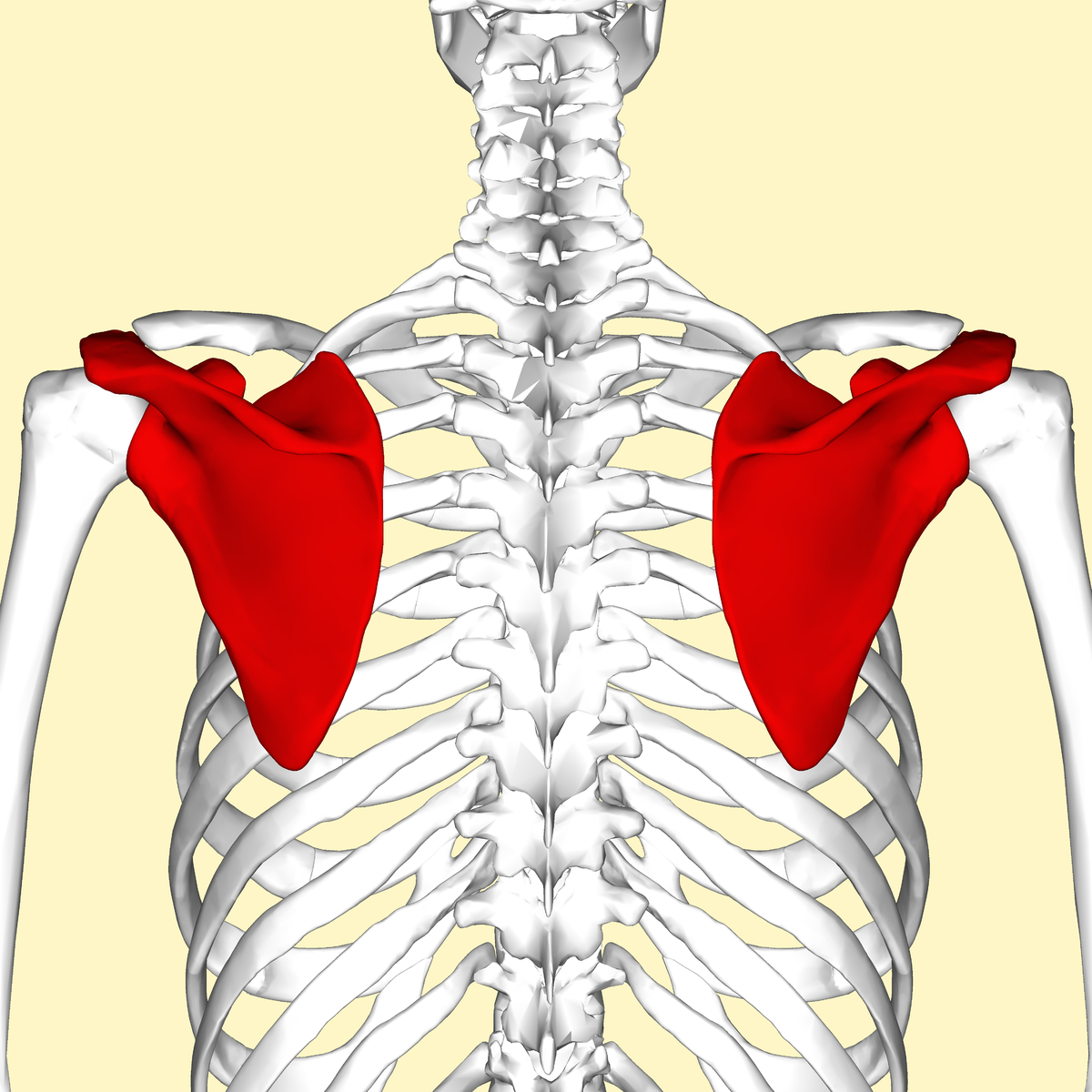
    Scapula is the anatomical term for the shoulder blade. Under normal conditions, the scapula should rest flush upon the thorax and move along the rib cage in conjunction with the upper extremity. Scapular winging is when the medial border, closest to the spine, pops off the ribs and “wings out”. So what causes it? In most cases, scapular winging is caused by damage to one of three nerves:


    • Long Thoracic Nerve – innervates the serratus anterior, which attaches to the medial border of the scapula from ribs underneath
    • Spinal Accessory Nerve – innervates the trapezius muscle, which attaches to the spine of the scapula
    • Dorsal Scapular Nerve – innervates the rhomboid muscles, which attach to the medial border of the scapula from the spine


    Various sports or blunt traumatic related injuries can cause injuries to the nerves and yield scapular winging. Surgeries can also damage the nerves, specifically those surgeries related to breast cancer. In many instances, people develop scapular winging as a result of repetitive upper extremity motion. Greater than 50% of medial scapular winging is caused by a traction nerve injury to the long thoracic nerve. So think of repetitive throwing, overhead volleyball serves, wearing a heavy backpack, or overhead weightlifting. Many cases of injuries to the long thoracic nerve which temporarily paralyze the serratus anterior will resolve on their own within 2 years, as long as the repetitive stretching stops.


    Rehabilitation following atrophy of the scapular stabilizers can be long and arduous. Depending on the severity of the scapular winging, a visit to your local physical therapist may be warranted. However, so much of what we do in LYT yoga addresses scapular stability and the serratus anterior in particular. Use of manual and visual cues to encourage forced use of the serratus on the side of the dysfunction can help to speed up recovery once the neural trauma is resolved. Maintaining optimal posture both on your mat and off also help to facilitate a neutral scapula and cervical spine, which facilitate healing and strengthening as well. So if your scapula wings, it’s not the end of the world. No need to “fly” off the handle! (Bad pun, but I couldn’t resist!) Take a hard look at what might have caused or be causing the issue and go from there. See a physical therapist for specific treatment. And as always, get on your mat and keep those scapulae neutral! Fly high friends!


    Xoxo,

    Kristin

  • 538. Tribute to Caregivers

    May is a month for celebrating and recognizing mothers. Along with mothers, there are many others that share the role of caregiving, taking care of people in their lives, whether they’re parents, a spouse, or otherwise. In this Monthly Motivation episode, we explore the deeply emotional and important topics of mothering and caregiving and how to ensure you don’t lose yourself in the act of caring for others.

    To learn more, and for the complete show notes, visit: lytyoga.com/blog/category/podcasts/


    Resources:


    Redefining Yoga is produced and published by Crate Media.