Tag: motivation

  • 683. Monthly Motivation: Creative Breaks Are Good

    683. Monthly Motivation: Creative Breaks Are Good


    Join Lara for a conversation about the importance of creative breaks and creativity.

    we are all creative in some way – there are ways to enhance it to our benefit. In this episode, learn about: 


    • How being creative impacts problem-solving.
    • The significance of creativity in human history.
    • How creativity is tied to our brain reward centers.
    • How letting the mind wander fosters creativity.


    …and so much more!


    To learn more, and for the complete show notes, visit: lytyoga.com/blog/category/podcasts/


    Connect with Lara Heimann, the Redefining Movement Podcast, and the LYT Method:


    Sponsors:

    • Visit almondcow. co/shop and use code LARA for a discount off your purchase!
    • Shop my favorite 100% Science-Backed Amino Acid Supplements. Enter code “LYT” to save 30%. aminoco.com/LYT


    Follow the podcast:

  • 680. Understanding & Resolving Chronic Pain with Nicole Sachs

    680. Understanding & Resolving Chronic Pain with Nicole Sachs


    Join Lara for a conversation with Nicole J. Sachs, LCSW, a renowned psychotherapist, speaker, writer, and podcaster who specializes in the treatment of chronic pain and related conditions.

    With her book The Meaning of Truth and her online courses “Freedom from Chronic Pain” and “Freedom from an Anxious Life,” she has guided hundreds of thousands of people worldwide toward lives of freedom. Through her brand, The Cure for Chronic Pain, including her Website, YouTube Channel, and Podcast with over 3 million downloads, Nicole Sachs shares her personal experience and transformative work with individuals, teaching them how to heal themselves without medication or surgery. Drawing from the pioneering work of Dr. John Sarno, Nicole’s programs utilize a unique personal narrative, JournalSpeak, to rewire neural pathways, allowing the mind and body to achieve equilibrium and dissolve chronic symptoms. Nicole’s passion, expertise, and personal journey inspire individuals to reclaim their lives, find inner strength, and embrace a newfound freedom for living.


    In this episode, you’ll learn about:

    1. Nicole’s personal story, particularly as it interfaces with chronic pain.
    2. The role of psychology and understanding the root causes of chronic pain.
    3. Why it can be so difficult to get out of chronic pain.
    4. The interconnectedness of physical pain, anxiety, and stress.
    5. Recommendations for a lifestyle that can prevent chronic pain.
    6. The importance of support and knowing that you are not alone when experiencing pain and suffering.


    To learn more, and for the complete show notes, visit: lytyoga.com/blog/category/podcasts/


    Guest Resources:


    Connect with Lara Heimann, The Redefining Yoga Podcast, and LYT Yoga:


    Sponsor:


    Follow the podcast:

  • 678. Anti-Inflammatory Medicine: Napropathy & Nutrition with Dr. Patrick Nuzzo

    678. Anti-Inflammatory Medicine: Napropathy & Nutrition with Dr. Patrick Nuzzo


    Join Lara for an introduction to napropathic medicine with Dr. Patrick Nuzzo, DN.


    Dr. Patrick Nuzzo and his passion for the restorative, regenerative lifestyle and the anti-inflammatory diet began in 1974 during his nutritionist studies, motivated by the loss of his influential naprapath uncle. He made significant contributions to the natural foods industry, developing renowned nutritional supplements and partnering with notable figures like Walter Payton. In 1983, Dr. Nuzzo graduated as a Doctor of Naprapathic Medicine and successfully managed Naprapathic practices in multiple locations. His efforts led to the introduction of the Naprapathic Practice Act in New Mexico in 2000. This eventually paved the way for the establishment of Southwest University of Naprapathic Medicine (SUNM) in 2010, which became the first accredited school of Naprapathic Medicine in 2021. 


    In this episode, you’ll learn about:

    • what is napropathy and what is its history.
    • the importance of opening pathways in the body to heal.
    • the impact of trauma on the body, particularly in early childhood.
    • about the regenerative lifestyle and anti-inflammatory medicine.
    • about the triumphs and challenges of establishing napropathy as a legitimate field of study and practice.


    To learn more, and for the complete show notes, visit: lytyoga.com/blog/category/podcasts/


    Guest Resources:


    Connect with Lara Heimann, The Redefining Yoga Podcast, and LYT Yoga:


    Sponsors:


    Follow the podcast:

  • 649. The How and Why of Surrender with Kute Blackson

    649. The How and Why of Surrender with Kute Blackson


    Join Lara for a conversation with Transformational Speaker and Best-selling Author and returning guest Kute Blackson.

    He is a beloved inspirational speaker and transformational teacher. He speaks at countless events around the world. Kute is a member of the Transformational Leadership Council, a select group of one hundred of the world’s foremost authorities in the personal development industry. Winner of the 2019 Unity New Thought Walden Award, Blackson is widely considered a next-generation leader in the field of personal development.


    His mission is simple: To awaken and inspire people across the planet to access inner freedom, live authentically, and fulfill their true life’s purpose.


    In this episode of Redefining movement, listen in as Kute dives deep and shares his thoughtful insights with Lara on:

    • Kute Blackson’s latest book The Magic of Surrender: Finding the Courage to Let Go.
    • the concept of surrender and its power to transform one’s life.
    • the meaning of surrender and acceptance, the strength that comes with them, and the importance of acknowledging the truth about oneself.
    • tips on how to start surrendering, including surrendering attachments and acknowledging the truth.
    • the role of ego in your every day life and the importance of active participation in change.


    To learn more, and for the complete show notes, visit: lytyoga.com/blog/category/podcasts/


    Guest Resources:


    We love to connect with you! Reach out to Lara Heimann, The Redefining Yoga Podcast, and LYT Yoga at:


    Please support our sponsors!

  • Rheumatoid Arthritis

    Rheumatoid Arthritis

    by Sarah Apple Kingsley, pt, dpt


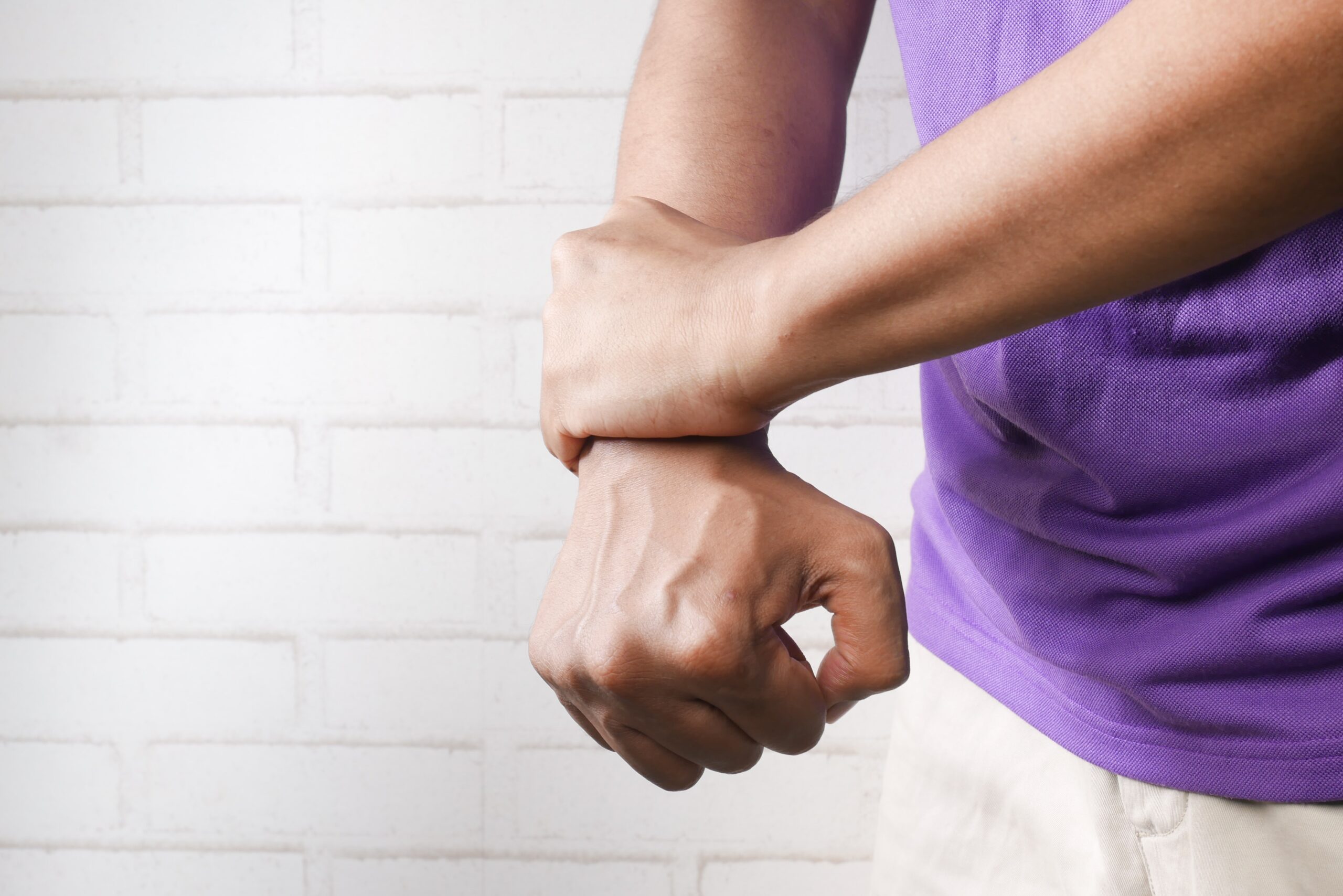
    Rheumatoid arthritis (RA) is a chronic autoimmune inflammatory disorder that can not only affect your joints but many other body systems as well. RA can cause a wide variety of symptoms, impacting the lungs, skin, kidneys, eyes, heart, bone marrow and blood vessels. Unlike osteoarthritis, which is caused from typical wear and tear to the bones and joints, RA differs in that your immune system is attacking its own body tissues and joint lining. This leads to painful swelling and eventually bone deformity. The inflammation can then spread to other areas of the body causing further disability.


    Symptoms of RA include weak, warm and swollen joints, joint stiffness that is usually worse in the mornings or after periods of inactivity, fatigue, fever and loss of appetite. RA usually impacts smaller joints first, especially the hands, fingers, toes and feet. As the disease advances it impacts larger joints in the body such as the shoulders, hips, knees, ankles and elbows. Symptoms can vary in frequency and intensity, with individuals usually experiencing “flare ups” when inflammatory symptoms return followed by periods of relative remission. Over time the bones and joints can become deformed with nearly permanent changes, particularly affecting the hands such as a shift in the way the fingers line up called a Boutonniere deformity.


    Typical treatment options include a series of anti-inflammatories both steroidal and non steroidal in nature and in severe cases surgical treatment is indicated. However, these medications can cause long term damage to your organs and possibly thwart your body’s natural inflammatory healing response to other diseases and infections. Identifying your body’s personal triggers that contribute to immune flare-ups is key for keeping your symptoms at bay. Many of my patients, clients, family and friends have found that gluten, dairy, and sugar or foods high in added sugar content can lead to increased inflammation. One nutrition tip to consider: Parsley contains a potent compound called carnosol that specifically targets the inflammation often caused by Rheumatoid Arthritis! Add it to juices, smoothies, lunches and dinner wherever you can!


    Another beneficial and unfortunately less prescribed option (other than post-surgery) is physical and occupational therapy! Our bones and joints stiffen and weaken based on the stresses we are or are not putting on them. Positive movement and mobility at each joint structure as well as releasing the fascial restrictions throughout the body can be very helpful, especially since this is a systemic disorder involving the whole body’s inflammatory response. 


    It is important to be aware of the good stress/bad stress scenario. The body can easily go back into a heightened sympathetic fight or flight pain response state when overstressed, so it is paramount to keep movement and mobility in smaller pain free ranges, gradually increasing tolerance. Working on movement, especially during periods of remission as opposed to flare ups, is also something important to consider. 


    Opening and closing of the fists, hand and fingers at each digit, performing exercises utilizing putty or sand to get textured proprioceptive feedback stimulus through the hands, and performing nerve glide exercises can all be helpful. Strengthening the scapular stabilizers and shoulder girdle and opening of the chest spaces will also help to decrease the load and strain put on the hands with increased activity. My favorite nerve glide is the “busy bee”:


    Bring your hands to a prayer position, palms together with elbows wide. Keep your palms together as you wiggle your hands left and right (sort of like the genie in a bottle dance), bringing your hands up overhead as high as possible without pain or separating the palms. Return back down to the starting position and repeat 10 times. 


    Seeking out a good PT, OT or myofascial release therapist are great options to help improve your symptoms during both periods of flare ups and remission. Also check out the LYT daily platform for other exercise ideas targeting the wrist, hands, and opening of the joint spaces and fascial lines to help with long term movement and mobility maintenance. 


    References:


    https://www.mayoclinic.org/diseases-conditions/rheumatoid-arthritis/symptoms-causes/syc-20353648

  • To Kegel or Not to Kegel

    To Kegel or Not to Kegel

    By Dr. Ashley Newton, PT, DPT


    Intra-abdominal pressure is the pressure within the abdominal cavity created by the interaction between the abdominal wall and organs. This pressure changes with breathing and the resistance from the abdominal wall. When you are lifting an object or even lifting a limb, you increase intra-abdominal pressure. 


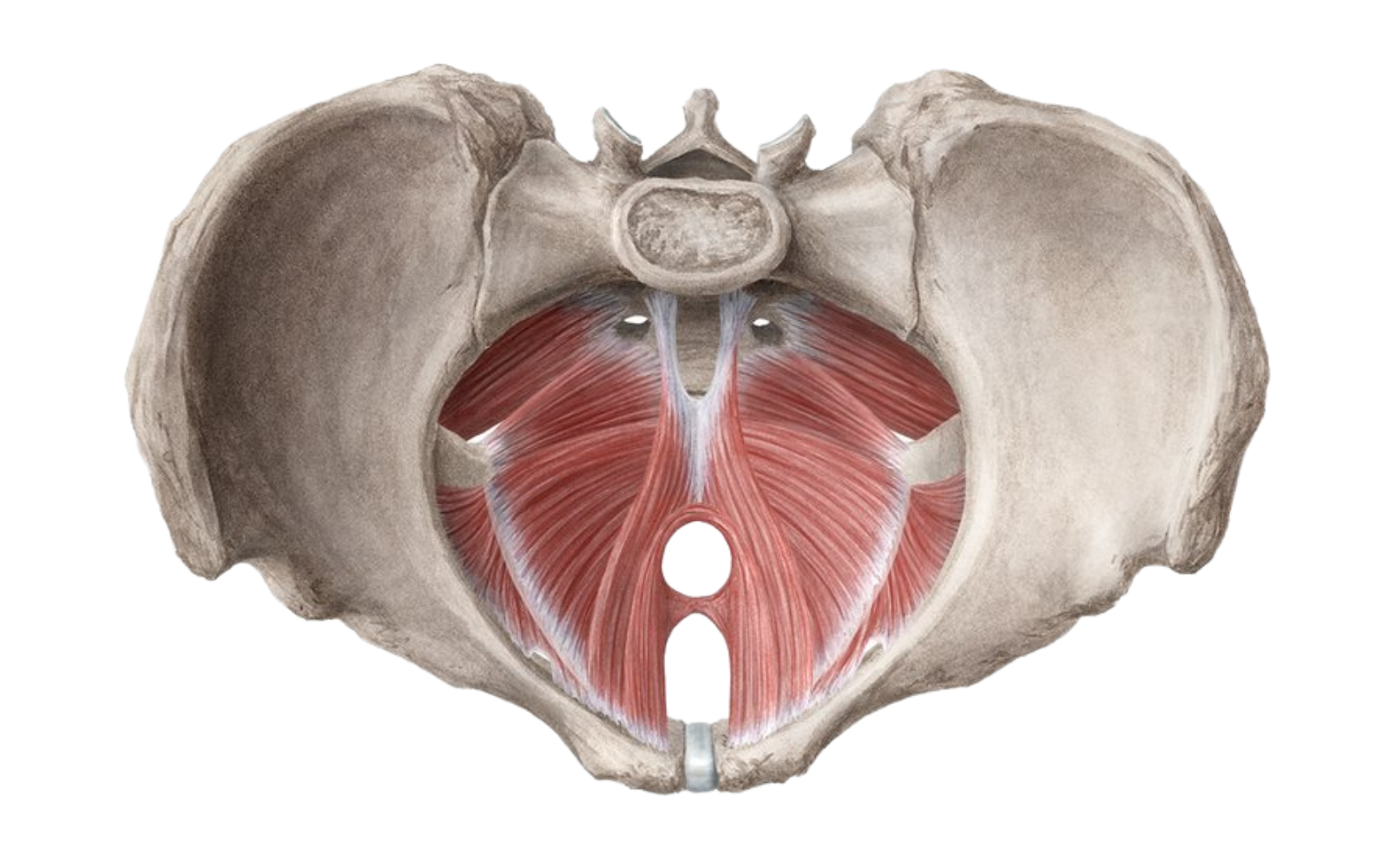
    The coordination of the diaphragm, abdominals, and pelvic floor musculature works to support the pelvic contents during changes in intra-abdominal pressure. However, if the synergy between these muscles is compromised, they are unable to optimally support the abdominal organs. This results in excessive pressure placed on the back, pelvic organs, and pelvic floor. Problematic issues that could arise include urinary incontinence, pelvic organ prolapse, back pain, and diastasis recti. 


    So how do you know if your body is handling pressure well? How do you avoid putting undue pressure on your abdominal organs and pelvic floor? 


    It all begins with breathing. Our abdominal cavity is capped at the top by the thoracic diaphragm and capped at the bottom by the pelvic floor musculature. This creates what is referred to as the “core canister.” When we breathe, the pelvic floor and thoracic diaphragm move down and up together like a piston. If this movement is restricted by fascial tightness, weakened, and/or moves in the opposite direction, the pelvic floor and thoracic diaphragm are compromised in their ability to support the abdominal contents. 


    Here’s a breathing exercise that can help you check in on your coordination:


    1. Begin in a seated position. Align your skull, scapula, and sacrum.
    2. Make sure you are sitting evenly on your SIT bones.
    3. Bring your tongue to the back of your top teeth and imagine you are pressing a small raspberry against the top of your mouth.
    4. Place your hands on the sides of your ribs.
    5. Inhale through your nose and think about widening the ribs into your hands. Imagine an umbrella opening, expanding your chest gently.
    6. Exhale slowly through your mouth and imagine “fogging glass” as you exhale.
    7. Keep your belly soft as you exhale. Squeezing the belly can create excess pressure on the pelvic floor and abdominal organs.
    8. Repeat the exercise 5 times.


    Breathing works your core muscles and it is the foundation of managing your intra-abdominal pressure. Whenever lifting objects, you do not hold your breath! This creates increased pressure on the abdominal contents, pelvic floor, and heart, which can be dangerous. Always keep breathing while you are lifting in order to prevent an unhealthy increase in pressure on your musculature and organs. 


    Good lifting mechanics and upright posture help optimize the functioning of your core canister. These techniques can also enhance your ability to manage changes in pressure in your body. With a strong core and healthy breathing habits, your body is able to stabilize your spine and better protect you from injuries.

  • Peach Season: Your End of Summer Glute Daily Yoga Guide

    Peach Season: Your End of Summer Glute Daily Yoga Guide

    Your End of Summer Glute Daily Yoga Guide

    by Thalia Wynna, PT, DPT, AT, RYT-200


    PEACH SEASON: YOUR END OF SUMMER GLUTE DAILY YOGA GUIDE 

    Ever wonder why world-class athletes have aesthetically pleasing donks? They aren’t for show, that’s for sure. World class athletes like Serena Williams put their glutes to work! And you should too. Read on to learn about this powerful muscle group and what you can do to protect the function of your peach. 

    Anatomy Class

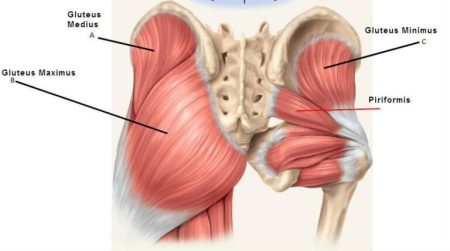
    Let’s start with an anatomy lesson. What are the glutes? The glutes are composed of three different muscles: gluteus maximus, gluteus medius, and gluteus minimus. They attach from the pelvis and sacrum to the femur. They each have special roles to play in helping us move efficiently. 

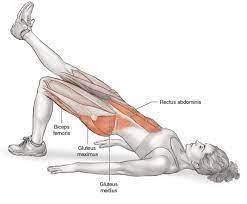
    Gluteus maximus is responsible for hip extension and external rotation (fig B). It also helps keep your trunk upright. Hence why the gluteus maximus is a posture muscle. It keeps you erect and works to propel you forward when you walk, climb stairs, stand up from a chair, etc. 

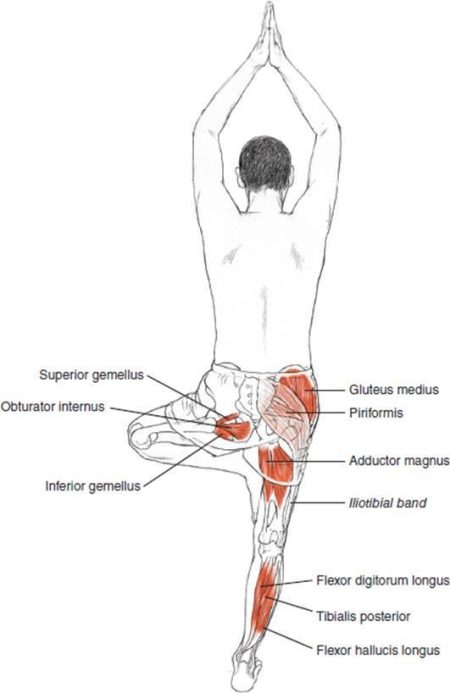
    Gluteus medius and minimus abduct and internally rotate the hip. It also keeps the pelvis level when you are standing on one leg (fig C). It is integral to help avoid hip drop and maintain your balance while walking, running, and hitting tree pose with grace and poise. 

    your-end-of-summer-glute-guide-daily-yoga-online-yoga-1

    When your glute muscles are weak, a common issue in many – especially those that sit for most of the day and live sedentary lifestyles – it can lead to a cascade of problems. All the motions that these muscles are responsible for coordinating become imbalanced. The hip and knee joint movements are altered, and other muscles and body regions try to compensate for the lack of work done by the glutes – most commonly the quadriceps and back muscles. These muscles become overworked, movements become dysfunctional, and joint, muscle, or tendon breakdown begins to occur. Diagnoses are given such as patellofemoral pain syndrome, greater trochanteric bursitis, hip and knee osteoarthritis, lumbar radiculopathy, chronic low back pain, hip flexor tendinopathy, IT band syndrome, piriformis syndrome, gluteal tendinopathy, even recurrent ankle sprains. All these diagnoses and more can boil down to poor glute activation. In turn, having great glute activation and strength can aid you in your ability to avoid chronic injury, move more efficiently in your everyday life, and compete powerfully like Serena Williams ;). If you are a LYT subscriber, count yourself lucky because we activate your glutes at the beginning of every single class during The Reset. One way to strengthen your glutes is by participating in strength training 2-3x per week. According to a study in the Journal of Sports Science and Medicine, the following exercises are great gluteus maximus burners1 (classified as >60% of MVIC: max voluntary isometric contraction): 

    • Step-up
    • lateral step-up,
    • diagonal step-up
    • crossover step-up
    • hex bar deadlift
    • rotational barbell hip thrust
    • traditional barbell hip thrust
    • American barbell hip thrust
    • belt squat
    • split squat
    • in-line lunge
    • traditional lunge
    • pull barbell hip thrust
    • modified single-leg squat
    • conventional deadlift
    • band hip thrust.


    Always remember, your strength gains are only as good as your ability to move through the strength exercises with great form and appropriate muscle activation. This is why a yoga practice like LYT is a fantastic way to check in with your movement patterns and glute activation potential every week to ensure you are moving in the most optimal ways. Give some love to your glutes by committing to a consistent yoga practice and strength routine. Check out Lara’s workshop dedicated to glutes here. Then, give the gift of a juicy peach to someone you love by referring them to a 2-week free trial on LYT daily yoga. We would love to see you there. 


    Happy Peach Season!  

    XO, 

    Thalia Wynne, PT, DPT, AT, RYT-200 

    @thalialovee 

    your-end-of-summer-glute-guide-daily-yoga-online-yoga-2your-end-of-summer-glute-guide-daily-yoga-online-yoga-3

    Figure B: Gluteus maximus, hip extension 

    Figure C: Gluteus medius in tree pose 

    Resources: 

    1. Neto WK, Soares EG, Vieira TL, et al. Gluteus Maximus Activation during Common Strength and Hypertrophy Exercises: A Systematic Review. J Sports Sci Med. 2020;19(1):195-203. Published 2020 Feb 24.

    Picture sources: 

    Fig B: https://us.humankinetics.com/blogs/excerpt/learn-this-exercise-bridge-with-leg-kick

    Fig C: https://doctorlib.info/anatomy/yoga-anatomy/7.html

  • Bowen Therapy

    Bowen Therapy

    As a physical therapist for nearly 10 years, I have learned that when treating pain, whether acute or chronic, it is nearly impossible to get any movement without addressing the fascial restrictions. We can do all of the exercises and stretches in the world, but when we get into a pain response mode, our nervous system needs to be addressed. I have tried numerous tools and techniques that have been beneficial including Graston or stainless steel instruments, cupping, and vibration massage guns. All of them have their uses and benefits, but I have found a completely different effect and sensation from my newest training in Bowen therapy. 

    What is Bowen therapy? It is a very gentle technique that uses the thumb and forefinger to target specific tissues in a particular order to stimulate nerve pathways. These moves promote a conversation between the different nervous systems in the body. Unlike soft tissue mobilization or typical massage therapy techniques, Bowen specifically targets the fascia, our true center of emotional storage. In order to impact the fascial centers, the therapist does not slide or flick the tissues’ surface but instead uses the slack in the overlying skin to move over the underlying tissue. Each move is defined by how far an individual’s skin can move over a very small targeted area.

    Between each move, the therapist leaves the room to allow the body to integrate these movements, further increasing the effectiveness of the technique. Our brains are overstimulated every day. They receive hundreds of thousands of signals to respond and the number of signals is only increasing with modern technology and the immediate need for satisfaction. By leaving the room, the brain and body lack alternative stimuli and have no choice but to send nerve signals to the targeted area of the body for healing. It is during this time that the true work that is being accomplished is implemented. During integration, it is the patient’s nervous system and not the therapist that is stimulating a healing effect. This is similar to a Shavasana in our LYT yoga class. This is a time for true relaxation so the body can implement all of the movement and precise training of core integration. This allows us to take those principles and movement patterns out into our day-to-day.

    Bowen therapy is even more effective when coupled with correct postural restoring exercise interventions from an online yoga class. The lasting benefits of Bowen therapy are minimal if the patient goes right back into whatever activity, movement, or stressful life situations and events that put them in this heightened sympathetic state of pain.

    I have found that my patients experience the greatest benefits when teaching them about posture, performing some retraining exercises, activating the core, opening the chest and spinal spaces, retraining their triple S neutral spinal alignment, and purposefully stimulating some stress response through exercise in the body. Then, I transition to Bowen therapy to allow for a true state of relaxation into a parasympathetic state. This multidisciplinary approach shows the body when to turn on that stress mode and when to release and restore.

    Who is Bowen therapy appropriate for? EVERYONE! Bowen is extremely gentle and suitable for all ages. Techniques and specific protocols exist for certain illnesses and diagnoses. I have personally seen it benefit conditions like Anxiety/Stress, Depression, Autism, TMJ, ADD/ADHD, Parkinson’s Disease, Scoliosis, Fibromyalgia, Infertility, Multiple Sclerosis, Fibromyalgia, Frozen Shoulder, Sciatica, Chronic Pain, Edema, Asthma, Migraines, and Irritable Bowel Syndrome.

    I am an avid LYT yoga practitioner and instructor and do my best to keep my body aligned on a daily basis, but work and life’s many imbalances can make this difficult. When practicing at home by yourself, it can be challenging to see the small shifts, changes, and adjustments you are subconsciously making in your body that are preventing you from performing at your best. These issues may even be contributing to pain. I can honestly say that on days when I have received Bowen therapy, I can usually nail my yoga handstand with more ease, grace, and poise! Try daily yoga along with your Bowen therapy.

    Find a Bowen therapist near you to experience the benefits for yourself. Or if you are in the Charlotte, NC area, book a session with me! https://ivyintegrative.janeapp.com/#/staff_member/18