Category: Podcasts

  • 141 | Can we live without an agenda?

    141 | Can we live without an agenda?

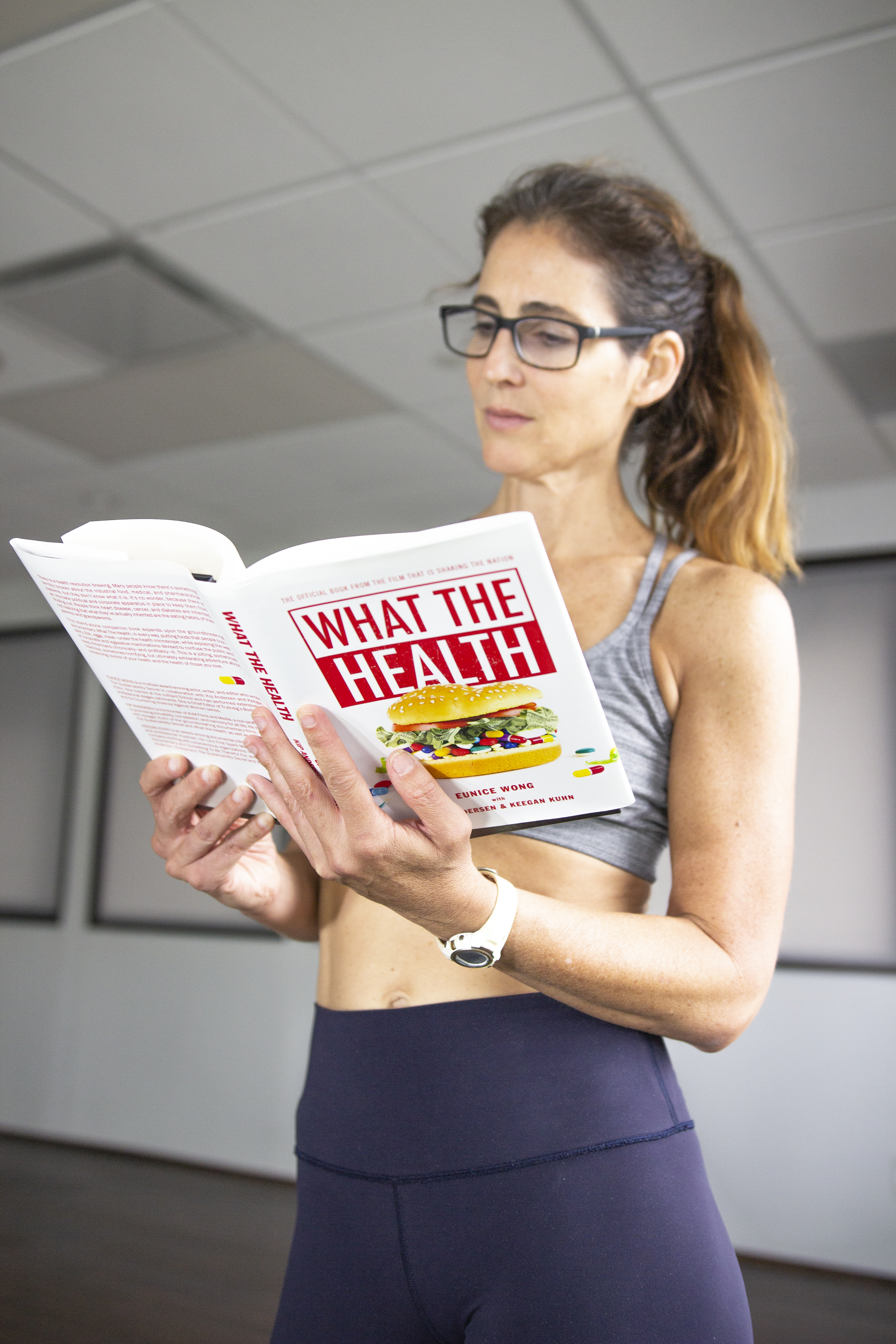
    Can we live without an agenda? I started thinking about this after I was reading from a Buddhist book of philosophy released by Shambhala Pocket Classics. The text reads: 

    “Could our minds and our hearts be big enough just to hang out in that space where we’re really not entirely certain about who’s right and who’s wrong? Could we have no agenda when we walk into a room with another person? Not know what to say? Not make that person wrong or right? Could we see, here, feel other people as they really are? It’s powerful to practice this way. Because we’ll find ourselves continually rushing around to try to feel secure, again, to make ourselves or them either right or wrong. But true communication can happen only in that open space.”


    I think there’s a human need to want to feel like what we’re doing matters and that our opinions matter. But can you show up in life and freely give of your time and energy without expectation? Just giving because it feels good for you to give and because it makes your heart beat stronger. And being able to listen and not judge and not try to change anybody’s mind. I think that we can all benefit from holding your tongue and not saying what’s on your mind just because you want your opinion to be stated.


    When you’re on the right path, you don’t need to prove to somebody else what you’re doing. And you don’t need to prove to somebody else what they’re doing differently is wrong. Too many agendas are being bumped around and we can see what happens when those agendas are not all good or noble, or of service to all. So I think the point here is, if we have any agenda, it should be to do good in the world, to be our best selves and to notice when our need for security and validation in the form of the ego comes up. 


    Resources:

  • 140 | What is a crick in the neck?

    140 | What is a crick in the neck?

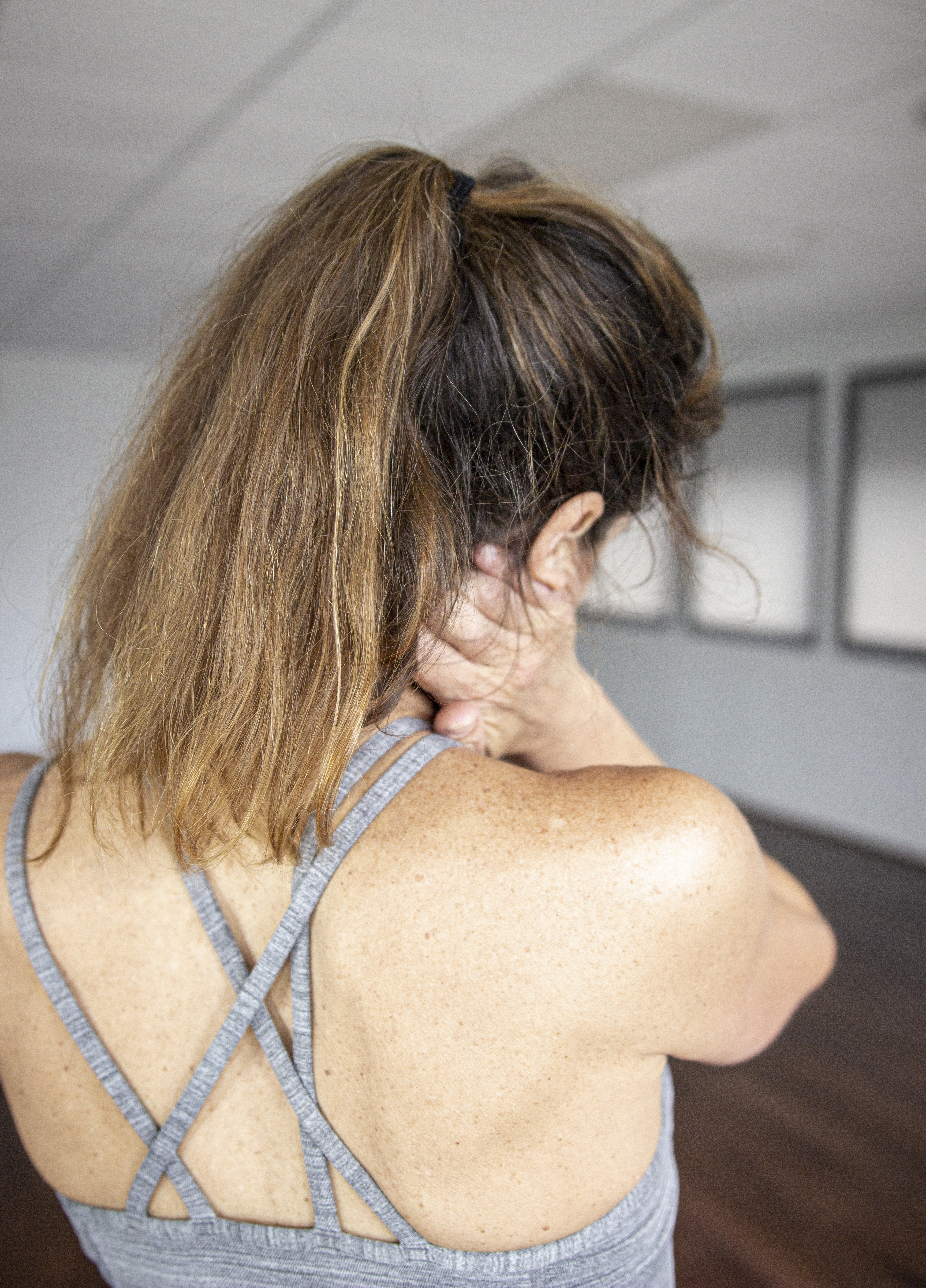
    When people say they have a crick in the neck it’s usually because they’ve woken up to find their neck is stiff and sore. Sometimes they can’t turn their head. 


    One reason it can happen is that you slept weird. You were in a position for a long time and your neck got out of whack. You’re not moving a lot when you’re sleeping so you don’t get warmth through your body. You’re not mobilizing the joints and your blood isn’t flowing in the same way as when you’re awake.


    But there’s also underlying factors. You have to examine where you spend the most time. Many people spend the most time at work and commuting to and from work. When we sit and work or drive for a long period of time, we’re staying in one position, and our neck is often offset, and that sets it up for strain. We carry that potential for strain and even the emotional stresses that we incur throughout our day into our sleep.


    A crick in the neck will go away with some time. It might be a week, later that day or in an hour. But if this is something you’re living with, I wouldn’t describe it as a crick in the neck anymore. You’ve got a cervical strain. If that’s the case you really need to address it, especially if you have any nerve sensation, like tingling, numbness or pain or chronic headaches. So please find a good physical therapist or body worker to work with you on relieving some of that strain. 


    If it’s just a crick in the neck, one thing that will help is a hot shower to get some heat into that area. Start rolling one shoulder and shoulder blade back at a time. Then stand up against the shower wall and get your skull back against the shower wall so that your neck is in a neutral position. Bring your right ear toward your right shoulder. And then let the chin fall down towards your throat and chest instead of letting it jut out. Engaging your core abdominals, hold that and breathe. And then gently come up and bring your right ear toward your right shoulder. Come up again with your head and look to your right and left.


    When you’re putting your neck to either side or rotating is when you might feel sort of locked in the neck. Sometimes one of the transverse processes, those little processes that stick outwards left and right, are a little out of place. If that’s the case, bring your hands along the back of the spine. Go to your neck and feel the bony aspects of the vertebrae and then kind of slide to the left and right so that you’re still on the vertebrae of the cervical spine but you’re not right on the spinous process on the very back. Stay to the left and right of it. With your second and third fingers, gently toggle back and forth from your left and right fingers. 


    If one of your transverse processes is really out of place and you don’t have the expertise to try and move it back into place, you should go to someone who can do that for you. I really am not a fan of anyone manipulating the cervical spine and doing that in a way that makes those awful noises. I would find a massage therapist who knows a lot about anatomy to get in there and loosen up around the area so that the transverse process will kind of slide back into its position.


    To avoid cricks in the neck:

    • Work on your posture
    • If you are at a desk all day, get your monitor or whatever you’re using at eye level
    • March your feet around if you have a standing desk
    • Alternate between sitting and standing
    • Get a wireless keyboard so you can get that into a good position
    • Check your pillows – you don’t want them too fat and fluffy
    • Keep moving because movement and exercise are going to keep everything more supple


    Resources:

  • 139 | Change of seasons

    139 | Change of seasons

    Transitioning between seasons can be challenging. In the Northern Hemisphere we’re currently transitioning from summer to fall, and that can be really hard, especially for people who don’t like the cold. In this episode I cover some ways to make weathering the change in seasons easier.


    Visualizing the new season can help. Coming into fall, we can tap into fond memories and look forward to the leaves changing colors, pumpkins, Halloween and the feeling of Christmas in the air. But there’s also a liveliness and newness because fall is when the school year starts, so it’s like a new start. 


    Be grateful and enjoy the last moments of the current season then think about some of the things you like about the coming season. For example, how beautiful the trees look in winter when their branches are bare. 


    We’re somewhat detached a little from the seasons because most of us don’t grow our own food and we can keep our thermostat at the same temperature year round. So get out into nature and find the beauty in each season. Take a 15 minute walk or a two hour walk, however long you can afford, and that will really help you adjust to the change in seasons. 


    Resources:

  • 138 | Creating vitality

    138 | Creating vitality

    Today’s podcast is about creating more vitality in your life. I’ve come up with six words beginning with S to make my top tips for vitality easy to remember: sweat, shower, stillness, silly, sustenance and sleep.


    • Sweat
      Sweating every day will improve your vitality. Sweat is a way of cooling us down so when we sweat, that means we have heated our body enough and we’ve worked hard enough. If you can break a sweat in the morning, the rest of your day is going to be so much more productive. And if you can’t do it in the morning, do it when you can. 


    • Shower


    After you sweat, take a shower. Showering is metaphorically and literally cleansing and purifying. To get even more vitality, try a cold shower if you’re up for it. 


    • Stillness
      Find some stillness in your day and practice meditation or silent contemplation to stop the busyness of your mind. It can be for just a few minutes if that’s all you have or for a longer period of time, like an hour. Meditation has so many benefits including reducing anxiety, improving your sleep, improving your digestion and improving how your neurotransmitters work.


    • Silly
      Be silly. Do playful activities like rolling or crawling around on the grass, going on the monkey bars or skipping. Your brain loves doing different things and it’s also great for your movement patterns.


    • Sustenance


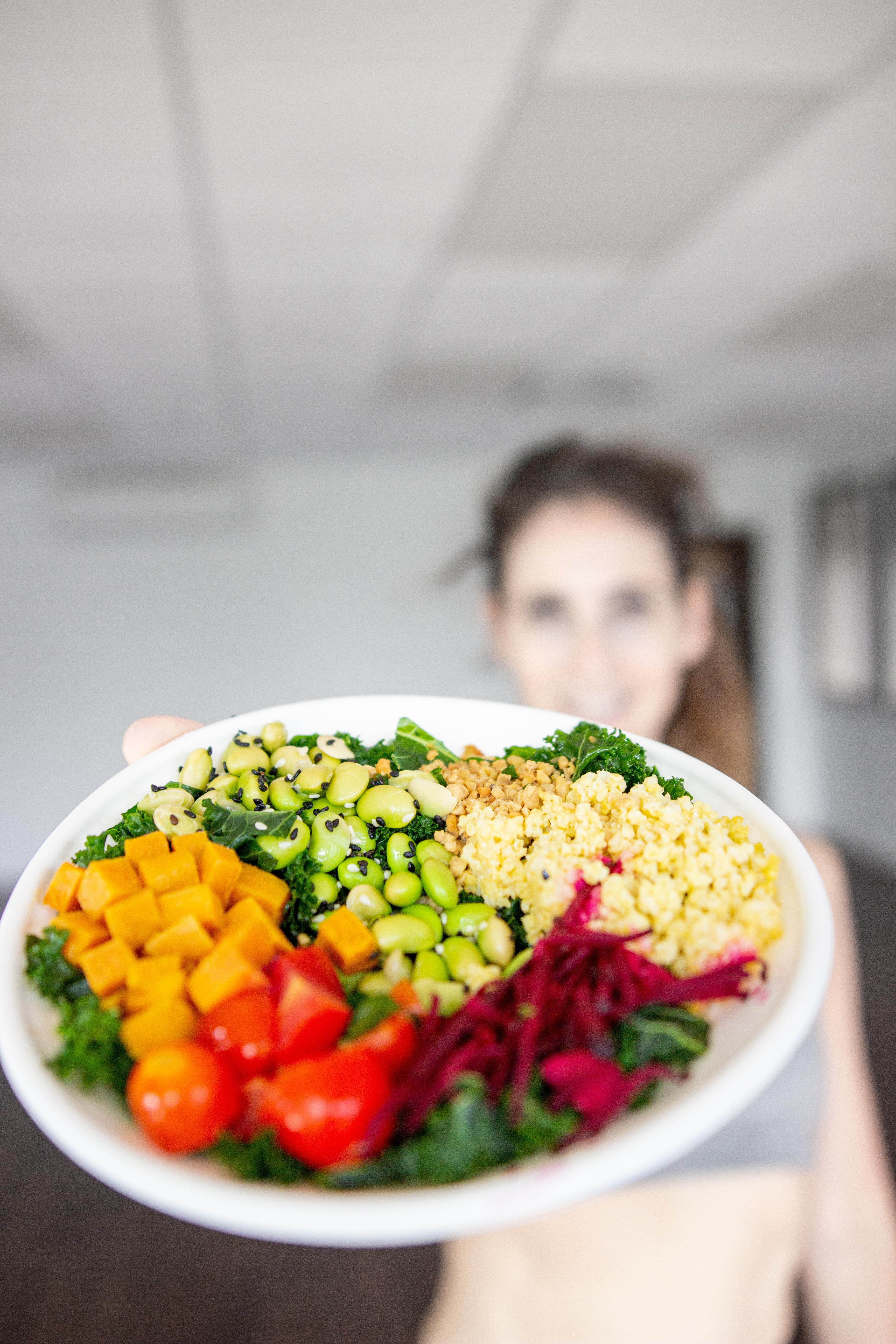
    Consume food and drinks that really sustain you like water, wholefoods and plant-based foods.


    • Sleep


    Sleep is so important. It is where we heal, where our immune system functions and where our brain recovers from the busyness of our day. Get good quality sleep by sleeping in a cool room with window shades and don’t have electronics in the room or the TV on. I have an Oura Ring which tracks things like how many steps I take a day, my heart rate and the duration and quality of my sleep. 


    Resources:

  • 137 | How to build a new HABIT

    137 | How to build a new HABIT

    Today’s podcast is about how to create a new habit. Habits are an action we have done so many times that it becomes unconscious. We don’t even realize we’re doing it. It could be a good or a bad habit, but the thing about habits is that they never truly go away. So creating new habits is really about creating better habits rather than entirely getting rid of the old ones. 


    To make them easy to remember, I’ve made an acronym out of the word HABIT.


    H stands for hook onto an already existing habit. For example, I’m working on creating a habit to take supplements every day so I’m putting the pill container near my coffee press so I remember my supplements when I refill my coffee.


    A stands for attach a reminder to it. This could be a sticky note or a phone reminder.


    B stands for build slowly. We get frustrated when a habit doesn’t stick right away, but it takes time. Charles Duhigg has done a lot of work on habit formation. And he says, if you want to try running, don’t just start running. Start by putting your shoes by the door for a week first.


    I stands for include others. Tell someone or a few people what you’re working on so that you have a sense of accountability. Even better if you can get someone involved with you. But even just saying it out loud to someone helps implant the habit in your brain and also you’ll have another person who knows about your habit and can remind you.


    T stands for train as if it’s for life. Every single habit creates your life and your future, so train as if it really matters.


    Connect with Lara Heimann, The Redefining Yoga Podcast, and LYT Daily:

  • 136 | Building strength at any age

    136 | Building strength at any age

    At any age, it’s important to have muscular strength. It’s going to protect your joints, it’s going to help you function more optimally with movement and it’s important for your bone and heart health. In this episode I talk about the best exercises to do to build strength even if you’re older and haven’t done much strength building before.


    The mechanism responsible for making someone making it possible to build muscle is the same regardless of how old you are or how much strength building you’ve done in the past. Essentially everyone has skeletal muscles, and these muscles contract in response to a stress or load. The stressor load could be your body weight, gravity or a weight that you are lifting or holding.


    If you’ve been sitting on a couch or sitting at your desk a lot and you haven’t done anything else, you have de-conditioned those skeletal muscles. They’ve been snoozing and aren’t ready to fire, and that puts you more at risk for injury. While you’re never too old to start, it’s important to go slow and gradually increase the demand on your muscles.


    Great exercises for building strength are:

    • Squats
    • Lifting kettlebells or sandbags
    • Push-ups
    • Handstands 
    • Plank position
    • Bear crawling
    • Walking your feet up the wall


    The big thing here is to move in a variety of ways. And to know that you need to continue to strength build with weight because you have to compensate for some physiological disadvantages like the decrease in testosterone, metabolism and protein synthesis that happens as we start to age. 


    Resources:

  • 135 | How ahimsa changes everything

    135 | How ahimsa changes everything

    Ahimsa means non-harm. This is one of the first principles in yoga philosophy and where my mission stems from. My impact on the world starts with every single choice I make. And it’s not just about being nice or kind to others. It’s also about the impact we have on the other beings that we’re sharing this planet with. 


    Early in my career I began to bridge my neuro physical therapy knowledge with my yoga teaching and practice. At the same time I became vegan after years of being vegetarian. While I had assumed I was doing the least harm by not eating meat, I was unaware of the egregious treatment of dairy cows and chickens. It makes sense to me that as I connected more in my teaching and practice to the integrated core strength of the body that I became more connected to my core values of kindness and compassion.


    The body is the quickest and most successful vehicle of transformation. When we feel strong and connected to our bodies, we feel more productive, patient, resilient, enthusiastic, spirited and compassionate. My mission is to help everyone move in a safe, sustainable and empowered way so that we can work together to improve the world for all beings. In my many years of teaching I’ve seen how small shifts in the awareness of movement patterns and connection to core strength results in profound shifts in our personal lives and spiritual development. 


    My job is to provide the tools and encouragement and ask the question, if we can be more aligned in our bodies, can we take that into other aspects of our lives? At first, some people think my yoga method is just a physical practice, but if they stay long enough, they come to realize that it’s so much more. It is an open invitation to change your movement and behavioral patterns, to be awake in your body and spirit and to spread more compassion to all beings. And while my mission is committed to veganism, I invite everyone to discover what pulls on their heartstrings. The message is to be aligned, feel your power and use your passion for your own calling. 


    When my husband and I biked across the country in 1999, I sensed a new chapter in my life. I left a wonderful and stable job as a physical therapist. But once I crossed this threshold of creating my own destiny, there was no turning back. I gained a fierce desire to choose the path less known and design a life that was truly in line with my values. On this 3-month journey across the United States, we mostly lived with what we could carry and it was easy to see what we actually needed to be happy. From our bikes, we witnessed much more of our surroundings than we would have from a car. We felt connected to nature in a profound way as we journeyed through so much beauty in our nation and literally slept on the earth every night. We also saw some of the factory farms that are hidden in the vastness of the middle part of our country. And my husband and I both thought about what we would do in our lives to bring more awareness to the realities of the animal agriculture. We even rescued a kitten who had been dumped by the side of a road. 


    Political and community leaders can do so much to improve things in our lives. People need to move daily and physical wellness should be prioritized in schools and at work. Inactivity saps our energy and makes us grumpy and less inspired to do things for others. Better food choices are needed everywhere too. When we eat plants we vibrate at a higher frequency. Eating a hamburger is dead energy whereas a robust green salad makes you feel vibrant. We should be putting more money into producing and subsidizing vegetables because a plant-based diet is the healthiest for our bodies and the best choice for our planet’s survival. 


    What I would ask of you today is, what changes – big or small – can you make to live with ahimsa? What are some things that you can do in your daily life that can be from this place of non-harm? An example could be not buying the cheapest t-shirt because you know it’s made in a factory where the factory workers are not treated well. When butterfly wings flap, there is an impact on every part of the environment. And so little tiny changes that we do individually can make a huge impact. 


    My movement is about empowered compassion. And I would love to help you in any way. I’m literally here for you. So please write me at lara@movementbylara.com if you have any suggestions, need any tips or if you’d like to share something that you’re doing. 


    Resources:
  • 134 | How to check your posture

    Today’s episode is about posture. Posture is so much more than how you stand. It is your presentation into the world. Our bodies contain everything – our energy, our emotions and our spirit. And the external frame, our posture, has an effect on all of those things. 


    A lot of people realize their posture is not great, but they don’t know what to do about it. So I want to give you some ways to check in with your posture throughout the day. 


    First of all, we need to find out what is your optimal posture. Optimal doesn’t mean perfect because there are variations, for example some people have scoliosis so that’s going to have an effect on their posture. But everyone can improve their posture in some way. 


    For optimal posture, your ankles, knees, hips, pelvis and spine are stacked really well. This means you’ll need less energy from your muscles and connective tissues to support you and you’re able to have variety in your movement patterns.


    The Triple S (the sacrum, the scapula and the back of the skull) needs to virtually be in the same line as the primary curves of your spine. You can use a wall or the floor to try and find contact with all three of those points. Use a timer to remind yourself to check in on this if you’re standing or sitting during the day and if you’re not against the wall or the floor, use your hands for feedback. 


    Secondly, get up and walk around as frequently as possible. We sit for such long periods that it’s disastrous for our bodies. It’s much better if you had to sit for eight hours to sit for 20-25 minutes, get up and move around for five minutes then come back than it is to sit for eight hours and then get up and go to the gym for an hour and a half.


    You can check your posture from the time you get up. You can brush your teeth while standing against a wall or doing a wall squat. For people who have lots of difficulty with their posture, you can do a bridge pose first thing. Make sure your glutes start to fire right away because they are going to be really helpful for keeping your pelvis in a neutral position throughout the day.


    Resources: