Category: Blog Posts

  • Best advice for women with joint pain

    Best advice for women with joint pain

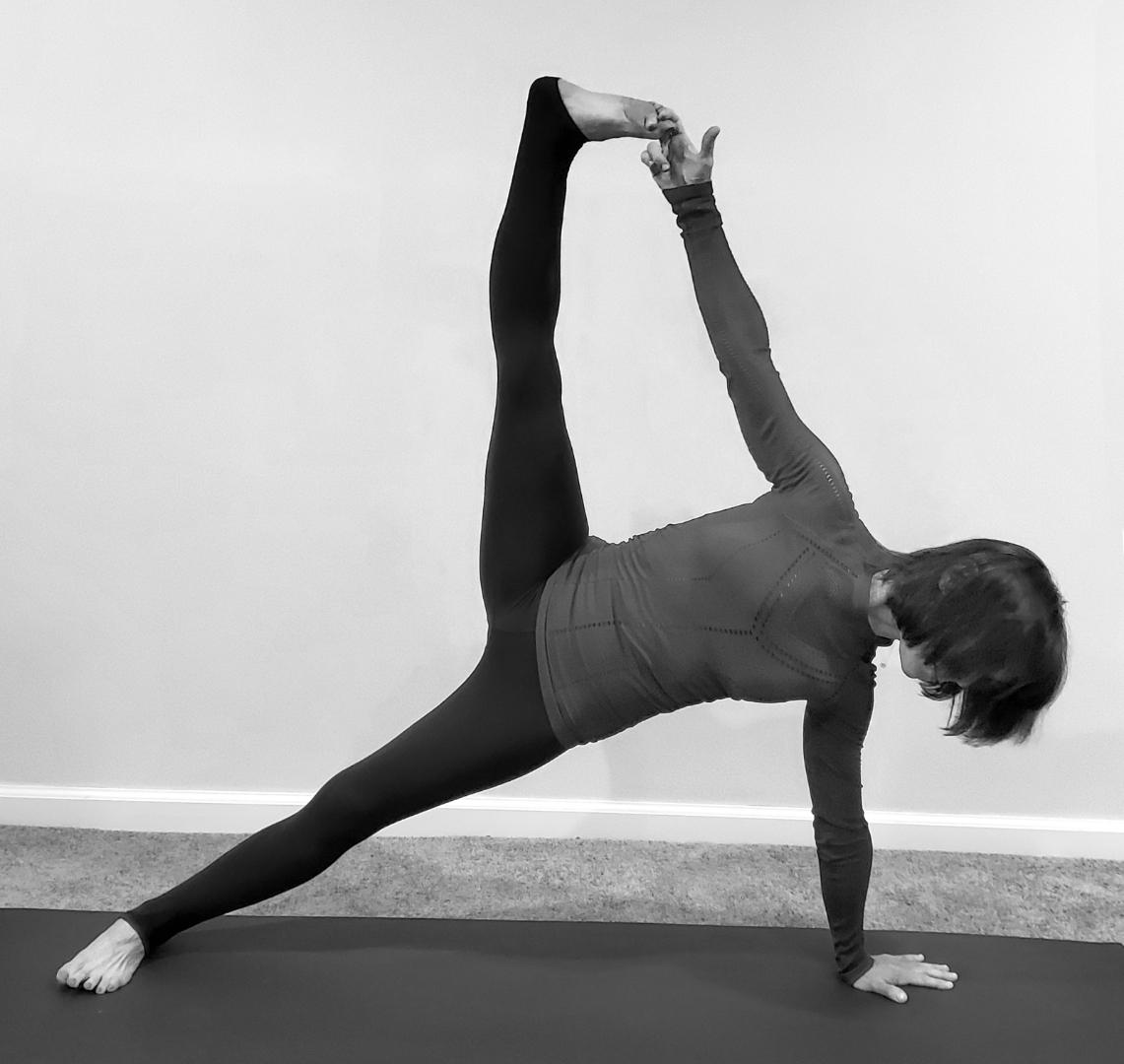
    In the fitness world, we hear about joints, but what exactly are they? A joint is the area where two bones come together and create movement. The way in which joints are positioned habitually and moved habitually can create imbalances and discomfort. Sub-optimal posture can lead to joint troubles and myofascial tightness (think of the layer of tissue around the muscle getting compressed like dirty laundry in the bottom of the hamper). Joint pain will often occur when the surrounding muscles are not offering enough support to the joint or are creating compression. The two ends of the bones that make up the joint don’t actually touch but have space between them filled with synovial fluid or cartilage or both. Maintaining this space and fluidity is key for happy and healthy joints.


    If you are experiencing pain in the joints, here are some ideas for how to improve your joint movement and get rid of the discomfort.

    1. Pay attention to your posture! How are you stand directly impacts how you move. And movement occurs at the joints. We want our joints to start off in their best “resting position “in the most optimal way which happens more consistently with good posture. An added benefit- paying attention to your posture will ultimately help you pay better attention to your movement patterns.
    2. Mobilize your joints. Joints rely on motion to feel happy and fluid. The big ball and socket joints of the hip and shoulder specifically need to be moved in a variety of ways. Our more sedentary lifestyle places us in a more flexed position in the body, reducing our full range of motion. Work on moving in a variety of ways to keep these joints pain-free!
    3. Strengthen your core! Your core is not just the “six pack” that is often displayed on fitness covers. It is the entire cylinder of the center of the body and when it is weakened, the joints suffer. The core muscles surrounding the pelvis, ribs, and shoulders give integrity to the joints. The areas that I always focus on my yoga-movement classes are the gluteus maximus and medius, the obliques and transverse abdominals, the scapular stabilizers, and the deep back muscles like multifidus and quadratus lumborum.


    An example of a sequence to work on all three of the above tips:

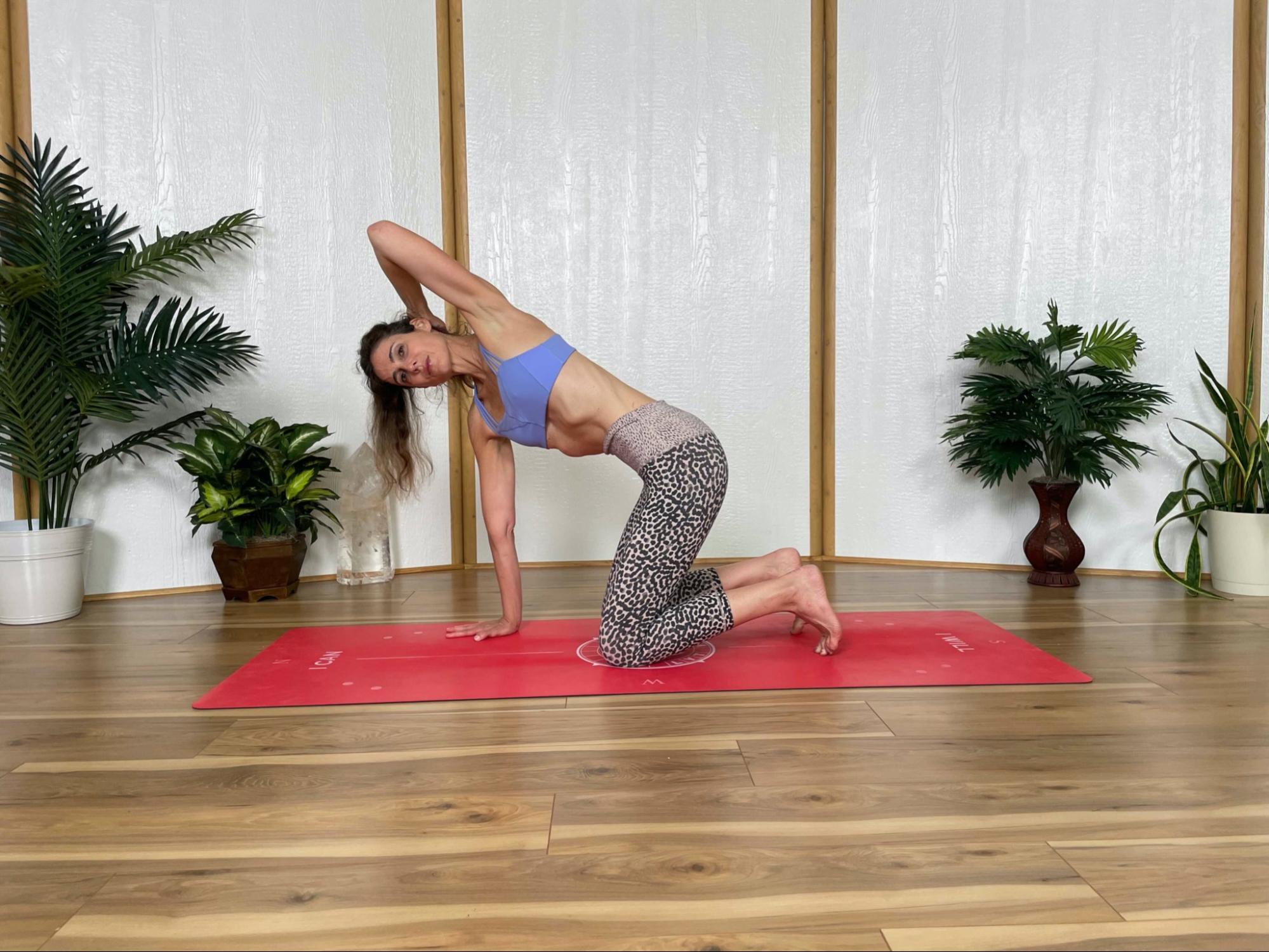
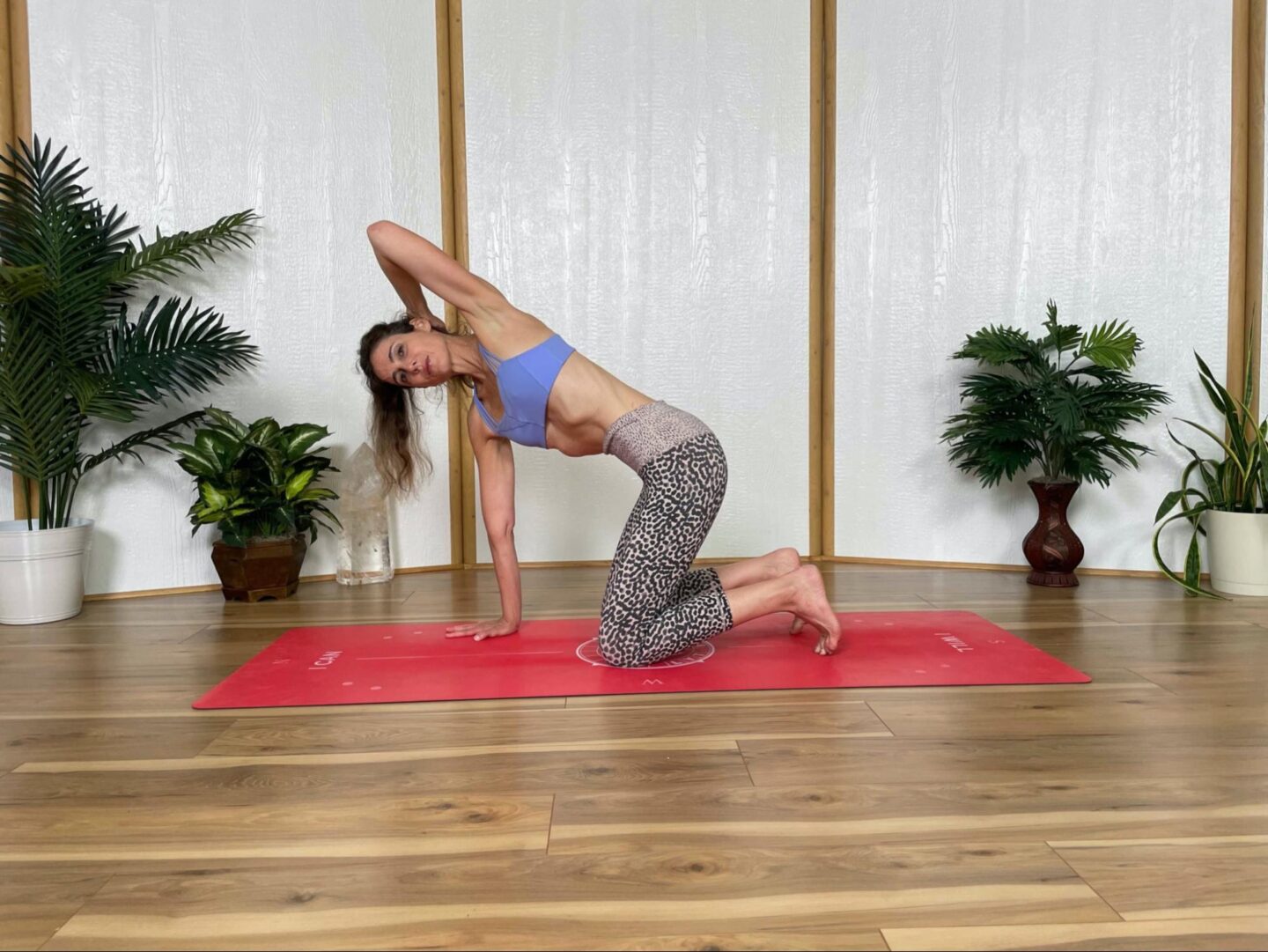
    Start off on all fours, with your knees under your hips and your wrists under your shoulders. Imagine a front line of the body from the center of your forehead to your pubic bone and draw that line tight by aligning your skull and firming your front body. Bring your left hand behind your skull and as you breathe in, turn your ribs to the left so that the left elbow points up to the ceiling and as you breathe out, move the elbow back to point toward the floor. Repeat this movement, rotating through the ribs for 15 to 20 times on each side of the body.
    Lara-joint-pain-1

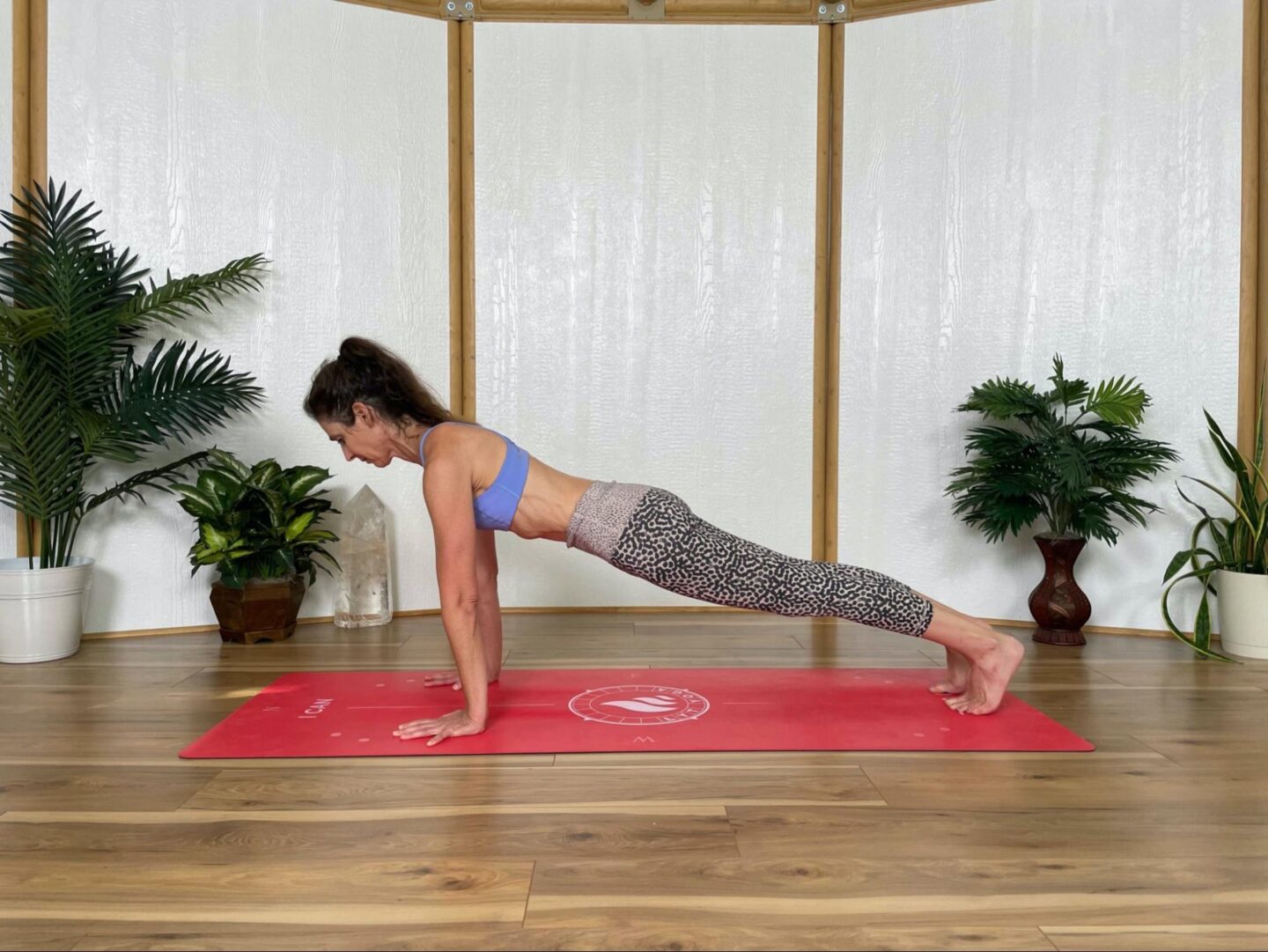
    Next, from quadruped, step your left foot back and then right foot back into a plank position. Hold the front body firm, resisting the downward action of gravity. Tighten your gluteal muscles! Then walk your feet as far forward as you can without picking up your hands, and then walk your feet back so you’re in plank again. Repeat this action for up to one minute. You are mobilizing your hips and strengthening your entire core!
    Lara-joint-pain-2

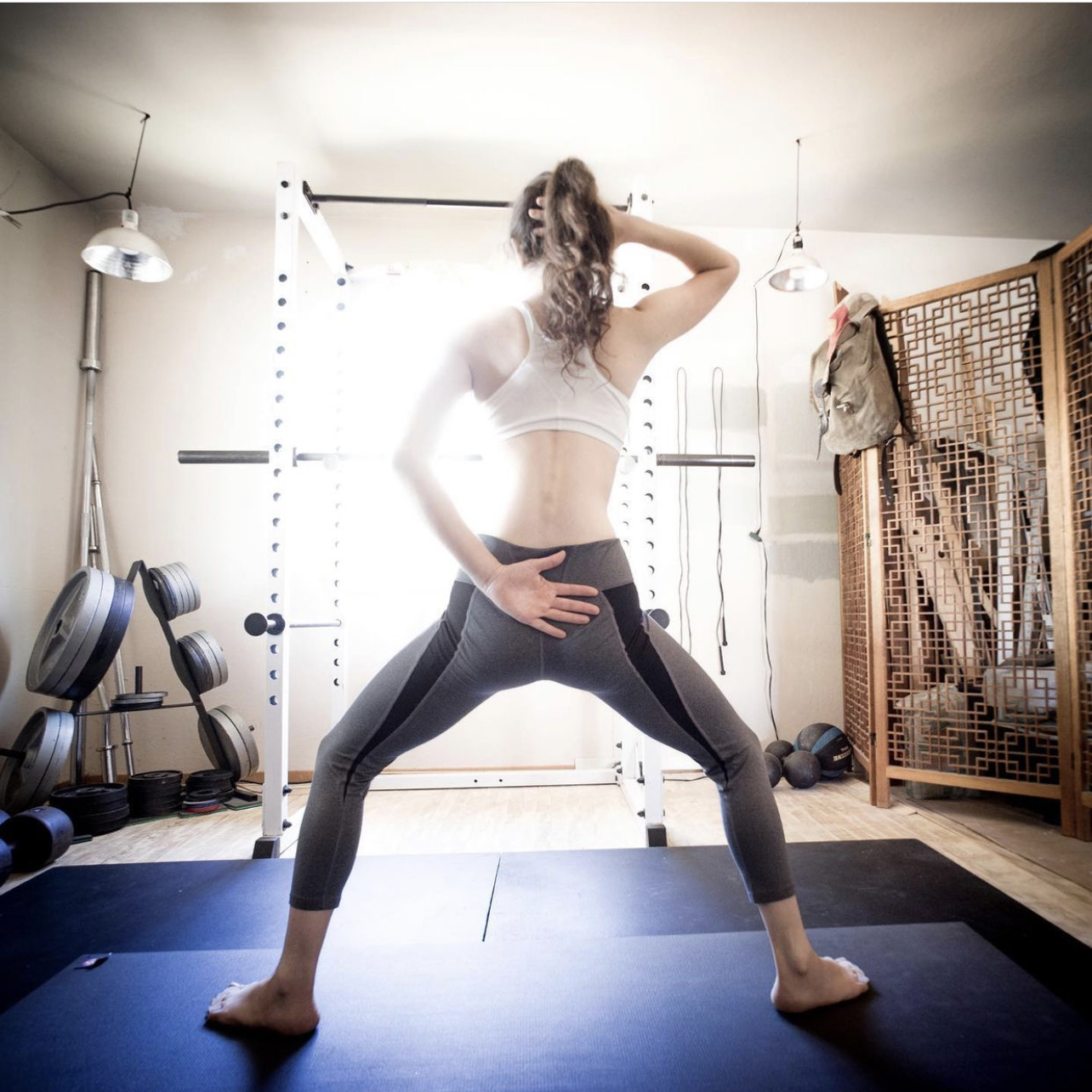
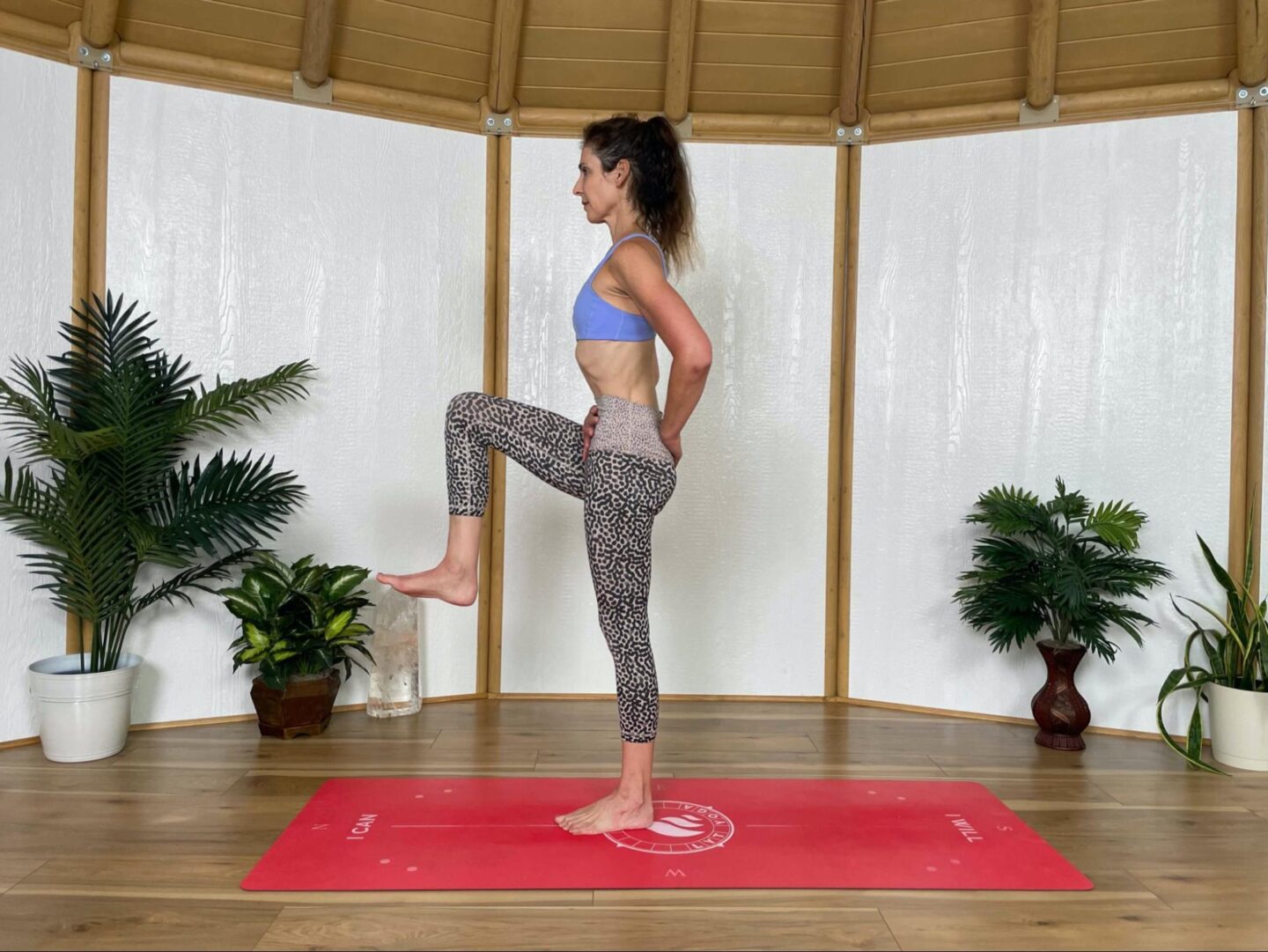
    The last time you walk your feet forward, stay forward and slide your hands up your legs to stand upright. Bring your hands on either side of your pelvis and lean your weight into your left foot. Tighten the left gluteals and lift your right knee up toward your belly. Hold in that position while keeping your abdominals strong and then windhshield wiper your right hip joint so that your right thigh swivels in and out (does not have to be a big movement to get a big feeling). While you are working on your right hip mobility, your left hip is getting stronger. Switch legs and repeat 2 to 3 times on each side.
    Lara-joint-pain-3

    Work on this sequence daily and notice the change in your joints and in your posture – it’s the prescription for happy and healthy movement! You can find more drills like this in my online daily classes at lytyoga.uscreen.io/catalog.

  • Well…THAT Happened by Julie Glick

    Well…THAT Happened by Julie Glick

    I’ve seen some really funny “Well… THAT happened” memes. There are many instances in my life when I could have or actually did utter that very same phrase.


    It’s 1998 and I am still sicker than sick with Lyme Disease. It’s been four years of feeling like I have the flu every day, carrying around a head that feels like a pain-filled bowling ball. And don’t get me started on the brain fog (i.e. car keys in the freezer…). I have done Homeopathy, Naturopathy, Chinese Medicine, hyperbaric oxygen treatments, SO much more and especially food as medicine. I had to work my very full time job (which I did not love) doing my best despite feeling like an achy, tired space cadet. 


    So it’s no wonder I woke up one Sunday morning upset and fed up with the Universe. I had lived long enough to know that when things really suck there is usually a gift wrapped in the pain. Or at the very least, a message or a lesson to grow my soul. So I started praying out loud saying, “Please send me messages. Please send me messages. Please send me messages…” I was not going to stop until I got a message, a burning bush, something! 


    My two adorable cats named PacoBean and Cosmosis are milling around, meowing for breakfast. But I am intent, I will not be deterred. “Please send me messages. Please send me messages.” Cosmo is biting my hair, Paco just stepped on my belly. “Please send me messages!” I don’t know how much time passed but at some point I heard a big, booming male voice say, “NO NEW MESSAGES!” I sat bolt upright looking for God in my bedroom. Then I heard a meow so I turned around to find Cosmo — who had just stepped on my answering machine. There were like 12 buttons on that answering machine and Cosmo steps on that one?


    After I stopped laughing hysterically and hugging my cats, I realized that I most definitely had received a message. No New Messages! Maybe I didn’t need to learn anything new about myself. Maybe I will be happiest AND healthiest when I just remember what I came in knowing. Thank you, Lymies. Thank you, Cosmosis. Thank you, Universe. I got the message…


    My body has been my teacher in more ways than I can count. Most recently my greatest teacher has been this spine of mine. Suffice it to say, my spine ain’t what it used to be. Some vertebrae decided to take a hike and stray from optimal alignment. Some are smushed. Some decided to get arthritic, narrow the spinal canal and put pressure on my poor spinal cord. So all of THAT happened…


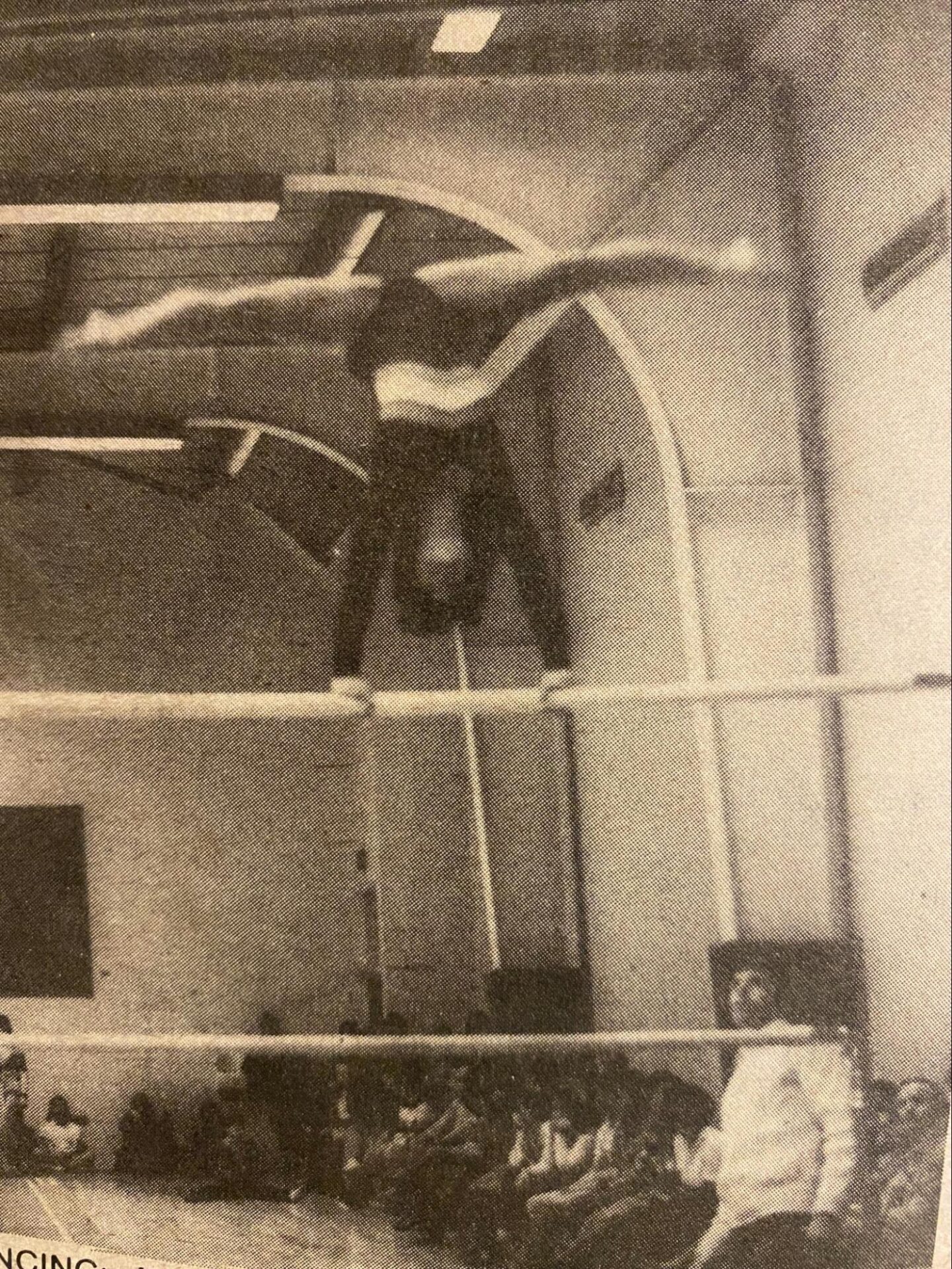
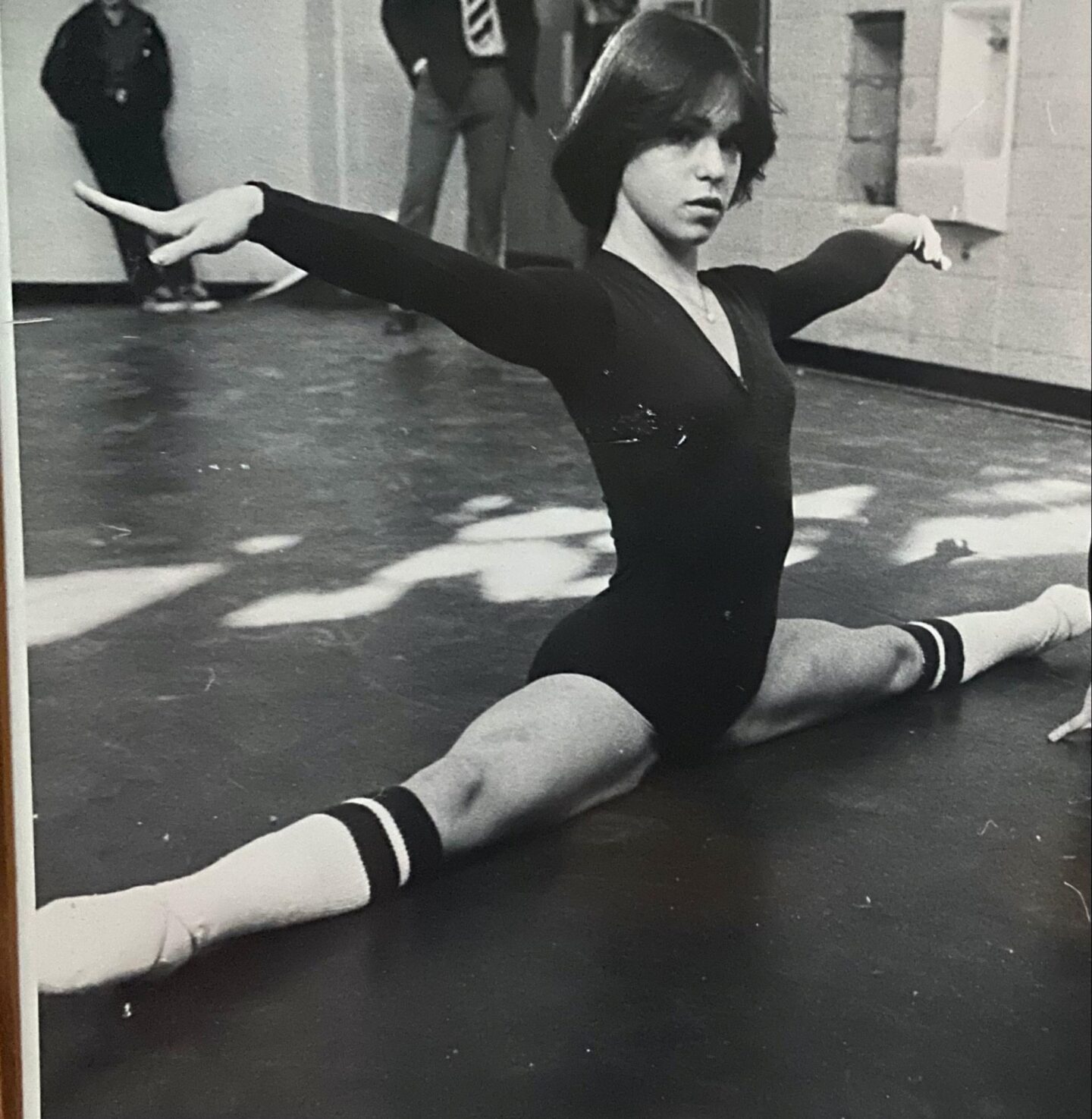
    I was a competitive gymnast throughout high school and college so you guessed it! My pelvis got all too comfortable living in anterior tilt. I positively lived for gymnastics and spent at least 15 hours a week in the gym. Back in the day I had to tumble on a wrestling mat. I may have been in a hollow body position during my layout full twist, but I still I had to land on a 1 ½” thick mat. Now gymnasts compete on a spring floor not only to be able to tumble higher, but also to absorb the shock when they land after flipping and twisting from waaaay up high. I had no such spring and no such shock absorption so my body, especially my spine, had to deal with those landing forces.

    Julie-Glick-1

    But I stopped competing about four decades ago so I can’t blame it all on gymnastics. I kept walking around with a tilted pelvis long after I stopped sticking the landings. I carried this out-of-alignment-ness with me everywhere from marathons to yoga class.

    Julie-Glick-2

    Anything left untreated gets worse and unfortunately, I didn’t know what I didn’t know. I had the best of intentions to be fit and strong. I weight trained, ran, cycled, power walked and practiced yoga – all out of alignment. Intellectually I knew what neutral pelvis was. But mine loved to tilt forward and that felt “right.”  Factor in hyper-mobility plus a whole lotta stress and it’s no wonder my back pain got worse and worse year after year.


    I had an MRI about a year ago. When I received the very long and scary report, I went straight to freak-out mode. The more I read the more I wondered how I was even vertical. I went to a couple of well-intentioned but fear-inducing doctors who told me to expect a life of limited mobility and activity. Thank goodness I had been practicing and learning to teach LYT Yoga at this time! Both Lara Heimann and Kristin Williams talked me off of my temporary freak-out ledge. They reminded me that MRI’s do not tell the whole story and that anything is possible, especially and including healing my spine. How could I have forgotten? 


    So here are the blessings literally wrapped in the pain. LYT Yoga is ALL about optimal postural alignment. I should get a t-shirt that says “Triple S It Up!” because I Triple S It Up on and off the mat. I am in love with my transverse abdominis and I no longer have snoozy glutes, thank God! I feel so much better and practice yoga like a different Julie. LYT Yoga is a fun, functional and sustainable practice. I say, “Age-schmage!” I may have made 61 trips around the sun, but I feel more aligned, powerful and LYT up each day.

    Julie-Glick-3

    Most importantly, I am on a mission to teach the principles of LYT Yoga to every student I meet both on and off the mat. I love sequencing classes together called, “No Tipping Please!” and “Psoas to Move Well.” I even teach LYT Yoga in some of the Ophthalmology offices I call on for my day job. I hear the staff saying to one another, “Zip up that low belly and turn on your glutes!” and “You have text neck – find your Triple S!” I visit my 95 year old Dad and lovingly poke him in the butt to remind him to engage his glutes. 


    So this spine of mine led me to LYT Yoga. I honestly would not have it any other way. The Lymies (which may or may not still live in me) reminded me that food is medicine. Plant-based and loving it! All of the above and more make me so genuinely thankful for every movement, every heart beat, every breath… I got the message. All of this had to happen for me to live my mission.

  • Practicing During Your Period

    Practicing During Your Period

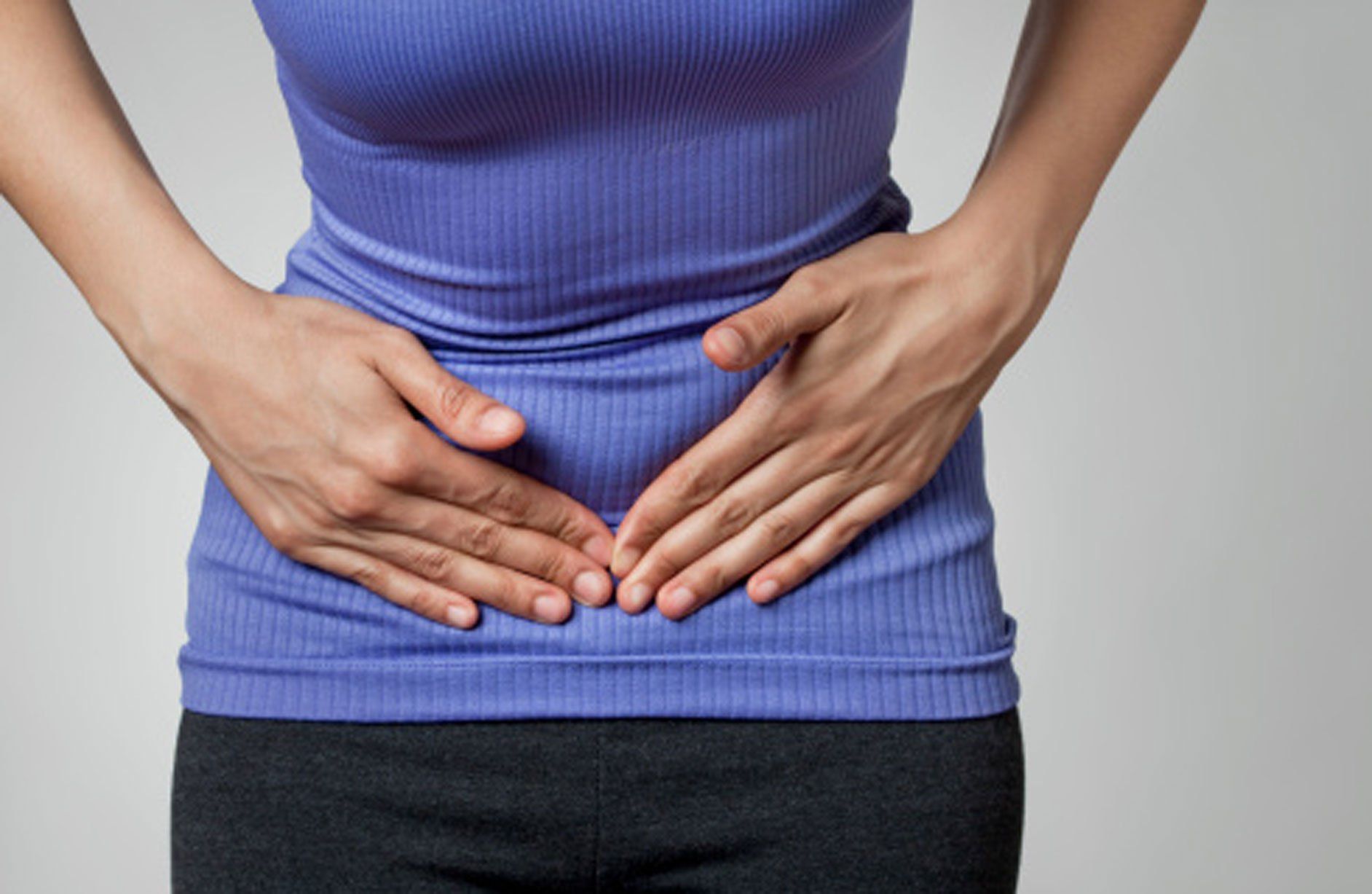
    A question that comes up a lot both on the Redefining Yoga Q & A Podcast and in our LYT Yoga Teacher Training is should a person practice yoga during their period? There are those who would say a woman should never practice during menstruation. Eye roll. Then there are those who say you shouldn’t do inversions during menstruation. They claim that inverted poses (such as handstand or forearm balance) reverse the prana, or energy flow, which is normally from the naval down to the pelvic floor. They claim this reversal of energy flow can disturb the menstrual process and lead to reproductive issues later on. This is simply not true. Neither the position of the body nor the gravitational pull of the earth has any effect on menstrual flow. Female astronauts spending months in space report having completely normal menses despite being in zero gravity the entire time. People may also claim that inversions place undue strain on the broad ligaments of the uterus and cause a partial collapse of the veins, allowing the arteries to pump blood into the abdomen. These claims have been also shown to be baseless, with no scientific proof behind them. 


    What the science has shown is that exercise is an optimal treatment method for pain during your period. More than 50% of women have painful periods and 10% of them are so severe that they disrupt 1-3 days of their lives each month. Cramps, medically known as primary dysmenorrhea, occur when the uterus contracts due to reduced blood supply. It’s believed to be caused by the release of prostaglandins and other inflammatory proteins in the uterus, which is mediated by the sympathetic nervous system. Exercise has been shown to decrease stress, which decreases the activity of the sympathetic nervous system, thereby decreasing menstrual pain. Physical activity also decreases vasoconstriction and increases estrogen and progesterone, which can decrease symptoms. Exercise during menstrual pain can also lead to faster transfer of wastes and prostaglandins from the uterus. 


    The research is unclear regarding what type of exercise is best for managing menstrual symptoms. Most studies agree that the type of exercise should be of moderate intensity and aerobic, to encourage the release of endorphins for pain and stress relief. Studies have also shown a greater decrease in pain from longer periods of exercise (8-weeks as compared to 4-weeks). From a personal perspective, I know that during the first two days of my period, my pelvic joints are a little less stable and are more prone to pain with prolonged standing or high impact activities. So I modify my LYT Yoga® practice accordingly. I may choose to do an intermediate level class with less plyometrics or modify a higher level class to minimize pressure through the joints. I may opt for a run-walk as opposed to a run, or in some cases, I’ll choose yoga over running on those days. It’s important to listen to your body. But know with confidence that science has shown exercise to be beneficial in treating menstrual symptoms. There is no evidence behind inversions affecting menstrual flow or reproduction. We have heard countless stories from LYT Yoga® practitioners that connecting to the core with this method of yoga has vastly improved their menstrual pain. How great is that?! On that note, you know where you can always find me, any time of the month…on the mat!


    Xoxo,

    Kristin  

  • The Triple S

    The Triple S

    You’ve heard us say it– and you may have even purchased our shirts in the LYT store. Posture F*cking Matters.  Now I’m not sure how you could be a LYT lover and not have heard of the Triple S, but just in case, I’m going to break it down for you. 🙂


    Triple S is a termed Lara coined a few years ago as a simple way to remember how to achieve the optimal posture. There are three bony landmarks to remember:


    1. SKULL – more specifically, the back of the head
    2. SCAPULA – also known as the shoulder blade, a flat triangular bone that lies upon the rib cage and is part of the shoulder girdle
    3. SACRUM – the fused bottom portion of the spine, which is sandwiched between the ilia of the pelvis.


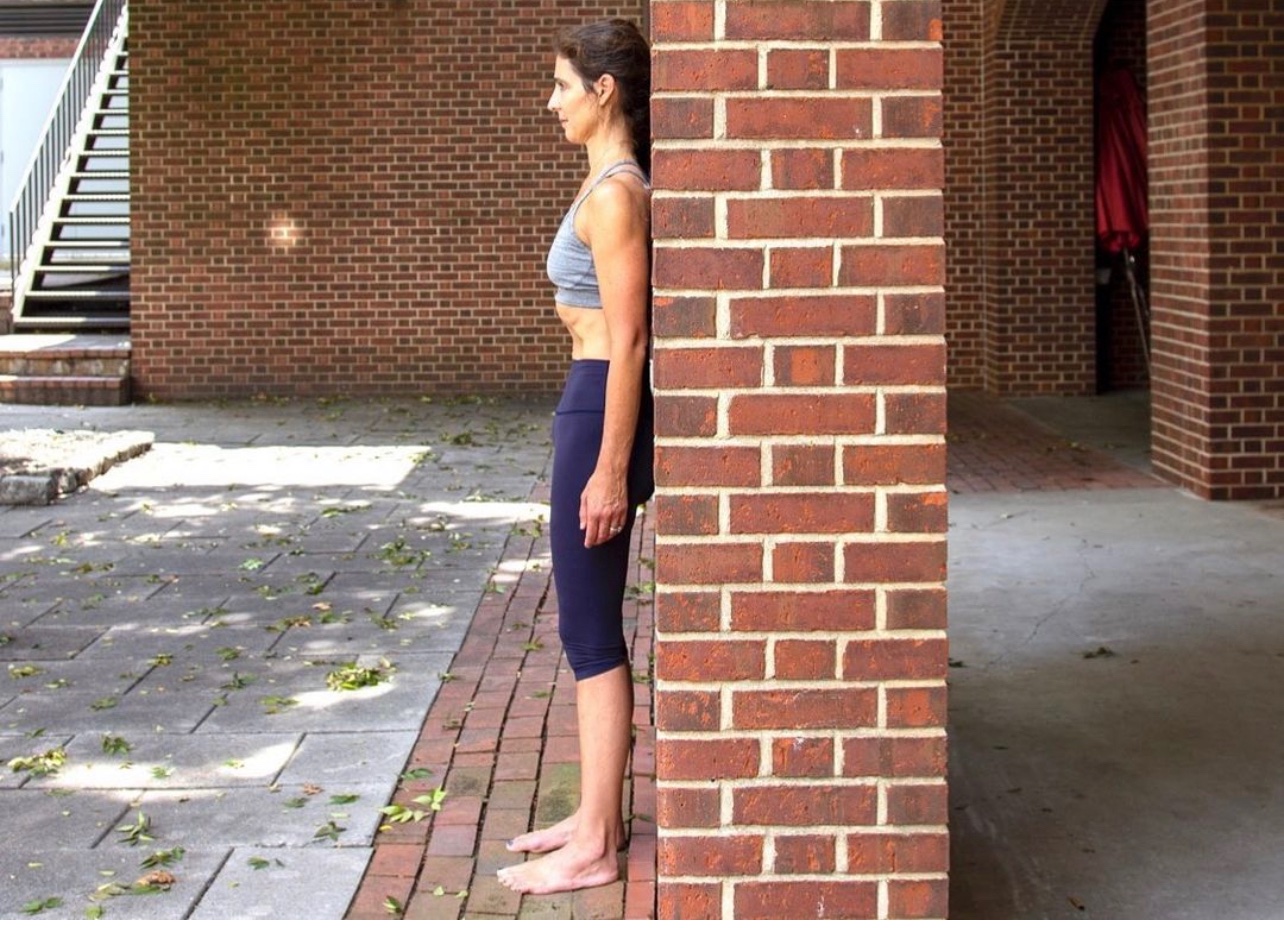
    In order to obtain an optimal postural alignment, the skull, scapula, and sacrum should be in line with one another. For example, if you were to stand up against the wall, the back of the skull, scapula and sacrum should all come in contact with the wall. The Triple S recreates the natural curves of the spine and stacks the head atop the vertebral column. So why is this important?

    Lara-Triple-S

    As Lara likes to say, the forward head and rounded shoulders posture is a pandemic of its own. Just to give you an idea how much the slightest shift forward of the head impacts the neck, consider this: A normal human head weighs roughly 10-12 lbs. If we were to shift the head forward 15 degrees at a time, the weight through the cervical spine increases as follows:


    • 0 degrees = 10-12 lbs
    • 15 degrees = 27 lbs 
    • 30 degrees = 40 lbs
    • 45 degrees = 49 lbs
    • 60 degrees = 60 lbs


    That’s pretty staggering when we consider that most people probably hold their head in 45 degrees of cervical flexion while texting or playing on their phones…roughly five times the amount of strain through the cervical spine. But that’s not the only issue at hand. Coupling the forward head with the rounded shoulders and upper back results in something we call “Upper Crossed Syndrome”.


    In Upper Crossed Syndrome, we develop tight muscles in the posterior neck and shoulders and anterior chest and weak/inhibited muscles in the anterior neck and posterior shoulders. If we visual this as a large X drawn on a body facing left, with the center running right through the base of the neck, it would look like this:

    Upper-Crossed-Syndrome

    Hence the name, Upper Crossed Syndrome. This imbalance is due to losing your Triple S both in standing and sitting. The number of secondary issues that arise from the aforementioned imbalance in the body is all but endless. It includes (but far from limited to): tension headaches, jaw pain, neck pain, shoulder pain and dysfunction, low back pain, rib pain and dysfunction, thoracic outlet syndrome, carpal tunnel, etc etc.


    So take a moment and find your Triple S. You can start on the floor, where gravity can assist. Progress to the wall and then to sit and stand independently. Your future self will thank you! 


    Xoxo,

    Kristin

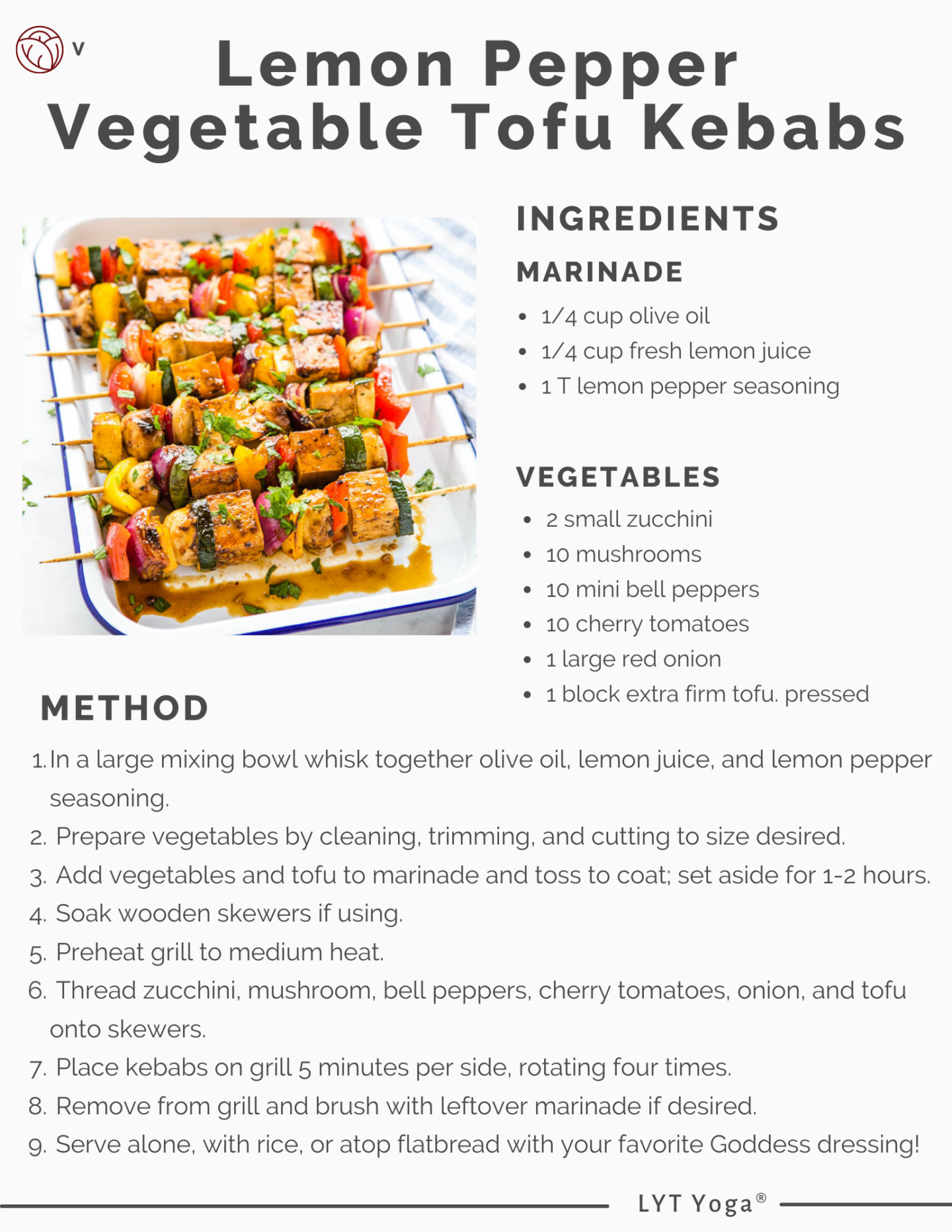
  • Lemon Pepper Vegetable Kebab

    Lemon Pepper Vegetable Kebab

    Planning a Labor Day barbeque to give summer a proper send-off?

    I love this recipe because it’s simple and fresh which is fabulous for warm summer days!

    You can create colorful skewers by mixing the vegetables or skip the skewers all together and use a grilling sheet!

    Serve the grilled vegetables and tofu with grilled pita, lettuce, tomato, Violife Feta, olives, and goddess dressing!


    Vegetable-Kebab-graphic

  • Finding Balance Through Better Posture

    Finding Balance Through Better Posture

    People often ask me for tips on how to find more balance in their lives. While many factors contribute to that feeling of physical and mental equilibrium that can be considered balance, I often tell people to start by examining how they carry themselves. Posture is an indicator of both external and internal stability. And, in my opinion, posture is an essential gateway to discovering more balance in your body, mind and energy.


    So, how does one find the most optimal posture? Just like almost everything in life, there is no “perfect”. But, there exists a spectrum of balance in which we are able to hold ourselves upright with more ease and efficiency; and with more optimal posture, we move in a variety of positions with less effort and a decreased chance of injury. It makes sense that we will therefore have more energy if we expend less effort like we do when we are misaligned. Compensations in the muscular firing cost us energy. So, let’s look at how we can improve our posture to hold on to more of our life fuel.


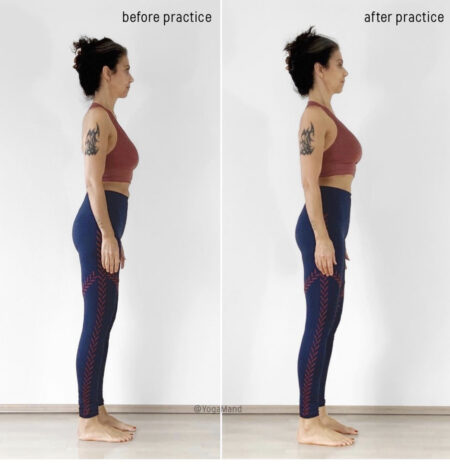
    Start by examining your standing posture. When you are standing, your head should be centered over the neck, resulting in an imaginary line where your ears bisect your shoulders. In this modern day of technology, far too many people carry their heads off-center where their ears are way in front of the shoulders. This forward head position indicates that the head is not balanced over the cervical spine, the neck. The neck will then not be evenly balanced over the torso (as it should be in more optimal posture, with the shoulders centered over the pelvis). The pelvis is often pitched forward which could either be because of the neck or because of the increased time we spend sitting or both.


    To get a sense of this in your own brain mapping, stand against a wall with the back of your skull, scapulae (shoulder blades), and sacrum (the lowest part of your back) touching the wall. In the more optimal standing posture, all the natural curvatures in the spine will be in place, with the cervical and lumbar spine not touching the wall. Notice what part of those three areas -skull, scapulae and sacrum – have a harder time connecting to the wall. This sensory feedback will let you know where your are not balanced. For example, I have seen people struggle to get the back of the skull to touch the wall, indicating that the neck muscles in the back are restricted and the anterior/front muscles of the neck and torso are probably weaker. If the sacrum has a hard time connecting with the wall, the muscles in the front hip could be tight and tipping the pelvis forward. Even though many factors can contribute to the overall imbalance of posture, learning to “find” a more optimal position with the feedback of the wall can help the underlying issues.


    Your posture won’t change overnight, but you can work on it with the feedback of the wall, reorienting that upright position and getting a sense of what muscles will need to strengthen or lengthen to help with standing tall. This search and work for physical balance will not only help you stand taller, it will also help you identify areas of misalignment in your body that can be improved by first becoming aware that they exist. Awareness is the first step to changing the way we stand and move to lead us to more balance in our energy and in our movement.


    Drea-Sauter

  • The Science of Sweat

    The Science of Sweat

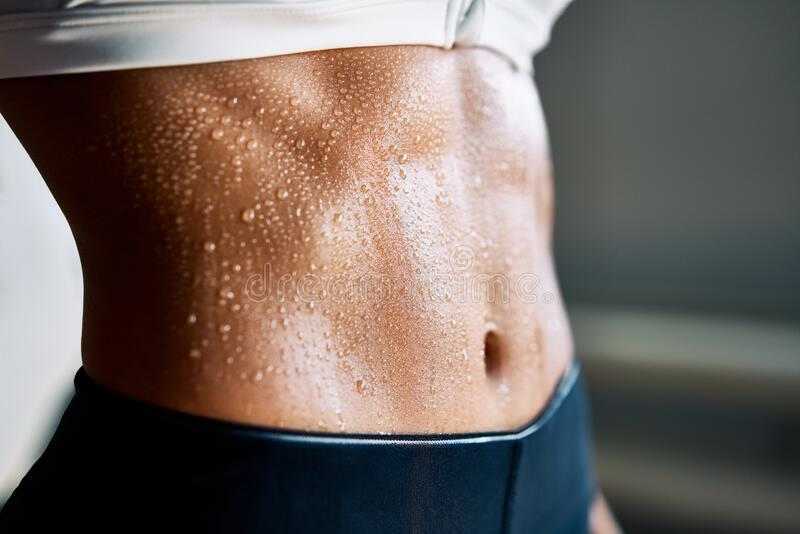
    Today we’re going to talk about SWEAT. Ewww, gross, right? NO! We love to sweat in LYT! Have you ever wondered why we sweat? What is the science behind perspiration? To put it simply, sweating is our body’s natural air conditioning unit. When our body temperature rises from exercise, heat, stress, or even hormone changes, we sweat to keep our body temperature at a comfortable 98.6 degrees F.


    Most know that sweat glands are located within the skin. However, you may not know that we have three types of sweat glands, which differ in size, location, and function:

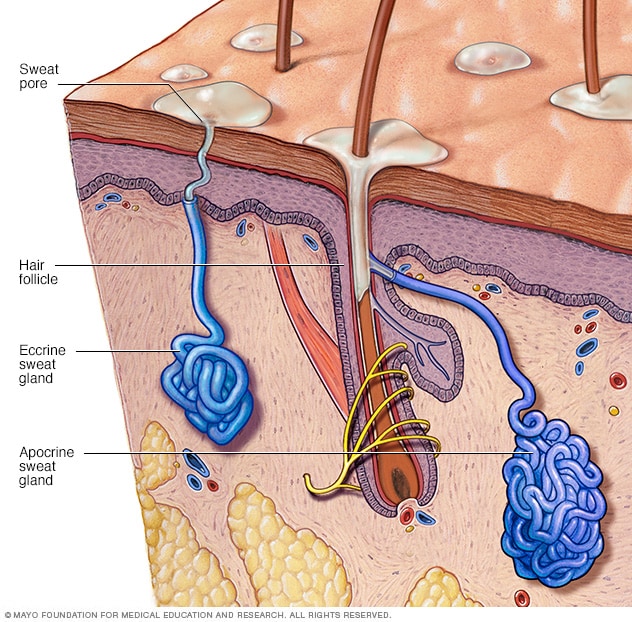
    1. Eccrine Sweat Glands – smaller in size, these are found all over the body and are responsible for the highest volume of sweat excretion. Humans have ~2-4 million eccrine sweat glands in total, with the highest density on the palms of the hands and soles of the feet. They open directly onto the surface of the skin and respond to both thermal and emotional stimuli.
    2. Apocrine Sweat Glands – also known as odoriferous (smelly) sweat glands, these are large in size, but are confined to the axillary (armpit) and genital regions. They open directly into hair follicles as opposed to the surface of the skin. Because they are limited to specific areas of the body, they play a smaller role in overall sweat production.
    3. Apoeccrine Sweat Glands – only recently described in the literature, these glands are intermediate in size and share properties with both apocrine and eccrine glands. They are limited to the axillary region and empty directly onto the surface of the skin.

    Sweat Pore

    So why do we sweat? In a word: thermoregulation. The mechanical efficiency of humans is not great, so we need a mechanism to rid the body of any excess heat build-up. The primary means by which the body heats up is externally from the environment and internally by our metabolism, which is the process of converting food to energy and the elimination of waste. The amount we sweat is primarily determined by these two factors. During exercise, a large amount of heat is produced by the muscles as a byproduct of metabolism, which is directly proportional to exercise intensity. In addition, heat from the air is transferred to the body when it’s hotter than the temperature of the skin, increasing the body temperature externally. When either or both of these factors cause the internal temperature of the body to rise, our sweat glands release water to the skin surface, transferring heat from the body to it. There it quickly evaporates, cooling the skin and the blood beneath. This is known as evaporative heat loss and is the most effective means of thermoregulation in humans.  


    There is a common perception that sweating has a variety of other critical functions for maintaining homeostasis in the body unrelated to thermoregulation. Eccrine sweat is thought to play a role as a natural barrier to skin through its delivery of water, moisturizing factors, and antimicrobial peptides, pointing to a potential role in defense against skin infection. The notion that sweating accelerates the breakdown and elimination of toxins from the body has been around for years as well. As attractive as this idea sounds, there is little to any solid evidence to date that supports this. Although they do participate in this function, the role of sweat glands is minor as compared to the liver (breakdown) and kidneys and GI tract (excretion). 


    Finally, sweat is not just water. It also contains sodium (Na), chloride (Cl), potassium (K), calcium (Ca), and magnesium (Mg). This is important because something that has been found in the literature is enhanced sweating with better heat acclimation and aerobic training. Heat adaptation leads to improved salt (NaCl) conservation through a decrease in sweat, minimizing disruptions to the whole-body electrolyte balance. While the degree of conservation varies in the literature, the reported decrease in salt loss after 10 days of heat acclimation ranges from ~30-60%. Aerobic training has been associated with an earlier onset and greater responsiveness of sweating in relation to body core temperature.  


    So get on your mat today and SWEAT! Your body will thank you! 


    Xoxo,

    Kristin

  • Green Smoothie

    Green Smoothie

    We’ve been sweating our way through the week and it’s time to rehydrate!

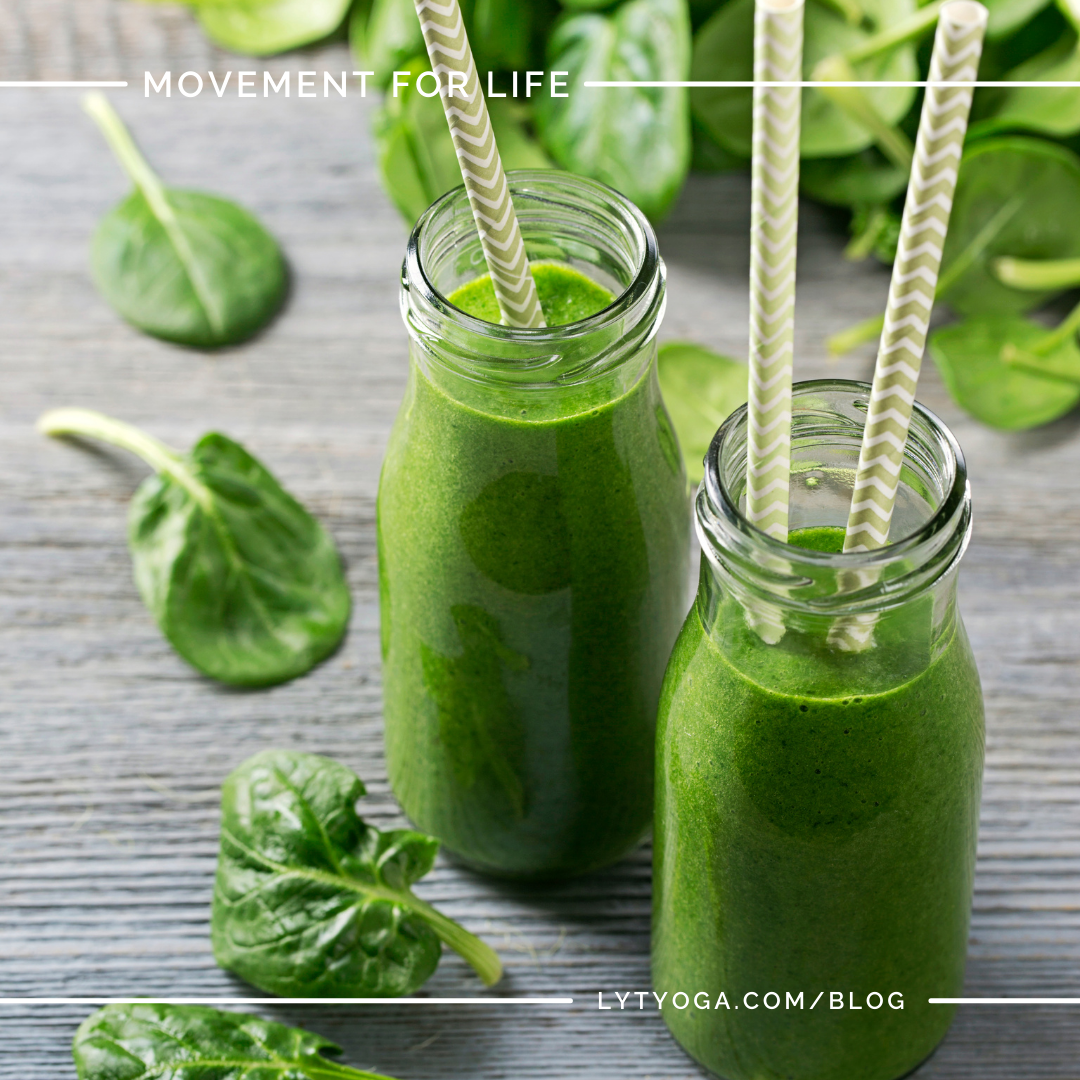
    One early spring day this Vitamix smoothie appeared in my newsfeed and I instantly saved the recipe. It was bright, green and looked so refreshing! I’ve been making this smoothie and its become one of my favorites. I always skip the banana personally, because I like to make this more like a juice, with a healthy amount of water or ice along with the pineapple, grapes, and spinach! If I’m feeling feisty, which I usually am, I’ll grate some fresh ginger in as well!


    You only need 4 ingredients to go green!

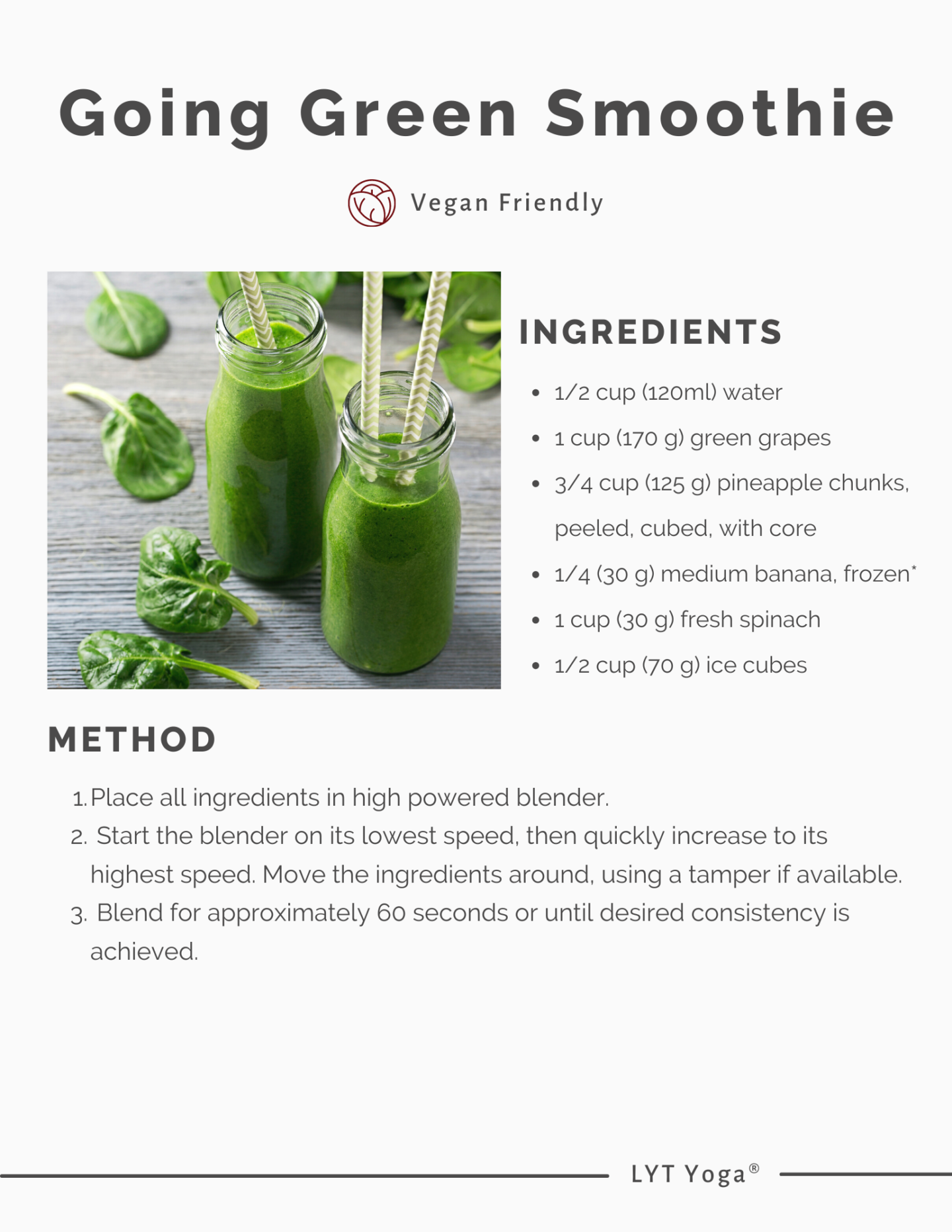
    1/2 cup (120ml) water

    1 cup (170 g) green grapes

    3/4 cup (125 g) pineapple chunks, peeled, cubed, with core

    1/4 (30 g) medium banana, frozen*

    1 cup (30 g) fresh spinach

    1/2 cup (70 g) ice cubes


    Directions

    1) Place all ingredients in high powered blender.

    2) Start the blender on its lowest speed, then quickly increase to its highest speed. Move the ingredients around, using a tamper if available.

    3) Blend for approximately 60 seconds or until desired consistency is achieved.


    *Rhonna’s tip! This smoothie is wonderful without the banana, add more grapes or pineapple if you’d like!

    Green Smoothie