Thanksgiving is just a few days away, and there is nothing better than helping yourself to a piece of festive pumpkin pie! This recipe is easy to make and a delicious dessert to top off your Thanksgiving feast! Enjoy!
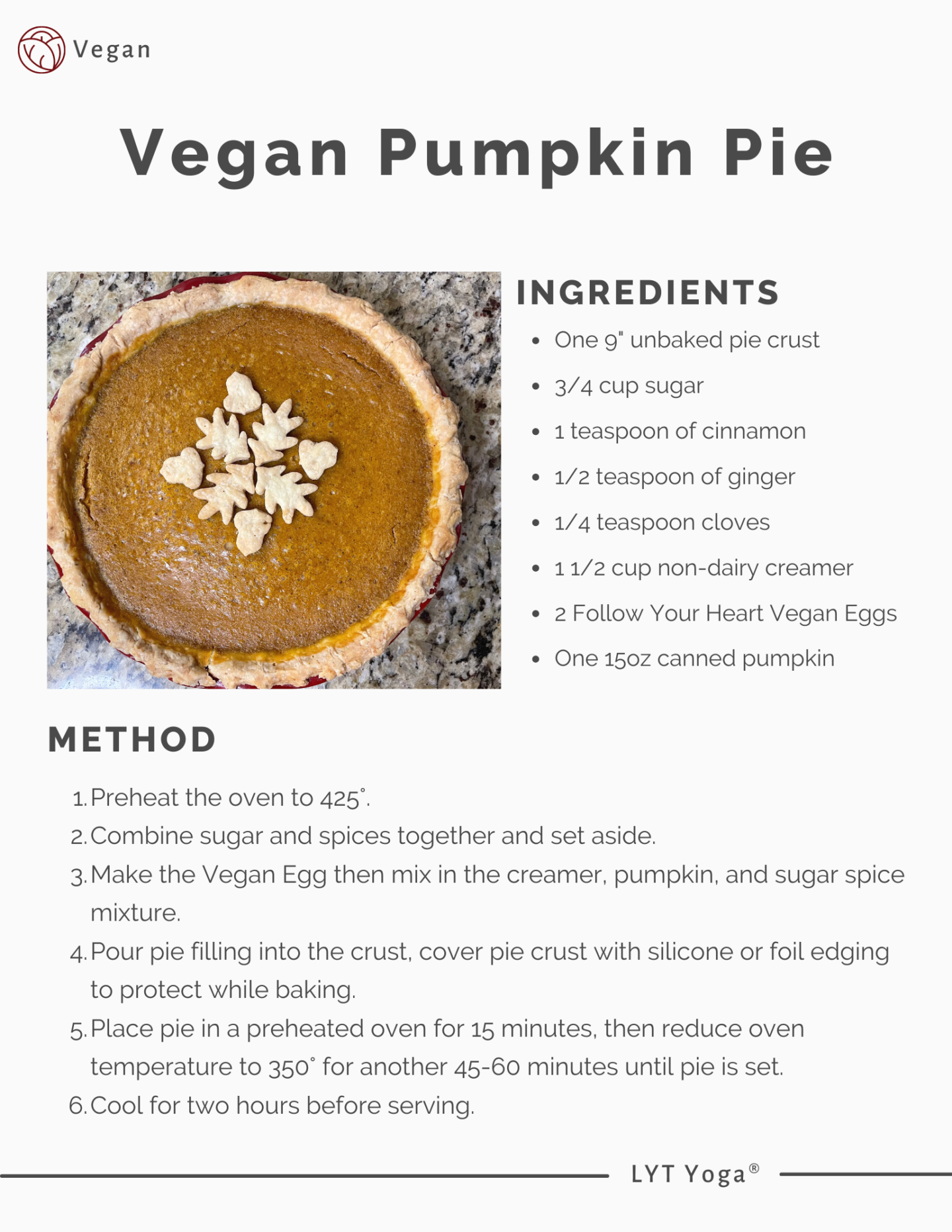
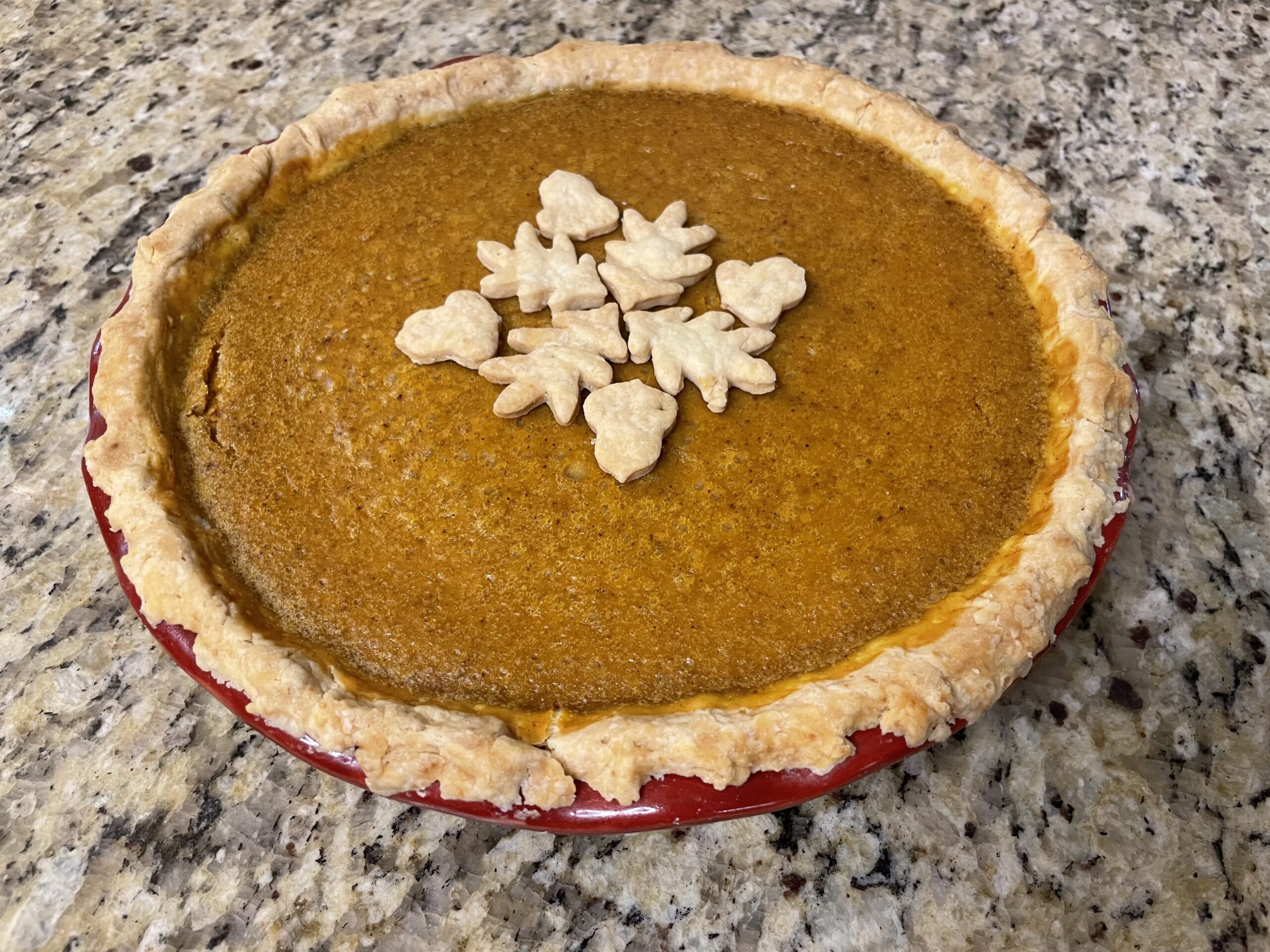
Thanksgiving is just a few days away, and there is nothing better than helping yourself to a piece of festive pumpkin pie! This recipe is easy to make and a delicious dessert to top off your Thanksgiving feast! Enjoy!
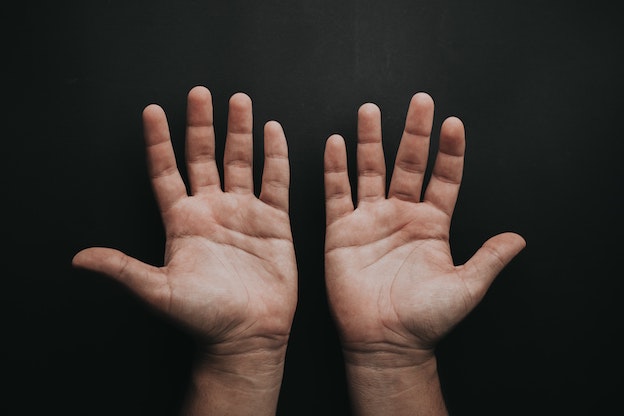
With more people working from home and online than ever, I wouldn’t be surprised if we see an uptick in the number of carpal tunnel syndrome (CTS) cases worldwide. CTS is the compression of the median nerve as it passes through a fibrous tunnel at the wrist into the hand, resulting in pain, numbness, tingling, and weakness along the distribution of that nerve. It is the most common nerve entrapment syndrome, accounting for 90% of all entrapment neuropathies. Given that it is made worse by prolonged extension of the wrist, one can understand why activities such as using a mouse and typing would aggravate symptoms of CTS.
Developing CTS is often multifactorial, involving occupational, social, and environmental risk factors. The most common risk factors include genetic predisposition, history of repetitive wrist movements, obesity, autoimmune disorders, and pregnancy. CTS is 10 times more common in females than males and usually occurs between the ages of 40-60 years. It is most often caused by a combination of compression and traction at the wrist. With compression, there is a cycle of increased pressure > obstruction of blood flow > increased swelling > compromise to the microcirculation of the median nerve > compromise of nerve function > lesions in the nerve itself > inflammation of the surrounding connective tissues and tendons passing through the tunnel > further compression of the nerve. Repetitive traction and wrist motion can only exacerbate symptoms, further injuring the nerve.
Sensory nerve fibers are often affected before motor fibers, resulting in early symptoms of pain, numbness, and tingling. These symptoms will present along the distribution of the median nerve, which includes the thumb, index finger, middle finger, and half of the ring finger (closest to the thumb). Pain can also radiate up into the arm. As the disease progresses, motor nerve fibers are affected, causing hand weakness, decreased fine motor skills, and atrophy of the muscles of the thumb. Autonomic nerve fibers can also be affected, causing temperature changes in the hand.
In the early stages, symptoms are most often present at night when lying down and decrease during the day. Symptoms at this stage can often be relieved by shaking the wrist and hand. As the nerve entrapment progresses, symptoms will also be present during the day, especially with repetitive wrist and hand activities. In more advanced cases, the symptoms can be constant. As CTS is progressive, permanent median nerve damage can result. However, almost 90% of mild to moderate cases respond to conservative management.
Three simple tests to check for CTS include:
As I stated above, conservative treatment of CTS is highly successful in a lot of cases. Initially, just modifying movements or positions that provoke the symptoms is key to breaking the compression cycle. Increasing aerobic activity, mobilizing the upper thoracic spine, stretching tight muscles of the cervical spine and thoracic outlet, strengthening the shoulder girdle, and gliding the median nerve can also help decrease aggravating factors of CTS. I’ve created a short video that can be found on our LYT Yoga® YouTube channel with simple exercises you can do to help relieve the symptoms of CTS, so check out the link below! Until then, I’ll see you on the mat!
Xoxo,
Kristin

By Alexandra Negru
Friends are people you can share intimacies and experiences with, and you are an important part of each other’s lives. The beauty of friendship is that you get to choose your friends, unlike with family.There is a lot of truth behind the common saying ‘In order to have a great friend, you must first be one.’ Being a great friend is a skill that you can cultivate.Making an effort to enhance this part of your life can be more than beneficial. Studies show if you have good friends throughout your life, you will live longer. Valuing and taking care of your friendships will not only make you happier, it will allow you to build up your chosen family.So, how can you be a good friend?

There are a lot of healthcare professionals on social media discussing whether or not posture really matters. It’s kind of the hot button topic in the physical therapy and pain science world. These days, it’s en vogue and edgy to say that posture doesn’t matter. I’ve been in this business long enough now to watch fads come and go. I love to listen to both sides of every story and to be honest, most of the time the underlying message on each side is essentially the same. People are just too busy spewing out extreme messages to get more likes on their Instagram page rather than really listening to what others have to say. Since this is my platform to educate people about the body as best I know how, I want to tell our readers why I think posture matters…but it may not be in the way you’d expect.
When most people think of good posture, they think head up, shoulders back, don’t slouch, and suck in your stomach, perhaps like an Army PFC lined up for uniform inspection. Is that what we want? Is that how we should present at all times in order to avoid back or neck pain? No. But does that mean it doesn’t matter? Does that mean slouching with a forward head and neck, zero tension in the core, and a tilted pelvis is ok? Again, no. Posture matters in the sense that being aware of where your body is in space at all times matters. There is little to no solid evidence that having bad posture causes pain. In fact, there is a lot of evidence to the contrary…that poor posture does not cause pain. But that doesn’t mean it doesn’t contribute or play a role. One study looked at thousands of people who experienced an episode of low back pain and found that being distracted while doing a specific task makes people 25x more likely to experience acute low back pain. It also found that being in an awkward posture also increased the likelihood, just not as much. The combination of the two, an awkward posture and being distracted, was the key.
There is also evidence that posture affects emotions. After all, you rarely see a superhero portrayed in a rounded, traditionally poor position of posture. People in positions of power often adopt a similar position for that same reason. Power begets power. A depressed posture has been shown to cause depression. Depressed people who adopt happy postures have been shown to feel better. There is also evidence that emotions affect pain sensitivity. Anxiety increases perceived pain responses. So it stands to reason that posture, emotions, and pain are related in some fashion and clearly influence one another.
It’s better to think of posture and movement patterns in terms of what puts the most amount of postural stress on the body. Younger people with more adaptable soft tissues and mobile joints may be able to maintain an awkward or poor posture for longer periods of time than an older person with less adaptable tissues because the postural stress on the body is less overall. Duration of stress matters as well. Bending over to examine something under your sink for five minutes is much less likely to cause injury as opposed to doing that for many hours a day as a plumber, for example. The duration of the stress is longer, but the posture is the same. Many postural stresses can be avoided…if you notice it’s a stressor…which unfortunately, many people don’t.
The best posture is a dynamic one. We weren’t created to be sedentary. Our bodies are meant to move in a variety of positions and to do so frequently. A sedentary lifestyle contributes significantly to the degeneration of postural reflexes, as discovered by NASA while studying the physiological effects of inactivity. We have the best length-tension relationship in our muscles in neutral, so it’s a great place to start. Once you’re able to identify neutral, your brain and your body become more aware of when you stray and it’s easier to respond as appropriate, for the position you find yourself in. You don’t and shouldn’t maintain erect Triple S posture throughout every movement. Find freedom and variety in your movements, with the ability to decrease the postural stress as needed for your body at that specific time. It’s a learning process that takes time and practice. And it matters.
Check out the link below to our Posture Series on LYT Daily. It’s also available for purchase if you aren’t a subscriber. In this series, Lara and I educate you, your brain, and your body on all things posture and movement, to decrease those postural stressors in your life! Until then, I’ll see you on the mat!
https://lytyoga.uscreen.io/programs/collection-9eqop9lxcpu
Xoxo,
Kristin
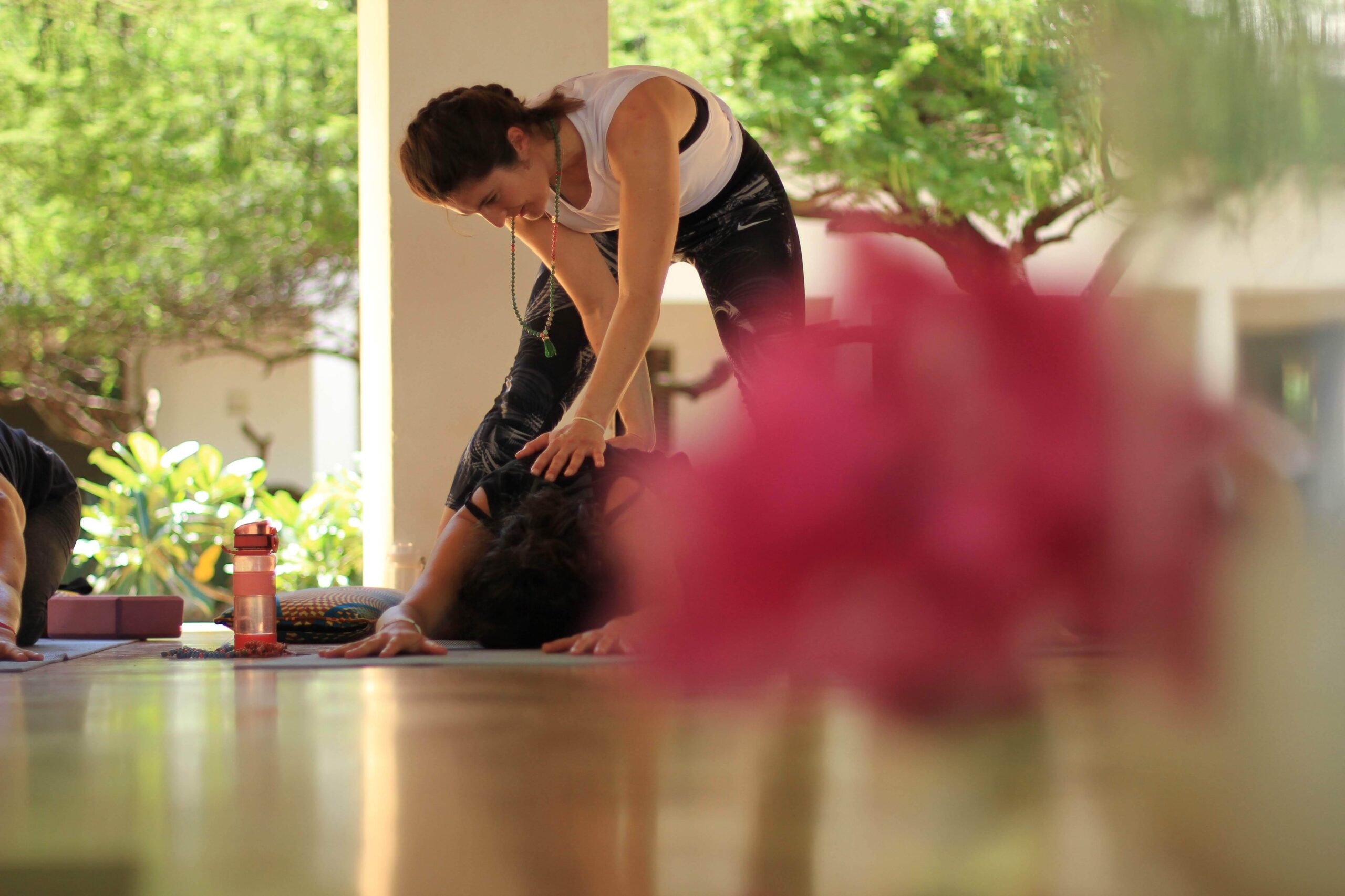
Hi! I’m Taisie Grant.
Growing up I always believed that in order to be ‘successful’ in life you had to follow the stereotype; the big corporate role, the highly admired job title, the big salary and a prestigious level of responsibility.
Otherwise – you would be classed as a failure – a nobody.
In the same vein though, I felt this immense pressure on my shoulders that I had to live up to this preposterous expectation and that if I didn’t achieve all of the above then I would have indeed failed. Of course – writing this to the audience I know it is to be shared with, I’m sure a lot of you will understand where I am coming from but will also know that there is a lot more to life than the societal expectation surrounding success. Unfortunately, I do believe society has a huge amount to be held accountable for when it comes to people ending up in a groundhog day job rather than a career that they love and why a lot of people go through life in a ‘job’ that as every Monday morning rolls around, causes them to wake up shrouded in fear and anxiety. What I have also realised, however, is that in order to find a career that you love – you, first of all, have to know what you are passionate about. And that, after having spoken to a lot of people about this, can sometimes be where the first hurdle lies. I have heard more than once that people have no idea what they are passionate about. Unfortunately, life sometimes doesn’t give us time, or should I correct myself by saying sometimes we don’t make time, to step back from the daily grind to really look at ‘what we love’ and what really sets our soul on fire because we’ve spent so long in auto-pilot with the blinkers on.
Getting up, going to work, coming home, numbing out from our miserable day in the office, going to bed and then rinsing and repeating, over and over. Well, all of the above was me. 23 months ago. I had been in a world that I realise now was so far against every grain in my body – trying to fit, trying to make it work, trying to pretend I was a success and most of all trying to pretend I was loving it. Spending all of my time worrying about what everyone else was thinking about me and how I would be viewed, dare I say it validated, rather than worrying about what was important to me. Living in line with my values, standing firm and sticking to my beliefs. After a series of serendipitous events – I happened to, through recommendation, end up at a magical place on the East Coast of Kenya – and had signed myself up for a 200hr YTT having not ever done more than five yoga classes – perhaps a bold move? But I didn’t care. I was at breaking point, in a terribly bad mental black hole, and my mental and physical health was really suffering, horribly. During those three weeks away, as cliche as it might sound, they have gone on to become three weeks that absolutely changed my life.
I realised that I didn’t have to live constantly against my grain. And that I also didn’t need to live a life where I constantly felt like I had to compete with everyone in my peer group; experiencing that suffocating feeling of never being good enough and always feeling like I was failing compared to everyone else. Yoga has taught me one of the biggest lessons in my life. The practice of self-kindness and self-compassion and that lesson alone has opened my mind in more ways than I could ever have imagined.
It also has taught me about passion and purpose and given me a realisation as to what I was born to do. There now isn’t a day that goes by where I don’t feel fully aligned to myself and the value chain I stand for and live by.
I realise how incredibly jarring the many years before now that I have not been aligned to these have been. It has meant that I have learned to be more content with my present situation – rather than constantly berating myself for not being ‘enough’. Or what I deemed was enough.
The trouble with never thinking you are enough though however means that whenever you achieve something – you are still never satisfied because there will always be someone doing what you believe to be ‘better than you’, appearing to be more ‘successful’ than you – so you just constantly set yourself up for a life of unhappiness and an inability to ever find contentment. Through yoga and movement – I have finally realised what I was put on this earth to do. And despite there being times where I have felt completely hopeless and lost, wondering what on earth I had done giving up my good salary and all of the security which comes with having a job, I now truly have a career. A passion. A purpose.
And let me tell you, it is one of the most exciting and liberating things to happen to me in my 30 years. For all of the days where I have worried over where my next paycheck might be coming from, not once have I regretted my decision to quit my job and follow my passion.
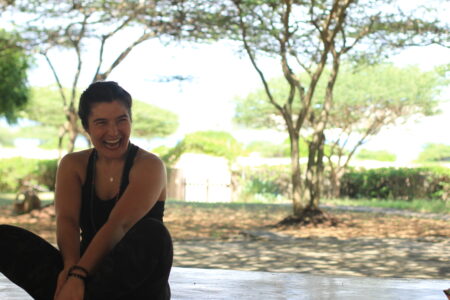
I do not ever have to question my values – because I now am able to hold strong the values I put above everything else, and as a result, can choose to work with those who honour the same values. I often felt in my old jobs like my moral compass was at times highly compromised and challenged. Making a career from my passion has given me freedom in ways I didn’t think was possible. The freedom to work and travel knowing that I can still earn while I am away. The freedom to go to new places and then create my work from there. The freedom to explore avenues that really interest me. The freedom to meet like-minded people and not have to pretend to be what I need to be – I can just meet them as me.
I have also redefined my definition of ‘success’. So many of us are entrapped in the belief that we can only be successful if we adhere to the societal guidelines and expectations of how and what we’re supposed to achieve. This is one of the most suffocating things to hold yourself against. When you redefine success to what YOUR definition is, the world becomes hugely exciting! And you feel expectation melting away – as success becomes what YOU make of it and no one else. And it can be absolutely anything! Something as simple as that you are living in line with your truest self. And if you ask me, I’d take that any day over selling my soul to the devil to have someone else’s validation!
I cannot encourage you enough to do the same! To find and explore your passion if you have something that you are passionate about; or if you don’t, to go and find something.
My only word of caution to you would be to have the financial stability to allow you to do this, as at times this has been unsettling, but for me going back to the old life of a ‘job’ seems like something I couldn’t even begin to imagine doing. It seems alien and so far away from the life I have now created. Yes, there might be times where I have to work the coffee shop or wait on tables in these early days to keep me afloat. But that is a small price to pay for the opportunity to truly shape your own and, as a result, other people’s lives.
I don’t want to get to the end of my life and say – I wish I had done X. I want to write my story starting from now. No regrets. The only thing you need to do is believe in yourself. And believe that you can make it happen. There will always be people who try and dissuade you otherwise for all manner of reasons – fear, jealously, their own unhappiness – but as long as you are committed to the path that you know was meant for you, you are the only person who needs to believe in what you’re doing and in yourself. So go bravely, go boldly. Find your courage. Find your strength. And dare to jump into the unknown and let me know what happens!
In the wonderful words I’ve learnt from our yoga mama, Lara,
I’m pulling for you!
Taisie xxx
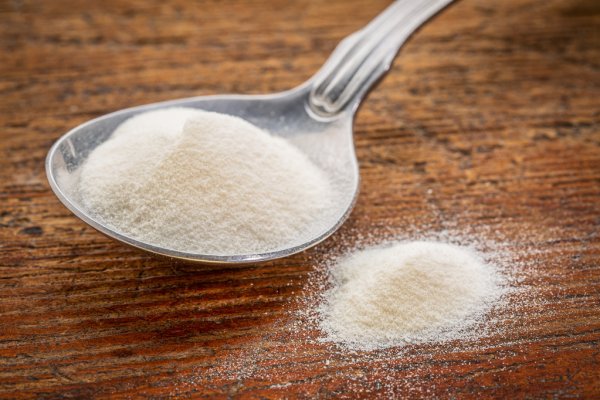
I never used to think much about collagen until I got into my 40’s. Now I can’t help but hear about it almost every day in ads for skin and joint health. So what’s the big deal that makes collagen such a hot topic in healthcare and beauty? In LYT Yoga®, we’re constantly talking about “soft tissues” and “connective tissues”. Similar to the framework of a house, connective tissue provides structure, support, and protection throughout the body. Connective tissue is comprised of ground substance, fibers, and cells. The ground substance and fibers make up something called the extracellular matrix, which is the structural support of connective tissue. The three types of fibers include elastin, reticulin, and of course, collagen.
Collagen fibers are large and strong, providing high tensile strength to the extracellular matrix and can be found in both dense and loose connective tissue. There are actually 28 different types of collagen in the body, with four being the most common:
As we age, the production of collagen begins to slow, which causes the cell structures to weaken. Skin becomes thinner, drier, and less elastic, causing wrinkles to form and skin to sag. Womp womp. Bones become weaker and more fragile. Ligaments lose their elasticity. Joints become stiffer as the cartilage wears down. Finally, muscle function decreases. Woof.
But don’t lose hope! Exercise has been shown to prevent cartilage degeneration in the body and help keep the skin healthy and vibrant. Researchers have shown that during exercise, the compression of the joint cartilage (made up of collagen) stimulates the tissue cells to block the action of inflammatory molecules associated with conditions like arthritis. There is certainly a threshold of doing enough, but not too much however. Exercise also increases blood flow, which helps to nourish skin cells. In addition to providing oxygen, blood carries away waste products, including free radicals, from cells. So you can think of it as helping to flush the system.
So the next time you hop on your mat and your favorite LYT Yoga instructor is challenging you to work a little harder or sweat a little more, think of the good you’re doing for your connective tissues and collagen! 🙂 If you want more information on healthy skin care, check out our LYT Yoga Blog by Jana Broeckx, European LYT Yoga teacher and entrepreneur! See the link below! You know we’re always pulling for you! Until then, I’ll see you on the mat!
Xoxo,
Kristin
Hi
I’m Jana Broeckx, a certified LYT teacher, computer scientist and cosmetics enthusiast. I’m gonna tell you a story of how my skincare routine led me to live a more balanced, integrated life.
I’ve had dry, easily bruised, sometimes painful skin my whole life. When I was a teenager my mother even took me to a dermatologist once because the skin on my head was ALWAYS painfully itchy. He told us some teenagers get acne, some – like me – can get symptoms like dry, itchy skin. He prescribed a certain shampoo we had to special-order from the local pharmacist as it wasn’t something they usually had in stock. It relieved some discomfort, but the itch came back quickly after washing.
The shampoo had a label on it that said “no parabens”. I read it a thousand times, but one day in 2013 I became curious enough to look up what it actually meant. I found all of this information about how so many of the ingredients that are very commonly found in generic skincare and make-up items can possibly have serious effects on our skin, our largest organ, or even overall health. Many items are filled with filler ingredients that do nothing but dilute the product so you need to repurchase quickly. On top of that – which was the worst part – many of these items are tested on animals. Something I had never thought about before, I just assumed it was a thing of the past. It isn’t!
For a while there it seemed like all common products you could find had ingredients in them that I didn’t want to use anymore for various reasons. Eventually I found the green beauty community. Products that are generally made with more natural ingredients, using mostly plant oils and extracts that are often safer to use and gentler to the skin. My skincare routine went from standard lotions and creams to one-ingredient oils and flower waters for a while. As a university student this was great. These items were cheaper than what I was using before and often lasted longer as they’re more concentrated.
One thing I struggled with was the make-up part. In mid-2013 there were a lot of bad products out there. Not in terms of ingredients, but performance. It took me years to find colour cosmetics that had ingredients I liked and performed the way I wanted. At the time it felt impossible to find items that would last a whole day. By the time it was noon, it either was gone or looked unappealing. It honestly took me years to find items that I liked.
I mentioned in the beginning how this changed how I lived my life, so let’s segue into that for a second. In my search for healthier, simpler beauty products, I found a lot of blogs and websites that would mention topics like sustainability, plant-based eating and animal welfare. Honestly, this was not something that I had looked into or thought about at all.
Then in early 2014, while I was enrolled in the first year of my master’s, our schedule was so intense and my grandparents were having serious health issues. I was so stressed out I started suffering from intense stomach pains to the point I had to go lay down on the floor in child’s pose and hope it would be over soon. My doctor prescribed a peppermint oil supplement. To my surprise my pain went away almost completely. This sparked curiosity in me once more. If a supplement had such a big effect, then what would the impact of our diet as a whole be? I remembered all those skincare blogs talking about a plant-based diet. So after a lot of research I became 95% plant-based and both my skin and digestion had never been better.
In January 2015 I ended up watching several documentaries that kept popping up on blogs that I used to find skincare or make-up reviews and vegan recipes. One documentary in particular, Earthlings, really shook something in me. The impact that we as humans have on the planet and all the non-human animals living around us is enormous. Why was this something I had never even considered in my life? And what was I doing with my life if I knew all this information and didn’t do anything with it? So I became vegan and a couple months later I joined a vegan activist group here in Belgium.
For the first time in my life I felt like I was part of something meaningful. I wasn’t just going through the motions of things I thought I should be doing. I started becoming a lot more aware of the impact of my choices and actions on the people, planet and beings around me. It was a big step towards connecting – maybe for the first time in my life – to my CORE.
OK… back to the skincare part of the post. I eventually found amazing, natural (colour) cosmetics. But I was ordering them on so many different websites as none grouped all the good brands together. I was spending quite a bit of money on shipping. So I decided to start Florissana – a vegan cosmetics webshop based in Belgium with all the goodies – (in the beginning at least) as a side business. I wanted it to be easy to find good, vegan items as I know many people in my life would never put in the amount of hours I had to find an alternative that was more sustainable and animal-friendly. I can test the products so you don’t have to.
This whole journey started as something so superficial, but ended up inviting me to go deeper within. Facing your inner demons and conditioning of course comes with its own difficulties. This eventually led me to start a vinyasa yoga practice. Maybe the details of that whole journey will be a story for another day. But it was someone in the vegan activist group I joined that pointed me in the direction of the right yoga training where I met Lara. As if it was all meant to happen. LYT Yoga truly helps me to keep living in an integrated, core-connected way, to continue to learn and grow for myself and others. And it all started with a bottle of shampoo.
Are you intrigued and want to start incorporating more natural products in your routine or are you looking for alternatives for specific items? Reach out to me on Instagram (@jnabrx) and I’ll point you in the right direction!
Oh… that itch on my scalp… it disappeared when I started using gentler, greener products. And my skin? It has never looked and felt better.
Jana
If I had a dollar for every person who told me during their past medical history interview that they have “flat feet”, I’d have a small nest egg in the bank. Most of the time when I do my examination however, I see nothing of the sort. Especially nowadays when shoe manufacturers have capitalized on “over-pronation”, many people are under the impression that they have flat feet when they really don’t. In fact, truly flat feet are rare.
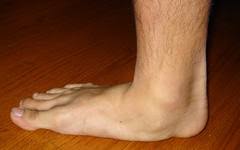
Pes planus, or flat feet, can be either congenital or acquired and is defined by the loss of the medial longitudinal arch of the foot. The arch of the foot is a tough, yet elastic combination of ligaments, tendons, and fascia connecting the forefoot to the hindfoot. It acts as an adaptable and flexible base of support for the entire body, dissipating the forces of weight-bearing and storing mechanical energy during the gait cycle. Dysfunction of any portion of the medial longitudinal arch can result in an acquired pes planus. Risk factors for developing flat feet include excessive tension on the gastroc-soleus complex (the calf muscles), obesity, ligamentous laxity, or posterior tibialis tendon dysfunction. The function of the posterior tibialis tendon is to support the arch as well as invert and point the foot. A failure or dysfunction of the tendon can contribute to a fallen arch in weight bearing. Posterior tibialis dysfunction is most common in females over the age of 40 who have other chronic health issues such as diabetes and obesity. It can also occur in people who have congenital pes planus who participate in repetitive high impact sports.
It’s not uncommon for toddlers and young children to have flat feet due to ligamentous laxity and a lack of neuromuscular control. However, most children develop normal arches by age 5 or 6. It is a small percentage of children who fail to develop a normal arch by adulthood, making the percentage of people with truly collapsed arches, or rigid pes planus, relatively small. It is estimated that between <1-28% of the population has some degree of pes planus, but a majority of these cases are flexible pes planus. With flexible pes planus, the arch is present in non-weight bearing, but absent or decreased in weight bearing. Rigid pes planus is rare. There is a strong genetic component of pes planus, so it typically runs in families. People with congenital ligamentous laxity secondary to Down syndrome, Marfan, or Ehlers Danos can present with flat feet. The ligamentous laxity associated with pregnancy can also cause flat feet, but typically corrects itself postpartum.
The main symptom of pes planus is foot pain due to strained muscles and connective tissues. People may have pain along the posterior tibialis tendon or with a single leg heel raise. If the collapse of the arch is severe, the ankle may turn inwards and the bulk of the body weight is placed through the medial border of the foot. Such a distortion of weight bearing often results in abnormal biomechanics of the lower extremities and can cause calf, knee, hip, or low back pain.
Treatment of pes planus includes increasing the flexibility of the feet and lower legs, strengthening the small muscles of the foot, lower legs, hips, and core, training proprioception, and patient education. LYT Yoga® certainly ticks all of these boxes! In fact, if you want to learn about all things feet, Lara has an upcoming workshop entitled “Foundations of the Foot” on October 30 that you won’t want to miss! Check out the link below! Until then, I’ll see you on the mat!
Xoxo,
Kristin