Category: PT Corner with Friends

  • Why do I have to pee all the time?

    Why do I have to pee all the time?

    by Ashley Newton, PT, DPT


    If your family was anything like mine, before a car trip, my mom would always ask if everyone made sure they had gone to the bathroom. And even if you didn’t have to go at that moment you would make a trip to the bathroom to try to avoid any stops on your car trip. Fast forward to today when lots of adults urinate ‘just in case’ before they go out to the store, feel like they are constantly going to the bathroom, and wait in ridiculous lines to use the toilet. What is going on? Why do people feel the almost constant urge to urinate? The answer is multi-layered, but I will discuss causes that fall into the following categories: neuromuscular, musculoskeletal, and dietary.


    The first thing that you need to know is that as the bladder fills, we get our first experience of urinary urgency at 50% full. The amount of time it takes a bladder to fill is 2-4 hours! However, the connection between the bladder and the brain is very smart and if someone starts to urinate more frequently, the body starts to experience urinary urgency earlier and earlier. As a result, people feel like they have to go to the bathroom more frequently even though their bladder is not full. The behavior ultimately trains the brain and bladder! 


    The bladder is surrounded by a muscle called the detrusor. When the detrusor contracts, it pushes urine out of the bladder. If the detrusor is contracting too much, it gives the sensation of urinary urgency. We also know that fascia suspends the bladder and that the pelvic floor muscles support it. If there are issues with pelvic floor coordination and/or strength, the muscles are not doing their job of supporting the bladder. Dysfunction in the muscles of the pelvic floor can cause urinary urgency as well.


    Lastly, there are known foods and drinks that cause bladder irritation. Bubbles from seltzer, citrus, coffee, and chocolate, just to name a few. These foods irritate the bladder lining and can cause the sensation of urgency. Now it is important to note that since the urine inside the bladder plays a role in urgency, restricting water in an attempt to not go to the bathroom actually worsens irritation! This actually makes the urine more concentrated and thus more irritating to the bladder wall. 


    If you feel like you are going to the bathroom ‘all the time’, it may be helpful to consult your local pelvic health physical therapist to retrain the brain and body so that life is not so interrupted by trips to the bathroom.


    I am excited to share tips and education with you in LYT newsletters to come! Follow me on Instagram @ashleynewton_dpt and @activcoreprinceton_pelvic for weekly content on pelvic floor, the nervous system, yoga, and wellness!


    Xoxo, 

    Ashley

  • Train Like A Girl

    Train Like A Girl

    Follow the Rhythm of Your Monthly Cycle and Optimize Your Training


    Did you know that as females, we run on two different biological clocks? We have a circadian rhythm that runs on a 24-hour cycle and the infradian rhythm that runs on a 28-day cycle. Everyone has a circadian rhythm. It runs many physiological processes such as a cortisol spike in the morning to wake you up and melatonin in the evening to lead you into sleep. It regulates digestion, body temperature, metabolism, sleep, elimination, and more. Your circadian clock is relatively the same day in and day out. From puberty until menopause, females have a second clock that is not often talked about but has tremendous effects on our energy levels, workflow, and you guessed it – our exercise tolerance. So here is everything you didn’t know you needed to know about your infradian clock so you can work smarter, not harder and train like a girl. 


    The infradian rhythm aligns with your menstrual cycle. The menstrual cycle has four phases – follicular, ovulatory, luteal, and menstrual. Hormones fluctuate in each phase. Disruption of this clock can affect your physical health and lead to a range of problems from poor skin health, gut health, low energy, mental health changes, etc. The first step to training like a girl is to heal any hormonal imbalances to align with your body’s natural monthly rhythm, a topic that deserves more space than this article can provide so please seek out more resources to heal hormone imbalances if this is you. 


    The follicular phase begins right after your bleed ends, lasting for 7-10 days. All hormones are low and begin to increase in concentration. It’s the phase to prepare and begin again. The ovulatory phase (3-4 days) happens with a stark rise in estrogen and luteinizing hormone to stimulate follicule maturity and egg release. Testosterone rises as well. This is a time to socialize, try new things, and open up. Next is the luteal phase. Lasting 10-14 days, this is where estrogen, progesterone, and testosterone reach their peak concentration and then begin to fall to their lowest levels, right before bleeding begins. PMS is a common (but not necessary) symptom in this phase. It’s a natural time to complete tasks, draw inward, and organize your space. Lastly, the menstrual phase lasts 3-7 days and is categorized by the bleed as the uterus sheds the endometrial lining. Hormones fall to their lowest concentrations. It’s a great phase to rest and reflect. Now that you are familiar with your female biology, let’s see how you can use it to your advantage when training. 


    • Follicular phase: energy is rising after a time of rest. You are naturally open to new things so shake it up with a new instructor on LYT PRIME. 
    • Ovulatory phase: Estrogen and testosterone are peaking meaning you have energy to burn. Turn your training up a notch with more advanced classes or LYT HIIT (high-intensity-interval-training). 
    • Luteal phase: In the first 5 days, energy will still be high as estrogen and testosterone have not declined yet. As progesterone rises, calm the cardio and focus on strength training as your hormone levels are prime for maximizing lean muscle gains. During the second half of the luteal phase, all hormones start to decline which will affect your ability to build muscle. Switch your training to focus on mobility and slow flow classes. 
    • Menstrual phase: hormones are at their lowest and your energy is low as a result. Avoid high-intensity training and focus on more restorative or stretch classes. 


    Here is sample chart of how to structure your LYT Daily and LYT PRIME subscriptions to align with your infradian rhythm: 


         Follicular Phase      Ovulatory Phase      Luteal Phase      Menstrual Phase
         Full week of trying

         new classes/instructors     

         on LYT PRIME  

    • LYT HIIT 
    • Workshops 
    • Intermediate & Advanced classes      
     

         First half: 

    • Strengthening     
    • Full Body

         Second half: 

    • Slow Flow 
    • Posture 
    • Foundational
    • Meditation     
    • Breath
    • Stretch
    • Bliss


    Rather than force yourself to train the same every single day and beat yourself up for not being able to “keep up” like you usually can, try training in a more cyclical nature. When I finally let go of needing to be consistent in that way and instead allowed myself more rest in my late luteal and menstrual phases, I was surprised to find I had more energy, better results, and more mental wellbeing. Train like a girl and embrace your feminine rhythm to unlock your yoga practice in a new way. 


    Reach out and tell me how it feels! I would love to hear from you. 


    XO, 

    Thalia Wynne, PT, DPT, AT

    @thalialovee 


    Source: In the FLO by Alisa Vitti

  • Plantar Fasciitis

    Plantar Fasciitis

    by Sarah kingsley


    Plantar Fasciitis is one of the most common causes of heel pain today. Best known for its hallmark sign of a nagging, aching, burning, or stabbing pain in the heel or bottom of the foot, plantar fasciitis is often felt first thing in the morning when you put your feet down on the ground. The thick band of connective tissue on your foot that connects the calcaneus (heel bone) to the toes becomes dense, restricted, and leads to pulling and pain throughout the foot and ankle complex. The reasoning for this is largely unknown, however, it is especially common in runners and those who are overweight. The connection has to do with the major fascial connective system that surrounds every tissue in our body. The positioning of the pelvis plays a major role down the fascial chain, creating 2000lb/square inch of pressure. That’s the equivalent of a steel cable pushing you forward into this anteriorly tipped position! This is evident in runners due to restrictions in their hip flexors and repetitive forward momentum, and those who are overweight due to the abdominal distension pulling them forward. This immense pressure is translated down into the feet, causing pain.


    Breaking up the fascia is the best way to find immediate symptom relief. This can be done using stainless steel instruments (or a utensil such as a butter knife) to scrape away at the bottom of the foot in various directions, around the heel, and up into the calf region. Standing on a vibration platform is also great for breaking up fascial adhesions and restrictions. You can stand statically, or perform calf raises and toe raises, bending at the base of the ankle and keeping the base of your toes down and spread wide. A third way to break down adhesions is with eccentric exercise – strengthening in the lengthening phase of a contraction. An eccentric calf raise works wonders for the gastroc/soleus complex that connects to the plantar fascia through the Achilles tendon. Stand at the edge of a step (or even better at the edge of your vibration plate!) and quickly press down through the base of your toes to lift your heels, then slowly lower the heels down as far as possible, feeling a stretch in the back of your calves before quickly lifting the heels back up and repeating. Each time you should feel yourself being able to go down a little bit lower. But don’t forget the position of your pelvis! Scoop your low belly up and in and maintain a neutral pelvis as best as possible during the exercise.


    For long-term symptom relief, we need to address the source of the issue – which is likely the positioning of your pelvis! The two most common populations to experience this type of pain are often known for an anteriorly tipped pelvis (pitched forward in space). Restrictions in the hip flexor muscles coupled with weak gluteals and hip extensors to counteract these forces create a perfect recipe for disaster! Our LYT yoga practice moves us through the perfect exercises to correct these forces. A few to try out:

    1. Stretch the hip flexors in the 90/90 lunge position, activating the back gluteal and engaging your abdominals to feel a stretch in the front of the hip and thigh.
    2.  When on your back with your knees bent, bring your hands to your thighs and press them away as you pull your belly to your spine and root your tail towards your heels to create a tractioning of the hips and low back biasing posterior pelvic tilt holding for 3 seconds and relaxing.
    3. Progress to actively work the gluteals and hip extensors by performing a bridging motion lifting the hips up, and staying low not to overly activate the spinal extensors as a substitution.


    Stretching the calf muscles can also help relieve symptoms. Begin facing a wall with your hands on the wall and one foot in front of the other in a staggered stance position. Make sure your toes are pointed forwards. Keep your back heel down as you bend into your front knee until you feel a stretch in the back of your calf on the back leg. Hold for 30 seconds and repeat 3 times. Perform this exercise both with your back knee in the straightened/extended and in the bent positions to be sure to get both your gastroc and soleus muscles respectively.


    Using a brace to keep your ankle in a neutral position or to provide a passive stretch into the dorsiflexed position while sleeping can also provide a passive stretch to the fascial tissues and help prevent pain upon waking in the morning.


    References:

    https://www.mayoclinic.org/diseases-conditions/plantar-fasciitis/symptoms-causes/syc-20354846

  • Transversus Abdominis: The Abdominal Corset 

    Transversus Abdominis: The Abdominal Corset 

    by Ashley Newton PT, DPT


    “Draw the belly button into the back body”, “lift the abdominals up from the pubic bone”, “hold your core strong”, “stitch the belly in”. These cues for the abdominals can be confusing! Need some clarity on how to effectively utilize your abdominals in your yoga practice? Keep reading to get insight into how to optimize this part of your core! 


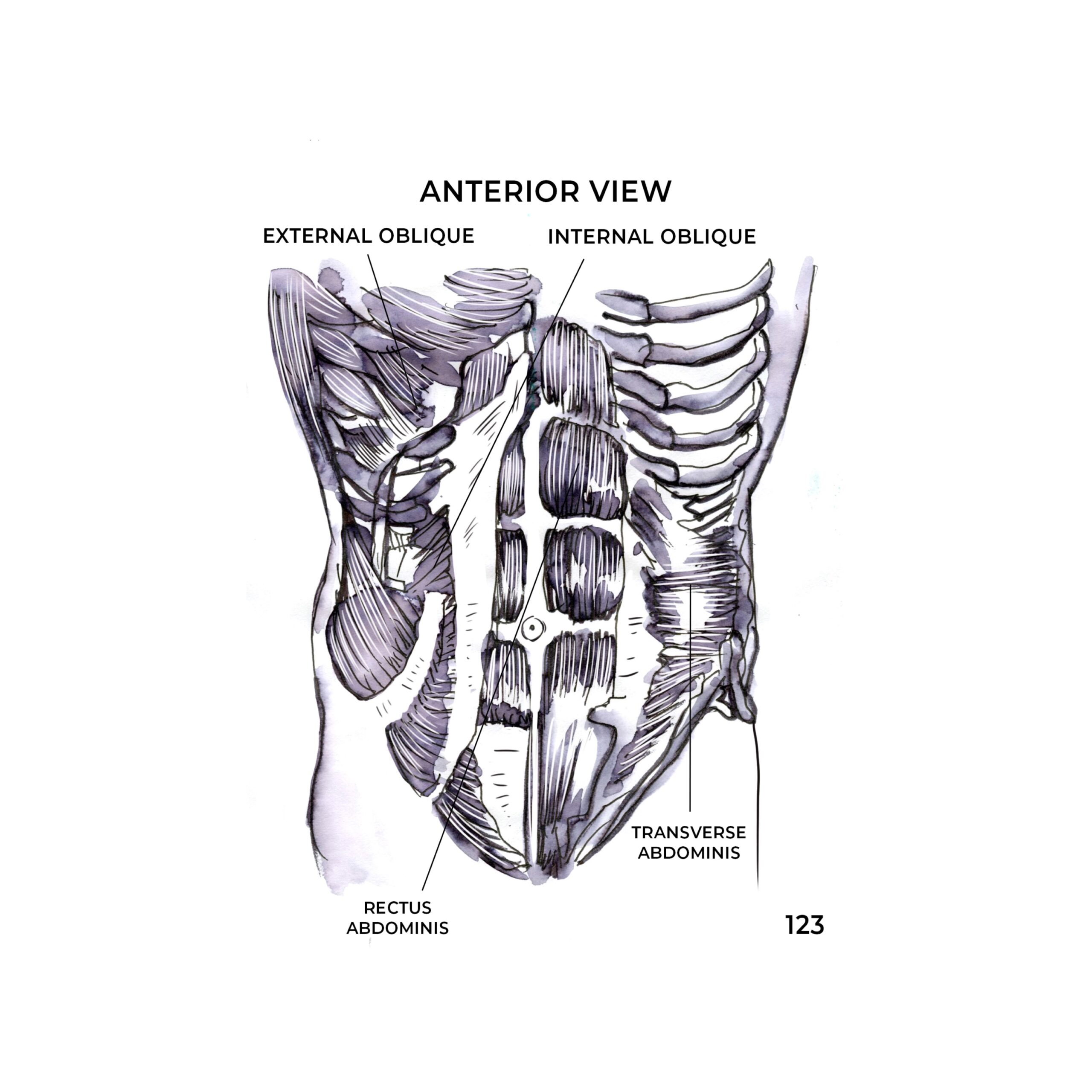
    Our abdominal wall is composed of layers of musculature. Some muscles are oriented closer to the surface (superficial) while others are deeper and attach to our spine. The deepest layer of musculature is the transversus abdominis. The fibers of transversus abdominis attach to the ribs, iliac crests (top of the hip bones), and pubic bone; they ultimately wrap around the abdomen to the back, creating a muscular ‘corset’. The transversus abdominis supports our abdominal contents, assists in expiration and defecation, and supports the lower back. Transversus abdominis has an important role in postural control where it contracts prior to a pre-planned movement. Meaning, if you are going to reach for a can on a shelf, the transversus abdominus will contract prior to that movement in order to stabilize the trunk. It has been established that in instances of pain, activation of transversus abdominis is delayed. When muscle firing is delayed, our body finds other ways to stabilize the trunk. However, these muscle substitutions are not designed to stabilize the trunk. Thus, the tissues can become overloaded by essentially having to do a job they were not designed to perform. This can play a role in future pain and dysfunctional movement. 


    When transversus abdominis is doing its job, there is a lifting and drawing in of the abdominal tissues. In this instance, we stand taller and our backs and pelvic organs are adequately supported. This is the “Triple S” posture we talk about in LYT! Sounds easy enough, but there are a couple things to look out for to ensure that the abdominals are contracting in harmony. 


    One of the more common things I see as a PT is ‘abdominal coning’. Abdominal coning occurs when the rectus abdominis fires without co-activation of transversus abdominis. When the rectus abdominis is contracting without the stability provided by transversus abdominis, the abdomen will protrude down its center in a conical shape. We can think about coning as an energy leak where the pressure in the abdomen is not contained and supported by the deep core musculature. Thus, it leaves through the path of least resistance at the linea alba (a fibrous line that connects the rectus abdominis in the midline of the abdomen). 


    **PT TIP**: If you notice the midline of your abdomen coning in your yoga practice, focus on the following:

    1) Maintaining Triple S during Exercise: Skull aligns with Scapula that aligns with Sacrum.

    2)  Exhaling through the Mouth: As you move, think about the lower abdomen deflating as the belly button draws up into the rib cage. Exhaling through the mouth when you move will prevent breath holding and ultimately recruit the abdominals. 

    3) Avoid gripping in your low belly: When you maintain neutral posture and exhale with control, you generate tension in the lower abdomen. Maintain that tension as you move during yoga postures. Avoid gripping in the side waist or attempting to maximally contract the abdomen to stabilize yourself. Rather, think about the belly button gently scooping up toward the ribs to contract transversus abdominis. This creates a flattening of the low belly. Maintain that tension while continuing to breathe into the rib cage.  


    Another common abdominal substitution is external oblique over-utilization. The external oblique musculature is more superficial than the transversus abdominus. Its actions include trunk movements such as rotation and flexion as well as playing a role in breathing and defecation. If the external oblique is doing too much without the assistance of the transversus abdominis, the sides of the abdomen cinch in, and the tissues below the belly button dome upward. 


    **PT TIP**: To avoid abdominal doming in your yoga practice, try the following:

    1. When you exhale, place one hand on the low belly and lightly draw the tissues upward to feel the tension created by that lift. This helps you to orient the pelvis to neutral posture and ultimately the ‘Triple S’ posture. 
    2. Notice Belly Button Movement: The belly button draws up toward the rib cage and the lower portion of the abdomen deflates/flattens when you use transversus abdominis. Use a mirror to watch yourself breathe and gently draw the tissues up from the pubic bone to feel the transversus abdominis contract when exhaling. 


    The abdominal wall is truly multi-layered with the deepest of the musculature keeping us upright, breathing well, and supporting our organs. It is important to be able to use this muscle without overly tensing other muscles so that our bodies are able to move through space without pain or maladaptive movements that can lead to issues in the future! If you have issues such as pain, urinary leakage, constipation, abdominal scarring, and/or abdominal coning or doming, it may be useful to contact a pelvic floor physical therapist to assess the abdominals along with other muscles of the core to ensure they are working together for safe, pain-free movement! 


    I am excited to share tips and education with you in LYT newsletters to come! Follow me on Instagram @ashleynewton_dpt and @activcoreprinceton_pelvic for weekly content on the pelvic floor, nervous system, yoga, and wellness!


    <3 Ashley

  • Vibration Plate Exercise

    Vibration Plate Exercise

    Vibration Plate Exercise:
    Benefits, Risks, Implications

    by Sarah Kingsley


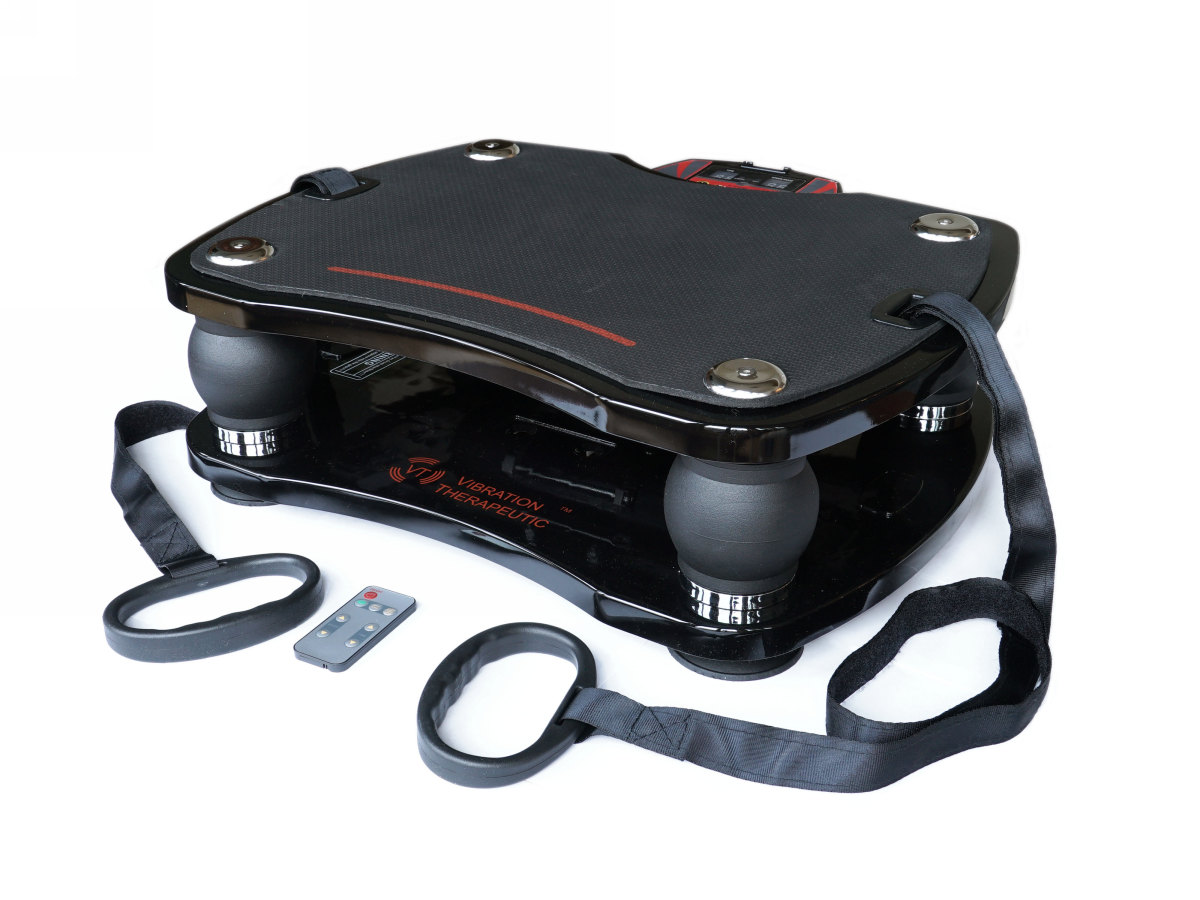
    Vibration Plate exercise and therapies are spreading throughout the nation due to the many benefits they provide to the body. Research has shown that the use of these plates can alleviate back and joint pain by improving core strength and circulation, boosting metabolism by encouraging your body to burn fat faster, and decreasing stress through increased serotonin production and decreased cortisol hormones. Using vibration plates can improve strength and flexibility with improved stability, encourage the development of stronger bones and increased bone density, and decrease fall risks. Studies have shown additional benefits to numerous conditions including restless leg syndrome, plantar fasciitis, arthritis, osteoporosis, lymphedema, and autoimmune conditions such as Fibromyalgia by making cellular level changes to the body.


    Muscles and bones tend to get both weaker and stronger TOGETHER. When your muscles are weak the bones become weak and brittle due to the lack of force to pull on them (called Wolff’s Law) which leads to conditions like osteopenia and osteoporosis. The forces going through your muscles, bones, blood, and body work like a key to turn different systems back on and get them working the way they did years ago, or perhaps in a way they never have before. Your levels of natural growth hormone dramatically increase and your bones get stronger. Naturally produced growth hormone (GH) maintains bodily functions such as tissue repair, muscle growth, brain function, bone density development, skin thickness, energy, and metabolism throughout life. The fast-paced, repeated skeletal muscle contractions produced by the vibration improves performance and functionality. On a cellular level, the mechanical stimulation from vibration can influence stem cell differentiation as needed, such as transferring stem cells to bone cells.


    The vibrations also stimulate the nerve receptors in your feet that become quiet when you are stuck in shoes and socks all day, which can contribute to conditions such as neuropathy. The vibrations help improve proprioceptive feedback through the feet (knowing where your body and joints are in space) to give you greater balance control and body awareness. Trials have shown positive improvements in balance and immediate pain relief for those with Parkinson’s Disease, Cerebral Palsy, and nerve pain related to Diabetes or spinal issues. Various settings also provide lymphatic stimuli aiding in the breakdown of adhesions to promote pain-free mobility. This is why it is normal to feel an itching/burning sensation in the skin during or after use as this sensation results from the body releasing toxins and fascial connective tissue which holds onto everything in our bodies, even our emotions! 


    The type of plate, direction of vibrational waves, and frequency or intensity each play a role. The rhythm tilting high vibration frequency setting is good for balance issues and trying to build muscle strength, while a lower level intensity is good for detoxification, autoimmune conditions, and lymphedema. For the latter population, even just 1-5 minutes can be of great benefit, and longer sessions could potentially be detrimental. An intermediate speed of 21-50 is best for fat burning, increasing metabolism, building muscle, and stress relief. The highest intensity from 41-60 is best for metabolism and especially for breaking down adhesions in fascia and soft tissues that may be contributing to chronic pain such as plantar fasciitis and many tendonitis or fibrosis conditions. The plate has been proven to be effective in healing and repairing tissues and conditions that may not have benefited from typical physical therapy interventions such as chronic soft tissue injuries, muscle atrophy, bone loss, peripheral neuropathy, and some hard-to-diagnose or hard-to-treat diseases that are often related to poor microcirculation. It is possible that vibration-induced muscle contraction force, at a certain magnitude, can gradually break the fibrosis and allow new living tenocytes and fibrocytes cells to grow back, restoring the original tendon/ligament performance and functionality.


    Similar to the LYT method, the vibration frequencies allow you to tap into deeper core muscles that may typically lie dormant or inactive throughout your day-to-day activities. The vibrational components with variations in frequencies differing from anterior/posterior, medial/lateral, spiral, and quadruple rotational forces aid in bone density gains by providing activation of these muscles and greater stimulation for increased work and a bigger calorie burn in a much shorter amount of time. If you thought Lara’s core drills were hard, try them on a vibration plate to really feel those muscles light up! As always with increased workload, it is necessary to give your body rest breaks in between exercises and periods of activity, and increased water intake is recommended to rehydrate and further the detoxification process. If you are in the Charlotte, NC area, come try out my plate and feel the changes in your body and tissues!


    References:

    https://www.vibrationtherapeutic.com/vibration-plate-therapy-benefits.html


    Sarah Kingsley

    @mywinphysicaltherapy 23 on Instagram

  • What Does It Mean To Have A Strong Pelvic Floor?

    What Does It Mean To Have A Strong Pelvic Floor?

    by Ashley Newton, PT, DPT


    Pelvic floor strength is more than just the ability to squeeze the muscles while waiting in line for the bathroom. Pelvic floor muscle functioning is about a muscle’s ability to adapt and the amount of muscle activity it is able to generate and coordinate. So let’s dive into pelvic floor muscle functioning and adaptability in pelvic floor strength and overall pelvic health. 


    Let’s start with this myth-buster: pelvic floor muscle tightness does not equal strength! The pelvic floor consists of three layers of musculature and a layer of endopelvic fascia. The pelvic floor muscle actions include 1) contraction, 2) relaxation, and 3) lengthening. For optimal functioning, the pelvic floor needs to be able to coordinate these three movements to support our posture, support the organs above, and provide stability to the pelvic bones. If a muscle is tight – meaning it is not able to move through its full range of motion (able to contract, relax, and lengthen) completely, it is not able to do its job to the best of its ability. Think about it this way – if you made a fist with your hand and repetitively squeezed it and then tried to write a 1,000-word essay, your hand may feel sore and tired, making it difficult to write that essay. Similarly, if the pelvic floor is squeezing, contracting all the time and then it comes time for it to work on stabilizing/supporting, it will have trouble doing this job effectively. So, when it comes to pelvic floor strength, tightness and tension can actually mean weakness. For optimal pelvic floor strength, the pelvic floor needs to be adaptable and be able to shift between contraction, relaxation, and lengthening when appropriate. 


    So, when should the pelvic floor be relaxing fully? How about lengthening? Pelvic floor relaxation occurs when we breathe. On the inhalation phase of a breath, the pelvic floor descends/relaxes. Now when we are moving and exercising we may not be as consciously aware of this change in muscle activity because the pelvic floor needs to maintain some contractile activity to support the trunk in space. When you are in savasana, however, which is a position where your body is fully supported, the pelvic floor will relax further than when exercising. The feeling of pelvic floor relaxation is a downward movement (down toward the toes) of the tissues between the SIT bones. It is not a grand excursion, meaning it is not as obvious as contracting and relaxing your bicep muscle, but should feel like a gentle stretch downward. Now just because someone has difficulty differentiating between whether the pelvic floor is relaxing vs. contracting does not mean it is not happening. When we start talking about and giving more attention to these muscles, our brain adapts and devotes more attention and brain space to focusing on the sensations there. Thus, the more we consciously think about pelvic floor movement, the better we get at differentiating pelvic floor contraction vs. relaxation. 


    Lastly, what is lengthening?! This one may be the most difficult to feel as we do not often consciously practice this technique. And to be clear – when speaking to pelvic floor lengthening, I am speaking to an eccentric pelvic floor contraction. Let’s go back to the metaphor of the hand. If making a fist is contracting, opening the hand is relaxing, and stretching the fingers wide would be lengthening/eccentric contraction. Pelvic floor relaxation is the period where the pelvic floor muscles stop contracting during lengthening, the muscle fibers are still contracting but in the downward direction. We most often use this type of contraction with voiding strategies and even with pushing during labor/delivery of a child.  


    Ultimately, pelvic floor strength is more than just a muscle’s ability to shorten/squeeze (it’s more than just Kegels!!). It is its ability to be adaptable: to lengthen, relax when appropriate, and shorten enough to stabilize and support. Simply squeezing the pelvic floor and expecting it to do its job when we jump, practice yoga, and transition between postures is not realistic. Get in tune with the muscles of the pelvic floor and see if you can contract, relax, and lengthen the musculature. If not, and you have issues such as pain, urinary leakage, constipation, and/or scarring, it may be useful to contact a pelvic floor physical therapist to assess the pelvic floor and its relationship to movement so that you can move optimally!


    <3 Ashley

    @ashleynewton_dpt

  • Evidence-Based Yoga

    Evidence-Based Yoga

    Thalia Wynne, PT, DPT, AT


    Evidence-Based Yoga: What does Science Say about the Practice of Yoga?

    Hardly do we ever hear science and yoga used together in the same sentence. Or at least that’s what I would have thought. Then I did a scientific literature review and saw over 7,000 articles that have been published about yoga. Yoga is an intuitive, spiritual, enlightened way of living and yet the scientific community is jumping on board with this ancient eastern practice. Why? The short answer is because yoga works! It positively impacts chronic disease, keeps us healthy from preventable ailments, and regulates our central nervous system. Don’t believe me? Check out these top-of-the-scientific-chain research articles for details. If the nitty-gritty of scientific literature isn’t your thing, no worries. Skip to the end for the main take-home points. 


    According to a U.S. nationally representative survey in the American Journal of Preventative Medicine in 2016, 31 million US Adults have ever practiced yoga. The most common reasons were for a) disease prevention and b) back pain relief. Turns out their instincts were right and here’s the data to back it up. 


    In 2019, Dilorom et al. did a systematic review of 15 studies measuring the impact of yoga on inflammatory biomarkers. The most common biomarkers investigated were interleukin-6, c-reactive protein, and tumor necrosis factor. They discovered yoga had a positive effect on inflammatory biomarkers in 11/15 studies. Interestingly, they noted higher total dose (>1,000 min) resulted in greater improvements of inflammation. 


    Thind et.al studied the effects of yoga among adults with type 2 diabetes in 2017. This group did a systematic review and meta-analysis of 23 studies with over 2400 participants. They found improved HbA1c, fasting blood glucose, postprandial blood glucose, lipid profile, blood pressure BMI, waist/hip ratio, and cortisol levels after practicing yoga. 


    A randomized control trial by Saper et al. in 2017 looked at the effects of yoga, physical therapy, and education on adults with chronic low back pain. 320 predominantly low-income adults with nonspecific chronic low back pain were placed in one of the following groups: 12 weekly yoga classes, 15 physical therapy visits, or an educational book or newsletter. The goal of the study was to determine whether yoga is non-inferior to physical therapy for the treatment of low back pain. Saper et al. found both the physical therapy and yoga groups were less likely to use pain medication compared to the education group. Yoga was non-inferior to physical therapy at 12 weeks. Improvements in physical therapy and yoga groups were maintained at 1 year with no difference between maintenance strategies. 


    This last study was a meta-analysis (Pasco et al. 2017) that looked at the physiological responses to yoga and mindfulness-based stress reduction. This study did a systematic review and meta-analysis of 42 randomized control trials and found reduced evening cortisol, waking cortisol, ambulatory systolic blood pressure, resting HR, high-frequency HR variability, fasting blood glucose, cholesterol, and low-density lipoprotein compared to active controls. Yoga was also associated with improved regulation of the sympathetic nervous system and the hypothalamic-pituitary-adrenal system. 


    Take-Aways: 

    • Yoga has a positive effect on inflammation, meaning it decreases inflammation in your body. The more yoga you do, the better the effects. 
    • Yoga is a great practice to assist with glycemic control for those with type 2 diabetes. 
    • Yoga is an effective form of treatment for adults with chronic nonspecific low back pain and is comparable to the effects of physical therapy. 
    • Yoga is associated with improved regulation of the sympathetic nervous system and hypothalamic-pituitary-adrenal system a.k.a. your body’s physiological stress and hormone regulation systems. 


    Yoga is a powerful medicine. Better than any drug on the market in my opinion. I want to emphasize the power of what I described above by reminding you that the studies I mentioned are the gold standard of studies. There is high-quality evidence telling us that yoga decreases inflammation, improves our nervous system and hormonal regulation, and can be used to treat chronic pain. However, not all yoga is created equal which is why I teach and practice LYT yoga. LYT is a scientifically sound form of yoga because it is based on neurodevelopmental sequencing and biomechanically sound motor planning and execution. I encourage you to share LYT with at least one person in your life who you think would benefit from LYT yoga based on the evidence you learned today. 


    XO, 

    Thalia Wynne, PT, DPT, AT

    @thalialovee 


    Resources: 

    1. Djalilova DM, Schulz PS, Berger AM, Case AJ, Kupzyk KA, Ross AC. Impact of Yoga on Inflammatory Biomarkers: A Systematic Review. Biol Res Nurs. 2019;21(2):198-209. doi:10.1177/1099800418820162 
    2. Thind H, Lantini R, Balletto BL, et al. The effects of yoga among adults with type 2 diabetes: A systematic review and meta-analysis. Prev Med. 2017;105:116-126. doi:10.1016/j.ypmed.2017.08.017
    3.  Saper RB, Lemaster C, Delitto A, et al. Yoga, Physical Therapy, or Education for Chronic Low Back Pain: A Randomized Noninferiority Trial. Ann Intern Med. 2017;167(2):85-94. doi:10.7326/M16-2579 
    4. Pascoe MC, Thompson DR, Ski CF. Yoga, mindfulness-based stress reduction and stress-related physiological measures: A meta-analysis. Psychoneuroendocrinology. 2017;86:152-168. doi:10.1016/j.psyneuen.2017.08.008
    5. Ebrahimi M, Guilan-Nejad TN, Pordanjani AF. Effect of yoga and aerobics exercise on sleep quality in women with Type 2 diabetes: a randomized controlled trial. Sleep Sci. 2017;10(2):68-72. doi:10.5935/1984-0063.20170012
  • Dizzy Lately? Is it Vertigo?

    Dizzy Lately? Is it Vertigo?

    by Sarah Kingsley


    Lately, I have seen an increase in those suffering from symptoms of vertigo or dizziness. Many have noticed vertigo and other neurological side effects post COVID vaccine or infection. There is a difference between “dizziness,” more of a lightheaded feeling which can be solely from dehydration, hunger, or change in blood pressure when changing positions too quickly, and “vertigo,” a sensation of the room spinning around you, which has more to do with your vestibular system.


    The more commonly known and treatable form of vertigo is “BPPV” Benign Peripheral Paroxysmal Vertigo which is experienced after a car accident or trauma involving an impact such as a fall, however, it can also come on for no reason at all, and some suffer from chronic recurrences of this type. This is the most treatable type of vertigo and can usually be cured from a maneuver or series of movements performed by a practitioner, or even by yourself. The trick is which ear canal is affected. Most often, the posterior canal is the culprit and the Epley’s or Canalith repositioning technique is used. You can figure out which side is affected by coming to a long sitting position on a bed (torso upright and legs extended in front of you), turning your head to the right, and abruptly throwing yourself onto your back. Whichever side symptoms occur, stay in this position for 30 seconds or until symptoms subside. Next, turn your head to the opposite side for another 30-45 seconds. Keeping your head turned in that direction, roll onto that side with your nose down towards the pillow for another 30-45 seconds. Bring your legs off the edge of the bed and press yourself up to a seated position. Stay there for 1-2 minutes. This can be repeated as needed and symptoms should decrease each time if this is your issue.


    The horizontal canal calls for “The BBQ Roll.” Deciding which ear is affected is the first step, and begin lying on that side for 30 seconds, then roll onto your back for another 30 seconds, then roll onto your opposite side for 30 seconds. Next, tuck your chin down slightly as you roll onto your belly and prop yourself up onto your elbows for 30 seconds. Finally, roll back onto the side you started for 30 seconds, and return to an upright sitting position. Some suggest trying to keep your neck and head neutral for 15 minutes following.


    Other forms of vertigo include a peripheral hypofunction – when one side is not working properly leading to symptoms due to overexcitement of the nonaffected side typically. For this type, and most other forms or reasons for symptoms of vertigo, 3 types of exercises are recommended. 


    Adaptation – Attempts to retrain and reconfigure your vestibular system. 

    Exercises include: holding a target about 6 inches in front of you as you try to keep your gaze on the target and turn your head from left to right or up and down. You can also take two targets arms length ahead beginning with your gaze in the center. Look with just your eyes to the right target, then keeping your gaze there, turn your head to face that target, then look with just your eyes to the left target, then turn your head to face the left target. Repeat left and right until dizziness occurs or you are unable to maintain the gaze on the targets. It is important for these eye exercises to be followed by an eyes-closed-and-covered 30-second rest to allow your system to rest and reset before trying another set or the next exercise.


    Substitution exercises attempt to substitute for the loss or malfunctioning side. 

    Begin with one target arms length ahead. Lock your gaze, then close your eyes and turn your head to the left, attempting to maintain your gaze on the target. Open your eyes to check, then close them again and turn your head to the right and open for your check. Repeat again for 1-2 minutes or until symptoms occur.


    Habituation – Repetitive exposure to a noxious stimulus or one that triggers symptoms, overtime promotes decreased symptoms. 

    Exercises include: turning your head left/right, up/down, laterally up/down to each side 10 or more times each with your eyes open and with your eyes closed. Movement in concurrence with these exercises works well. Walking while turning the head left/right, up/down, possibly adding eyes closed, or keeping a gaze on a target, or a patterned surface that can often trigger symptoms. These exercises when coupled with balance training such as bringing feet together, tandem stance, or standing on a foam/pillow surface or rocker board also further stimulate the vestibular system. Again, it is important to wean into these exercises and not progress too much too fast, thus overloading the system.