Category: Blog Posts

  • Should I perform inversions while on my period?

    Should I perform inversions while on my period?

    by Thalia Wynne, PT, DPT, AT, RYT


    If you remember back to your first-ever yoga class, you may remember being told to avoid inversions if you were actively on your period. I can still recall the first time hearing those words when on my period and feeling so confused…yet I still followed the instructions because the instructor must be saying this for a reason and hey, I’m new at this. So I just listened to what she said and skipped my shoulderstand that day (back when I still did shoulderstands). After that first class, in rebellious fashion, I refused to follow that advice again – it didn’t make sense to me. After all, gymnasts were still allowed to compete when bleeding, so why did I have to listen to this rule in yoga? The next time I was on my period, I bravely went upside down to experiment. Was I going to get extra cramps? Was the blood going to leak into my guts and disturb my precious microbiome? I wasn’t sure but I had to find out. So upside down I went. And… Nothing. Happened. Ta-da! Myth busted! 


    Why then do yoga instructors continue to give the advice to avoid inversions while menstruating? Where did this idea come from and is there any truth to it? 


    Let’s look at some yoga history. Apana – the downward flowing energy that is responsible for elimination and menstruation was thought to be disrupted when inverting the body. So in several yogic and ayurvedic texts, it was suggested for women avoid going upside down during her period. However, the safety of a woman’s body was not the only reason for keeping women out of yoga classes. Throughout our history, culture has not been kind to menstruating women. 


    Women were viewed as impure and dirty and were excluded from participation in society during their time of bleeding. In fact, in ancient India during the Vedic time period, it was declared that “guilt, of killing a brahmana-murder, appears every month as menstrual flow as women had taken upon themselves a part of Indra’s guilt.” 


    The perpetuation of women being “unfit” while bleeding didn’t stop in ancient India. During the race to space there was much debate within NASA about whether to send a woman to space or not because of her mood instability during “that time of the month”. Researchers at NASA stated: “that putting a temperamental psychophysiologic human (i.e., a hormonal woman) together with a complicated machine was a bad idea.” They  were also terrified of what would happen to a woman’s period in space without gravity to pull the menstrual blood down. 


    Just as yogis were concerned about disrupted apana, scientists were concerned about retrograde menstruation and its potential harm as it was believed that this event was linked with endometriosis. It has since been researched that over 90% of women experience retrograde menstruation and it is not the cause of endometriosis. 


    Back to NASA… a big thank you to Sally Ride, the first evidential proof that women can thrive in space – even when on their period. She proved that gravity was not necessary for menstruation to occur regularly – which totally makes sense seeing that one can still bleed even when lying down. 


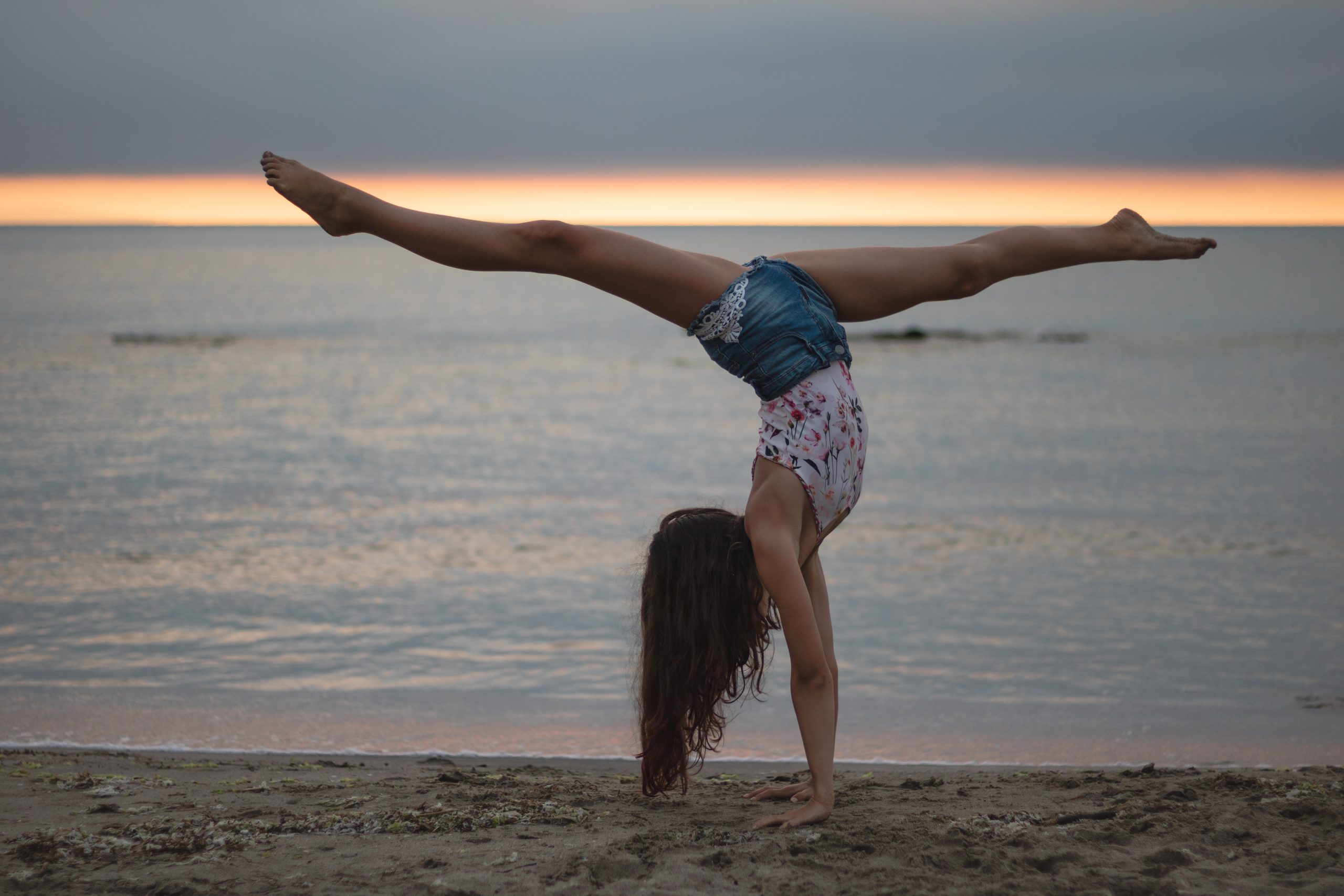
    It turns out that menstrual bleeding can occur perfectly well whether one is lying flat, upside down, or floating in the absence of gravity altogether. So my friends, let it be known that women can indeed perform inversions on their period without repercussions. Do you, girl, and hit as many handstands as you want. 


    Happy upside-down menstruating ladies 😉 


    Thalia Wynne, PT, DPT, AT, RYT

    IG: @thalialovee (https://www.instagram.com/thalialovee/)  


    Sources: 


    https://yogainternational.com/article/view/is-it-safe-to-practice-inversions-during-menstruation1/  

     

    https://www.npr.org/sections/health-shots/2015/09/17/441160250/what-happens-when-you-get-your-period-in-space

    https://www.ncbi.nlm.nih.gov/pmc/articles/PMC4408698/ 

  • Golfer’s Elbow

    Golfer’s Elbow

    Golfer’s Elbow


    The weather is getting nice and people are already hitting the green and getting back into the swing of things, literally.


    One injury we see in golfers is called medial epicondylitis, or golfer’s elbow.


    In athletics, it is also seen in throwers, rock climbers, bowlers, and weightlifters. Golfer’s Elbow (GE) is primarily caused by repetitive eccentric loading of the wrist flexors and/or forearm pronators, coupled with valgus overload at the elbow. A valgus force is one where the lower arm moves away from the body while the upper arm stays in close (so imagine “knock knees”, but in the arms).


    With golf, the intense valgus force at the elbow occurs during the late phase of the golf swing just before and during contact with the ball. This same valgus force occurs during the late cocking phase of throwing, which is why this is also called thrower’s elbow. Simultaneous wrist flexion and/or forearm pronation during ball release may produce even greater stress on the tendon, which is why technique matters. Medial epicondylitis is also seen in the general population in careers requiring repetitive upper extremity use, such as carpenters, massage therapists, utility workers, and butchers.


    Golfer’s elbow is a chronic tendinosis of the flexor-pronator muscle group, right where it inserts on the medial epicondyle of the humerus. The flexor-pronator muscle group is composed of the pronator teres (which pronates or turns the forearm down) and common flexors of the wrist and hand, including flexor carpi radialis, flexor carpi ulnaris, flexor digitorum superficialis, and palmaris longus. With GE, the tendons of the flexor carpi radialis and pronator teres are the most commonly involved. The inside ligament of the elbow, called the ulnar collateral ligament (UCL), also attaches to the medial epicondyle. Together, the UCL and the common flexor tendon provide stability against flexion and valgus forces at the elbow.


    Just like lateral epicondylitis or tennis elbow, medial epicondylitis or GE is considered a chronic tendinosis as opposed to an acutely inflamed tendinitis. There are four proposed stages of epicondylar tendinosis:

    1. Generalized inflammation – friction causing inflammation of tendon
    2. Angiofibroblastic degeneration – weakening of the tendon
    3. Structural failure – microtearing of tendon
    4. Fibrosis/calcification – failed reparation process which yields scar tissue


    People with GE usually present with pain at the medial aspect or inside of the elbow. It is worse with activities, especially gripping, flexing the wrist, pronating the forearm, and throwing. Pain usually comes on gradually, but can be sudden if caused by trauma. Occasionally the pain radiates into the forearm and wrist. Some people may complain of associated numbness in the lateral wrist and last two fingers secondary to impingement of the ulnar nerve at the elbow. Often, there is tenderness to touch roughly 0.5-1 cm below or distal to the medial epicondyle. Symptoms are normally relieved by rest. Pain is aggravated by resisted wrist flexion and pronation.


    Treatment of Golfer’s Elbow begins with rest. People should refrain from activities that exacerbate the symptoms, particularly repetitive wrist flexion, forearm pronation, and valgus stress at the elbow.


    Kinesiotape is useful to limit the maximum contractile force generated by the flexor-pronator muscle group. Once acute symptoms are alleviated, the focus turns to stretching and strengthening. Each phase of rehab requires targeted exercises with increasing repetition and speed. Initially, motion of the wrist and elbow is emphasized with non-weight bearing exercises and self-directed stretching. Once pain-free range of motion is achieved, tendon rebuilding and strengthening begins. Concentric open and closed chain exercises are used, increasing in weight and repetitions as tolerated. Finally, eccentric strengthening is implemented.


    A popular exercise that has been shown to treat chronic GE is the Reverse Tyler Twist. A rubber bar is held at one end near the chest with the involved hand, palm facing the body and wrist fully flexed. The other end of the bar is grasped by the uninvolved hand, at the other end of the bar, from above with the palm facing out. The rubber bar is then twisted by bringing the uninvolved elbow down so both palms are facing in. The arms are then brought in front of the body by straightening the elbows, while maintaining the twist in the rubber bar by maintaining full flexion of the involved wrist and extending the uninvolved wrist. The bar is slowly untwisted by moving only the involved wrist and hand back towards neutral. This slow, controlled motion provides an eccentric strengthening and lengthening component to the flexor-pronator group and its common tendon.


    For golfers, equipment and technique should be addressed to reduce undue stress at the elbow. When selecting golf clubs, the length, shaft weight, club head weight, and club head strike zone must be considered.


    Golfer’s elbow is often found in the trail arm. Stress on the pronator teres of the trail arm is more often seen in amateur golfers than in pros, who use the lead arm in a protective manner to obtain optimum swing speed and power without excessive stress. Strengthening of the shoulder girdle and scapular stabilizers is key. Core and lower body strengthening may also aid in golfing mechanics, to relieve stress at the elbow when return to sport is allowed. Please be sure to check out Lara’s Golf Series on LYT Daily, where you can be sure to find the best prescription for your body! The Series is also available for purchase if you aren’t a LYT Daily subscriber! Happy golfing everyone!

    Xoxo,

    Kristin

  • How LYT Helps You Age Backwards

    How LYT Helps You Age Backwards

    “We don’t stop playing because we grow old; we grow old because we stop playing.”
    ― George Bernard Shaw


    Play is defined as a ‘range of intrinsically motivated activities done for recreational pleasure and enjoyment. Play is commonly associated with children and juvenile level activities but may be engaged in at any life stage.’ (Wikipedia)


    Your body is a complex machine and the primary conductor of your play, your joy, and your energy. Every system in the body is communicating with the others and contributing to your overall health. Supporting these systems is the key to longevity and we already have the tools, but we might need to reboot some of the systems and replace the antiquated concept that as we age, we inevitably will move less, have more pain, and experience less joy and novelty.


    The LYT method provides the recipe for aging well and reversing aging woes by optimizing these systems in the body as a team. Through movement education, habit formation, postural retraining and play on the mat, LYT not only helps you move better, but it also teaches you how to bring that somatic knowledge into your daily life, optimizing energy, nervous system regulation, and overall health. Let’s examine how LYT enhances vitality and overall wellbeing by looking at the science of movement and its impact on aging. 


    The human body operates as an interdependent unit, where all the systems function as members of a team whose job is to maintain health. Our body craves balance, or homeostasis, from a cellular level and maintaining the health of each cell is essential to our longevity. Building new cells and cleaning out older cells is accomplished through movement. Movement activates the cells, signaling them to stay alive and healthy. Without nourishment, our cells will atrophy, shrink, and eventually die. A 2017 study on mitochondrial health and exercise by Laker, et al, reports “New research provides a window into how, on a cellular level, exercise can improve muscle health and, ultimately, exercise capacity, which is ‘the best predictor of mortality in the general population. Whether muscle is healthy or not really determines whether the entire body is healthy or not,’ says lead researcher Prof. Zhen Yan, of the University of Virginia School of Medicine in Charlottesville. ‘And exercise capacity, mainly determined by muscle size and function,’ he adds, ‘is the best predictor of mortality in the general population.’ According to the new study, exercise improves muscle health by renewing its cellular powerhouse: the mitochondria. Mitochondria are crucial to the good functioning of our bodies, as well as to our overall health and longevity.” (https://rdcu.be/c8LM4)


    Movement is essential for cellular health but training HOW we move is important for the optimal performance of other body systems. Our musculoskeletal system is involved in movement, initiated by the action of our muscles, but not all exercise forms effectively elicit activation of the postural/stabilizer muscles of the body. In LYT, with our varied movement and core-focused training, we stimulate all 650 muscles for optimal results. The more we stimulate the various muscles, both large and small, the more energy we generate. This energy is a key ingredient in feeling youthful, more hopeful, more curious, and more stable in our everyday life. 


    Our bones are supported by these muscles, with the stabilizer/proximal muscles providing direct stability to our spine, pelvis, and shoulder complex, while bigger muscles execute larger movements. In LYT, we teach the importance of optimal alignment of our skeleton, the scaffolding of our body, with our TRIPLE S to support the loadbearing of our body in space. This alignment is a key ingredient for maintaining bone density and health and coordinating muscle activation to help us move with ease and grace. The joints of our bodies (where two bones come together and provide mobility) need to move freely to participate in various movement patterns of everyday life. From our RESET to our STREAM, LYT movement both aligns and lubricates the joints to provide us with renewed movement potential in our lives off the mat. We target the joints and tissues that are often restricted because of our modern-day lifestyle with its decreased movement variability. By first preparing the body in the RESET to maintaining neutral pelvis and spine with core stability, the LYT blueprint expands our movement potential with sustainability and safety. Unlike some yoga practices, we don’t emphasize end-range mobility without proper control or long-static holds which can weaken the stabilizing benefits of ligaments. Moving around the mat in different planes and with different levers and loads creates a more resilient and robust musculoskeletal system. This mobility and efficacy allow for more play and potential without pain. Our purpose is to maintain and/or improve mobility from a strong and responsive core center to improve musculoskeletal imbalances and retrain more efficient and joyful movement.


    Most importantly, the movement on the mat is fundamentally rooted in the understanding of neuroplasticity and its significance in living and aging well with potential and possibility. Recognizing that the brain is plastic with the ability of neural networks to change through growth and reorganization is the elixir to aging with joy and feeling younger in your heart, spirit, body, and brain. Each time we began our LYT RESET, we help rewire suboptimal postural and motor control habits by returning to the developmental moves of our early stages in life, where most of our brain development took place. By reinforcing core activation as a precursor to movement and using feedback from the floor, the blocks, and our hands, we can strengthen brain circuitry and pathways, igniting even more brain development. In the sequences and Stream of the LYT class, we implement full-body movements and some challenging choreography to activate and engage nerve cells throughout the brain and nervous system. With a dedicated LYT practice, we increase the adaptability and robustness of every system in the body with the brain leading the charge! And therein lies the ultimate reverse-aging ingredient: a healthy brain and body can ultimately change your perception of age and ability. 


  • The Pelvic Floor And Menopause

    The Pelvic Floor And Menopause

    by Ashley Newton, PT, DPT


    The average age of onset of menopause is 51 years old. Perimenopause begins in the 40s and continues into the late 50s. Menopause occurs when the menstrual cycle ends permanently due to the decrease in ovarian oocytes as a natural result of the aging process. Given that the pelvic floor tissues are extremely androgen receptive and are a part of the reproductive system, a change in hormonal levels undoubtedly has an effect on these tissues. With menopause, the labia minora shrinks, the vaginal tissues thin, and the vagina becomes more acidic. A more acidic vaginal pH can make one more prone to yeast infections, urinary tract infections, vaginal dryness, and urinary urgency and frequency. Tissue thinness combined with dryness and an acidic pH is a recipe for pelvic pain with gynecologic exams and sexual activity. But this does not have to be your new normal! Start with my top 5 checklist below to get started in improving your vaginal health in the menopausal era:


    1. GYNECOLOGIC CARE: Establish care with a gynecologist if you have not already. A gynecologist will be able to discuss with you any adjuvant procedures, such as topical estrogen, that can be helpful in reducing painful pelvic floor symptoms.
    2. UNDERSTAND HRT: In 2002, there was an infamous study on hormone replacement therapy (HRT) in women ages 50-79 years of age. The results were reported and inaccurately interpreted by the public which resulted in decreased use of HRT. In that time frame, women’s mortality rate, osteoporosis, and fracture risk increased. In 2017, the North American Menopause Society issued an updated statement regarding indications for HRT. When discussing hormonal changes with your physician, ask if they are up to date on the use of HRT and indications in menopausal populations. See the statement in the references below.
    3. START EXPLORING! Vulvar balms and CBD formulated for vaginal use can be helpful in alleviating pelvic floor dryness and pain. Daily vulvar balms can add moisture to tissues to prevent irritation during the day. CBD increases blood flow, eases muscle tension, and can be helpful to decrease tissue irritation.
    4. LUBE, LUBE FOR EVERYONE! I cannot say this one enough. I believe all folks should be using supplemental lubricant with sexual activity (self and partnered) throughout the lifespan. Have it next to your bedside table and make sure the lubricant is the following: glycerin-free, paraben-free, and fragrance-free. You do not want to put anything in the vagina that will further irritate the tissues. CBD lubricants can be helpful but note they are often oil-based and thus not condom compatible.
    5. PELVIC PT FOR THE WIN: Talk to your local pelvic PT. We know that pelvic PT is essential when it comes to the evaluation of pelvic floor muscles to determine how best to optimize your core health, but they can also be an invaluable resource when it comes to understanding changes in tissue health and how best to support yourself while aging with a healthy pelvic floor! 


    Xoxo Ash 

    IG: @ashleynewton_dpt


    References:


    The NAMS 2017 Hormone Therapy Position Statement Advisory Panel. The 2017 hormone therapy position statement of The North American Menopause Society. Menopause. 2017 Jul;24(7):728-753. doi: 10.1097/GME.0000000000000921. PMID: 28650869.

  • Shoulder Health for the Yogi

    Shoulder Health for the Yogi

    by Thalia Wynne, PT, DPT, AT, RYT


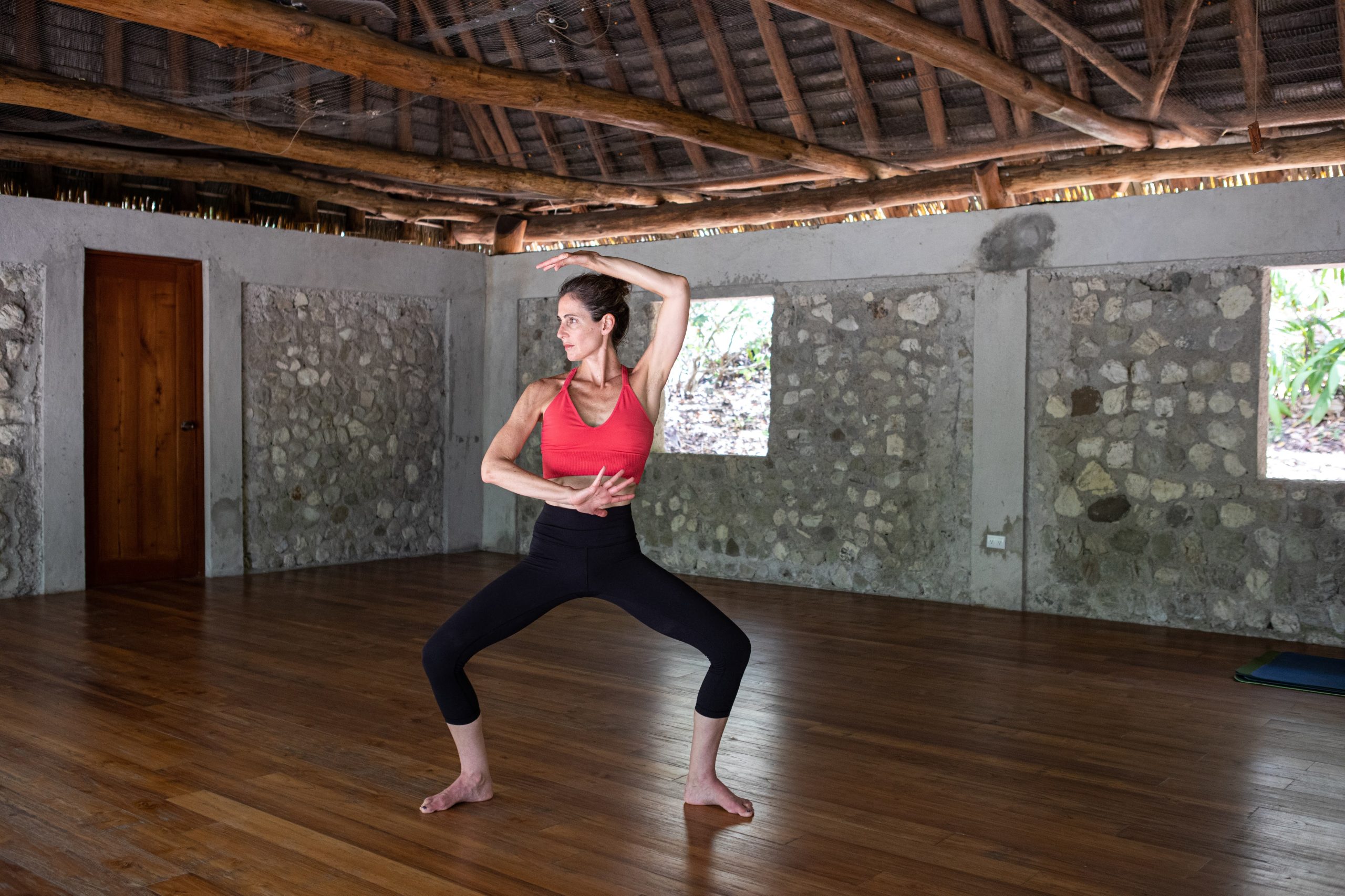
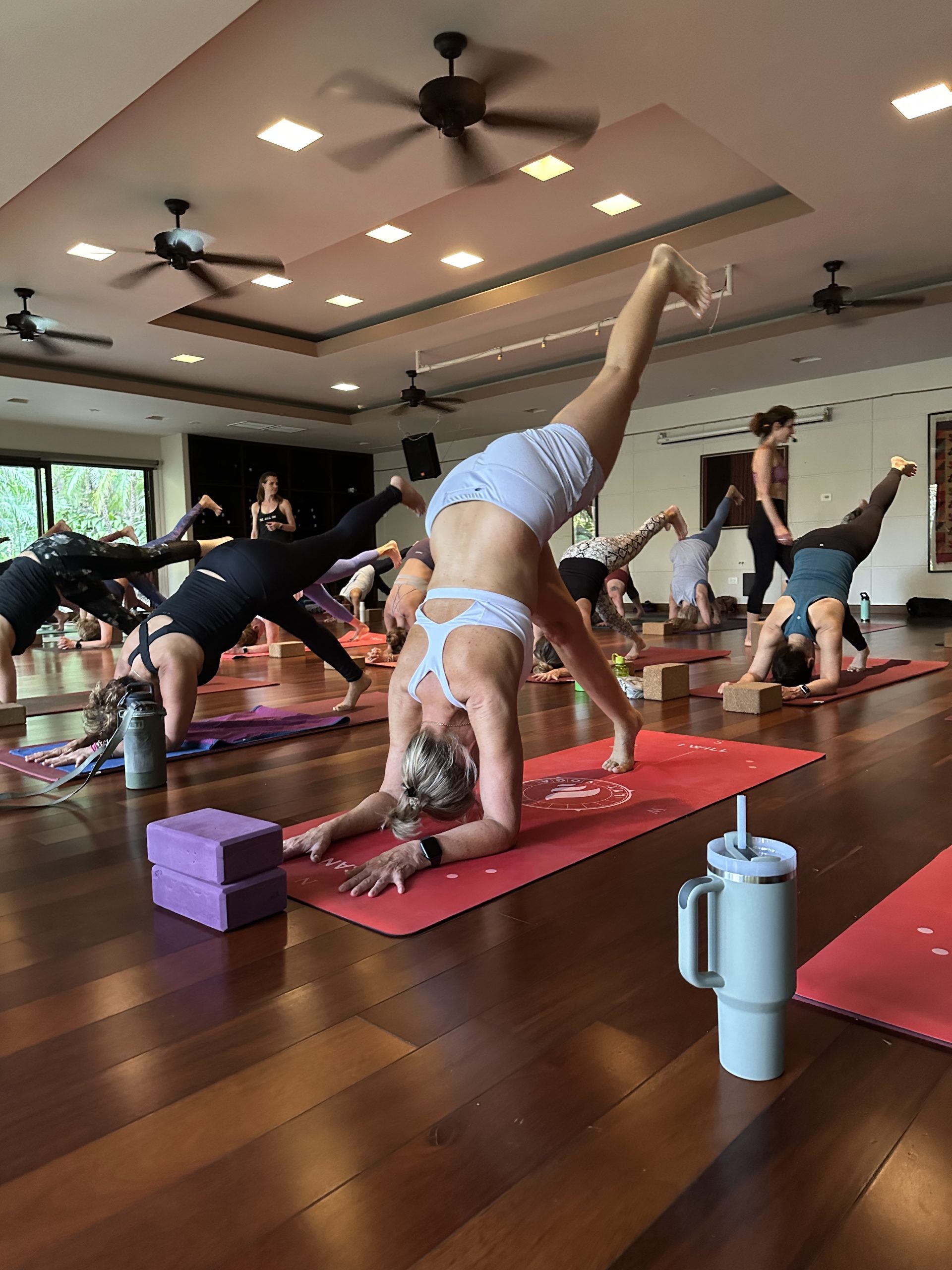
    Yogi’s have a special relationship with their shoulders. How many times do you actively remind yourself “I’m fine” after the 12th chaturanga or holding your arms in warrior 2 for what feels like an eternity. 


    We definitely know what it means to feel the burn when it comes to training our shoulders! And if you’ve ever had shoulder pain, you know how difficult a yoga practice can be on your shoulders sometimes. 


    In this article, I will teach you the three things you need for shoulder health, how to analyze your own shoulder function, and what to train to help those boulder shoulders keep functioning well into the 13th chaturanga. 


    But first, a little anatomy lesson. What are the shoulders? 


    Shoulder Anatomy 

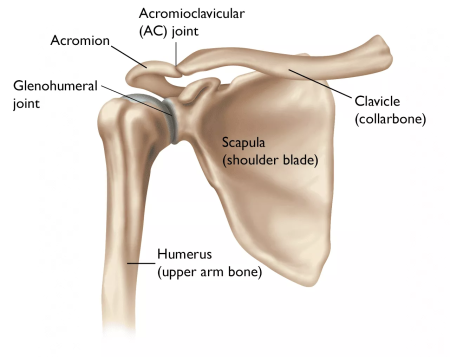
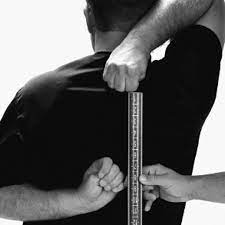
    It’s more than just the arm bone. The shoulder girdle consists of three bones articulating together – the humerus, the clavicle, and (one of my favorite bones) the scapula. There are 17 muscles that attach to the scapula alone. It’s an important bone! (rhyme intended hehe.) 


    The scapulohumeral and scapulothoracic regions are highly undertrained in most individuals and tend to significantly impact shoulder health if functioning sub-optimally. For example, if there is delayed scapular movement while lifting the arm overhead, it tends to cause impingement in the rotator cuff interval and lead to rotator cuff and/or bicep tendon breakdown from excessive shearing. 


    How do we keep the shoulder girdle functioning at 10/10 capacity? What do you need for healthy sustainable shoulders? Just like any other structure in the musculoskeletal and neuromuscular system, the shoulder girdle requires three simple things: mobility, stability, and adaptability to function optimally. Let’s look at these three categories and see how you can quickly analyze your shoulder function. 


    Analyze Your Shoulder Function


    Shoulder Range of Motion

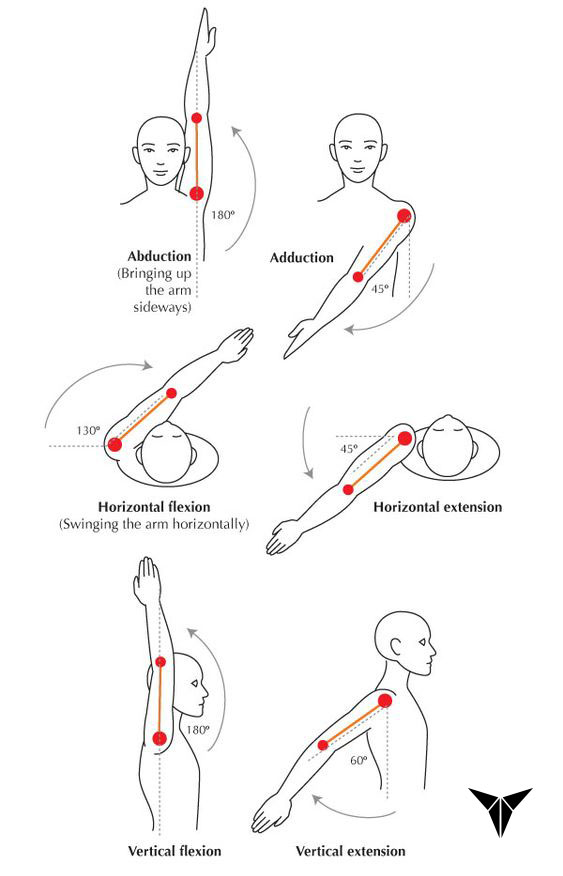
    Check your shoulder mobility by going through the ranges of motion below and ask yourself the following questions: 


    1. Is shoulder motion equal side-to-side? 
    2. Can you perform the motion without pain?
    3. Does it look to be full range of motion? 


    If you notice a range of motion deficit or pain, consider this an area to work on in your training plan. 


    Shoulder Stability/Strength 

    There are many ways to check for shoulder stability and strength including manual muscle tests and functional strength tests. Simple ways to test your own strength at home include the following exercises: 


    1. Push-Up 
    2. Plank for time (goal to hold for at least 60 seconds) 
    3. Side plank for time (goal to hold for at least 30 seconds) 
    4. Prone Superman lift 
    5. Prone I, T, Y raise 
    6. Lateral shoulder raise with weight
    7. Overhead shoulder press with weight 


    Ask yourself these questions when performing each movement: 

    1. Can you perform the movement without pain? 
    2. Does strength feel equal side to side and can you perform in the full range of motion? 


    If you notice a strength deficit or pain, consider this an area to work on in your training plan. 


    Shoulder Adaptability

    Finally, You want to assess shoulder adaptability by asking yourself the following questions: 


    1. Can you perform your normal day-to-day tasks without shoulder pain during or after the activity? 
    2. Do you experience shoulder pain during or after your yoga practice? 
    3. Does your shoulder feel unsteady and/or weak with certain movement patterns? 
    4. Do you avoid using your shoulder for specific tasks? 


    If the answers indicate pain and/or shoulder dysfunction, it’s showing you the shoulder is not adapting well to your normal lifestyle. If you’ve reached this point, I highly recommend seeing a professional such as your local physical therapist for a more in-depth analysis of your overall function and to assist you in your shoulder health journey. 


    Once you’ve done your assessment, now it’s time to go to work! 


    Train Your Shoulders 


    Use your home assessment to discover any weak points and make that your primary area of focus. When creating a home exercise plan, consider covering your basis with an exercise in each of the following categories: 


      Category   Examples
      Push   Yogi push-ups, down dog push-ups, down dog on the wall
      Pull    Scapula squeezes in goddess, cobra, rows 
      Rotator Cuff Strengthening    Vasisthasana variations, down dog on the wall, banded 90-90 external rotation and internal rotation
      Shoulder raises    Front and side raises 
      Other Scapular Stabilizers   Prone I, T, Y, W 
      Mobility    Child’s pose, open books, cat-cow, cow-facing arms (modified) 


    Remember that shoulder pain could be coming from places other than the shoulder! Common areas that refer to the shoulder include the neck and the thoracic spine. It’s always a good idea to train the body holistically. LYT Yoga is amazing to do just that. If you are experiencing an active shoulder issue, don’t wait it out or feel like you have to figure it out on your own. The musculoskeletal and neuromuscular systems are intricately complicated. There are many people out there just like me who can’t wait to help you! But in the meantime, while you’re out there searching for the provider that is right for you, I hope this article helps.


    Check out the shoulder section (https://lytyoga.uscreen.io/categories/category-shoulders) of the LYTDaily platform for yoga classes that target shoulder health. 


    I’ll see you on the mat! 


    Thalia Wynne, PT, DPT, AT, RYT

    IG: @thalialovee (https://www.instagram.com/thalialovee/) 


    Picture sources: 

    1: Picture 1 https://aosmlv.com/. Available at: https://cdn-alkjn.nitrocdn.com/frcYdTXDhmUfxRRByQWQPKPCHPldUaLn/assets/images/optimized/rev-f0e72a2/wp-content/uploads/2022/08/aosmlv_shoulder.png. Accessed March 14, 2023.


    2: Picture 2 McKay, D. (2022) Myotherapy, Remedial Massage & Sports Massage in Essendon: Upside Health & Movement: Available at https://www.upsidehealth.com.au/blog/pain-profile-snapping-scapula (Accessed: March 14, 2023). 


    3: Picture 3 Posturepro. Available at: https://education.posturepro.co/?fbclid=IwAR3lKVWNG9ipuelOgWutUcJlQBE7UIrJucTNTn5xHsebCqf1CK6UUVBYuIU (Accessed: March 14, 2023). 


    4: Picture 4 Cook, G. “FUNCTIONAL MOVEMENT SCREENING: THE USE OF FUNDAMENTAL MOVEMENTS AS AN ASSESSMENT OF FUNCTION,” IJSPT [Preprint]. Accessed March 14, 2023. 

  • The Role of Physical Therapy After A Stroke

    The Role of Physical Therapy After A Stroke

    by Sarah Apple Kingsley, pt, dpt


    You might be familiar with the term “Stroke” from a relative, friend, or perhaps someone famous on TV experiencing this broad spectrum of medical events. The World Health Organization (WHO), defines a stroke as “rapidly developing clinical symptoms and/or signs of focal, and at times global, loss of cerebral function, with symptoms lasting more than 24 hours or leading to death, with no apparent cause other than that of vascular origin.” A stroke is a term that is also known as a CVA or Cerebrovascular Attack, and also encompasses a milder form entitled a TIA or Transient Ischemic Attack. All are related to some sort of loss of blood supply to the brain, whether temporarily or longer term. A CVA is typically caused by a blood clot or thrombosis. The clot can remain stationary or more dangerously travel from one area of the body to another such as the lungs becoming a life-threatening pulmonary embolism. 


    When experiencing a stroke, symptoms can range quite a bit. Depending on the areas of the brain that were affected and the size and time of the loss of blood flow, patients may exhibit changes in cognition, speech and swallowing, strength, motor control, changes in activities of daily living such as eating, washing, dressing, toileting and bathing, walking, balance, stability, and coordination. It is also common for a stroke to affect the complete motor (movement) function as well as the sensation of an entire side of the body such as the left arm, tru,nk and leg termed hemiparesis. While it is possible for some of these symptoms to resolve on their own over time, without the proper stimulus and rehabilitation, it is likely that these disabilities will remain long-term, having major implications on health and quality of life. 


    There are typically 4 phases of rehabilitation following a stroke: the acute phase (0-24 hrs), the early phase (24 hrs to 3 months post), the late phase (3-6 months post), and finally the additional chronic phase (>6 months post). The greatest and most significant changes are often seen and facilitated in the first 3 phases correlating with the biggest improvements in mental and physical function and quality of life. HOWEVER, significant and meaningful changes CAN still be made even in the chronic phase, GIVEN THE RIGHT STIMULUS! This is where really good PHYSICAL THERAPY comes into play!


    Physical therapy interventions following a stroke are VAST and a study examining the benefits and effects of various modalities included: early mobilization (getting out of bed), sitting balance training, sit to stand training, standing balance training each with and without biofeedback, balance training during functional activities, body weight supported treadmill training, electromechanical stimulated gait training each with and without functional electrostimulation (using electrodes to facilitate muscle and motor unit contractions), speed dependent treadmill training without body weight support, overground walking, rhythmic gait cueing, community walking, virtual reality simulated training, circuit class training, caregiver mediated exercises, orthosis (or brace) for walking, water based exercises, interventions for somatosensory functions of the paralyzed limb (use of various textures and vibrations for sensory stimulus), electrical stimulation of the paralyzed limb, neuromuscular stimulation with and without EMG, and electromyographic biofeedback of the paralyzed limb. These are JUST the interventions specific to the lower limb, with the upper limb having similar and even more specific interventions for facilitating return of function. As far as overall physical fitness, interventions included: strength exercises for each the upper and lower limb, cardiorespiratory exercises such as cycling, treadmill or ergometer, and a mix of strength and cardiorespiratory exercise. 


    The final intervention analyzed AND MY PERSONAL FAVORITE was NDT or Neuro Developmental Treatment, as well as this technique performed at a higher intensity and in conjunction with other interventions. This specific treatment technique is what the LYT Yoga Method that I practice and teach was designed and based on. Lara Heimann, the physical therapist who created LYT, was highly trained in NDT while working in rehabilitation with stroke patients. She used the exercises, and principles of cross-motor pattern facilitation, intensity and repetition parameters in designing these classes in order to create meaningful changes to our physical bodies as well as neuromotor and mind-body connections. 


    We all have developed learned “non-use” of certain areas of the body, whether from a neurological or cerebrovascular event such as a stroke, or simply from habits and repetitive postures. Our bodies are trained to get the job done, by whatever means, typically utilizing the stronger, more skilled side repeatedly, leaving the less-trained side much weaker and ineffective. The movements in these classes incorporate forced reintegration ensuring both sides get used effectively and equally as well as stimulating cross-body motor patterns (making your left brain work with your right brain). That is why these yoga classes ARE SO MUCH MORE THAN JUST YOGA!


    In general, the findings from the effects of physical therapy intervention on stroke recovery were extremely positive, and even more so when multiple interventions were combined. Most importantly, the frequency and intensity of training made the greatest difference indicating that an additional 17 hours of therapy over 10 weeks is necessary to find positive effects at the body level and participation level. It is recommended for the greatest benefit, as long as it is medically safe and able, for patients to exercise 45 minutes daily, and high repetition of functional task practice is extremely important in creating new neuronal connections. Without the expertise, equipment, hands-on facilitation, physical, mental, and verbal encouragement and feedback, it is difficult for patients to see effective functional changes and return to a prior level of function on their own.


    Even if you or your loved one may have experienced a mild stroke or TIA, noticing just some residual numbness or lack of motor function of a limb or portion of a body part, DO NOT LET THIS GO UNRESOLVED. Even in the chronic stage significant changes can be made, when the right stimulus is provided. Seeking help from a trained Physical Therapist is key in developing your own individualized treatment plan. And if you just want to prevent the effects of loss of function, or continue to stimulate your brain and body in new ways, LYT Yoga Method classes are for you!


    Click here to book a session with me for individualized Physical Therapy training with me, or find a practitioner in your area: https://ivyintegrative.janeapp.com/locations/ivy-integrative/book#/staff_member/18/treatment/155


    References: https://journals.plos.org/plosone/article?id=10.1371/journal.pone.0087987

  • Neurodevelopmental Sequence

    Neurodevelopmental Sequence

    When we had a brick-and-mortar LYT NJ studio, we used to sell shirts with the phrase “Smart Yoga” on them. One day, someone asked me what that meant and I realized she probably isn’t the only one who didn’t know! What is it about the LYT Method that makes it “smart”? In my opinion, it comes down to one thing: following the neurodevelopmental sequence from beginning to end. 


    The neurodevelopmental sequence is the normal movement progression that babies follow as they learn to roll, sit, crawl, stand, and then walk. Many rehab professionals use this sequence to progress their older patients in a clinical setting. The lower developmental postures provide the necessary strength, stability, and coordination required of the higher developmental postures. The milestones that babies reach on their way to standing is the basic premise of the neurodevelopmental sequence. In infants, the sequence normally followed is as follows:

    • Supine → Head and Neck Control in Prone → Rolling → Grasping → Sitting → Quadruped → Crawling → Tall Kneeling → Half Kneeling → Standing → Walking


    If we convert this to the adult population in a rehab or functional training setting, we may adjust the head and neck control since most people can easily hold up their head. However, it doesn’t mean we eliminate it completely, as many people lack correct cervical positioning or posture. The same is true with grasping. While we may not have to teach someone to hold objects in their hands during a training session, we often need to educate about the use of hands successfully in weight-bearing positions. Skipping over any of these developmental levels can leave people without the foundation they need to be successful at the higher levels. This includes yogis. Without these basic foundational skills, people are at a higher risk of injury. Each movement pattern serves as a stepping stone, helping to sufficiently build correct posture, balance, mobility, and stability to allow movement onto the next level.


    So how does this translate to LYT Yoga®? Every single time you get on your mat, we are following the neurodevelopmental sequence. We begin every class with the Reset for a reason. Within the Reset alone, we go from Bridge (Supine) → Ab Work (Supine) → Supine Twist (Rolling) → Cat/Cow (Quadruped) → Dolphin (Quadruped) → Half Kneeling/Standing (Sun Salutation 1). With the Bridge and Ab Work, we’re preparing the body at its lowest developmental level. This allows us to really focus on neutralizing the pelvis, waking up the back body, and heating up the core cylinder. We don’t have to worry about balance or stability (unless we choose to). The LYT version of the Supine Twist is active (not a passive stretch) for a reason. With adults, the rolling movement strategy isn’t used very often and becomes deficient. It’s a great technique to restore balanced movement between the legs, trunk, and arms. The movement is initiated at the leg (pressing the inner edge of the foot into the mat), transmitting force through the core to the arms (stabilizing through the scapulae). Moving into Cat/Cow and/or Dolphin progresses the body into Quadruped, where stability through both the hip and shoulder girdles is required. This uses the proximal stabilizers of the pelvis, scapulothoracic region, and spine. Finally, the reason we do Sun Salutation 1 in every full LYT class is because it follows the neurodevelopment progression into half kneeling (Low Lunge) and standing (Tadasana). In my early Beginners classes, I actually add tall kneeling into my Sun Salutation 1 between Down Dog and Low Lunge, as many people lack the strength, stability, or simply the hip range of motion to step the foot forward with control.


    Another principle of neurodevelopmental sequencing is that you move from simple to complex. This is where the Sequences and the Stream come into play. You should notice in every class a progressive increase in difficulty and complexity from one Sequence to the next, which culminates to the Stream, where we may spice it up even further. In the simplest of terms, repetition is how we learn, and tweaking things is how we grow. This turns every single LYT Yoga® class into a therapeutic rehabilitation and functional movement training session. It’s smart because it’s intentional, it’s planned, and it follows the neurodevelopmental sequence. 


    If you’re interested in learning how to teach the LYT Yoga® Method or just want to deepen your knowledge about the body and how to move better, we have our next online teacher training cohort beginning on March 12th! Click the link below for more details!!


    Xoxo,

    Kristin


    Purchase LYT Level 1 Teacher Training

  • What is male pelvic health and how do people know if their pelvic floor is healthy?

    What is male pelvic health and how do people know if their pelvic floor is healthy?

    by Ashley Newton, PT, DPT


    Immediate disclaimer: when I am referring to “male pelvic health”, I am specifically referring to the health of those folks who have a penis and biologically male anatomy. Folks that do not identify as male can and do have male anatomy and need this info too! 


    So, the male anatomy has a pelvic floor? 

    Yes! If you have a pelvis, you have a pelvic floor which means that there is opportunity for that pelvic floor to be dysfunctional. The male pelvic floor has two fewer muscles than the female pelvic floor and the prostate. But otherwise, the muscular anatomy is largely the same. Believe it or not, male and female anatomy has the same amount of erectile tissue! 


    So, why don’t we as a culture talk about it? 

    Honestly, this is multi-factorial, but put simply I don’t think our culture focuses on male pelvic health in a way that is holistic and informed. Make pelvic health is often only focused on through the lens of sexual functioning and the treatment that is most widely known is medical. It is rare, in my experience, that males have knowledge of the sexual health cycle and the intersection of pelvic floor and the central nervous system in sexual functioning. This is not to mention that the other functions of the male pelvic floor are largely ignored or misunderstood. 


    What do people with male anatomy need to know about the pelvic floor? 

    First and foremost they need to know that they have one and where it is! Next, folks need to be able to identify when their pelvic floor may have an issue. Common diagnoses associated with male anatomy that can indicate pelvic floor dysfunction include, but are not limited to, the following:


    • Erectile dysfunction
    • Spraying with urination 
    • Constipation
    • Dribbling ejaculate
    • Hernia
    • Abdominal separation/diastasis recti
    • Tailbone pain
    • Rectal pain/burning
    • Hemorrhoids 
    • Pain with orgasm/difficulty achieving orgasm
    • Groin pain 
    • Testicular pain
    • Penile pain 


    How can people with male anatomy help their pelvic floor? 


    1. Stop holding your breath when you lift! True, when the breath is held and Valsava maneuver performed, this does generate more pressure in the abdomen and allows one to generate more force to lift, but it is so unsafe for the heart and pelvic floor! Holding the breath puts excess pressure down onto the pelvic floor and pressure on the heart and abdomen. Over time, this could predispose someone to abdominal separation, hernia, and other pelvic problems. So always, always, always EXHALE if you are going to lift something heavy.
    2. Stop straining to poop! This puts one at risk of hemorrhoids and anal fissures which can be very painful! Instead, exhale and make the belly big and hard to push out the stubborn poop! This allows you to use the lengthening of the abdominals and pelvic floor to safely propel the stool. Also, use that Squatty Potty as long as you don’t have orthopedic precautions that prevent you from having your hips at 110 degrees!
    3. Don’t believe everything you read! If you are having problems with sexual functioning, you are not alone and it is not normal. It is not a normal consequence of aging and it is not something you need to “just deal with”. Sexual functioning is multifaceted and requires the health of the nervous, cardiovascular, and musculoskeletal systems especially. Your health is in your hands and if you have any of the problems listed above, the pelvic floor could be partially to blame!
    4. Make sure you are breathing into your rib cage. Breathing with the shoulders can create abnormal tension in the front of the body and pelvic floor. Poor rib movement means the thoracic diaphragm and pelvic floor aren’t moving well together. Thusly, they will not function as well. The pelvic floor is responsible for sexual functioning, stability, support of abdominal contents, pumping of blood and lymph fluid, and sphincteric function at the level of the rectum and urethra. Poor breathing mechanics translates directly to poor core health and the potential for pelvic floor dysfunction.
    5. Make sure your hip strength is balanced. On leg day, do you just work the hip flexor? Do you even have a leg day? Make sure that you are incorporating stabilization exercises in all hip planes – adduction, abduction, internal rotation, external rotation, extension, and flexion. A well-balanced hip means good mobility and good load transference of the leg to the pelvis. This prevents tightness and overloading of tissues and healthy core functioning.


    If you suspect you may have pelvic floor dysfunction, pelvic floor physical therapists are here to help! And if you are in the Princeton area, come visit me at Activcore Pelvic Health Center!