Tag: personal growth

  • The Power of Strength Training and Why It’s Essential for Your Health

    The Power of Strength Training and Why It’s Essential for Your Health

    In a world filled with fitness trends and workout fads, one cornerstone remains true: strength training. Beyond the pursuit of beautiful muscles, strength training offers many benefits that go far beyond aesthetics. From improving overall health to enhancing daily functionality, strength training is an essential ingredient for daily life and longevity. Strength training (or resistance training) is a type of exercise that causes your muscles to resist an external force; this training intentionally loads the muscles and bones and can be performed using your own body weight, and/or outside weight via dumbbells, kettlebells, weight racks, or resistance bands. Strength training is truly having its day in the media spotlight and so to get you on board, let’s look at all the reasons that we should be doing it. 


    Strength training increases muscle mass, which in turn boosts your metabolism. Unlike cardiovascular exercise, which primarily burns calories during the activity, strength training leads to an “afterburn effect” where your body continues to burn calories even after the workout is over. This impact can help you maintain a healthy body weight to move more efficiently and joyfully in all decades of life. We know how amazing a LYT online class makes us feel- during and after- both physically and mentally. Exercise has long been associated with improved mental well-being, and strength training is no exception. The release of endorphins during exercise helps alleviate stress, anxiety, and depression, leaving you feeling happier and more energized.


    Strength training also improves muscular strength and endurance. This endurance not only makes daily tasks easier but also enhances athletic performance and reduces the risk of injury during physical activity. More than merely adding resistance to your routine, smart strength training involves movements that promote joint flexibility and mobility. By strengthening the muscles surrounding your joints, you can reduce the risk of injury and improve overall joint health. Specifically, working compound movement patterns (also known as functional movement like we incorporate into our LYT practice) such as squats and lunges enhance your ability to perform daily life activities with ease and independence. Maintaining strength and mobility is essential for maintaining independence as we age, and it is never too early to prime your body for lifelong musculoskeletal health. As we age, bone density naturally decreases, leading to an increased risk of fractures and osteoporosis. Strength training stimulates bone growth and helps maintain bone density, reducing the risk of fractures and promoting overall bone health. 


    Strength training will help older adults stay active, reduce the risk of falls, and improve overall quality of life. Because strength training improves functional capacity by enhancing muscle strength, power, and endurance, we can improve performance of activities of daily living such as walking, climbing stairs, lifting objects, and maintaining balance. By improving functional ability, strength training enables older adults to remain independent and active for longer.


    With aging, especially for women who are going through or are in menopause, strength training becomes increasingly important due to factors related to aging and hormonal changes. Age-related muscle loss, known as sarcopenia, begins as early as the fourth decade of life and accelerates after the age of 65. Strength training helps counteract this loss by stimulating muscle growth and preserving existing muscle mass. Osteoporosis, or loss of bone density, is common among older adults and increases the risk of fractures and falls. Strength training, particularly exercises that load the bones such as resistance training, can increase bone density and reduce the risk of fractures, thus promoting bone health and longevity. With falls in the elderly being a leading cause of injury and mortality, strength training proves its worth by improving balance, coordination, and proprioception, all essential ingredients for preventing falls. By strengthening muscles and improving stability, strength training reduces the risk of falls and associated injuries, thereby enhancing safety and quality of life. Additionally, strength training has been shown to be effective in managing and preventing chronic conditions such as arthritis, diabetes, and cardiovascular disease, by improving insulin sensitivity, lowering blood pressure, reducing inflammation, and promoting overall cardiovascular health.


    So I hope you are convinced of the value of incorporating strength training into your wellness routine! In addition to my daily LYT practice which offers plenty of bodyweight strengthening moves, I have started adding extra weights in smaller doses or in lighter loads for longer time to build more endurance and prevent muscle loss. For more direct loadbearing on my spine, a common area for osteopenia, I began rucking about seven months ago. Rucking involves hiking/walking with a special pack that holds weighted plates. On both of our membership platform- LYT Daily and LYT Studio- we have strength classes. The “SET with weights” is one of my favorite classes to teach and practice, so join in on the fun with me or one of the other LYT teachers.  Incorporating strength training into your workout routine doesn’t have to be complicated. Whether you prefer lifting weights at the gym, bodyweight exercises from the convenience of your home, or resistance bands during your lunch break, the key is to find activities that you enjoy and can stick with consistently. 
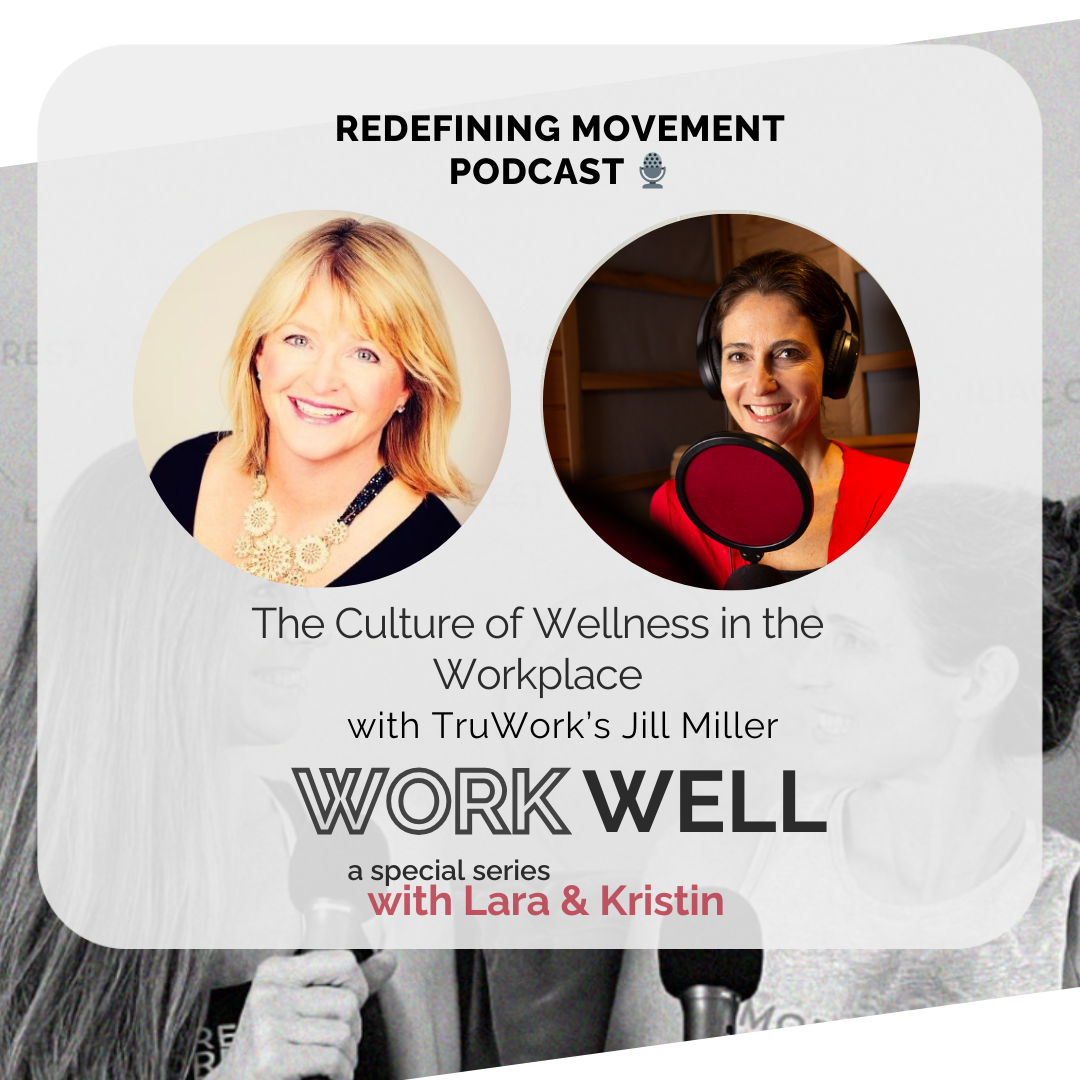
  • Work Well Series Ep. 5: The Culture of Wellness in the Workplace with Jill Miller

    Work Well Series Ep. 5: The Culture of Wellness in the Workplace with Jill Miller


    Welcome to our special Work Well Series, where we explore the importance of prioritizing employee well-being in the office!

    In corporate America, climbing the ladder is often the first priority, and casualty rates can be high. What happens when the focus moves from doing the work just to earn a paycheck to enjoying the work and coworkers while earning a paycheck? Wellness architect Jill Miller joins us on this episode of Redefining Movement to share how companies can create a supportive environment that fosters productivity with true connection. 

    Host Lara Heimann follows Jill on her transformative journey from corporate America to revolutionizing employee well-being. The conversation underscores the pivotal role of belonging, inclusivity, and psychological safety in peak performance. Listen for insights into how reshaping company culture into a compassionate environment can boost wellness strategies and employee achievement. 


    Connect with Lara Heimann, The Redefining Movement Podcast, and LYT Daily:

    Connect with the guests:


    Today’s podcast sponsor:


    Follow the podcast:

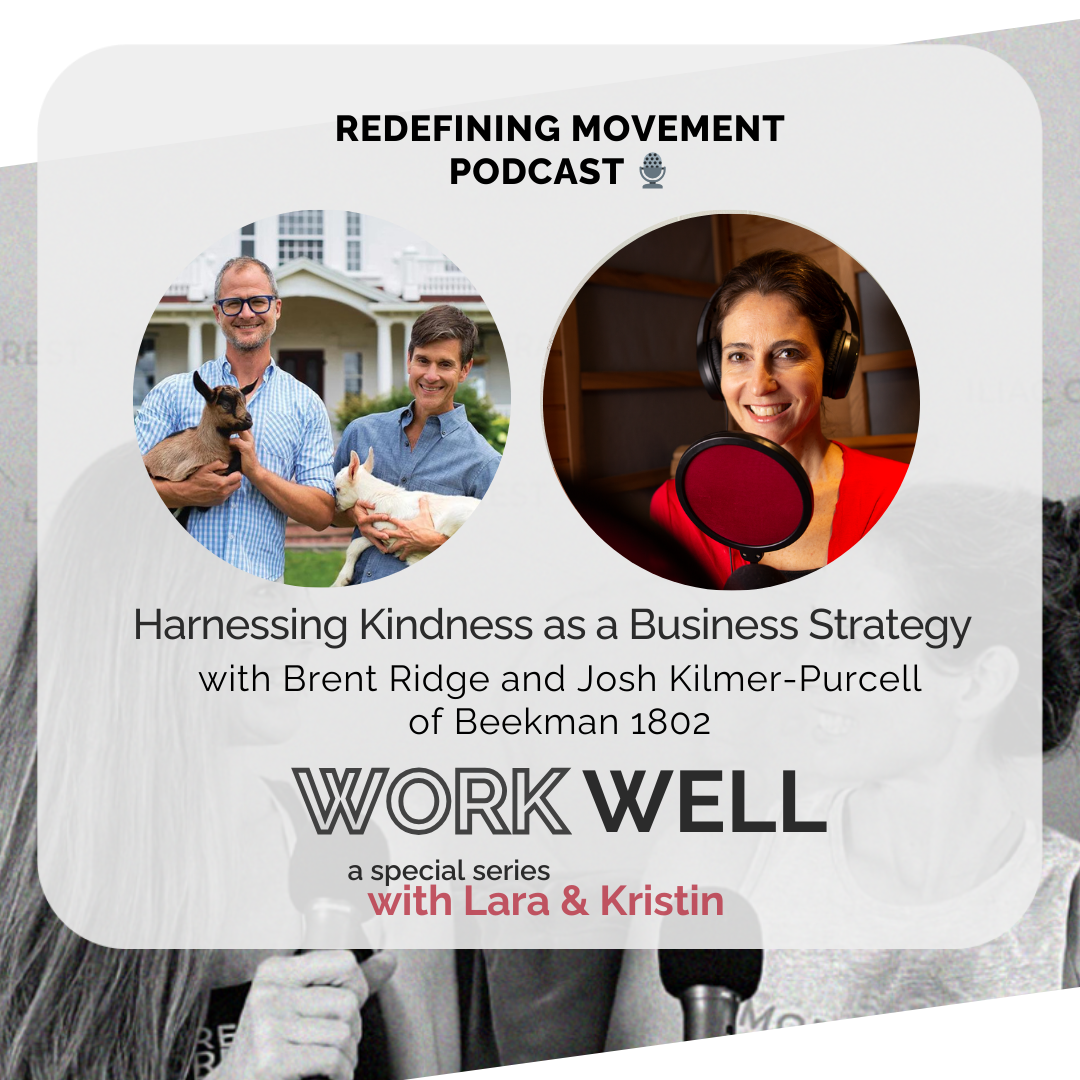
  • Work Well Series Ep. 3: Harnessing Kindness as a Business Strategy with Beekman 1802

    Work Well Series Ep. 3: Harnessing Kindness as a Business Strategy with Beekman 1802


    Kindness can go a long way in your personal life, but what about in your business?

    In this episode of Redefining Movement, we dive into the incredible journey of Josh Kilmer-Purcell and Brent Ridge, founders of Beekman 1802, where kindness is not just a philosophy but a way of life. 

    Listen as host Lara Heimann chats with Brent and Josh, and learn how the seed idea of kindness led to the creation of a thriving company and a holistic approach to wellness. Discover the profound physiological impact of kindness, how it affects employee satisfaction and retention, and gain insights into implementing kindness in the workplace. Join us as we explore how kindness is redefining the modern approach to wellness and success.


    Connect with Lara Heimann, The Redefining Movement Podcast, and LYT Daily:


    Connect with the guests:


    Today’s podcast sponsor:

    • Check out and sign up for LYT Daily and LYT Prime, including our 2-week and 1-week FREE trials, here: https://lytyoga.uscreen.io/ 


    Follow the podcast:

  • Tips for Replenishing and Recovering

    Tips for Replenishing and Recovering

    Have you ever felt drained and/or stressed and assumed that hanging out on the couch was the only way to fully recover?


    While genuine rest is essential for a balanced nervous system, it’s important to explore a variety of strategies for promoting a harmonious balance between mind and body. To experience the benefits of replenishing your metaphorical cup and recovering well from daily stressors, include some of these tips and see what works best for you!


    1) Embrace Regular Exercise
    We know that movement is medicine so stay moving by engaging in physical activities that resonate with you. Whether it’s yoga, jogging, or weight training, regular exercise not only enhances physical health but also boosts mood, reduces stress, and contributes to overall well-being. Moving your body in various ways with varying intensities provides numerous benefits for all systems in the body, which are all tied to maintaining our energetic resources. For the cardiovascular system, exercise enhances heart health, improves circulation, and lowers the risk of heart disease. Muscular and skeletal systems benefit from increased strength, flexibility, and bone density. The respiratory system improves with enhanced lung capacity and efficiency. Moving your body promotes mental well-being by releasing endorphins, reducing stress, and improving cognitive function. The brain loves movement! Not only does physical activity promote increased gray matter volume and improved connectivity between different brain regions, but it is also linked to neuroplasticity, the brain’s ability to reorganize and adapt. Could anything seem more replenishing and recovering than an adaptive brain?! (You can find more about brain benefits in the blog post “The Crucial Role of Challenges for Brain and Body”). Overall, regular exercise contributes to a holistic health approach, refilling your metaphorical cup by fostering physical, mental, and emotional well-being.

    2) Deep Breathing and Mindfulness
    The journey towards replenishment needs to include deep breathing exercises and mindfulness but you don’t necessarily need to implement these practices while sitting or in complete stillness. I love to practice mindful walking, paying attention to each step and feeling the ground beneath my feet as I observe the movement in my body. Practicing LYT is my favorite way to cultivate breathing and mindfulness during the core-focused creative movement; you know that you are not making a to-do list during one of our LYT Daily classes! I feel that LYT is the magical elixir that both energizes and calms my nervous system, providing the perfect recalibration and recovery. Some other ways to practice mindfulness include breath awareness where you focus on your breath, observing its rhythm and sensations, anchoring your attention to the present moment. You can conduct a body scan where you systematically bring attention to different parts of your body, noticing sensations without judgment. Following a guided meditation that leads you through breathing techniques like diaphragmatic breathing or box breathing can also hone your focus and stimulate the parasympathetic nervous system, fostering a sense of tranquility and balance. Ultimately, mindfulness is the practice of bringing one’s attention to the present moment, cultivating awareness without judgment. It involves focusing on thoughts, feelings, and sensations in the current experience, whether you are sitting or sweating with movement.


    3) Prioritize Quality Sleep
    Getting good ZZZZZ’s is a cornerstone of recovery, and we should aim for 7-9 hours of uninterrupted, quality sleep each night. Establish a relaxing pre-sleep routine, create a comfortable sleep environment, and avoid stimulants before bedtime to optimize your sleep cycle. For the ultimate calming pre-sleep routine, disconnect from electronic devices at least 30 minutes before bedtime which minimizes exposure to stimulating blue light, promoting better sleep and nervous system recovery. And remember that moving your body during the day prepares your body for a restful night of replenishing sleep! Our circadian pacemaker that guides our internal clock of sleep-wake cycles and various physiological processes is optimized with regular physical activity.


    4) Nature Connection
    Have you ever felt that big AHHHHH and exhale when you spend time in nature? Whether it’s a walk in the park or a hike in the woods, nature has a soothing effect that can positively impact your mental well-being and restore your energy. Nature has a profound impact on resetting the nervous system as natural environments have been linked to lower levels of cortisol, a stress hormone; the tranquility of nature helps decrease the production of these stress-related chemicals in the body. Nature promotes involuntary attention, allowing the brain’s directed attention (used for tasks) to rest. This “soft fascination” helps restore cognitive resources. Natural settings often induce a state of relaxation, activating the parasympathetic nervous system, counteracting the effects of chronic stress. The sensory richness of nature encourages mindfulness and being present. This shift away from rumination about the past or worries about the future contributes to mental well-being. Exposure to nature has also been associated with improved mood and reduced symptoms of anxiety and depression. The beauty and serenity of natural surroundings contribute to positive emotions. Being in natural environments aligns with our evolutionary history, promoting a sense of well-being because of our evolved innate connection with nature. In other words, nature brings us home, and like feeling at home in our body, nature can bring a feeling of safety and security that resets our nervous system. Maximize this benefit by leaving your devices behind; taking a digital detox can help reduce mental fatigue and support your overall well-being.


    5) Manual Therapies for Release

    Touch can be an overlooked and under appreciated tool for therapeutic wellness. At a physiological level, massage and fascial therapy can contribute to replenishing and promoting recovery by increasing blood flow to the targeted muscles and tissues and this enhanced circulation helps deliver more oxygen and nutrients to the cells, promoting healing and recovery. Massage can also release the perception of tension in muscles, promoting relaxation while additionally triggering the release of endorphins, the body’s natural painkillers and mood elevators. Both massage and fascial therapy support replenishment and recovery by improving blood circulation, promoting muscle relaxation, releasing endorphins, facilitating lymphatic drainage, reducing stress, and enhancing joint mobility. While receiving bodywork can be incredible therapy for mind and body, you can also benefit from self-massage and fascial mobilization techniques by using props like blocks, bolsters, balls, towels, rollers, and your own hands! Soft tissue work is one of my favorite ways to reinvigorate and refresh my brain-body connection and I often include the use of these props and mobilizations in my classes. In the Soothe Series on the LYT Daily, I also demonstrate Emotional Freedom Techniques (EFT), where light tapping on specific acupressure points of the body alleviates stress and promote relaxation. The tapping can soothe the nervous system, inviting a relaxation response to recover from stress.

    These replenishing tips are my personal potpourri of targeted strategies for creating a supportive environment for recovering in the nervous system. In different ways, they foster a sense of calm empowerment and generate varied pathways to find home.

  • The Crucial Role of Challenges for Brain and Body

    The Crucial Role of Challenges for Brain and Body

    In your LYT practice, have you ever felt frustrated by the challenges on the mat?

    I encourage you to embrace the experience, knowing that being challenged is the key feature for growth, resilience, and vitality. In the intricate tapestry of human brain development, challenges act as catalysts, propelling cognitive growth and shaping resilient minds. Embracing and overcoming them is not merely a testament to one’s abilities; it’s a fundamental process that fortifies the brain in remarkable ways.

    Let’s dive deeper into the ‘WHY’ we promote growth through challenges on the mat that carryover into daily life and overall wellbeing.


    When faced with challenges, the brain activates its remarkable ability known as neuroplasticity—the brain’s capacity to reorganize itself by forming new neural connections. Challenges provide the stimuli necessary for these connections to thrive, fostering adaptability and enhancing overall cognitive function. Challenges require problem-solving and critical thinking, leading to the strengthening of neural connections. This process, known as synaptic pruning, refines the brain’s circuitry, discarding unnecessary connections and reinforcing those crucial for efficient information processing. Challenges are not only cognitive hurdles, but also emotional and psychological tests as overcoming obstacles builds resilience, teaching individuals how to navigate adversity. This resilience extends beyond the immediate challenge, preparing the brain to face future uncertainties with a more robust and composed mindset.


    Beyond the confines of intellectual pursuits, the intricate dance between body and brain reveals a profound connection.

    Engaging in physical challenges doesn’t just sculpt muscles; it actively nurtures and grows the brain!


    The symbiotic relationship between physical activity and cognitive development is a testament to the holistic nature of human well-being. Physical challenges spark the process of neurogenesis, the creation of new neurons in the brain. Physical challenges stimulate the brain to create new synapses and strengthen existing connections and this heightened connectivity allows for more efficient communication between different brain regions, contributing to improved coordination, spatial awareness, and overall cognitive agility. The physical stress induced by challenging activities also triggers the brain to release neurochemicals that combat stress and promote a sense of well-being. This stress resilience not only contributes to mental health but also shields the brain from the detrimental effects of chronic stress, fostering long-term cognitive health. Physical challenges also lead to the release of neurotransmitters like dopamine and serotonin, often referred to as “feel-good” chemicals. These neurotransmitters play a crucial role in regulating mood, motivation, and overall mental well-being, creating an environment conducive to optimal brain function. Just as the brain exhibits plasticity in response to cognitive challenges, it demonstrates a similar adaptability when faced with physical challenges. This dual plasticity enriches the brain’s capacity for learning, problem-solving, and adjusting to new environments. Regular physical challenges have been shown to positively impact cognitive performance; whether it’s aerobic exercise, LYT movement, strength training, and/or coordination-based activities, the brain responds by becoming more efficient in tasks such as memory retention, problem-solving, and attention to detail. When we move around the mat-varying the planes of motion, the demands on the different muscles, and challenging our neuromotor coordination with creative sequences, we improve our lives off the mat as well. Our LYT practice truly has a profound and beneficial carryover into daily life! 


    In a world that constantly evolves, this holistic adaptability is a prized trait. Challenges force the brain to adapt to new circumstances, promoting a growth mindset. This adaptability is not only beneficial for personal development but is also crucial in navigating an ever-changing global landscape. Successfully overcoming challenges instills a sense of accomplishment and boosts confidence. This sense of achievement contributes to the development of self-efficacy, the belief in one’s ability to tackle future challenges.  Remember that feeling a struggle on the mat is good! It stimulates the brain to pay attention and enhances the interplay between the different regions of the brain. In essence, challenges are the sculptors of a resilient, agile, and intellectually vibrant brain. They propel individuals toward growth, fostering not only cognitive development but also emotional intelligence and physical adaptability. As we navigate the colorful journey of life, it becomes evident that challenges are not roadblocks but stepping stones, guiding us towards a more enriched and empowered state of being.


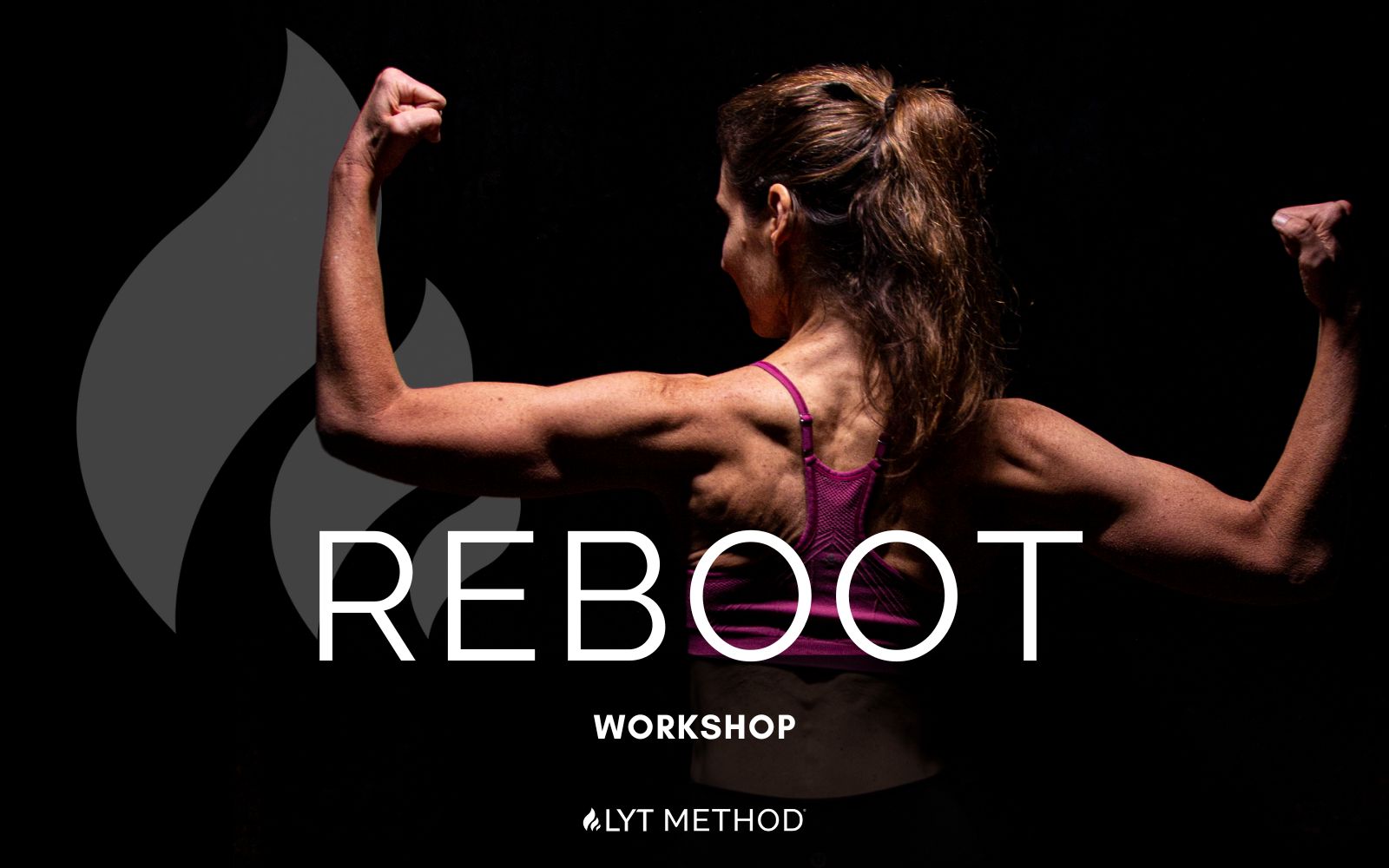
    Challenging the body is an intricate choreography that shapes not only physical prowess but also the very fabric of the brain and highlights the holistic nature of the mind-body intersection. A confident mind is more open to exploration and continuous learning and confidence is grown like a muscle-through challenge! When we embrace physical challenges, we embark on a journey that not only strengthens our muscles but also nurtures the growth of a vibrant and resilient brain. Are you convinced of the benefits of being challenged?! Try my workshop “Reboot” as a clear example of how to activate the body and brain and to feel fully LYT UP!!

  • Reset and Reboot: Practical Tips for a Fresh Start in Life

    Reset and Reboot: Practical Tips for a Fresh Start in Life

    Reset and Reboot: Practical Tips for a Fresh Start in Life

    by lara heimann, PT


    The last four years have shown us what we already know: that life presents challenges that can leave us feeling stuck, overwhelmed, or in need of a reboot.

    Whether you’re seeking a major life change or just a refresh, here are some practical tips that have guided me through change and helped me keep clear and compassionate while navigating some big shifts in my personal life.

    My hope is that these reminders will help you reset in any way to assist you in a new chapter of your life, whether it’s a new year or a transitional time.


    1. Reflect on your goals and values: Take a step back and reflect on what truly matters to you. Identify your core values and long-term goals. This self-awareness will guide your decisions and actions during the reset. You can find a core values list in this link so you can identify your most important ones that will be the guiding light in your reset.
    2. Declutter your physical and mental space: Streamline your environment by decluttering both your physical space and your mind. Get rid of unnecessary possessions, organize your living spaces, and consider adopting mindfulness practices to clear mental clutter. My husband, Mark, and I had to massively organize and clean out our house in Princeton in preparation for a move and it truly was refreshing to pare down the “stuff” and recognize what was not needed.
      The process was also a mental clearinghouse. We talk more about it in our podcast!
    3. Set realistic and achievable goals: Break down your larger goals into smaller, manageable tasks. This not only makes them less overwhelming but also provides a sense of accomplishment as you tick off each milestone. Research also shows that small changes create bigger shifts which lead to enduring habits. Read more about habit formation in BJ Fogg’s “Tiny Habits” and put them into action with our LYT 6-week “Build Your Capacity” program!
    4. Create a routine that serves YOU: Establishing a daily routine can bring structure and stability to your life. Include activities that contribute to your well-being, such as exercise, meditation, or dedicated time for hobbies. Many LYT daily devotees have reported that their dedicated time to practice is a non-negotiable. This structured routine will give you a foundation that allows for more freedom and clarity in the rest of your day.
    5. Embrace learning and growth: Challenge yourself to learn new things. Whether it’s acquiring a new skill, pursuing education, or exploring different perspectives, continuous learning fosters personal growth and keeps life interesting. In LYT, we intentionally provide repetition and novelty with our sequences to forge impactful neural connections in the brain. The brain craves novelty so embrace learning and challenge as a key ingredient in rebooting your system!
    6. Connect with supportive people: Surround yourself with positive and supportive individuals. Share your aspirations and challenges with friends or family who can provide encouragement, advice, or accountability when needed.
    7. Prioritize self-care: I shout this from the metaphorical rooftops every day!  You can only reboot, refresh, and reset by putting your needs first. Take care of your physical and mental health, ensure you get enough sleep, maintain a balanced diet, and engage in activities that bring you joy and relaxation.
    8. Step outside your comfort zone: Growth often happens beyond comfort zones. Challenge yourself to try new experiences, take calculated risks, and embrace the uncertainty that comes with change. Moving states, selling our house after building a new one, and spending half the year in a rental across the country were decisions that Mark and I made that brought some discomfort because of change and the unknown. The end result is amazing, but I definitely had moments of doubt, sadness, and uncertainty. I forged ahead because I knew that this process would empower me to say yes to more opportunities and challenges with excitement and it has truly has been a powerful reset.
    9. Forgive and let go: Holding onto past grievances can hinder your ability to move forward. Practice forgiveness, both towards others and yourself. Letting go of resentment can be a powerful catalyst for positive change and a necessary element for resetting overall.
    10. Celebrate progress, not perfection: Acknowledge and celebrate the progress you make along the way. Remember, the journey of resetting and rebooting is about growth and improvement, not perfection.


    By incorporating these practical tips into your life, I hope you can initiate a meaningful reset and create a path toward a more fulfilling and balanced existence. Embrace the opportunity to reboot and shape a future that aligns with your aspirations and values and know that I am pulling for you!

  • 705. Monthly Motivation: Resetting in Life as You Age

    705. Monthly Motivation: Resetting in Life as You Age


    Join Lara and husband Mark as they assess the importance of strength, endurance, and mobility training To reset & age gracefully.

    You’ll hear tips on daily health prioritization, the positive effects of self-care, goal-setting with accountability, and forgiveness by releasing emotional baggage. 

    • Reset all parts of your life while giving yourself the grace to do so.
    • Learning to reassess your priorities and properly delegate your time and energy as you age.
    • Focus on your health as you age to have energy for others and life.


    Connect with Lara Heimann, The Redefining Movement Podcast, and LYT Daily:


    Today’s podcast sponsor: 

    Almond Cow – You can get a discount off your purchase at almondcow.co/shop with code LARA


    Follow the podcast:

  • 704. Wednesday Q&A: Movement Motivation, Overcoming Ego, and Knowing Your Body in Practice

    704. Wednesday Q&A: Movement Motivation, Overcoming Ego, and Knowing Your Body in Practice


    Welcome to Wednesday Q&A, where you ask questions, and we answer them!

    In this Wednesday Q&A, we answer your questions about:

    How to find motivation for movement when it’s difficult, handling your ego as a teacher, and how to listen to your body as you practice.

    Connect with Lara Heimann, The Redefining Movement Podcast, and LYT Daily:

    Today’s podcast sponsor: 

    Herbal Face Food – Reverse sun damage and tighten the skin on your face with one of my favorite magical products, Herbal Face Food. Enter the code ‘LARA’ for 20% off!

    Follow the podcast: