Tag: pain

  • 723. Wednesday Q&A: Cold/Heat, NeuroKinetic Therapy, & Piriformis Syndrome

    723. Wednesday Q&A: Cold/Heat, NeuroKinetic Therapy, & Piriformis Syndrome


    In this Wednesday Q&A, we answer your questions about to cool or heat an injury, neurokinetic therapy, and piriformis syndrome.


    Your questions:

    • In case of an injury, say muscle soreness or a twisted ankle, would you still recommend ice and cooling or moderate heat?
    • What are your opinions on NeuroKinetic Therapy as a modality of physiotherapy? There seems to be a divide in opinions, curious to know what you both think!
    • Piriformis syndrome – Can you explain what it is? Exercises to help out.


    To learn more, and for the complete show notes, visit: lytyoga.com/blog/category/podcasts/


    Do you have a question?


    Sponsors:


  • 720. Wednesday Q&A: Spinal Discs, Self-Consciousness & ACL Surgery Advice

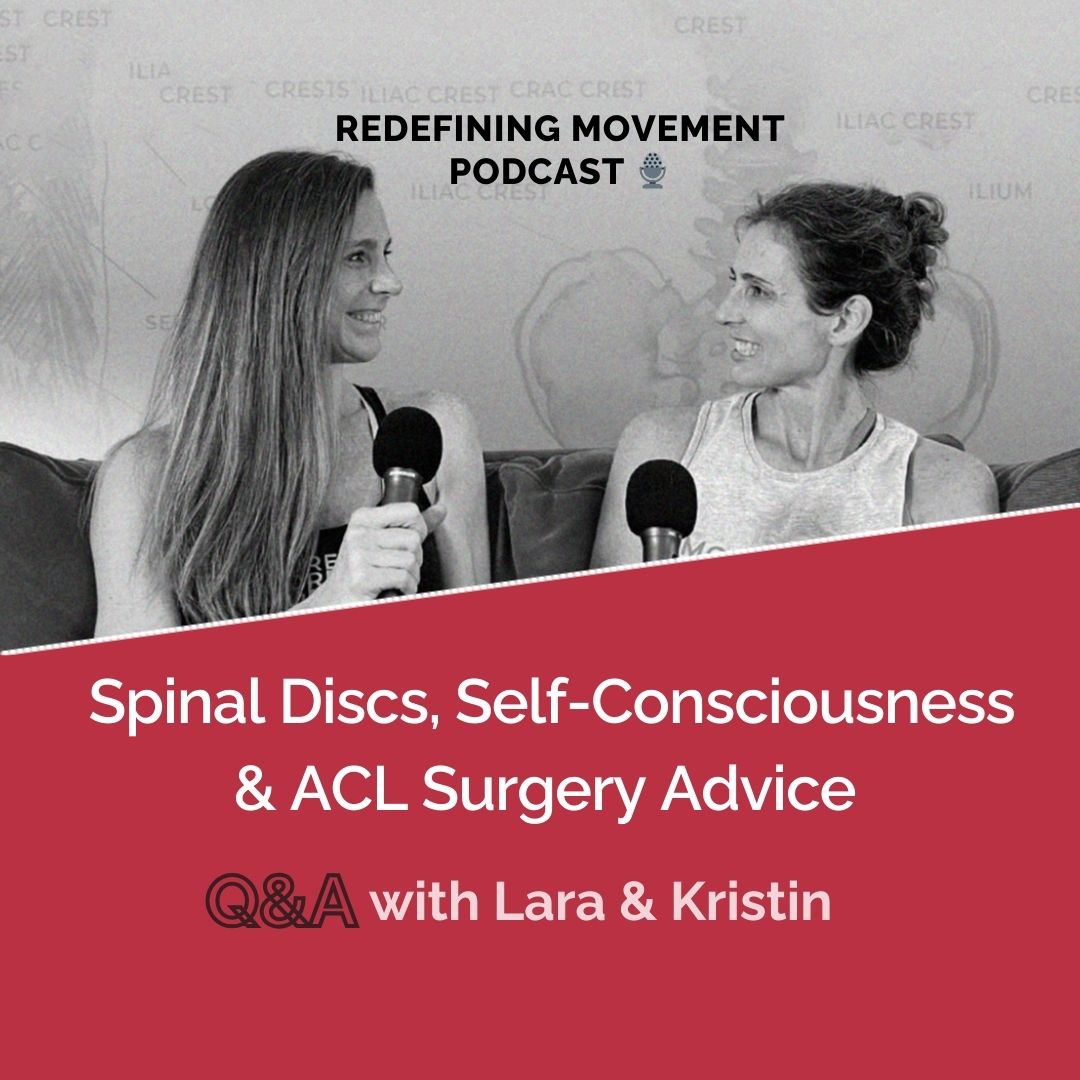
    720. Wednesday Q&A: Spinal Discs, Self-Consciousness & ACL Surgery Advice


    In this Wednesday Q&A, we answer your questions about spinal and herniated discs, self-consciousness and ACL surgery advice.


    Your questions:

    • Can please you explain how the (spinal) disc functions and is there a cure for herniated discs?
    • What do you suggest for feelings of self-consciousness or intimidation in gym or group fitness settings?
    • What’s the best advice for healing an ACL surgery as a competitive runner?


    To learn more, and for the complete show notes, visit: lytyoga.com/blog/category/podcasts/


    Do you have a question?


    Sponsors:

  • 719. Deep Dive – Benefits & Importance of Weight Training

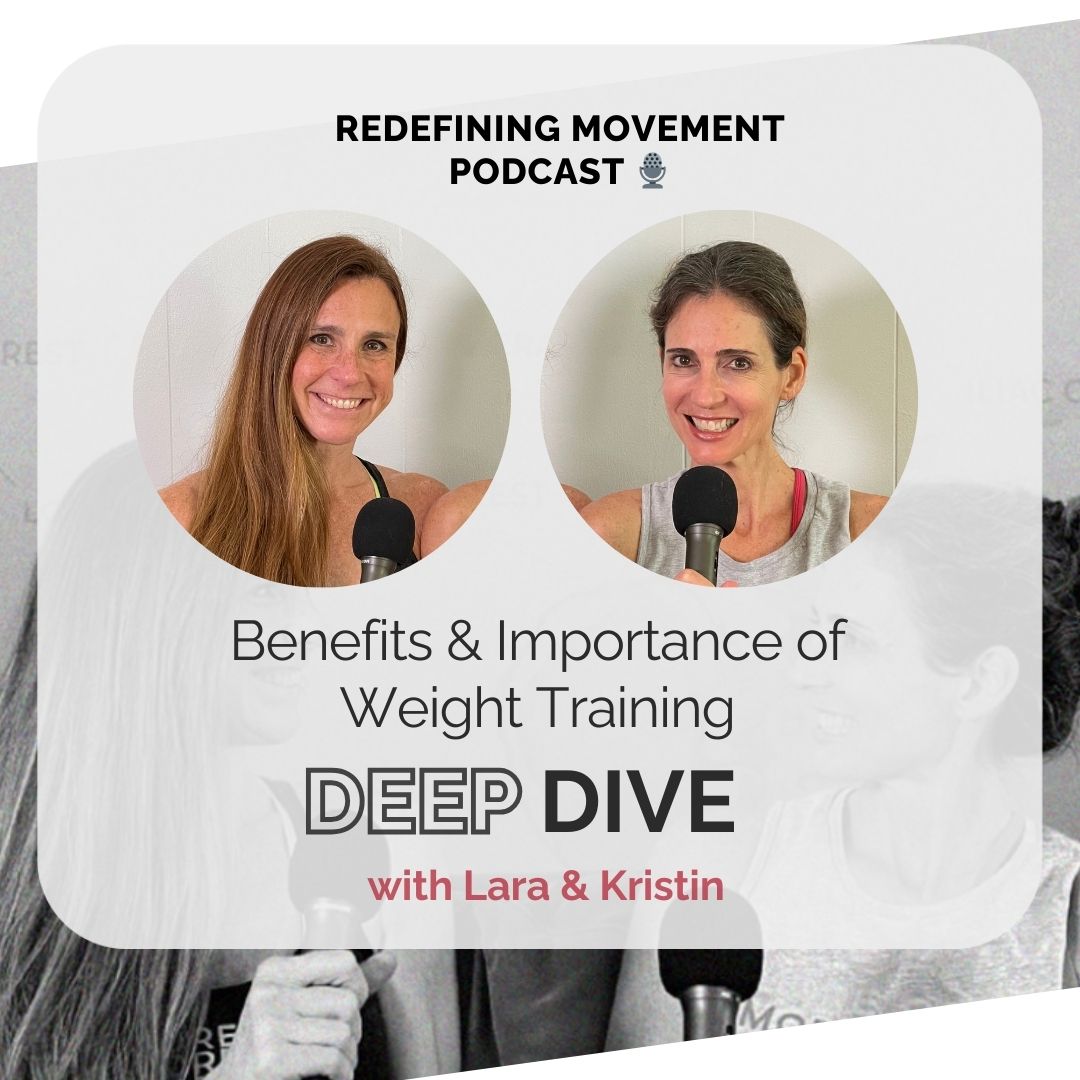
    719. Deep Dive – Benefits & Importance of Weight Training


    Join Lara and Kristin for a deep dive into the benefits and importance of weight training!


    In this episode, you’ll learn about:

    • The benefits of weight training and weight-bearing exercises.
    • The positive impact these exercises can have on overall functional capacity, athletic performance, metabolism, and mental health.
    • The importance of proper form and gradually increasing intensity to avoid injury.
    • The advantages of these exercises in improving bone strength, joint stability, and mental well-being, especially in older adults.
    • The importance of muscle recovery, consistent exercise routines, and finding age-appropriate and lifestyle-suitable exercise habits.


    There’s a lot to cover, so let’s dive right in.


    To learn more, and for the complete show notes, visit: lytyoga.com/blog/category/podcasts/


    Do you have a question?


    Sponsors:

  • The Power of Strength Training and Why It’s Essential for Your Health

    The Power of Strength Training and Why It’s Essential for Your Health

    In a world filled with fitness trends and workout fads, one cornerstone remains true: strength training. Beyond the pursuit of beautiful muscles, strength training offers many benefits that go far beyond aesthetics. From improving overall health to enhancing daily functionality, strength training is an essential ingredient for daily life and longevity. Strength training (or resistance training) is a type of exercise that causes your muscles to resist an external force; this training intentionally loads the muscles and bones and can be performed using your own body weight, and/or outside weight via dumbbells, kettlebells, weight racks, or resistance bands. Strength training is truly having its day in the media spotlight and so to get you on board, let’s look at all the reasons that we should be doing it. 


    Strength training increases muscle mass, which in turn boosts your metabolism. Unlike cardiovascular exercise, which primarily burns calories during the activity, strength training leads to an “afterburn effect” where your body continues to burn calories even after the workout is over. This impact can help you maintain a healthy body weight to move more efficiently and joyfully in all decades of life. We know how amazing a LYT online class makes us feel- during and after- both physically and mentally. Exercise has long been associated with improved mental well-being, and strength training is no exception. The release of endorphins during exercise helps alleviate stress, anxiety, and depression, leaving you feeling happier and more energized.


    Strength training also improves muscular strength and endurance. This endurance not only makes daily tasks easier but also enhances athletic performance and reduces the risk of injury during physical activity. More than merely adding resistance to your routine, smart strength training involves movements that promote joint flexibility and mobility. By strengthening the muscles surrounding your joints, you can reduce the risk of injury and improve overall joint health. Specifically, working compound movement patterns (also known as functional movement like we incorporate into our LYT practice) such as squats and lunges enhance your ability to perform daily life activities with ease and independence. Maintaining strength and mobility is essential for maintaining independence as we age, and it is never too early to prime your body for lifelong musculoskeletal health. As we age, bone density naturally decreases, leading to an increased risk of fractures and osteoporosis. Strength training stimulates bone growth and helps maintain bone density, reducing the risk of fractures and promoting overall bone health. 


    Strength training will help older adults stay active, reduce the risk of falls, and improve overall quality of life. Because strength training improves functional capacity by enhancing muscle strength, power, and endurance, we can improve performance of activities of daily living such as walking, climbing stairs, lifting objects, and maintaining balance. By improving functional ability, strength training enables older adults to remain independent and active for longer.


    With aging, especially for women who are going through or are in menopause, strength training becomes increasingly important due to factors related to aging and hormonal changes. Age-related muscle loss, known as sarcopenia, begins as early as the fourth decade of life and accelerates after the age of 65. Strength training helps counteract this loss by stimulating muscle growth and preserving existing muscle mass. Osteoporosis, or loss of bone density, is common among older adults and increases the risk of fractures and falls. Strength training, particularly exercises that load the bones such as resistance training, can increase bone density and reduce the risk of fractures, thus promoting bone health and longevity. With falls in the elderly being a leading cause of injury and mortality, strength training proves its worth by improving balance, coordination, and proprioception, all essential ingredients for preventing falls. By strengthening muscles and improving stability, strength training reduces the risk of falls and associated injuries, thereby enhancing safety and quality of life. Additionally, strength training has been shown to be effective in managing and preventing chronic conditions such as arthritis, diabetes, and cardiovascular disease, by improving insulin sensitivity, lowering blood pressure, reducing inflammation, and promoting overall cardiovascular health.


    So I hope you are convinced of the value of incorporating strength training into your wellness routine! In addition to my daily LYT practice which offers plenty of bodyweight strengthening moves, I have started adding extra weights in smaller doses or in lighter loads for longer time to build more endurance and prevent muscle loss. For more direct loadbearing on my spine, a common area for osteopenia, I began rucking about seven months ago. Rucking involves hiking/walking with a special pack that holds weighted plates. On both of our membership platform- LYT Daily and LYT Studio- we have strength classes. The “SET with weights” is one of my favorite classes to teach and practice, so join in on the fun with me or one of the other LYT teachers.  Incorporating strength training into your workout routine doesn’t have to be complicated. Whether you prefer lifting weights at the gym, bodyweight exercises from the convenience of your home, or resistance bands during your lunch break, the key is to find activities that you enjoy and can stick with consistently. 

  • 717. Wednesday Q&A: Hip & Low Back Pain During Pregnancy, Cervical Spine Arthritis, & Misconceptions About Exercise & Movement Practices

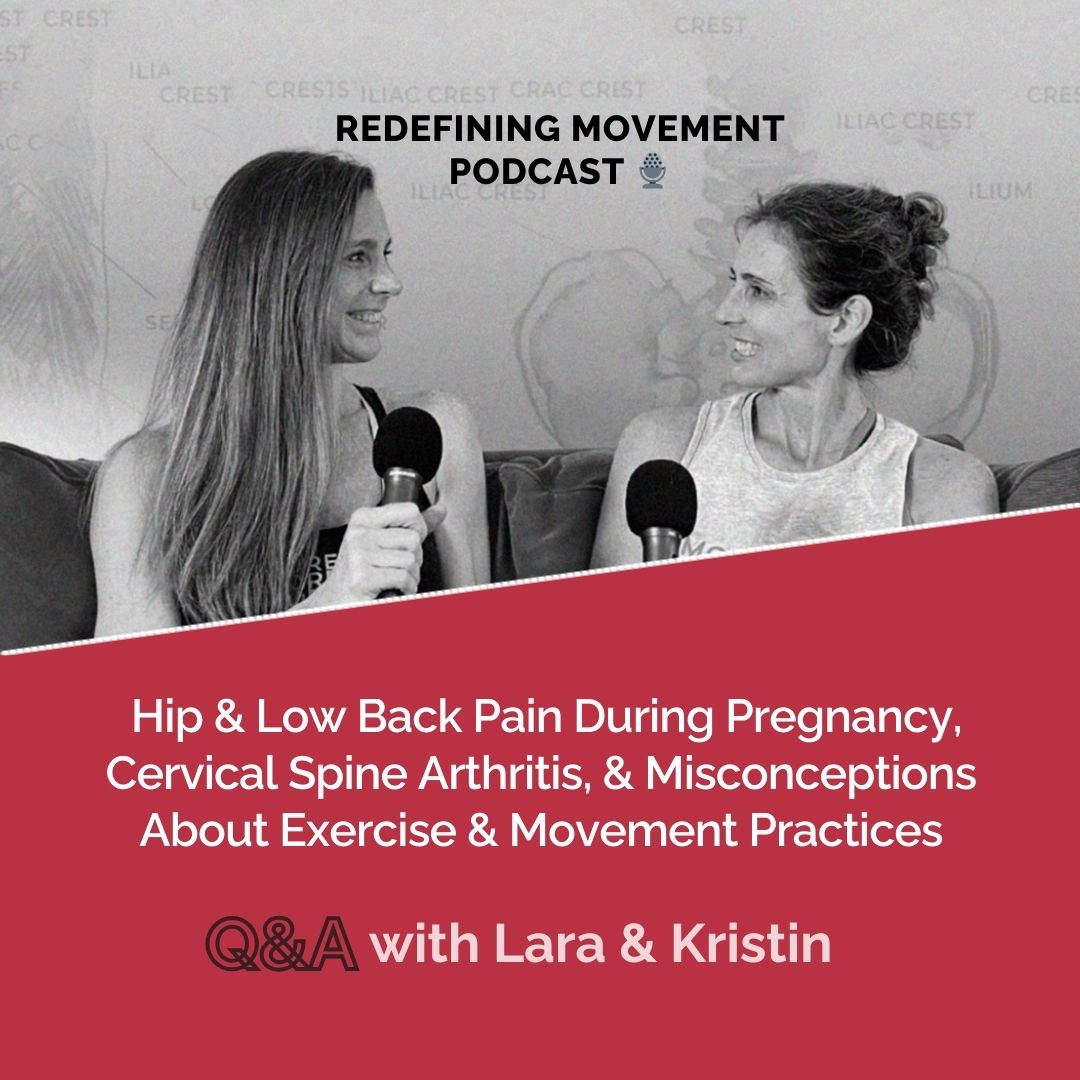
    717. Wednesday Q&A: Hip & Low Back Pain During Pregnancy, Cervical Spine Arthritis, & Misconceptions About Exercise & Movement Practices


    Welcome to Wednesday Q&A, where you ask questions and we answer them!


    In this Wednesday Q&A, we answer your questions about hip and low back pain during pregnancy, cervical spine arthritis, and misconceptions about exercise and movement practices.


    Your questions:

    • Any suggestions for hip and low back pain during pregnancy? I’m in my 4th month and the pain gets worse from sitting for too long but also from working out. I’m keeping my exercise routine light and easy but the pain flares up, specifically on one side. Yoga, stretching, and even walking doesn’t feel as good as pre-pregnancy because I lost my body and movement awareness. Thanks!
    • A long-term yogi & friend (mid-60s) has recently been diagnosed with arthritis in her cervical spine, C2-C5. She has a fair bit of pain & is careful what she does in our LYT classes. In your opinion is there anything that I can do to help her?
    • What are some common misconceptions about exercise and movement practices?


    To learn more, and for the complete show notes, visit: lytyoga.com/blog/category/podcasts/


    Do you have a question?


    Sponsors:

  • 716. Deep Dive: Navigating the Postnatal Period

    716. Deep Dive: Navigating the Postnatal Period


    Join Lara Heimann and Kristin Williams for a deep dive into the postnatal period from a physical therapist and movement perspective! 


    In this episode, they discuss:

    • common changes that occur post-pregnancy
    • challenges and fears that new mothers face regarding their body’s changes and potential issues after giving birth
    • the importance of postural awareness and retraining in addressing core strength and stability, particularly after pregnancy
    • advice on returning to cardio activities such as running or jumping after childbirth
    • the importance of self-care for mothers


    To learn more, and for the complete show notes, visit: lytyoga.com/blog/category/podcasts/


    Do you have a question?


    Sponsors:

  • 720. Wednesday Q&A: Goddess Pose, Playground Movement, and Stress Relief

    720. Wednesday Q&A: Goddess Pose, Playground Movement, and Stress Relief


    In this Wednesday Q&A, we’re chatting about how to modify goddess pose for an anterior tilted pelvis, figuring out how you move differently to be fit and functional, and advising you on making movement work throughout the day. 


    Connect with Lara Heimann, The Redefining Movement Podcast, and LYT Daily:


    Today’s podcast sponsor:

    Herbal Face Food – Tighten your skin and reverse sun damage with this vegan and organic potion! Enter code LARA20 at checkout for 20% off.


    Follow the podcast:

  • Self-Care After An Injury

    Self-Care After An Injury

    When I started college, I had no idea what a physical therapist was or what they did. Sure I’d had some injuries in high school, but nothing that required rehabilitation. It wasn’t until I started having recurring injuries in college track and began seeing multiple athletic trainers and orthopedic doctors that I finally landed myself in a physical therapy clinic…and completely changed the trajectory of my life. I love being a physical therapist. I love that I can help heal peoples’ injuries and get them back on their feet the same way a PT many years ago did for me. But one of the things I love the most is knowing how to care for myself and not feeling helpless after an injury because I’m confident in the body’s ability to heal itself through self-administered therapeutic interventions and good movement. As a result, I have less fear of when pain happens in my own body. 


    Over the years, I’ve found that fear secondary to pain is one of the biggest limiting factors in one’s ability to recover after an injury. This fear can include wondering whether it will end, what is causing it, how much damage there is, and if movement will make it worse. These thoughts, beliefs, and expectations are important modulators of pain and can significantly affect one’s recovery from injury. While many people consider pain to be a physical response from the body, it is actually a response from the brain with both sensory and emotional components. When the brain processes a noxious stimulus from the body (sensory input) like a sprained ligament or torn muscle, how we experience that pain is shaped and influenced by previous experiences and how we react to them (emotional input). Anxiety, fear, and hyperfocusing on one’s symptoms can increase pain, while positive expectations and emotions can decrease pain. So one of the first things I tell my patients and myself after an injury is that it’s going to be okay. The body has an amazing ability to heal itself if we just put it in the proper environment to do so.


    Once we develop a more positive relationship with pain after an injury, we can consider it simply information from the brain. It’s our body’s way of telling us that something we’ve been doing isn’t working for this area of our body and we need to make a change. In many cases, that change does not include stopping everything altogether. Unless a bone is broken, I rarely recommend complete rest. Let pain or an injury be your opportunity to look closely at the way you move. Some simple strategies I use include the following:

    1. Observe how you’re moving, what might not be pulling its weight, and why this area is the victim of your mechanics. 
    2. Assess the range of motion and strength of the area that is injured and compare it to the other side. Do the same thing for joints that are nearby. For example, if you’ve hurt your knee, check out the knees but also look at the hips and ankles. If you’ve hurt your lower back, examine how your hips, pelvis, and ribs are moving. There’s a good chance that the injured area is overworking for an underperforming adjacent area. 
    3. Examine how you’re holding your entire skeleton (full body posture) throughout the day and if that may be impacting the injured area as well. Taking a holistic look at an injury is not only the best approach, but also helps the brain to tune into the body in a more objective manner (less emotion) and retrain suboptimal movement patterns to reduce the chance of further injury. 


    Once you’ve done your self-assessment, movement is the medicine. In essence, we want to stretch what’s tight, strengthen what’s weak, mobilize what’s stiff, and stabilize what’s hypermobile. If you find issues in areas away from the injured site that are underperforming, strengthen and/or mobilize them. Doing so will help you take demand off the injured area and the body will give a big sigh of relief. If you find deficits in the area of the injury, I don’t recommend a “no pain, no gain” mantra, but let pain be the guide. Working into significant pain or discomfort is likely to irritate an injury and prolong recovery. I give my patients/clients a simple analogy to follow which I call the “stoplight rule”. Green is no pain, yellow is mild to moderate discomfort, and red is significant or wincing-type pain. A nice mix of exercises that strengthen and mobilize in the green and yellow range seems to work best. Doing only green light exercises may not adequately restore full joint range and muscle function, which can prolong recovery and even create compensatory movement patterns. Exploring into those areas of yellow light movements and exercise not only works into fuller and more pre-injury ranges of motion, but also helps the brain to understand that the body is safe, allowing healing to occur quicker. Moderation is key and more is not better. Although working with a physical therapist or highly qualified movement specialist is often recommended with more severe injuries, don’t forget that the body is a great healer in and of itself. Try it out on your own and if that doesn’t work, seek the help of a qualified professional. 


    On the LYT Daily, we have TONS of short videos with drills and flows addressing a variety of injuries right at your fingertips. Many of the things in these classes are what we do to heal ourselves and they work! Overcoming fear is the first step. Education is paramount. Movement is medicine. Until then, I’ll see you on the mat!


    Xoxo,

    Kristin