Category: Podcasts

  • 29 | FIRST WORDS AFTER 2 WEEKS IN NOBLE SILENCE (PART II) | WITH MARK HEIMANN

    29 | FIRST WORDS AFTER 2 WEEKS IN NOBLE SILENCE (PART II) | WITH MARK HEIMANN

    Welcome back to part 2 of my interview with my husband, Mark, after his return from his silent retreat! If you haven’t listened to his original episode (episode 19!) on the podcast, be sure to, as Mark explains the reasoning behind taking this silent retreat. Today we all get to hear the result of the cliffhanger that Mark left us all on at the end of part 1 of his interview. I promise you that you won’t see this coming!


    Resources:

  • 28 | First Words After 2 Weeks In Noble Silence (Part I) | with Mark Heimann

    28 | First Words After 2 Weeks In Noble Silence (Part I) | with Mark Heimann

    Today I am joined by my husband, Mark, after his 2 weeks of total silence! If you haven’t listened to his original episode (episode 19!) on the podcast, be sure to, as Mark explains the reasoning behind taking this silent retreat. He has yet to speak, so today’s episode will be an exciting and emotional one as we hear all about his experience and what he learned while in silence!


    In our conversation, Mark shares the first few days of his silence before he began his retreat, and how easy it was for him to slip into not speaking, but the trouble he had with meditation. Mark also shares why he think silence and taking time to be just with yourself is so important.

    We’ll also learn about what the retreat itself was like, from the lodging to the meals, and the way he managed silence around others for 10 days straight. Listen to part 2 of Mark breaking the silence to hear the rest of his amazing retreat!


    Can you guess what happened? Email me your guess at podcast@movementbylara.com and three people with the correct answer will get three months of LYT Daily Classes free!


    Resources:

  • 27 | The Anatomy of Energy

    27 | The Anatomy of Energy

    ENERGY. You hear me say this word a lot so today’s episode is dedicated to it. I use it often in my own practice and understanding, but it’s also used in so many other ways. Almost anywhere you look, the term “energy” is everywhere; people want more of it. Today, I’d like to explain more of the science part of energy, the terms and how it can be affected by our movement.

    There are many forms of energy that are measured:

    • Electromagnetic
    • Thermal
    • Elastic
    • Kinetic
    • Piezoelectric
    • Sound
    • Vibrational
    • Light

    Today we are going to dive deep into the science behind energy, using the types of energy above to add depth to our knowledge and how they apply to movement.

    What are some ways that we can change the way we feel, based on the movement we choose?

    We know that the information from our body travels on different frequencies, and that the information will affect our behaviour, we are essentially tuning forks. To find our clearest, strongest vibration, we need to move in multiple directions. Pay attention to how you’re moving.

    If you feel low energy in your body, stand up and place your arms overhead. Tighten your core, and feel the floor beneath you. Stand here for a few minutes and think about the currents of energy. Imagine the weaving matrix, feel the connection throughout your body. Do you notice a dull feeling in a place? Tighten around this area.  

    Resources:

  • 26 | Yoga Class for Text Neck

    26 | Yoga Class for Text Neck

    Today’s episode is a mini yoga class – designed to help prevent and overcome text neck! I’m sharing the first 15 minutes of my “Free the Neck” class, which is out today to my LYT Daily subscribers on movementbylara.vhx.tv This episode is the “reset” portion of the class, which covers core and developmental work to prepare our body for bigger movement and find more freedom. Roll out your mat and enjoy!

    Resources:

  • 25 | Sustainability

    25 | Sustainability

    Today is in uplifting, but serious topic about the concept of sustainability. This topic came up because my daughter was writing an essay and wasn’t sure which relevant topic in today’s news she should write about. I mentioned sustainability because of a study done recently about our efforts in sustainability being not that great. The study stated that we have about 15 years to really fix things before global warming gets past the point of no return. I thought it would be great to talk about this on today’s episode because I talk about sustainable movement on the mat, and living on and off the mat in a sustainable way.

    What is sustainability?

    The ability to be maintained at a certain rate or level.

    How do we stay present and also  think about the impact we have on the future?

    Isn’t it interesting how we don’t really think of how our actions now are already affecting the future? This goes for everything from emotions and credit card debts, to environmental impact and beyond.

    How can we be sustainable in yoga with our movement?

    We need to think about our ranges of motion, because we don’t want to cause damage to our bodies by going outside of our range. When you keep pushing to your end range, you are dulling your receptors, and they eventually won’t be able to warn you when you’re close to being injured.

    How do we pay attention to sustainability in our lives?

    Think of this as a calling, not a burden. This could be an incredible time in history if we all decide to do better and be better with sustainability.

    Here’s what I’m working on:

    • Rewiring some of my habits
    • Less plastics
    • Paying attention to labels
    • Using my voice and vote


    Resources:

  • 24 | The Intricacies of Shoulder Movement | with John Frank, PT

    24 | The Intricacies of Shoulder Movement | with John Frank, PT

    Today my brother, John Frank, is back to discuss the shoulder complex. John is a physical therapist, athlete, and fellow lover of movement. So often, we think that the shoulder is simple, but the shoulder is, in fact, quite complicated!

    When you see people, what are the main complaints people have in their shoulders?

    The complaint usually comes from the front and / or top of the shoulder, so your bicep or your rotator cuff. There is never a blanket diagnosis, because the shoulder is so intricate. When you have pain when reaching overhead, you have to look at the whole complex of the shoulder, not just one place.

    What is a good exercise that would help people re-educate their range of shoulder motions between the different parts?

    Face a wall and put your arms overhead, and move the arms slightly out to the sides. Relax the arms completely, and pretend as though someone took their fingers on the lower part of your shoulder blade, moving it upwards. Be sure to keep your neck neutral in this position.

    What do you see in the shoulder when people have a sloped shoulder? Is this something that can be helped?

    Even though there are a lot of genetic features, a sloped shoulder is mostly acquired. The top of the shoulder blade and the bottom of the shoulder blade should be pointing straight down as vertical, parallel to the spine. People with sloped shoulders tend to have pain in their necks as well as tingling down the arm.

    What can people with sloped shoulders, or conditions like that, do?

    Definitely do the wall exercise described above, but also look at your posture. Shrugging the shoulders, and even raising the arms above the head periodically can help as well.

    Resources:
  • 23 | Growth Mindset

    23 | Growth Mindset


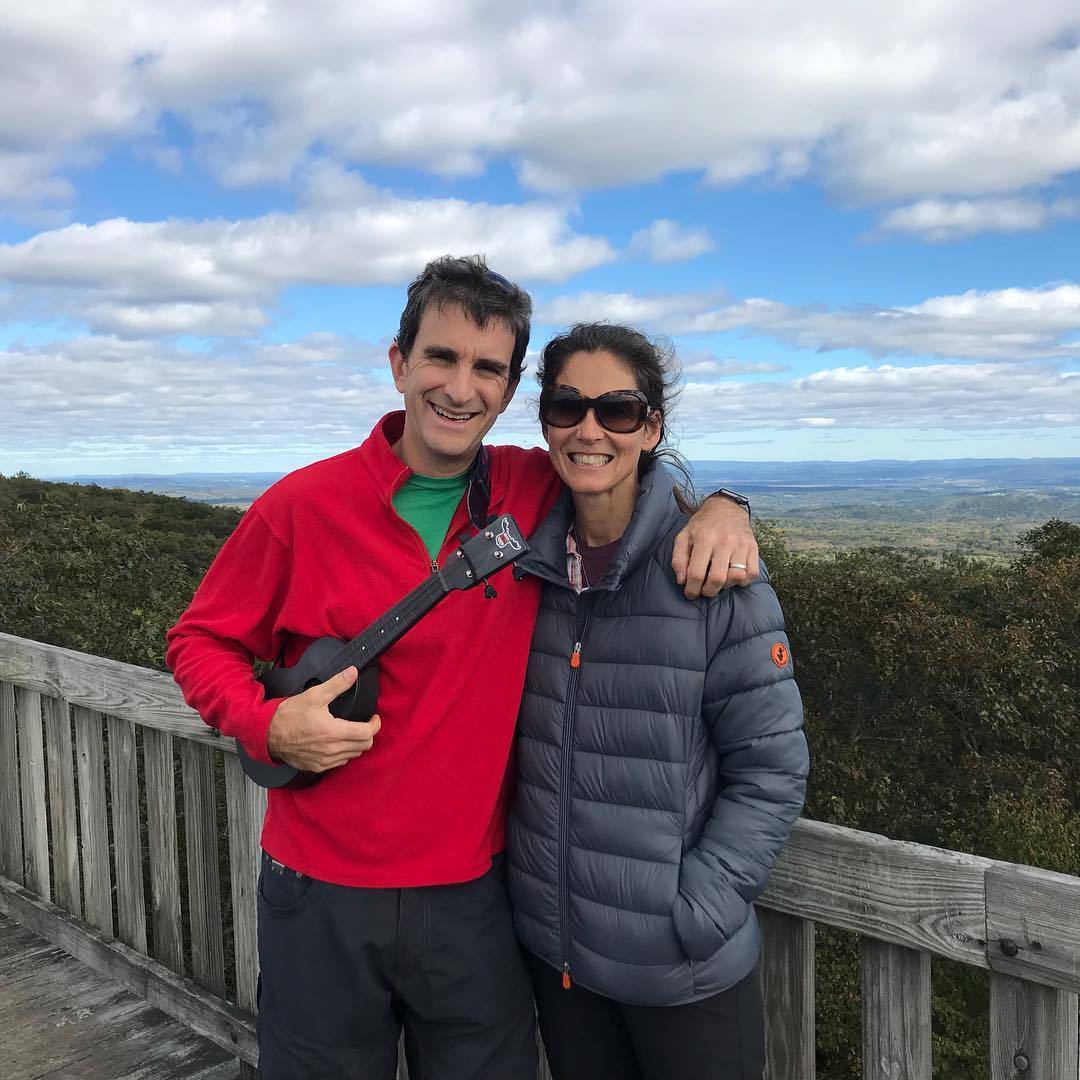
    Today I’m talking all about growth mindset, and what better way to grow than to grow within your body and change your movement patterns? In some form or another, I’m always speaking about growth. My husband is currently in the midst of a 10 day silent retreat, and I’m realizing just how much growth that is going to help him grow. Today I’m going to share what growth is, and why it’s so important that we all experience growth in our lives.

    Why do we have to grow?


    There is always something that we can tinker with and change. It comes down to mindset; are you positively looking for growth, or are you negatively focused on growth? If we do not grow, we are forcing ourselves to remain more stagnant.

    What helps promote growth?


    Small habits that we do over and over again, each day, are what helps us grow. For me, movement is something I constantly do, and it helps me grow.

    For growth to happen, you need…

    1. Certainty
    2. Uncertainty
    3. Reward


    Resources:

  • 22 | Why I Never Teach Seated Forward Folds

    22 | Why I Never Teach Seated Forward Folds

    Today I am discussing the forward fold! Seated forward folds specifically are a move that I do not do, nor do I teach, and today we are going to explore why. Yogi or not, this episode will be very beneficial to listen to, as I explain my movement patterns outside of my studio and off the mat as well.

    Resources: