Category: Podcasts

  • 45 | Don’t Be Your Diagnosis

    45 | Don’t Be Your Diagnosis

    In today’s episode we are discussing the importance around not being solely identified by your diagnosis. I grew up in the medical world, and am still a part of the medial world, and know that we get diagnoses all the time. Receiving a diagnosis is a big deal, but allowing that new information to recreate your identity is not something I recommend.


    A treatment center I used to work at had the really great habit of keeping the patient as the patient, and the symptom as the symptom, and not calling the patient by the symptom they experienced or by the diagnosis they were given.


    Why should you detach from the diagnosis?


    This has been studied across the board that by separating your being from the diagnosis, it can be incredibly empowering. Instead of this identity, I suggest working on creating more awareness and compassion for ourselves in our mind, body, and spirit.


    Resources:

    Today’s episode is sponsored my LYT Daily online yoga classes. This is an exclusive pass into my personal practice and program that I created from my experience as a physical therapist and 20 years developing my LYT yoga methodology. There is a different class with me everyday – including special monthly live streams – so you can feel your most LYT up – anytime and anywhere. Get a 3 day free trial today by going to movementbylara.com and clicking “daily classes.” Let’s get moving!
  • 44 | The Core Challenges of Chaturanga

    44 | The Core Challenges of Chaturanga

    In today’s episode we are talking all about the chaturanga, and I am so excited! The chaturanga is a major component of Ashtanga, Vinyasa, and truly any power yoga class. The reason for this episode is because the pose itself has become a pretty interesting conversational topic over the years, and I want to shed some informed light on it.


    What is chaturanga?


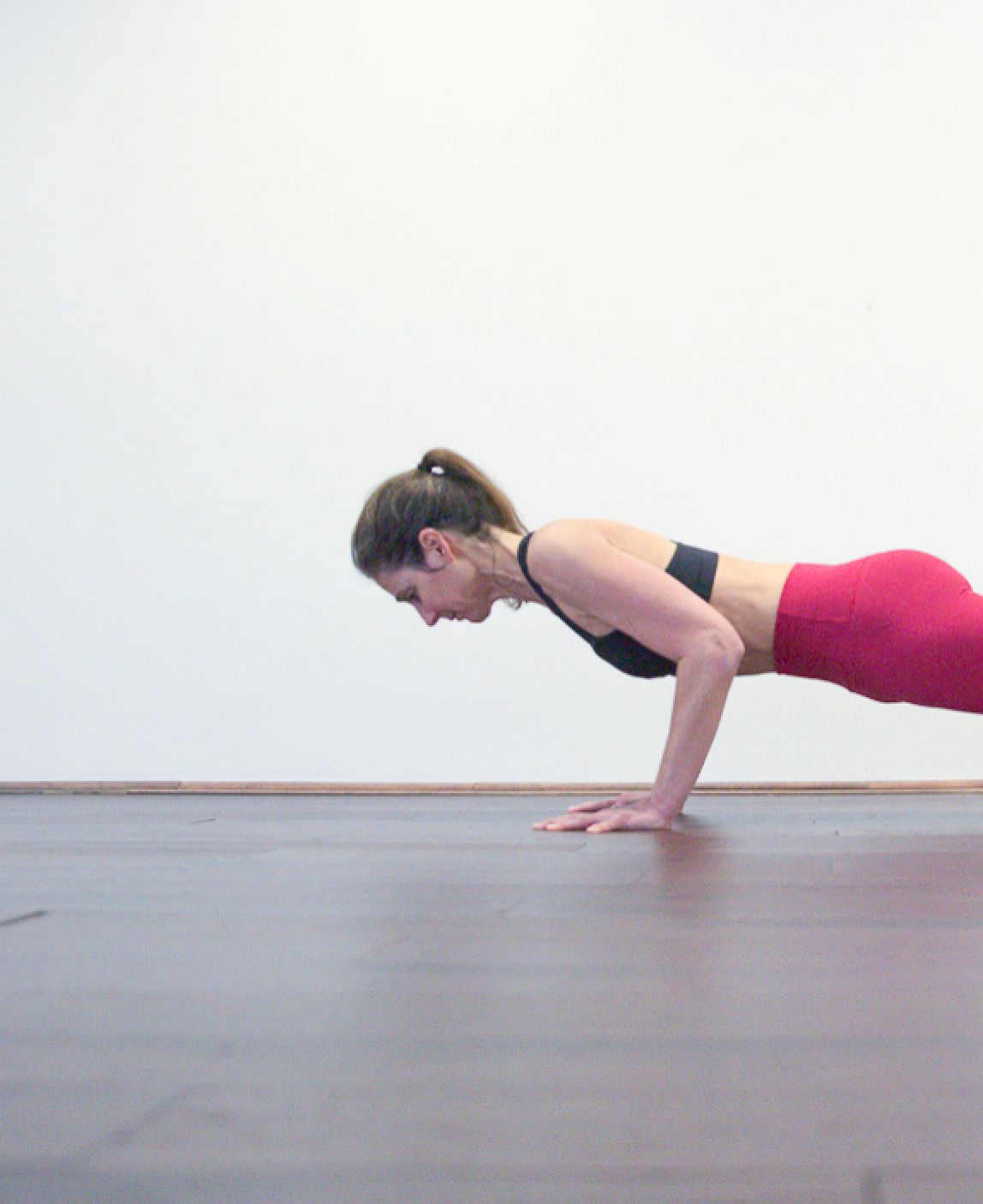
    The English name of chauranga is “four limbed staff pose,” but chaturanga is just more fun to say! When performed correctly, the body does look like a staff. This pose is powerful. When people say that they aren’t good at doing this pose, I really think they need to dig into why they feel this way; usually it comes down to flexibility and strength.


    How can this be remedied?


    As teachers and practitioners, we need to be teaching a few things, and one being that this pose is not necessary. If chaturanga is something that will be a pose within your sequence, then you need to offer a great guide to help students, and to also be okay with modifications and the language around them.


    What am I seeing that is hurting more than helping?


    Tipping center mass is a smart strategy, because you aren’t working as hard, but it can be damaging to your shoulders and possibly for your low back. I’m also seeing people over-squeezing their elbows in towards their ribs, which internally rolls your shoulders down– not what you want to do!


    Why are people shifting forward to lower from plank?


    Many classes will have you jump directly into chaturanga because it’s healthier than jumping back into plank because your back could be injured. I’ve also seen this be taught where you walk or jump into plank, and then shift forward before you lower. This is because you are supposed to be keeping your elbows in line with your wrist, and this sequence forms a ninety degree angle.


    Neither of these sequences make sense to me– jumping right into chaturanga loses a lot of value. Being able to jump back and lower is a really adaptable move in a few ways, and it causes you to lose potential as well as creating a lot of demand on the front of your shoulder.


    How do I teach chaturanga?


    Keep a neutral spine the entire way, bring your hands directly under your shoulders, then walk or jump back and lower. In this lowering, your triceps are getting a chance to decelerate, and your seradius a chance to also eccentrically contract.


    Practice this:

    Bring your hands under your shoulders, walking your feet back without moving the shoulders. Once here, ensure your spine feels like it’s in the long, staff-like position, and lift up. Bend the elbows and lower until your elbows are around the same line as your shoulders. See if you can hold this before lowering to the floor. If this is too difficult, lower your knees first.


    Resources:

    Today’s episode is sponsored my LYT Daily online yoga classes. This is an exclusive pass into my personal practice and program that I created from my experience as a physical therapist and 20 years developing my LYT yoga methodology. There is a different class with me everyday – including special monthly live streams – so you can feel your most LYT up – anytime and anywhere. Get a 3 day free trial today by going to movementbylara.com and clicking “daily classes.” Let’s get moving!

  • 43 | How To Be Present

    43 | How To Be Present

    In today’s episode, I think it’s important we talk about being present. I wanted to offer ways that I stay present, and why I find it so important to do so. Being present is something I believe every person struggles with, because we are constantly thinking of something in the future, or dwelling on something from the past.


    • P: Pause
    • R: Reminder
    • E: Eyes up
    • S: Sweat
    • E: Ears open
    • N: Nature
    • T: Take a breath


    Resources:

    Today’s episode is sponsored my LYT Daily online yoga classes. This is an exclusive pass into my personal practice and program that I created from my experience as a physical therapist and 20 years developing my LYT yoga methodology. There is a different class with me everyday – including special monthly live streams – so you can feel your most LYT up – anytime and anywhere. Get a 3 day free trial today by going to movementbylara.com and clicking “daily classes.” Let’s get moving!
  • 42 | Why Plyo

    42 | Why Plyo

    In today’s solo episode we are going to discuss plyometrics. Maybe you’ve heard of it before, maybe you haven’t; it’s a type of exercise that I try to implement every single day in my classes. Plyometrics, also known as Plyo, is a little different from other forms of movement as they are quick exercises designed to increase speed and power.


    What types of exercises are plyo?


    I tend to think of the exercises that involve some kind of jumping, leaving the ground and coming back down. This type of exercise was actually originally called jump training!


    Plyometrics involves different kinds of muscular contractions.

    1. Concentrate contractions
    2. Eccentric contractions

    The goal with plyo is to decrease the amount of time in between these two movement contractions so that you become faster and stronger.


    Why did I start incorporating plyometrics in my own movement practice?


    Efficiency. Prior to adding plyo in, I was spending a lot of time rounding out my movement practice.


    Why are plyometrics so great?

    • You’ll become more adaptable in your muscle, and in your neural-firing.
    • It increases the strength of your muscles as well as the strength of your bone matrix.
    • You’ll get a huge increase in cardiovascular demand.
    • It’s FUN!


    Resources:

    Today’s episode is sponsored my LYT Daily online yoga classes. This is an exclusive pass into my personal practice and program that I created from my experience as a physical therapist and 20 years developing my LYT yoga methodology. There is a different class with me everyday – including special monthly live streams – so you can feel your most LYT up – anytime and anywhere. Get a 3 day free trial today by going to movementbylara.com and clicking “daily classes.” Let’s get moving!
  • 41 | Meditation & Marriage | with Mark Heimann

    41 | Meditation & Marriage | with Mark Heimann

    My favorite podcast guest, my husband Mark, is back on today to talk about his meditation practice, other interests that he has, and our challenges within marriage. Be sure to listen to his past episodes on his journey through a silent retreat (28 + 29)!


    What kind of resolution did you have after your silent retreat?


    After everything that happened, I did have the chance to speak with the people putting on the silent retreat. I gave them the opportunity to reflect on their actions, and they decided to not take any responsibility.


    How has a regular meditation practice helped you deal with this differently?


    I feel like I’m more calm and handling situations differently than I believe that I would have prior to me starting my meditation practice. This experience highlighted to me that just because people are in authority positions, it doesn’t mean we need to give them power. We need to still look at things critically and trust what our inner voice is saying.


    When you feel like you’re hitting a plateau in something, how do you get yourself out of it?


    When I’m in a funk, I want to volunteer or do something for others. I like to give, and I like to give big.


    How do you find that we deal with parenting and its challenges?


    We are in such a good place on most all of the topics that marriages struggle with, but we were brought up differently and that creates different ways of parenting. When it hasn’t been well, it’s because we haven’t communicated, or boosted each other up.


    Resources:

    Today’s episode is sponsored my LYT Daily online yoga classes. This is an exclusive pass into my personal practice and program that I created from my experience as a physical therapist and 20 years developing my LYT yoga methodology. There is a different class with me everyday – including special monthly live streams – so you can feel your most LYT up – anytime and anywhere. Get a 3 day free trial today by going to movementbylara.com and clicking “daily classes.” Let’s get moving!
  • 40 | Facts About Fascia

    40 | Facts About Fascia

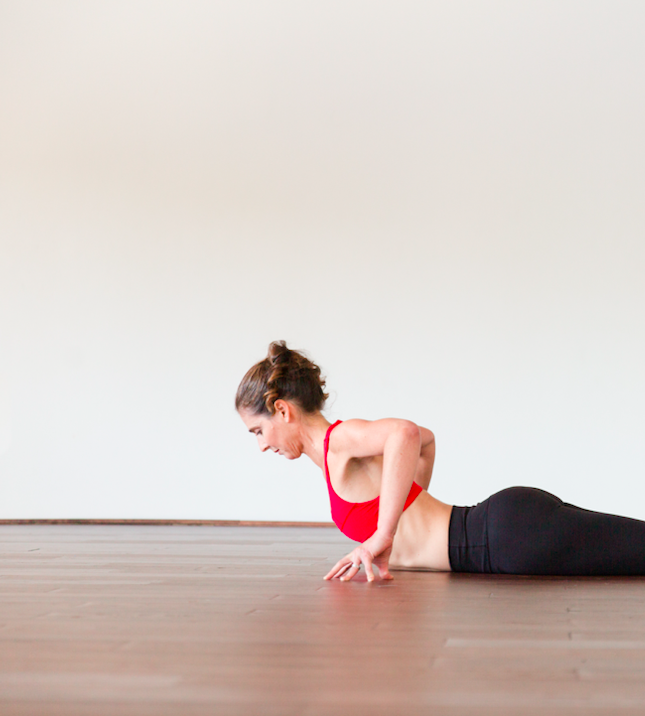
    In today’s episode, we are going to be talking about a very trendy word: fascia! We are seeing fascia in all different wellness realms, from fascia blasters to rollers, it’s easy to get lost in it all. Today I want to break down fascia from a physical therapist view, and also in a personal movement educator standpoint.


    F: Fascia is a fibrous connective tissue; it’s also fluid.

    A: Attaching everywhere

    S: Supple spiderweb system

    C: Communicator– within the connections, there are receptors that communicate

    I: Intersection (between science and voodoo)

    A: Adaptable


    What has worked universally for those who have a malady in their feet or calves?

    Working on getting your fascia more adaptable is extremely important!


    Help with lumbar fascia:

    Rather than doing plow pose, place your weight the opposite way. Put the weight into your feet, bend your knees, lay your belly on your thighs, and let your head release.


    Resources:

    Today’s episode is sponsored my LYT Daily online yoga classes. This is an exclusive pass into my personal practice and program that I created from my experience as a physical therapist and 20 years developing my LYT yoga methodology. There is a different class with me everyday – including special monthly live streams – so you can feel your most LYT up – anytime and anywhere. Get a 3 day free trial today by going to movementbylara.com and clicking “daily classes.” Let’s get moving!
  • 39 | The Secret Sauce

    39 | The Secret Sauce

    Today’s episode is titled “The Secret Sauce” because I’ve noticed a pattern with most all of the people I work with, both in yoga students and in physical therapy; people want to know the key to optimizing performance. When I am working with anyone, no matter at what level, I am sure that I’m always using the secret sauce. Listen in to find out just what the secret sauce is, and how you can use it to achieve your optimal health and performance levels!


    So what is the secret sauce?


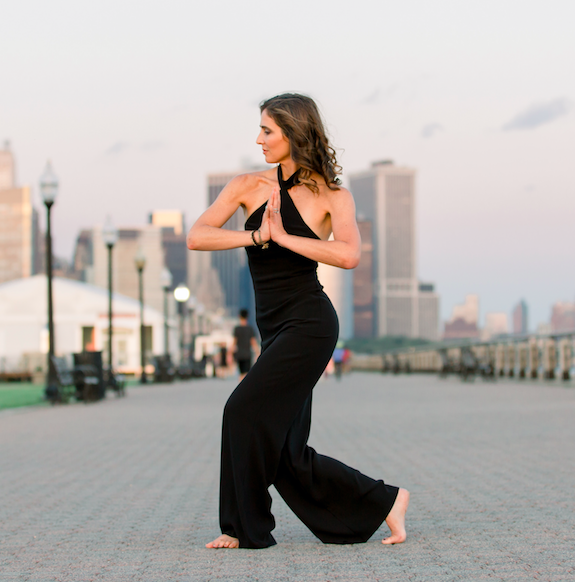
    For all types of movement, this secret sauce is knowing how to mobilize your hips well. It’s that simple! Mobility in the hip joint is hugely important, and how you move in the hip joint creates a cascading effect throughout the rest of your body.


    Where is your hip joint?


    It’s located right where your femur meets your pelvis. Though a lot of people interchange movement of the pelvis with movement of the hip, they are very different.


    What does it mean to have your “glutes snoozing”?


    This subject is difficult because there are conflicting conversations around whether or not your glutes can fully turn off. I do see it in my work though, and it’s not that people don’t have glute strength, it’s that the neural firing is no there. I believe this has a lot to do with the position of the pelvis, as well as the lifestyles we lead.


    Here’s what I recommend:


    Stand against a wall so that you feel aligned upright. The primary curves of your body (skull, skapula, sacrum) should all be on the wall. Come away from the wall, but maintain this alignment. Slide your hands down to your ankles, bending your knees, and now slide back up. Don’t move your chin up!


    Resources:

    Today’s episode is sponsored my LYT Daily online yoga classes. This is an exclusive pass into my personal practice and program that I created from my experience as a physical therapist and 20 years developing my LYT yoga methodology. There is a different class with me everyday – including special monthly live streams – so you can feel your most LYT up – anytime and anywhere. Get a 3 day free trial today by going to movementbylara.com and clicking “daily classes.” Let’s get moving!
  • 38 | Thoracic Spine Mobility

    38 | Thoracic Spine Mobility

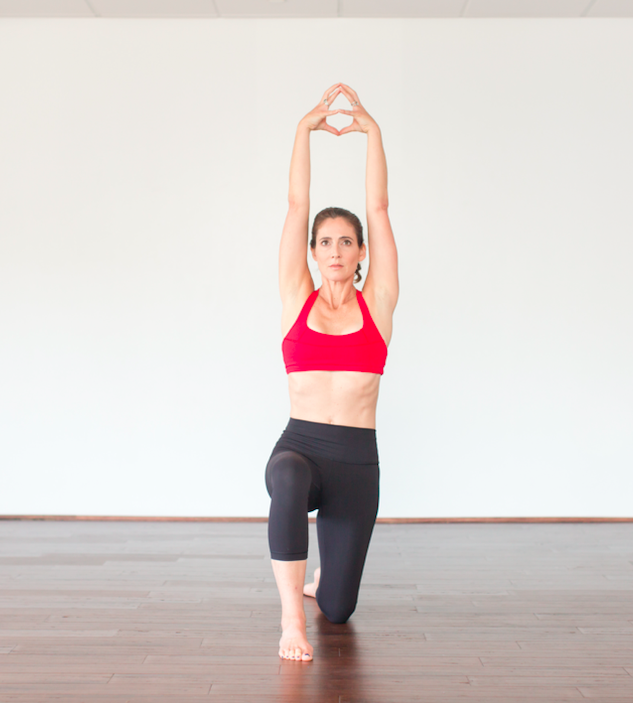
    In today’s solo episode, I’m talking about thoracic spine mobility, also known as t-spine mobility. The importance of this could not be emphasized enough– especially in our modern day yoga and lifestyle.


    What is t-spine mobility and why is it important?


    Thoracic spine is the area of the spine that is between the cervical spine and the lumbar spine. It is also the largest part of the spine! As we know, we spend a large amount of our lives sitting, and that can affect our posture poorly, which really affects our thoracic spine.


    What are the ranges of motion that are available in these areas, and what is locked down after sitting for so long?


    In both the cervical spine and the lumbar spine, there is a lot of AP range, so a lot of flexion and extension. The thoracic spine has less available rotation, and really is not made to twist or turn. This means that you are more limited in flexion and extension, but great rotation ranges. Feeling thoracic extension is important, because if we can’t feel that, our bodies will try to find it elsewhere and overcompensate, which isn’t good.


    What to do to better your t-spine mobility?


    Take a picture of yourself! You need to see what your really look like from the side, this will help you see where you need to work on your alignment and posture.


    To help:

    Come on to all fours with your hands underneath your shoulders, and knees under hips. Take your left hand and bring it behind your head, and your right hand is placed under your right shoulder. Lift the back of your skull up into your left hand without lifting your chin, as you inhale, push down with the right hand and turn your ribcage to the left. As you do this, your chest and arm will open up to the left, and then back down. Do this 10 times.


    Back down to all fours! Now we are going to do a blend of cobra/cat. On you inhale, drag your hands back towards your feet, pull the chest forward gently without lifting your chin. As you exhale, push the floor away and let the head drop down, and lift up to look like an angry halloween cat. Do this about 10 times.


    Resources:

    Today’s episode is sponsored my LYT Daily online yoga classes. This is an exclusive pass into my personal practice and program that I created from my experience as a physical therapist and 20 years developing my LYT yoga methodology. There is a different class with me everyday – including special monthly live streams – so you can feel your most LYT up – anytime and anywhere. Get a 3 day free trial today by going to movementbylara.com and clicking “daily classes.” Let’s get moving!