Category: Podcasts

  • 13 | More Core

    13 | More Core

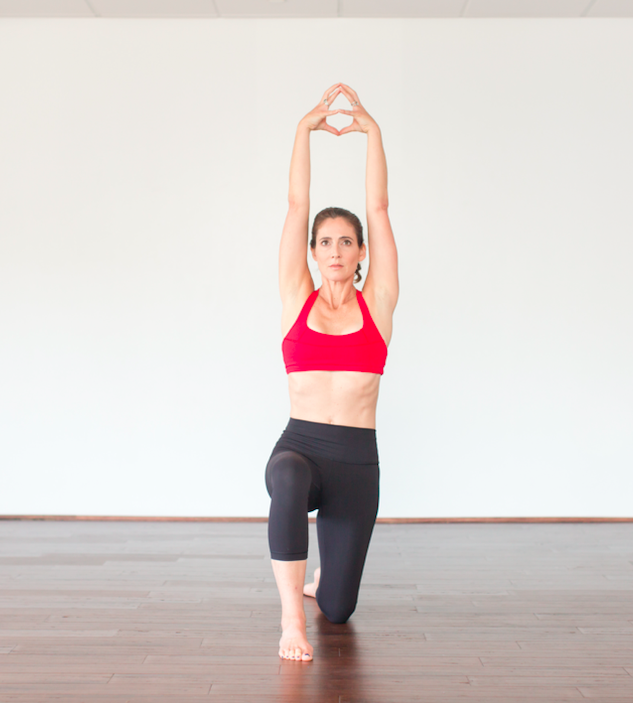
    Today we are going to be talking about one of my favorite phrases: more core. What does it mean, why is it so important, especially right now in this holiday season? The core is important for controlling, harnessing, and moving energy within the body, and the holiday season is one of the most important times to maintain your inner energy.

    What is the core?

    While most assume it’s just the abdominals, the core is truly a channel and conduit of renewable energy. It is the area of our body which houses our life. The core is important for controlling, harnessing, and moving energy within the body.

    Why is the core important?

    The core will allow you to move and breathe with ease and depth of breath, and without recognizing this, we do a disservice to most all functional and fitness practices. A stronger core also helps keep your stress levels lower–think about it, when you pay more attention to your breath, your cortisol levels are more controlled.

    What do you do?

    If possible, lie on your back with your knees bent and feet flat on the floor. Feel the imprint you are making on the floor. Take a few breathes in, and place your hands on the tops of your pelvis, with your fingers angling toward the pubic bone, and your thumbs near your navel. Pull all of this together as you exhale. When you have no breath left, pull that feeling down towards your back. Can you feel that sense of energy spreading?

    Deepen by pushing into your feet and pulling your body up into a low bend.

    Try this:

    Put your hands on your hips and imagine you are holding a basin filled with water. Tip your pelvis forward, and notice what is happening in your back body and your front. Repeat and tip your pelvis backwards. When you tip forward, your abdominals should become softer while your back muscles tighten, and the opposite should happen when you tip your basin back.

    This is to give you an idea of the relationship between your lower back and abdominals. Neither should be chronically tight or weak.

    Resources:


  • 12 | How to Reset During the Holidays

    12 | How to Reset During the Holidays

    With it being the day after Thanksgiving, we are talking about doing a post-Thanksgiving reset. Reset is an idea that we have these buttons within ourselves that we can press in order to start with a fresh plate.

    By having the option to press this nonexistent button, we don’t have to go through the processes of repatterning. Oftentimes, the holiday season tends to give us the “blues” which is caused by pressure, high expectations, and overindulgence.

    Reset Acronym:

    • R: Release
    • E: Exercise
    • S: Service
    • E: Evaluate
    • T: Thanks


  • 11 | Being a Badass

    11 | Being a Badass

    Today I am talking about being a badass! I wanted to share my acronym for what badass means to me, based off of a speech I created for International Women’s Day. It all starts with belief, and once you understand the power you have within your belief, your potential is unlimited.

    Badass Acronym:

    • B: Believing
    • A: Affirmations
    • D: Direct
    • A: Accept
    • S: Spirit – soul
    • S: Serve


  • 10 | Neutral Pelvis: The Secret to a Strong Yoga Practice & Life

    10 | Neutral Pelvis: The Secret to a Strong Yoga Practice & Life

    A neutral pelvis is so important for our movement patterns and for our energy level, and that’s why today’s episode is all about creating and maintaining a neutral pelvis.

    What does “pelvis” mean? Where is the pelvis?

    In Latin, pelvis translates to “acetabulum” meaning, basin.

    The pelvis is where your lower limbs come up and meet at the hip joint. The illium, the pubic bone, the sacrum, and the tailbone all meet to create the pelvis. The tailbone actually serves as an attachment point for the lower muscular system.

    What is a neutral pelvis?

    The pelvis provides the foundation for the spine. When thinking about energy exchange and how we hold onto energy within the body, a neutral pelvis is fundamental for that. If you go against a wall and find your sacrum, pushing that against the wall will help you see where your pelvis aligns. If you find that it’s difficult, this probably means the front of your hip is tight and you have an anterior tilt.

    Why is it important?

    A neutral pelvis is important in supporting the spine, this way no excessive strain is placed on your spinal cord. It is also important for proper joint movement, and fundamental for taking big, deep breaths.

    Neutral Acronym:

    • N: Neck in line
    • E: Elongate
    • U: Un-clench your jaw
    • T: Tailbone down
    • R: Ribs broaden
    • A: Abdominals drawn together
    • L: Line between the pubic bone and tailbone


  • 9 | From Scrolling to Soaring: Building Your Motivation Muscle

    9 | From Scrolling to Soaring: Building Your Motivation Muscle

    Today is all about motivation! Are you motivated to learn about motivation?

    The key for motivation, as I have learned over the years, is different for everyone. We all have these desires to become more motivated, whether it’s to get healthier, write a book, or start a new practice.

    Motivation is defined as:

    • A reason or reasons for acting or behaving in a particular way
    • A desire or willingness to do something; enthusiasm

    What makes us feel unmotivated?

    When we feel unmotivated, we often feel stuck. I think they have to do with basic Newton’s Law — things at rest want to stay at rest. Before the days of handheld electronics, this would happen when sitting down to watch TV, where now we can lose two hours by scrolling on our phones.

    Change of seasons can also affect our level of motivation, for better or for worse. When it’s cold outside, we tend to have a desire to stay indoors. Changing locations, schedules, and jobs can also really affect us as well.

    What are the ways to start getting motivated?

    Motivation is a muscle! It has to be worked.

    • Start small by setting accomplishable goals.
    • Write it down! Putting pen to paper helps you wire your goals into your brain.
    • Make yourself accountable by sharing your goals with a friend, a partner, or family member.
    • Visualize the results of your goal.

    How do we get there?

    People ask me all the time how do I stay motivated in my movement practice when I’m feeling lethargic, so I’m going to base my example off of movement, but this can be applied to anything.

    To set yourself up for success, you have to develop a routine.

    You really need to keep in mind why you are setting the goals that you have, because if they are not your goals, you won’t feel as connected to creating the routine necessary to achieve them.

    Where will I find the time?

    This is why creating a routine/schedule is so important, because you can see where you have time and what kind of time you have for these goals. If you don’t have an hour, see where you can find just ten minutes.

    “It does not matter how slowly you go, as long as you do not stop.” – Confucius

  • 8 | What The Health | with Eunice Wong

    8 | What The Health | with Eunice Wong

    Today I am joined by my dear friend, Eunice Wong, who is also a yoga teacher at my studio. Eunice is just brilliant, and today we discuss her path into veganism and yoga, among other great topics.

    Eunice is also the author of What The Health, a book that deep dives into what we eat in our modern day lifestyle, and a compliment to the documentary. She is also known for her acting, was trained at Juilliard, and has appeared in various films and on multiple stages. I personally can’t wait for you to hear this great conversation that Eunice and I have. She truly is an incredible woman!

    How did Eunice discover yoga and how has it impacted her?

    “I had been interested in movement for a very long time.”

    Eunice had a difficult time getting out of her own head, but once she discovered that movement was her way of doing so, she couldn’t stop. Ashtanga was the first class that Eunice took, and is what she continued to do for almost 15 years prior to being introduced to any other style. Eunice believes that yoga has allowed her to remember different life experiences that she may have forgotten, or that her body has since stored away. On top of that, she appreciates that a yoga practice has helped remind her of the importance of the breath.

    How did yoga help you deepen your connection to your inner self?

    Nonviolence is the number one foundational bedrock of a true yoga practice, and Eunice learned this through taking teacher training with me. Eunice says, “You invited us to look deeper,” in food, society, what we put in to our lives. Eunice believes that this depth of a basic yogic principle truly changed the way she looked at all things, but mainly her love of all things environmental. Once this opened up in her inner self, Eunice hit the ground running with writing books and doing research on all that intrigued her, from agriculture to global warming.

    What do you say to people who bring up “humanely raised” animals?

    There’s no regulation on the labels like “free range” or “all natural” and Eunice can’t stress the importance of this enough. She says, “The labels are there to make consumers feel better about buying that product.” Eunice goes on to describe that “grass fed” meat is actually worse for the environment than you know. She shares a book she read, Never Let Me Go, that she believes is a fabulous analogy to raising animals today. There are so many marketing projects supported by the government to push the sales of animal consumption, creating this symbiotic relationship, which in turn protects the companies and industries.

    What does true health look like to you?

    “I think true health is being your most vibrant and your strongest self without any obstructions or limitations.”

    Resources:

  • 7. Adaptability: Move Through Life With More Freedom

    7. Adaptability: Move Through Life With More Freedom


    In this episode, I discuss how we can all become more adaptable in our body, in our minds, and in our spirits so that we can move through life with more freedom.

    So what is adaptability and why is it so important?

    Adaptability is defined as…

    • the quality of being able to adjust to new conditions.
    • the capacity to be modified for a new use or purpose.

    What a great concept to incorporate into our lives!

    Really, adaptability is fundamental for our own personal growth – in our yoga practice, our movement practice, as human beings, and as members of society – because it allows us to change, morph, and evolve as the things we can’t control change around us.

    And because there is so much going on in the world and things seem to change faster with every passing day, adaptability is more necessary now than ever before.

    Neural Wiring

    When we start doing something new, we need to repeat it to make the wiring in our brain stronger.

    If you haven’t climbed on the monkey bars since you were a kid, or ever in your life, then your body and brain aren’t adapted to do that. The wiring in your brain isn’t very strong, and we have to think about this in relation to movement.

    But in addition to repeating movement, we also need to challenge ourselves to grow. Otherwise, we may stop being adaptable and become rigid.

    What helps us be more adaptable?

    First, open-mindedness.

    Now, this isn’t easy by any means, especially when it comes to the starkly divided political environment in the United States. It can be difficult to be tolerant and open-minded towards views when they don’t match their own, but that practice of tolerance will actually help everyone, in the long run, become more adaptable.

    Second, positivity. You can decide your outlook, to a certain degree. I know that thinking positively isn’t going to fix everything, and I’m not suggesting that positive thinking will overcome chemical imbalances or trauma, but too many of us get caught up in our own negative thoughts.

    Even going back to the mid-20th century and Norman Vincent Peale’s The Power of Positive Thinking, it has been studied and demonstrated that a positive attitude can lead to positive events in your life.

    Third, resilience, or your ability to bounce back. When you’re stuck in a rigid mindset, things just happen to you and they often stop you in your tracks – but when you are resilient, you can stumble and still move forward.

    Here are my favorite strategies for cultivating adaptability:

    • Observation. After we start observing ourselves and noticing when we feel tense, nervous, discontent, or grumpy, we can then figure out tools to help us.
    • Look for the gray and eliminate absolutes. Embrace the gray, find the colors that aren’t black and white, and look at things from a new perspective!
    • Connect to your core. Your core is who you are at your essence, and your core strength aligns you with your purpose and your core values and helps you cope better when things don’t go your way.
    • Embrace the new. This is always good for growth, even in small amounts.
    • Self-care. This can be really difficult for some people to think about and incorporate, but you can’t serve others or live life to its fullest without serving yourself first. You’re also more likely to feel good about yourself, which will help you engage in more positive emotions and improve your outlook on life! You can decide what this looks like for you, but it needs to incorporate movement because movement is always the pathway for adaptability.
    • Rewire your brain. We discussed how the neural wiring in our brain works already, but I want to emphasize how critical this is for cultivating adaptability in every area of your life.


    To learn more, and for the complete show notes, visit: lytyoga.com/blog/category/podcasts/


    Connect with LYT Yoga and Lara Heimann:

    Instagram Lara Heimann – https://www.instagram.com/lara.heimann/

    Facebook Lara Heimann – https://www.facebook.com/lara.f.heimann

    Instagram LYT Yoga – https://www.instagram.com/lytyogamethod/

    Facebook LYT Yoga – https://www.facebook.com/lytyogamethod
     

  • 6. How a Handstand Can Transform Your Life

    6. How a Handstand Can Transform Your Life


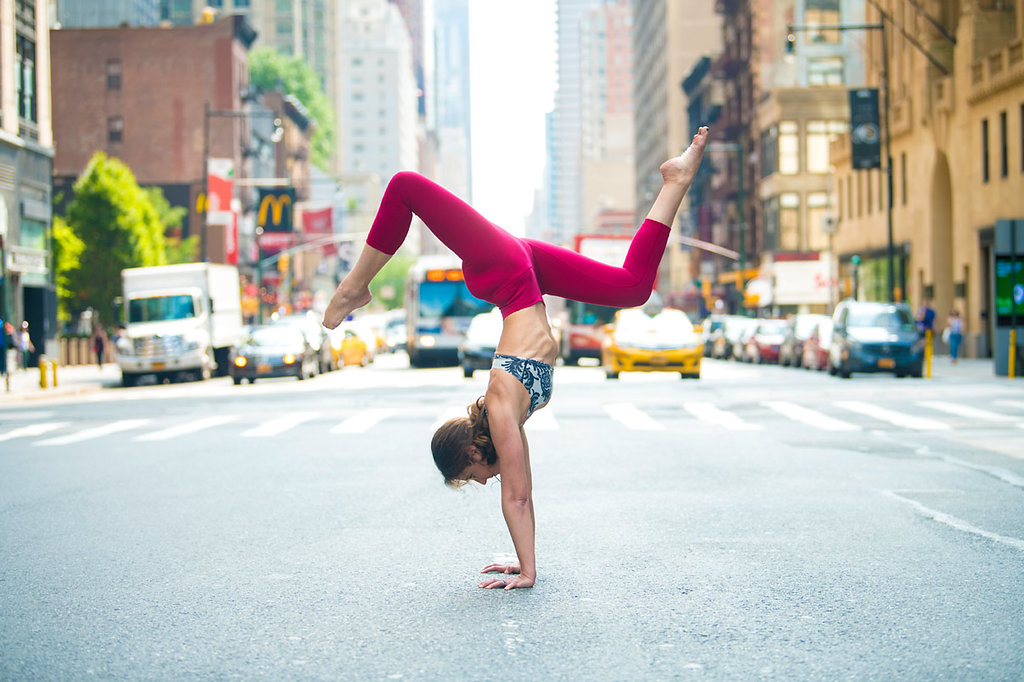
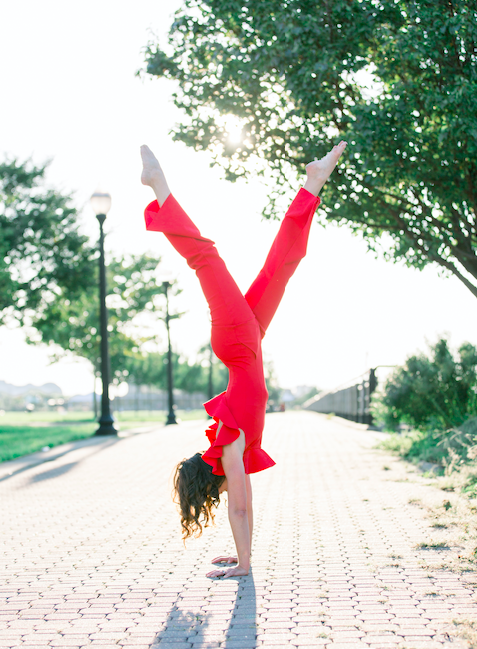
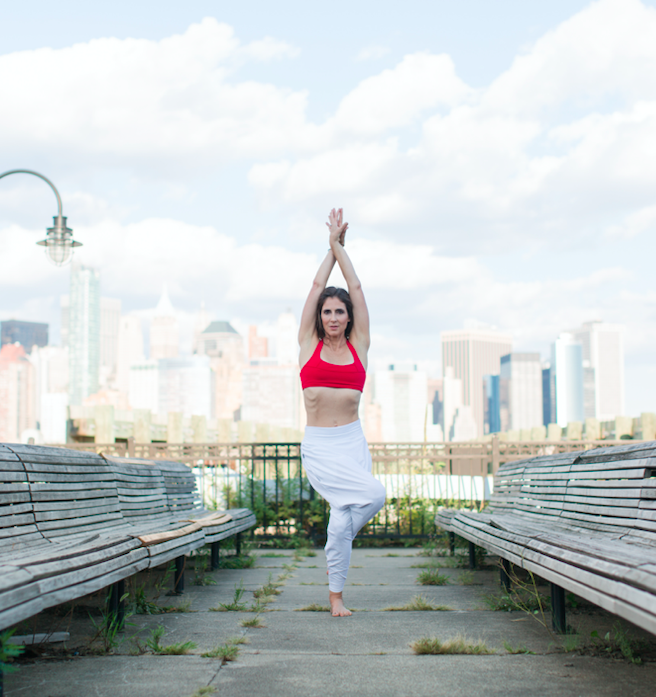
    Today I want to share why I love handstands – and how a handstand can change your life!

    People think of handstands as being this super advanced pose, which it is, but it’s so much more and I’ve seen firsthand how it’s transformed people’s’ lives. Beyond the physical movement of getting your weight onto your hands, it moves energy in the body and potential in your spirit and your belief in yourself.

    If you’ve never even kinda done a handstand in your life, don’t worry – I was right there with you! I thought I’d never do a handstand in my life, and by the time I was 36, I still hadn’t. But then I started working with neurologically impaired patients.

    I saw how they were able to remap their brains to do incredible things no one expected them to be able to do, so I thought, why can’t I remap my brain too?

    So if you want to see some of these incredible benefits – stronger core, stronger arms, better alignment, enhanced awareness, and spiritual and emotional work – I suggest being patient and starting small. Learning how to handstand can be a wonderful antidote to our Western mentality of quick fixes or instant gratification.

    You can start with something as simple as getting on all fours, putting your weight on your hands, and lifting your knees. Once you start building up your confidence and seeing you CAN do this, you can move on from there.

    To learn more about starting your handstand practice (and therapy!), check out the article I wrote for mindbodygreen article called “How Anyone Can Learn To Do a Handstand.”

    To learn more, and for the complete show notes, visit: lytyoga.com/blog/category/podcasts/

    Connect with LYT Yoga and Lara Heimann:

    Instagram Lara Heimann – https://www.instagram.com/lara.heimann/

    Facebook Lara Heimann – https://www.facebook.com/lara.f.heimann

    Instagram LYT Yoga – https://www.instagram.com/lytyogamethod/

    Facebook LYT Yoga – https://www.facebook.com/lytyogamethod

    Read: “How Anyone Can Learn To Do a Handstand”