Category: Friday with Friends

  • 172 | 15 Minutes to Move

    Today is Movement Monday, and I’m giving you a quick routine for when you only have 15 minutes. 


    Tip one is to get it done in the morning unless you’re better with exercising at night. When you move early in the day, you’re more likely to move better and be more consistent with it. It also inspires you to move more. Newton’s law says that things at rest want to stay at rest and things in motion want to stay in motion. So moving for 15 minutes might turn into moving for 30-60 minutes or multiple 15-minute sessions.


    I offer classes of varying length, and I’ve had a lot of people write me and say they love my 15-minute LYT™ classes because there’s some days they’re so busy and they can’t do a longer class. And many of them will say that they did the class in the morning then felt inspired to do it again in the afternoon.  


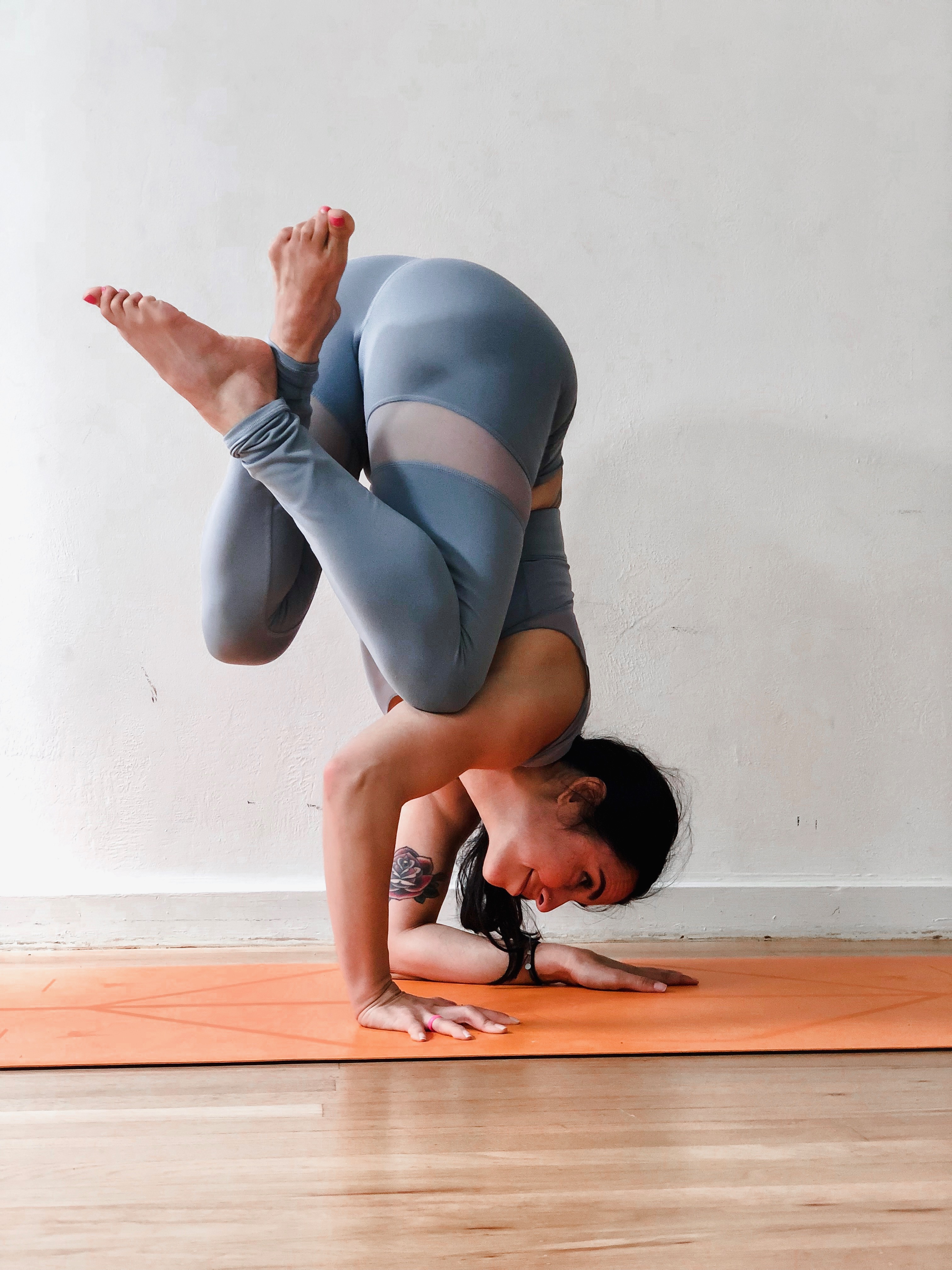
    This routine will help you move your shoulders, weight-bear on your hands, activate the core, and give you a boost of energy. It’ll also improve your mood and overall health. Tune into the episode to get the full rundown. 


    Resources:

  • 171 | The Entrepreneurial Side of Teaching Yoga | with Brett Larkin

    171 | The Entrepreneurial Side of Teaching Yoga | with Brett Larkin

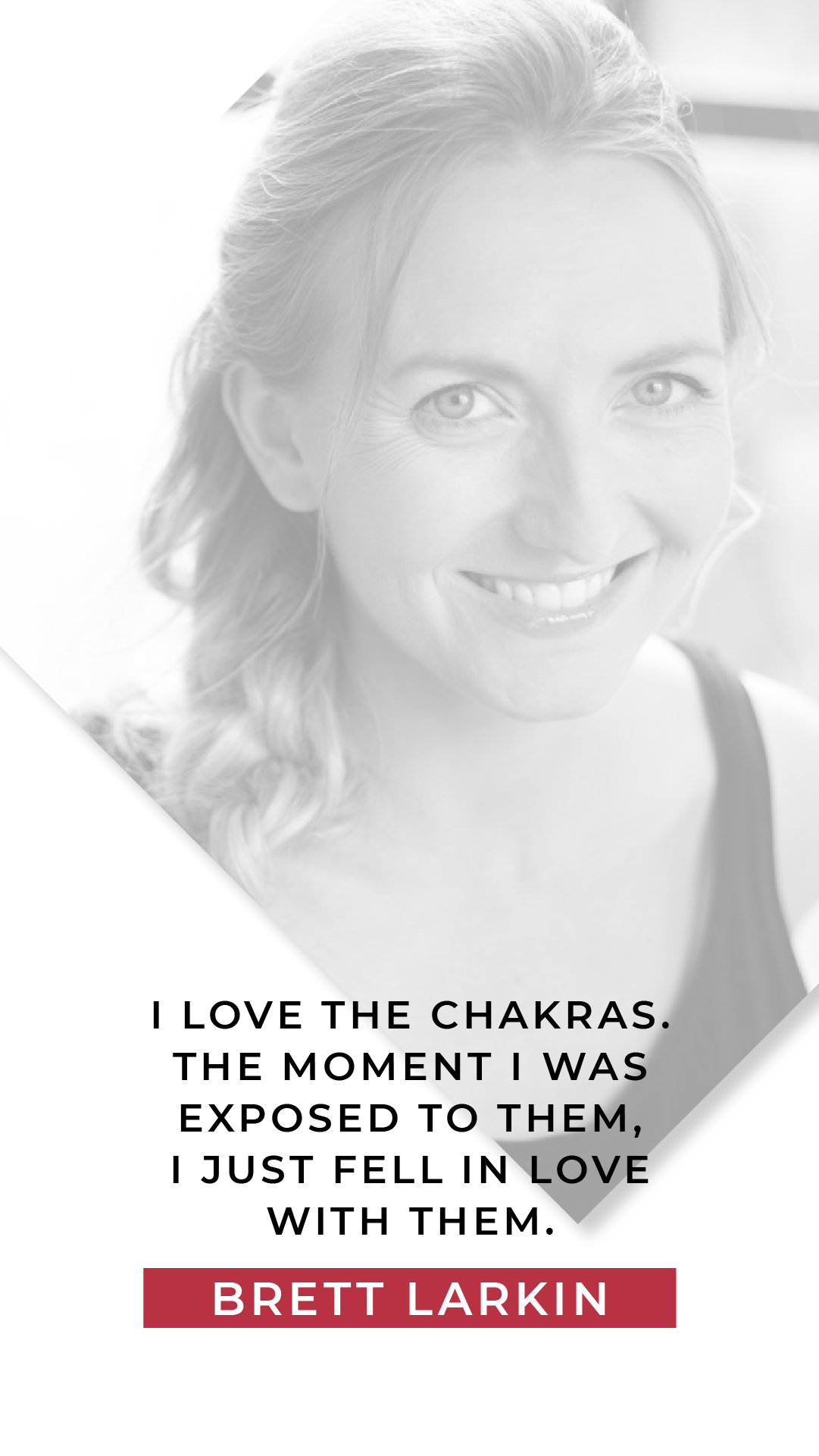
    Brett Larkin started playing around with video and yoga about eight years ago, and that spiraled into what is now her full-time job. She teaches yoga on YouTube, has a mobile app membership site and does online teacher trainings.


    However, when she first began going to Bikram classes, she was reluctant to try yoga at all. Then Bikram led to an exploration of all the different styles. She was in denial for a time but found herself realizing how much yoga meant to her and how much she wanted to share it with others.


    Even once Brett finally admitted to herself that teaching yoga was her dream, she had a lot of other blocks to overcome. She thought that no-one made a liveable income teaching yoga so at first she did it on the side, while working a corporate job.


    Today she sees other people with similar blocks around earning money from healing work or just doing what you love and wants to encourage them to take action on their dreams. Her online teacher training is 60% yoga and 40% entrepreneurship.  


    She considers herself lucky that her corporate job was in the start-up world because it taught her about celebrating failure and just seeing it as critical feedback. This is something Brett has taken into her own business. She loves experimenting, pushing herself beyond her comfort level and launching products before they’re perfect.


    Personally, yoga, in particular Kundalini, has been such a source of pleasure in her life. Brett credits it with helping her give birth to her son unassisted at home (the midwife didn’t make it in time). Also with helping her recover from the pregnancy and birth and create equilibrium in the chaos of being a new mom. Her morning practice makes her day flow smoothly and ensure that she’s holding herself to a high standard.


    Resources:

  • 170 | Wednesday Q&A

    170 | Wednesday Q&A

    Today I’m back with Wednesday Q&A. I’m loving the great questions I’m getting! As well as sending in your questions, please subscribe and rate the podcast. If you send a screenshot of your review to podcast@movementbylara.com, we’ll send you a free link for one of my LYT™ daily classes. 


    Your questions:

    • What do you recommend for pubic symphysis discomfort ache during pregnancy? 
    • Standing all day. Any recommendations?
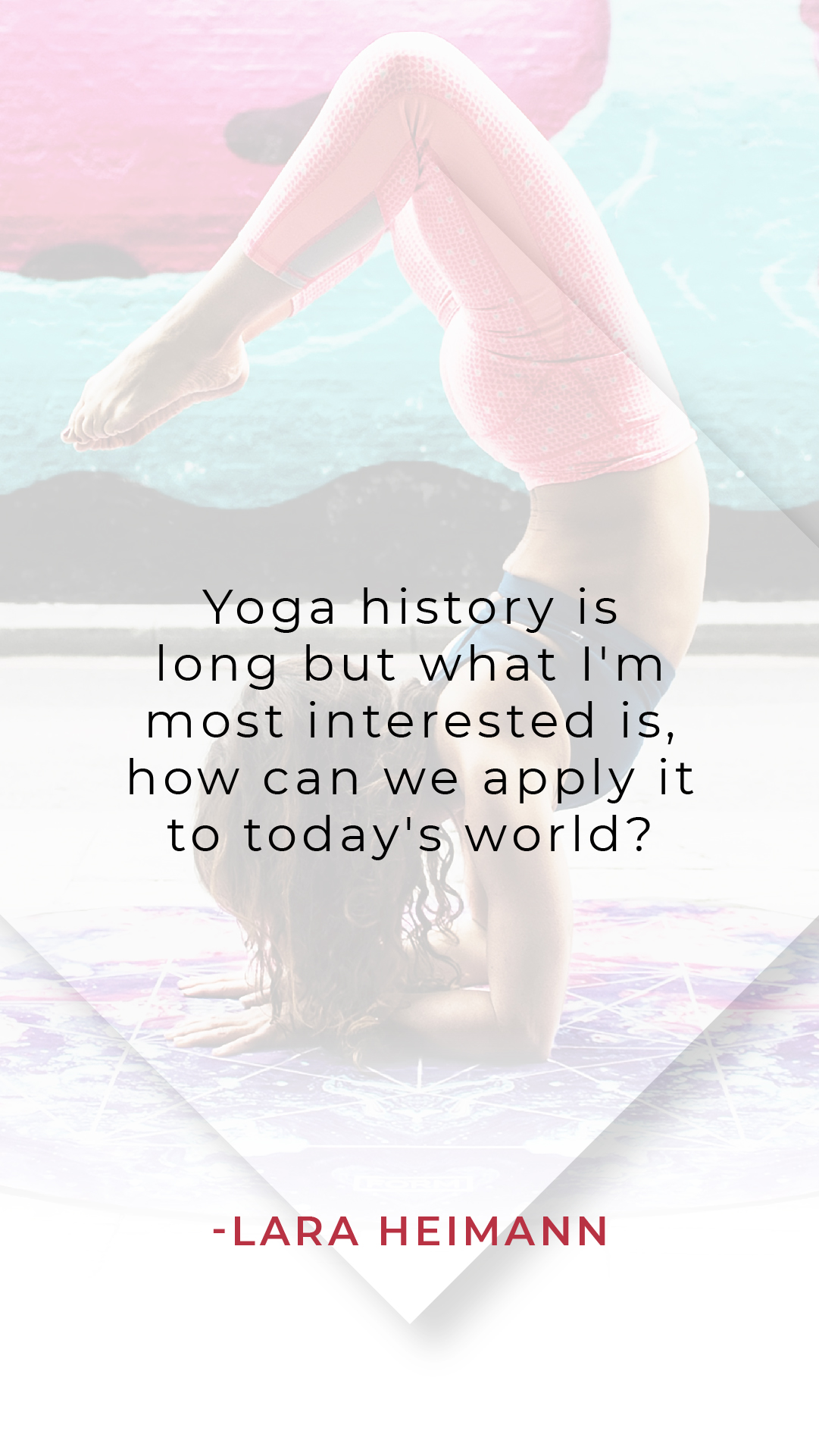
    • Could you talk about the history of yoga? 
    • What are possible causes of tendinitis in the elbow?
    • Do you ever practice rolling on the toes from up to down dog? 
    • Can you discuss why you’re such a big fan of dolphin pose?
    • My right arm is much stronger than my left. How do I balance that? 
    • Why do I have knee pain when squatting?


    Do you have a question?

    • DM me on Instagram: @lara.heimann
    • Email me at lara@movementbylara.com
  • 168 | Friendly Fridays | with Natasha Swinford

    168 | Friendly Fridays | with Natasha Swinford

    Natasha Swinford is a yogi, personal trainer and pilates instructor. She joins me today to talk about doing handstands during pregnancy, the yoga inspiration she finds on Instagram and her YouTube channel. 


    We also cover:

    • Moving in a variety of ways — Natasha also loves crossfit, trampolining and weights
    • How even 10-20 minutes of daily exercise is so good for you
    • Finding out she had breast cancer at 42 
    • Talking openly with your kids


    Resources:

  • 165 | Movement for Wellbeing | with Stephanie Birch

    165 | Movement for Wellbeing | with Stephanie Birch

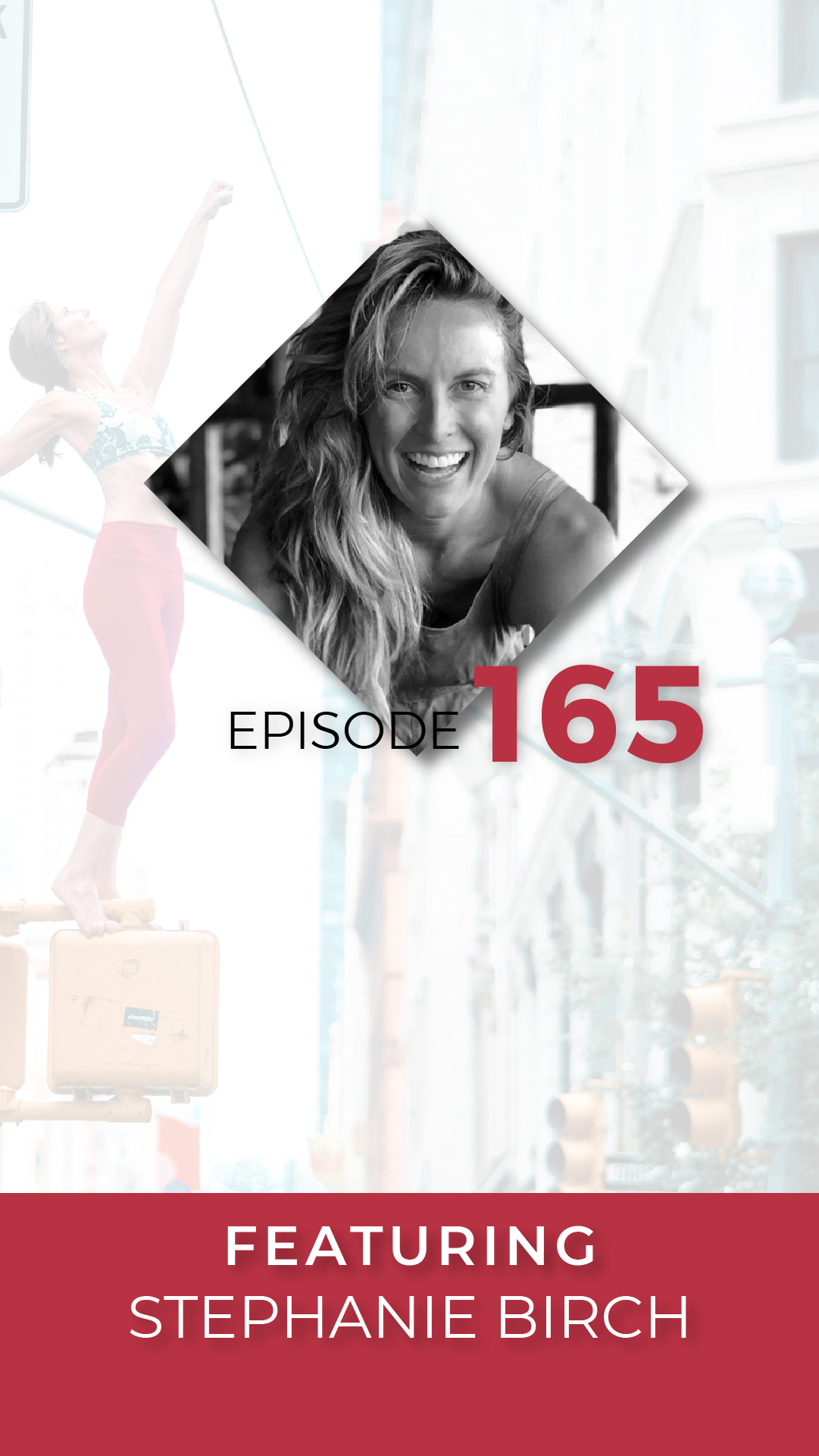
    Stephanie Birch is a wonderfully creative being. She is a yoga teacher, writer, photographer and the founder of Write Club, a monthly-ish gathering and weekly newsletter. What Stephanie loves so much about movement and writing is their ability to heal. She credits yoga with saving her life when she suffered from postpartum depression and finds the physical practices of movement and writing (by hand, not typing!) incredibly powerful. 


    Stephanie has some excellent advice for yogis wanting to be teachers including:

    • Choose a teacher training where you feel a connection to the instructor and really know who they are
    • Put your own yoga practice first – if you’re teaching a lot of classes and you’re not practising much, then you need to flip that 
    • As a new teacher you don’t have to be super creative – teaching the foundations of yoga is an awesome way to start


    Resources:

  • 163 | Neck posture

    163 | Neck posture

    Better posture is possible, and it can dramatically improve everything, including the way you breathe!


    Everywhere I travel, I’m looking at people’s posture and I’m dying inside because of the way people’s heads are constantly tilted forward over their phone screens and computers. Text neck and the neck pain associated with it is becoming a huge problem. 


    Today I’m talking about how proper use of one particular muscle – the longus colli – can help you find a better position for your skull on your neck, get proper oxygen flow to your brain and resolve tension headaches.


    Tune in to hear my best exercises for strengthening this muscle and reprogramming the way you position your skull – think of it as core work for your neck. 


    Resources:

  • 159 | Combining yoga and physical therapy | with Kristin Williams

    159 | Combining yoga and physical therapy | with Kristin Williams

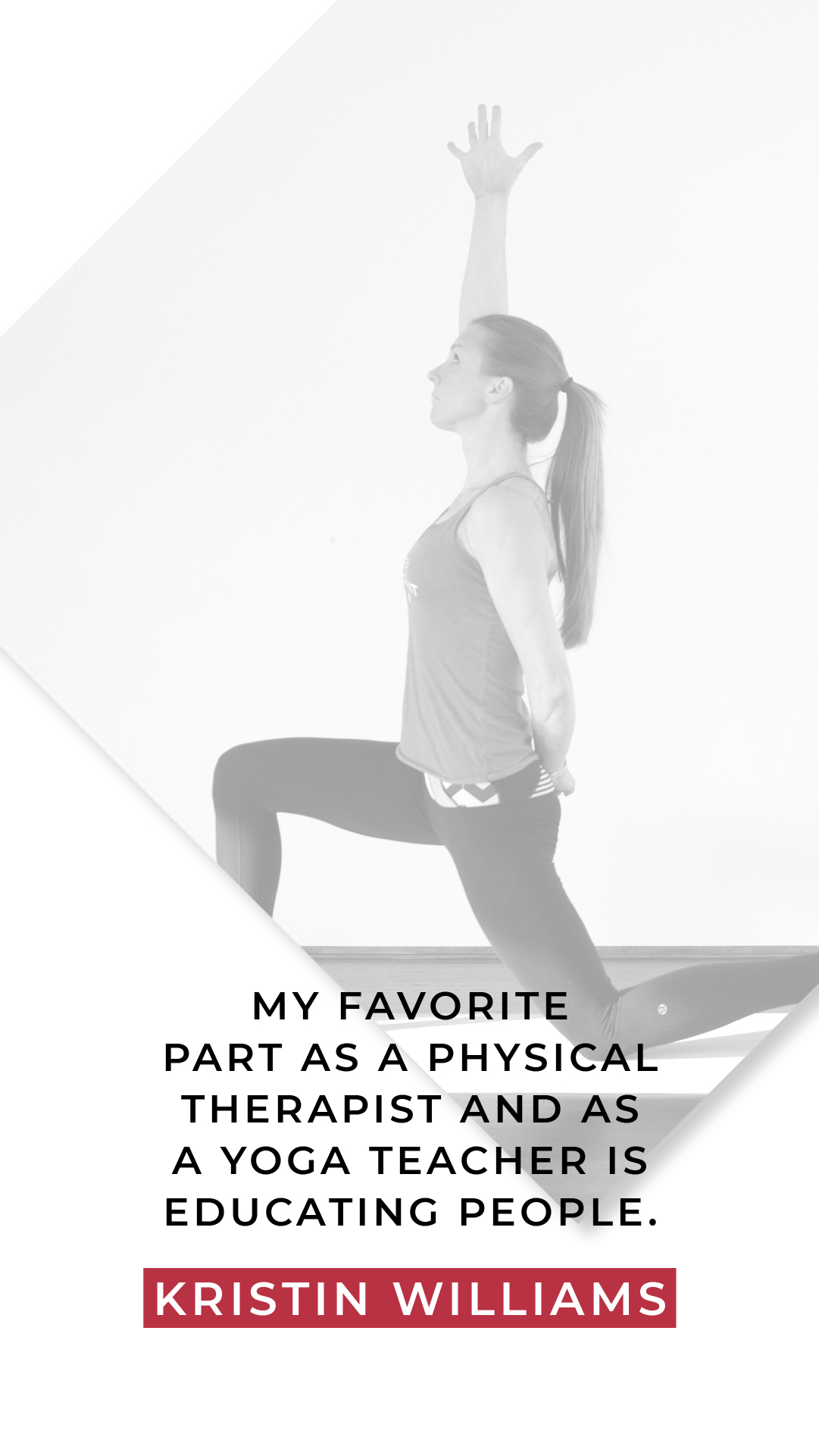
    Kristin Williams and I are both physical therapists which means that our approach to teaching yoga is quite different. Kristin actually got into yoga because she had so many PT patients coming in injured from yoga and decided that she needed to learn more about it. 

    In today’s podcast we talk about how modern work and life can make people pretty rounded in the spine and how the answer to many aches and pains is thoracic extension.

    The yoga injury she sees the most in her PT practice is hips. There’s so much variety in people’s hips and sometimes yoga teachers teach pigeon or forward folds with too much emphasis on pushing into the pose. Another thing that’s a common problem in the yoga world is teaching without enough thought to sequencing and organization in a class. The transitions between poses need to make physiological sense. They should be choreographed, not random. 


    As PTs the biggest issue we see is that people are too rounded and need thoracic extension. This is not just about posture. It’s also about pulmonary function. It’s so underestimated how much lack of movement affects how big your breath can be. This is about the elderly not being able to cough or inhale and falling prey to illnesses such as pneumonia.

    The second biggest issue is a lack of spinal rotation. Rotation feeds the spine by bringing in all of the blood flow, oxygen and cerebrospinal fluid.

    The third biggest problem is a lack of mobility in the hips. 

    To wrap up this episode Kristin answers the following audience questions:

    • What is the best exercise for scoliosis in the spine?
    • What should you do about pain in feet and the peroneal tendon during and after running?
    • What is the best way to help with tight hip muscles?
    • Do PTs welcome clients without referrals or when things aren’t necessarily ‘wrong’?
    • Do you have any tips for a winged scapula?
    • Is whiplash recovery possible after 20 years?


    Resources:

  • 157 | Serratus anterior – my favorite muscle

    157 | Serratus anterior – my favorite muscle

    The serratus anterior is such an important muscle that many people don’t know about, and one of my favorites. An undeveloped or weak serratus can cause shoulder pain, rounded shoulders and even breathing problems. 


    Where is the serratus anterior?

    It originates on the top surface of the first to ninth rib. The first rib is up by your collarbone and the 9th rib is the one above the last rib to attach to your sternum (the bottom two ribs don’t).


    What does the serratus anterior do?

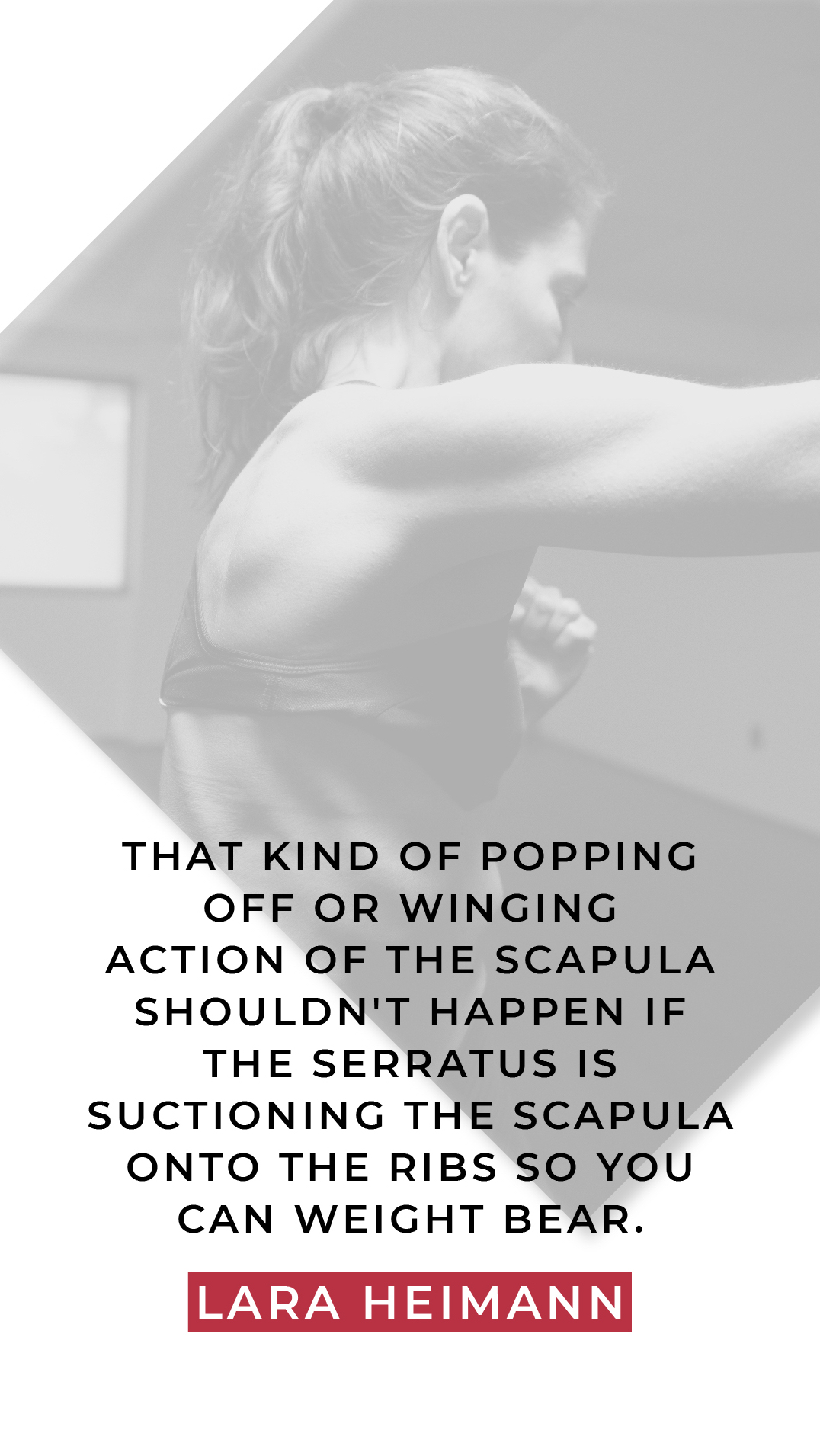
    It’s sometimes known as the boxer muscle because it allows the scapula to pull away from the spine when the arm reaches out like you’re punching somebody. The serratus is also partially responsible for the upward rotation of the shoulder when we lift our arms up overhead, like in yoga. But the other thing it’s really important for is when you’re weight bearing on your hands because it helps to hold the scapula on or close to the rib cage.


    What happens when the serratus anterior is not functioning well?

    It can cause pain between or under the shoulder blades or under the armpit. You can even get pain with your breathing. Athletes who perform repetitive motions, pitchers for example, might experience problems because their serratus is not developed enough to control that mechanism.


    How can you strengthen the serratus anterior?

    Exercise 1

    If you have rounded shoulders, poor posture, not great breathing or pain around the scapula, first get yourself in a neutral scapula position as best as possible. So you want to find your Triple S, which I’ve talked about in many other episodes. This is where you go against the wall and position the back of the skull, the back of the scapula and the back of the sacrum on the wall. Then reach your arm forward straight out in front of you, make a fist, and practice protracting the scapula, feeling it glide out as you punch your arm forward. 


    Exercise 2

    You can also do the reverse and stand facing the wall. Put your knuckles on the wall, and then push the wall away and let the scapula protract but you’re working isometrically, meaning you’re going to allow it to protract a little bit, but you’re not going to be able to move much more and you just want to hold it there using the resistance of the wall. 


    Exercise 3

    Come on to all fours on the floor and find a neutral position by keeping the arms straight and letting the chest soften like you’re trying to drop the chest down toward the floor. Feel the shoulder blades squeeze in toward each other and then just lift the front ribs up a little until you feel the shoulder blades on the back ribs. The next stage is to hold the shoulder blades exactly as they are and step one foot back at a time, so that you’re in plank pose. Keep that sensation and visualize holding that shoulder blades on the rib cage. That’s the part of the serratus that you need to work on. Video yourself doing this so you can check that you’re using the serratus and not your chest muscles.


    Exercise 4

    Stand facing the wall and bring your arm way up overhead and bring the pinky finger to touch the wall. So you’re not at 180 degrees in line with your ear, but it’s like probably 150 degrees with the arm up above 90 degrees and the hand on the wall. And then from that position, slide your scapula up to lift the arm up more. Slide it up to like 170 degrees and then just isometrically, meaning you’re not going to change anything, push the pinky finger into the wall and activate that area around the scapula and rib cage because that’s the rotated position that’s working the serratus. 


    I hope these exercises help you strengthen your serratus. As always, I’m pulling for you.


    Resources: