Category: Notes from Lara

  • Striking Harmony: The Crucial Art of Balancing Personal, Physical, Mental, and Professional Well-Being

    Striking Harmony: The Crucial Art of Balancing Personal, Physical, Mental, and Professional Well-Being

    by Lara Heimann, PT


    In the hustle and bustle of our daily lives, finding balance has become a coveted art. The delicate equilibrium between personal life, physical health, mental well-being, and professional pursuits is not just a lofty ideal but a fundamental necessity for a fulfilling and sustainable life. Let’s explore the importance of weaving this intricate tapestry of balance and I will share some tips that help me maintain harmony in my life.
    Personal Life: Nurturing Connections and Passions
    In the quest for success, it’s easy to sideline personal life. However, neglecting relationships and personal passions can lead to a sense of emptiness. Taking time for family, friends, and hobbies provides a source of joy, support, and rejuvenation. Whether it’s a quiet dinner with loved ones or indulging in a favorite hobby, these moments contribute significantly to overall well-being. Double the impact by sharing your passions with others. For example, we have our LYT community from around the world practice together online and meet up during travel!
    Physical Body: The Home That Requires Care
    Our bodies are resilient, but they demand care and attention. Regular exercise, a balanced diet, and adequate sleep are not just luxuries but essential components of a healthy lifestyle. Physical well-being is not only about looking good but feeling good, fostering energy, and preventing long-term health issues. Strive for activities that bring you joy, making physical fitness an integral part of your routine. Bring more core into your life to organize your body’s home and keep your energy flowing!
    Mental State: Cultivating Mindfulness and Resilience
    In the fast-paced world, mental health can take a back seat, yet it is the cornerstone of overall well-being. Stress, anxiety, and burnout can chip away at our mental fortitude. Incorporating mindfulness practices, such as movement or still meditation, and including practices that improve our breath capacity and nervous system can foster deep resilience. Check out our “Soothe” series for specific tools to nurture your nervous system. Always remember that seeking professional support when needed is a courageous step toward maintaining a healthy mental state.
    Professional Life: Achieving Fulfillment, Not Just Success
    The pursuit of professional success is commendable, but it should not come at the cost of well-being. Striking a balance between ambition and personal fulfillment is key. Establishing boundaries, managing workloads effectively, and fostering a positive work environment contribute to sustained professional growth without sacrificing personal happiness. The more connected you are to your core values, the clearer you will feel when establishing parameters that promote balance.
    If we envision life as a tapestry, where the personal, physical, mental, and professional elements are woven intricately together, we can see how each plays a role in the balanced product. When one thread is neglected, the entire fabric is affected. Recognizing the interconnectedness of these aspects allows for a more holistic and sustainable approach to well-being.
    Here are some tips to keep your tapestry balanced and bright!
    1. Prioritize Self-Care: Schedule time for self-care activities that nourish your mind, body, and soul.
      Look at your movement practice as an important meeting that can’t be easily canceled; I have known many LYT Studio members block out their calendars to attend the live Zoom classes. The action for accountability goes a long way to prioritize balance!
    2. Set Boundaries: Clearly define boundaries between work and personal life to avoid burnout. Create a schedule that better delineates your personal and professional time.
    3. Stay Present: Embrace mindfulness to fully engage in each moment, whether personal or professional. We practice focused attention in our LYT classes to train the brain to remain focused; remember the body is always in the present moment and moving your body is the most effective way to clear the clutter in the mind.
    4. Regular Reflection: Take time to reflect on your life, goals, and well-being regularly. Setting goals, scheduling time for yourself, and checking in with your commitments will keep you balanced and motivated.
    5. Seek Support: Don’t hesitate to seek support from loved ones or professionals when navigating challenges.
    Finding balance is not a one-size-fits-all endeavor; it’s a personal journey that evolves over time. By recognizing the importance of personal, physical, mental, and professional equilibrium, we embark on a path toward a more fulfilling and harmonious life. Strive for a balance that resonates with your values, nourishes your spirit, and allows you to thrive in every facet of your existence to feel fully LYT up!
  • The Benefits of Using Yoga Blocks in Your Movement Practice

    The Benefits of Using Yoga Blocks in Your Movement Practice

    The Benefits of Using Blocks and props in Your Movement Practice

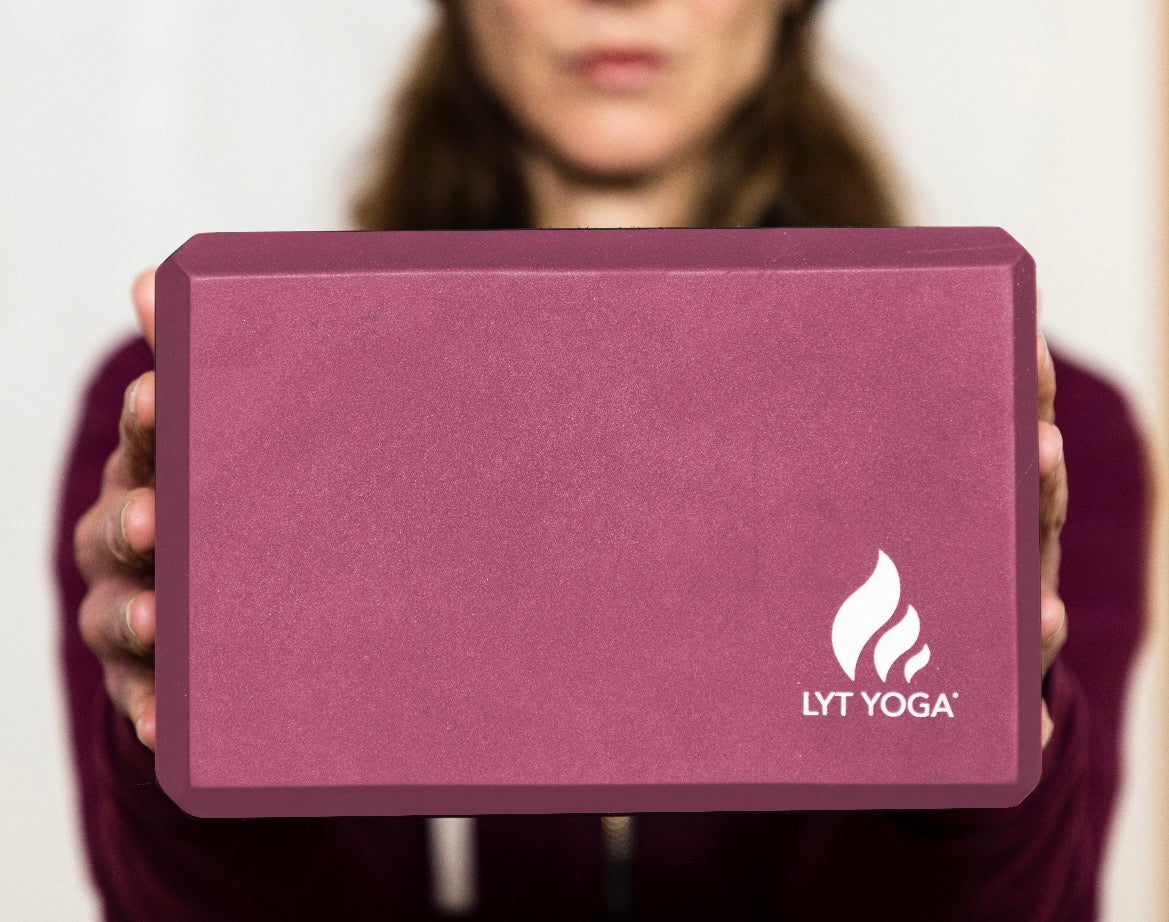
    Yoga blocks, often made of foam, cork, or wood, are more than just tools for beginners or those with limited flexibility.


    These versatile props can bring numerous benefits to your movement practice, no matter your level of expertise. We use them in every class in LYT and I can’t imagine a practice without having yoga blocks to enhance the experience!


    Why use blocks?


    For those who are new to yoga/functional training or have limited flexibility, blocks can act as an extension of the arms, making it easier to reach the floor in poses like Down Dog or bent knee standing split/standing L pose. By bridging the gap, blocks help in promoting better alignment, expansive breathing, and postural training. Yoga blocks can be used as a support system, especially in poses that require balance or strength. For instance, placing a block under the hand in Twisted Crescent, Half-Moon, or under the hips in seated twist pose can help stabilize the position, creating more space for the hips and spine, and thereby reducing strain on the joints and surrounding structures while also promoting more core activation. In LYT, we are huge believers in alignment! Alignment is not rigid or “ideal”; it is placing your bones and joints in a more optimal position to set up improved responsiveness in motor firing (how muscles activate to move, stabilize, or lengthen). Proper alignment is crucial in yoga and functional movement to prevent injuries, improve neuromuscular function, and ensure efficiency. Blocks can assist in positioning the body so that the joints and muscles work in greater harmony. 


    Importantly, blocks allow for more individualization. Everyone’s body is different, and sometimes a pose or movement that works for one person might not be comfortable for another. Blocks can be used to adapt poses to fit individual needs, ensuring a comfortable and effective practice. Blocks additionally help with transitions, allowing movement between poses to feel more possible and graceful without losing form.


    But there is more! (that’s how awesome blocks truly are 🙂


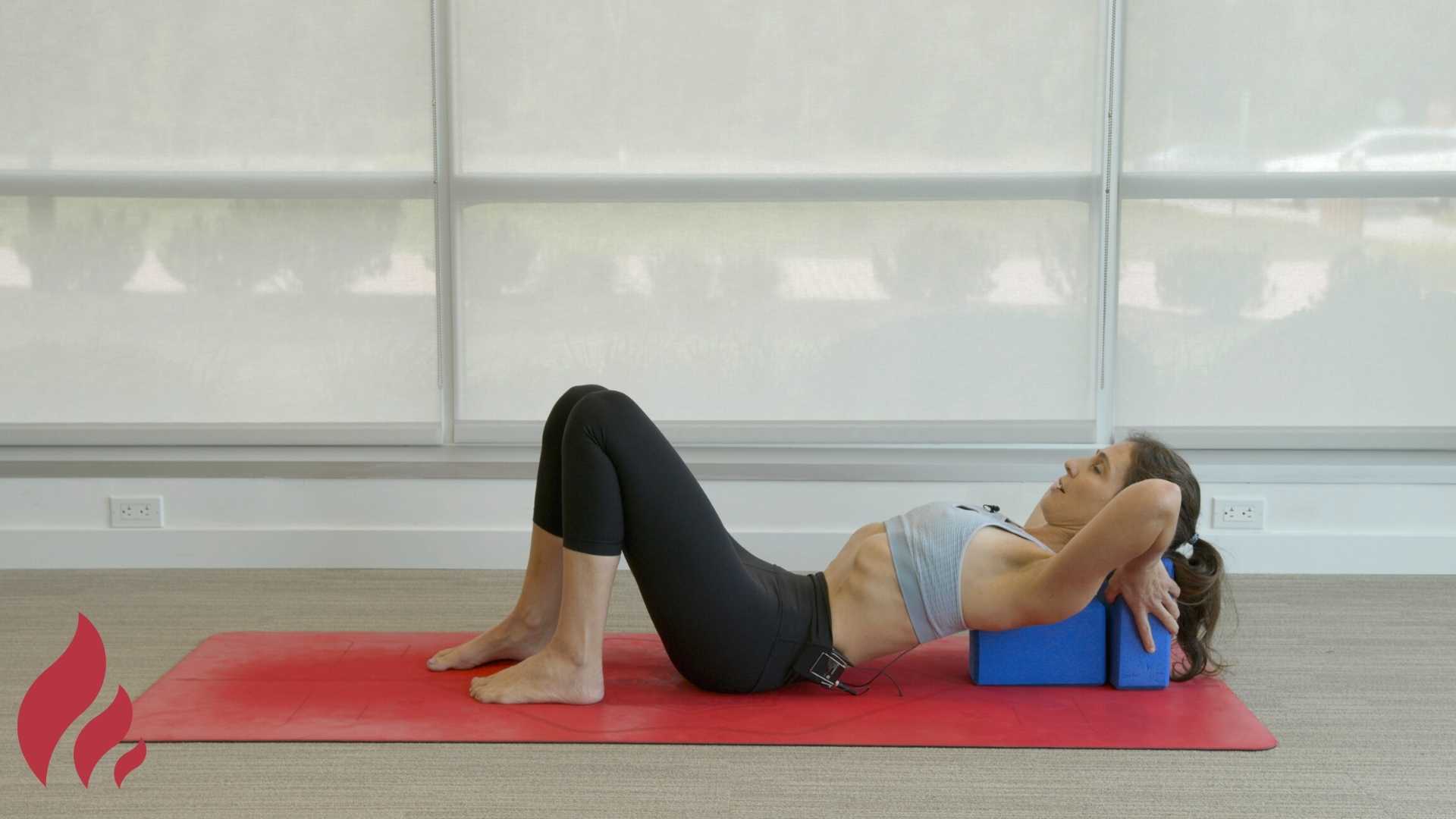
    As we experience in our LYT RESET®, blocks create a deeper connection to core! The block can be used to activate pathways into and through the core cylinder such as in bridge with a block, where the light hug of the block stimulates the hip adductors and pelvic floor connection. Utilizing a block in various ways can heighten body awareness, sparking core activity that might have been a bit more dormant without the block. The block becomes a tactile cue, reminding you to engage specific muscles or adjust certain alignments. 


    When I am creating a class where I want to utilize blocks, my innovation is in overdrive! Blocks provide so much variety, challenge, and support; it makes the practice exciting and vibrant, opening the door to enhanced mobility, stability, alignment, and overall progression and FUN!! Whether you are new to a movement practice or looking to upgrade your body-brain connection, yoga blocks can be transformative to your routine. Check out our LYT classes to FEEL for yourself how blocks are indeed a game-changer!

  • The Fusion of Physical Therapy and Yoga for Enhanced Functional Movement

    The Fusion of Physical Therapy and Yoga for Enhanced Functional Movement

    I have been asked numerous times how I created LYT and in what ways is it different than other yoga or movement practices. By combining elements of physical therapy exercises, neuromuscular training, and functional anatomy with the yoga asanas and mindfulness philosophy, I believe LYT optimizes movement, breath, and nervous system intelligence in a uniquely powerful way. Over the decades of practicing and teaching movement, I am convinced that the most impactful way to improve functional movement and prevent/recover from injuries is to rewire suboptimal movement habits and then expand movement variability to access our innate physiological design. We humans are designed to move and yet, most of us were never taught how to move well. At its essence, LYT educates about the HOW and WHY of movement so that we feel more organized in our body, which helps us be more durable, energetic, and hopeful in our lives. Learning about biomechanics and tools for improving brain-body connection expands our movement literacy. By creating stronger signals of communication between the brain and body, we become more fluent and fluid in our movement intelligence. When we are more tuned into the messages our bodies send us, we hone our natural instincts to move. The heightened awareness combined with improved neuromuscular intelligence helps us pay attention to how we move and how well we move; so the effects of a LYT practice builds compound interest in its return for every system in the body. 


    Overall, this practice promotes better habit formation. If a full LYT class is not yet a possibility or you want to leverage the good work you do on the mat, the LYT mentality is to move well and move often. We want to build the habit of movement and make it easier and more enjoyable to get moving, so emphasizing smaller and more frequent exercise/movement breaks will accomplish both. 


    Moving throughout the day will help prevent stagnancy from settling into the body after being inert for a long period of time. We are a sedentary society so moving more frequently will curb the inertia of being stationary. It won’t take long to see the benefits of frequent movement once you develop the habit. Think of taking small movement breaks and help yourself by putting a timer on your phone or a note at your desk to remind you. Block out your schedule for one of our many online classes. When movement becomes a habit, you will crave it because you already know the positive feedback it produces for the body and brain. 


    Yoga philosophy invokes a clear and awakened consciousness, a wonderfully aligned ecosystem for change and growth to flourish. Mindfulness is the invitation and practice of paying attention with presence as often as you can. When we build our movement intelligence, boost our body-brain literacy, and rewire suboptimal daily habits, we have the best opportunity for enhancing functional movement for decades to feel LYT up in our lives!

  • How LYT Helps You Age Backwards

    How LYT Helps You Age Backwards

    “We don’t stop playing because we grow old; we grow old because we stop playing.”
    ― George Bernard Shaw


    Play is defined as a ‘range of intrinsically motivated activities done for recreational pleasure and enjoyment. Play is commonly associated with children and juvenile level activities but may be engaged in at any life stage.’ (Wikipedia)


    Your body is a complex machine and the primary conductor of your play, your joy, and your energy. Every system in the body is communicating with the others and contributing to your overall health. Supporting these systems is the key to longevity and we already have the tools, but we might need to reboot some of the systems and replace the antiquated concept that as we age, we inevitably will move less, have more pain, and experience less joy and novelty.


    The LYT method provides the recipe for aging well and reversing aging woes by optimizing these systems in the body as a team. Through movement education, habit formation, postural retraining and play on the mat, LYT not only helps you move better, but it also teaches you how to bring that somatic knowledge into your daily life, optimizing energy, nervous system regulation, and overall health. Let’s examine how LYT enhances vitality and overall wellbeing by looking at the science of movement and its impact on aging. 


    The human body operates as an interdependent unit, where all the systems function as members of a team whose job is to maintain health. Our body craves balance, or homeostasis, from a cellular level and maintaining the health of each cell is essential to our longevity. Building new cells and cleaning out older cells is accomplished through movement. Movement activates the cells, signaling them to stay alive and healthy. Without nourishment, our cells will atrophy, shrink, and eventually die. A 2017 study on mitochondrial health and exercise by Laker, et al, reports “New research provides a window into how, on a cellular level, exercise can improve muscle health and, ultimately, exercise capacity, which is ‘the best predictor of mortality in the general population. Whether muscle is healthy or not really determines whether the entire body is healthy or not,’ says lead researcher Prof. Zhen Yan, of the University of Virginia School of Medicine in Charlottesville. ‘And exercise capacity, mainly determined by muscle size and function,’ he adds, ‘is the best predictor of mortality in the general population.’ According to the new study, exercise improves muscle health by renewing its cellular powerhouse: the mitochondria. Mitochondria are crucial to the good functioning of our bodies, as well as to our overall health and longevity.” (https://rdcu.be/c8LM4)


    Movement is essential for cellular health but training HOW we move is important for the optimal performance of other body systems. Our musculoskeletal system is involved in movement, initiated by the action of our muscles, but not all exercise forms effectively elicit activation of the postural/stabilizer muscles of the body. In LYT, with our varied movement and core-focused training, we stimulate all 650 muscles for optimal results. The more we stimulate the various muscles, both large and small, the more energy we generate. This energy is a key ingredient in feeling youthful, more hopeful, more curious, and more stable in our everyday life. 


    Our bones are supported by these muscles, with the stabilizer/proximal muscles providing direct stability to our spine, pelvis, and shoulder complex, while bigger muscles execute larger movements. In LYT, we teach the importance of optimal alignment of our skeleton, the scaffolding of our body, with our TRIPLE S to support the loadbearing of our body in space. This alignment is a key ingredient for maintaining bone density and health and coordinating muscle activation to help us move with ease and grace. The joints of our bodies (where two bones come together and provide mobility) need to move freely to participate in various movement patterns of everyday life. From our RESET to our STREAM, LYT movement both aligns and lubricates the joints to provide us with renewed movement potential in our lives off the mat. We target the joints and tissues that are often restricted because of our modern-day lifestyle with its decreased movement variability. By first preparing the body in the RESET to maintaining neutral pelvis and spine with core stability, the LYT blueprint expands our movement potential with sustainability and safety. Unlike some yoga practices, we don’t emphasize end-range mobility without proper control or long-static holds which can weaken the stabilizing benefits of ligaments. Moving around the mat in different planes and with different levers and loads creates a more resilient and robust musculoskeletal system. This mobility and efficacy allow for more play and potential without pain. Our purpose is to maintain and/or improve mobility from a strong and responsive core center to improve musculoskeletal imbalances and retrain more efficient and joyful movement.


    Most importantly, the movement on the mat is fundamentally rooted in the understanding of neuroplasticity and its significance in living and aging well with potential and possibility. Recognizing that the brain is plastic with the ability of neural networks to change through growth and reorganization is the elixir to aging with joy and feeling younger in your heart, spirit, body, and brain. Each time we began our LYT RESET, we help rewire suboptimal postural and motor control habits by returning to the developmental moves of our early stages in life, where most of our brain development took place. By reinforcing core activation as a precursor to movement and using feedback from the floor, the blocks, and our hands, we can strengthen brain circuitry and pathways, igniting even more brain development. In the sequences and Stream of the LYT class, we implement full-body movements and some challenging choreography to activate and engage nerve cells throughout the brain and nervous system. With a dedicated LYT practice, we increase the adaptability and robustness of every system in the body with the brain leading the charge! And therein lies the ultimate reverse-aging ingredient: a healthy brain and body can ultimately change your perception of age and ability. 


  • Movement in Smaller Doses

    Movement in Smaller Doses

    The most important currency we have in life is time, and yet we often don’t feel the impact of its value until we notice we aren’t using time as an asset to our health and well-being. Many people will complain that they don’t have enough time to exercise or take a break for self-care but I invite you to reframe this challenge and recognize that taking time for yourself, especially while moving the body, will build compound interest in the currency of time. You will amp up your energy and your perception of time will actually shift! More energy means more focused attention and decreased periods of time-dwindling autopilot states of being.


    If you are not in the habit of a regular movement practice and/or think that yoga is too challenging for you ( eg. you feel too inflexible), it will feel more challenging to find time for a committed yoga practice. Yoga has a bit of a learning curve since some of the poses have names that people might not be familiar with or moves that are different from other movement practices, and this novelty can prove to be a hindrance in developing a regular practice. Also, the typical yoga class is 45-75 minutes which might be more time than people want to spend practicing.


    My younger self would assume that I have to move for at least an hour a day to acquire the benefits that exercise imparts. But I have changed my mind as I have aged, based on my own experience but also in witnessing countless others reap the benefits of movement in smaller doses.


    I always say that some movement is better than no movement and 20 to 30 minutes can plant the necessary seed for growing a longer practice over time. It only takes 2-3 minutes of movement and breathing to start to impact the nervous system so a lot can happen in 20-30 minutes! Research has shown that the way you stand and take up space ( standing more upright and lifting your arms overhead) can change the body’s neurophysiological responses affecting hormones, such as cortisol and testosterone, in just 2-3 minutes. When we take five full breaths, we can sense a shift in our nervous system as well, bringing more oxygen to the brain and helping to regulate any imbalanced state of stress. Mobilizing the joints can quickly lead to synovial joint replenishment, and the synovial joints are the big movers of our bodies, found in places like our hips, knees, ankles, and shoulders. In a well-constructed 20 to 30-minute yoga practice, you can mobilize the joints to move more fluidly, increase blood flow to the tissues of the musculoskeletal system to feel less restricted, increase oxygen uptake to feel more awake, and create more balance in the nervous system. Breathing and movement with focus (the key ingredients in a yoga practice) will rebalance the nervous system and improve mental clarity. Our body is made to move and it’s the easiest vehicle to change the way we feel as well. Movement is medicine and even a smaller dose can have a huge impact on every system in the body! I advise people to move more regularly for a shorter duration versus less regularly for a longer duration. One reason is that consistency is key for creating the movement habit, which needs to become more hardwired so that your mind and body choose to practice because the positive feedback loop has been encoded in the brain. While I love practicing for much longer than 20-30 minutes, I also live this life as a teacher and entrepreneur so it’s part of the recipe for my own well-being, personally and professionally. I recognize that other people have varying obligations and time management might lead to a shorter practice. The concept is to practice regularly for whatever duration that feels successful and helpful for you.


    Let’s take back the concept of time limitation and begin forming solid movement habits for today and for your future. Check out our LYT DAILY platform and use the filters to choose a duration and level that works for you. Starting small can lead to bigger shifts, both in the body and the brain. Choose to move and invest in yourself because you deserve it!

  • What is a BLISS class?

    What is a BLISS class?

    Bliss means to “reach a state of great joy” and the BLISS class is structured to do just that, for the body and mind. The BLISS class follows the blueprint of a regular LYT class with a focus on repetitive mobility and myofascial stretching to leave you feeling more spacious and blissful. The pace is slowed down so that you can find the pauses and release any tissue (or issue) stickiness that can make us feel agitated and imbalanced. A BLISS class is themed like any LYT class, to hone in on a particular body area or physical and spiritual endeavor. By the close of class, both the body and nervous system will feel more balanced and receptive to relax in bliss.


    Take me to BLISS classes on LYT Daily!

  • What is a SET class?

    What is a SET class?

    When I was traveling about 10 years ago, I created the SET class idea in my own practice.  I found that when I was away from home and traveling with my family, I didn’t have as long of a time to practice so I wanted to make it a very efficient movement experience while helping to unwind any kinks of travel or holiday activities. I begin to share the SET class during a retreat I was leading, and everyone loved it and asked me to continue teaching more SET classes in my regular class line-up. I think many people appreciate the efficiency, repetition, and overall robust movement variability and sweat(!) that a SET class provides. With the blueprint, a SET class can be tailored to any level, intensity, or duration, offering lots of flexibility and accessibility.


    The blueprint starts the same as a regular LYT class, with a RESET to organize the pelvis and spine and activate the entire core musculature. It can include a Sun Sal 1 or go right into the first “set”, a series of movements that is similar to our STREAM in other classes. The set can be anywhere from 5-15 minutes, depending on the complexity and intended duration. It is repeated on both sides and then the class could be finished or another set can be added. The second set repeats the first with some changes, add-ons, or amplifications such as adding plyometrics. The second set is also repeated on both sides.


    The duration and complexity of each set can be adjusted to the level and duration of the class, but no matter what, a SET class will mobilize and rejuvenate the body and spirit and set you up to feel LYT UP.


    Take me to SET classes on LYT Daily!


  • Best advice for women with joint pain

    Best advice for women with joint pain

    In the fitness world, we hear about joints, but what exactly are they? A joint is the area where two bones come together and create movement. The way in which joints are positioned habitually and moved habitually can create imbalances and discomfort. Sub-optimal posture can lead to joint troubles and myofascial tightness (think of the layer of tissue around the muscle getting compressed like dirty laundry in the bottom of the hamper). Joint pain will often occur when the surrounding muscles are not offering enough support to the joint or are creating compression. The two ends of the bones that make up the joint don’t actually touch but have space between them filled with synovial fluid or cartilage or both. Maintaining this space and fluidity is key for happy and healthy joints.


    If you are experiencing pain in the joints, here are some ideas for how to improve your joint movement and get rid of the discomfort.

    1. Pay attention to your posture! How are you stand directly impacts how you move. And movement occurs at the joints. We want our joints to start off in their best “resting position “in the most optimal way which happens more consistently with good posture. An added benefit- paying attention to your posture will ultimately help you pay better attention to your movement patterns.
    2. Mobilize your joints. Joints rely on motion to feel happy and fluid. The big ball and socket joints of the hip and shoulder specifically need to be moved in a variety of ways. Our more sedentary lifestyle places us in a more flexed position in the body, reducing our full range of motion. Work on moving in a variety of ways to keep these joints pain-free!
    3. Strengthen your core! Your core is not just the “six pack” that is often displayed on fitness covers. It is the entire cylinder of the center of the body and when it is weakened, the joints suffer. The core muscles surrounding the pelvis, ribs, and shoulders give integrity to the joints. The areas that I always focus on my yoga-movement classes are the gluteus maximus and medius, the obliques and transverse abdominals, the scapular stabilizers, and the deep back muscles like multifidus and quadratus lumborum.


    An example of a sequence to work on all three of the above tips:

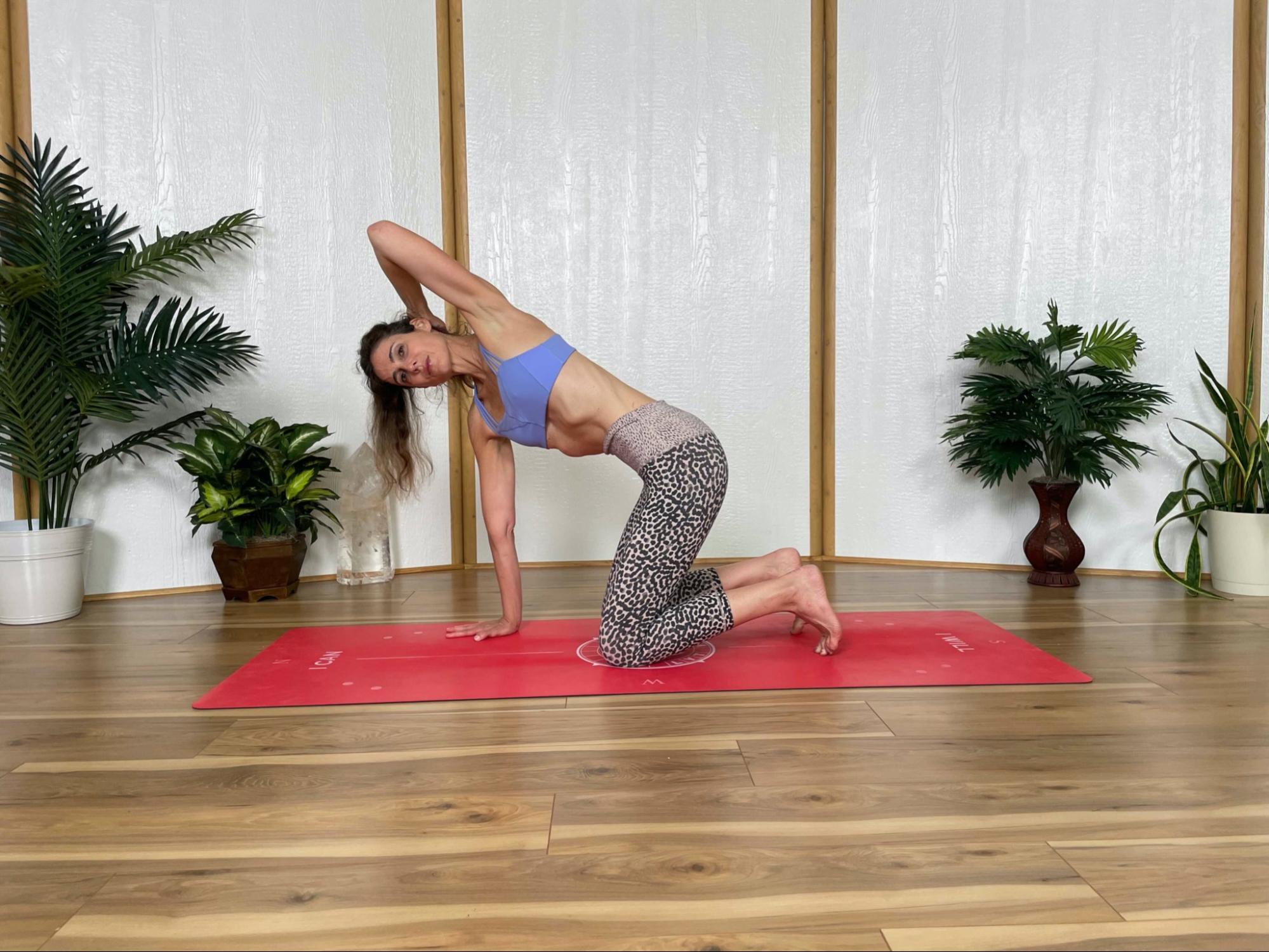
    Start off on all fours, with your knees under your hips and your wrists under your shoulders. Imagine a front line of the body from the center of your forehead to your pubic bone and draw that line tight by aligning your skull and firming your front body. Bring your left hand behind your skull and as you breathe in, turn your ribs to the left so that the left elbow points up to the ceiling and as you breathe out, move the elbow back to point toward the floor. Repeat this movement, rotating through the ribs for 15 to 20 times on each side of the body.

    Lara-joint-pain-1

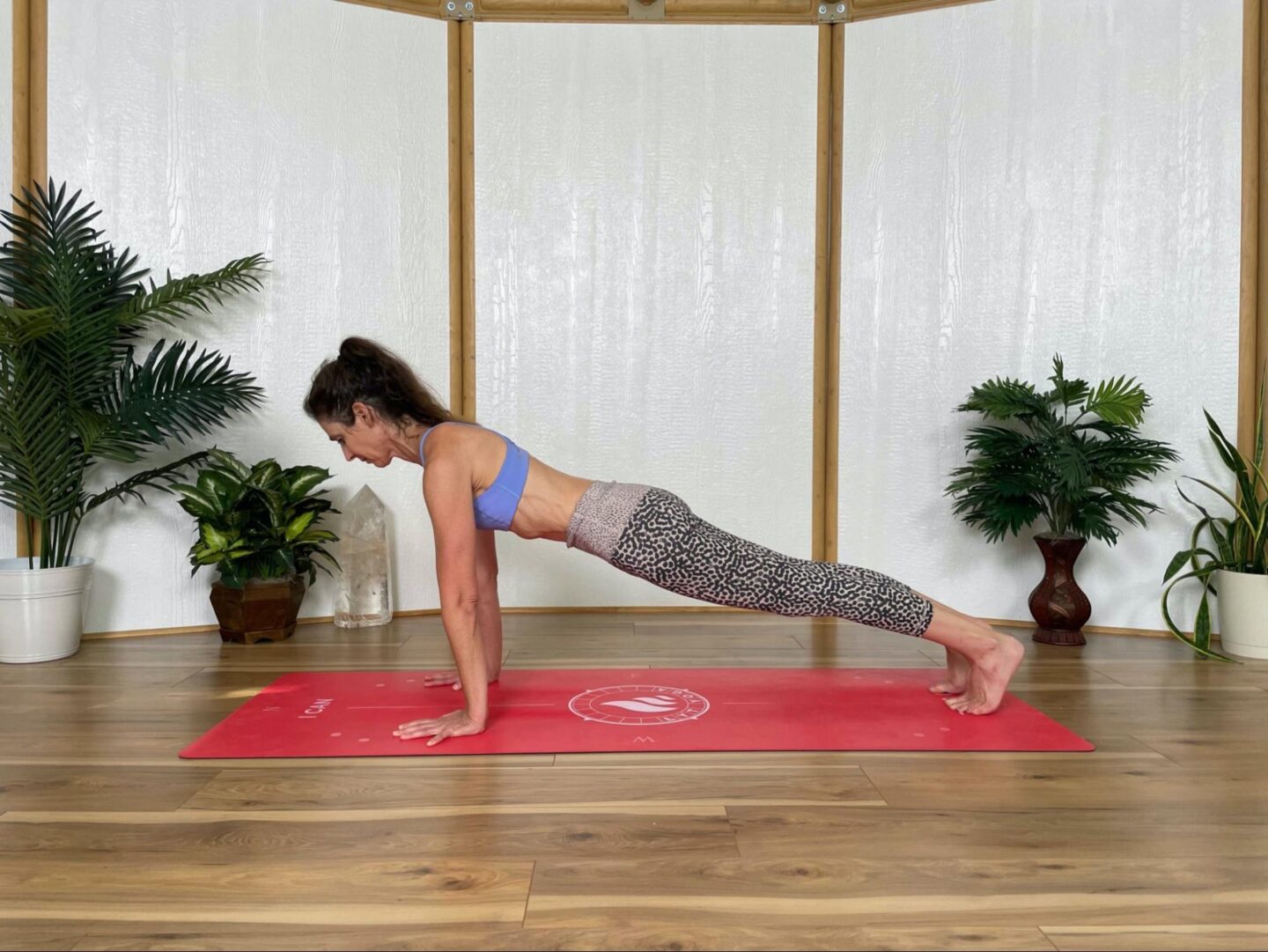
    Next, from quadruped, step your left foot back and then right foot back into a plank position. Hold the front body firm, resisting the downward action of gravity. Tighten your gluteal muscles! Then walk your feet as far forward as you can without picking up your hands, and then walk your feet back so you’re in plank again. Repeat this action for up to one minute. You are mobilizing your hips and strengthening your entire core!

    Lara-joint-pain-2

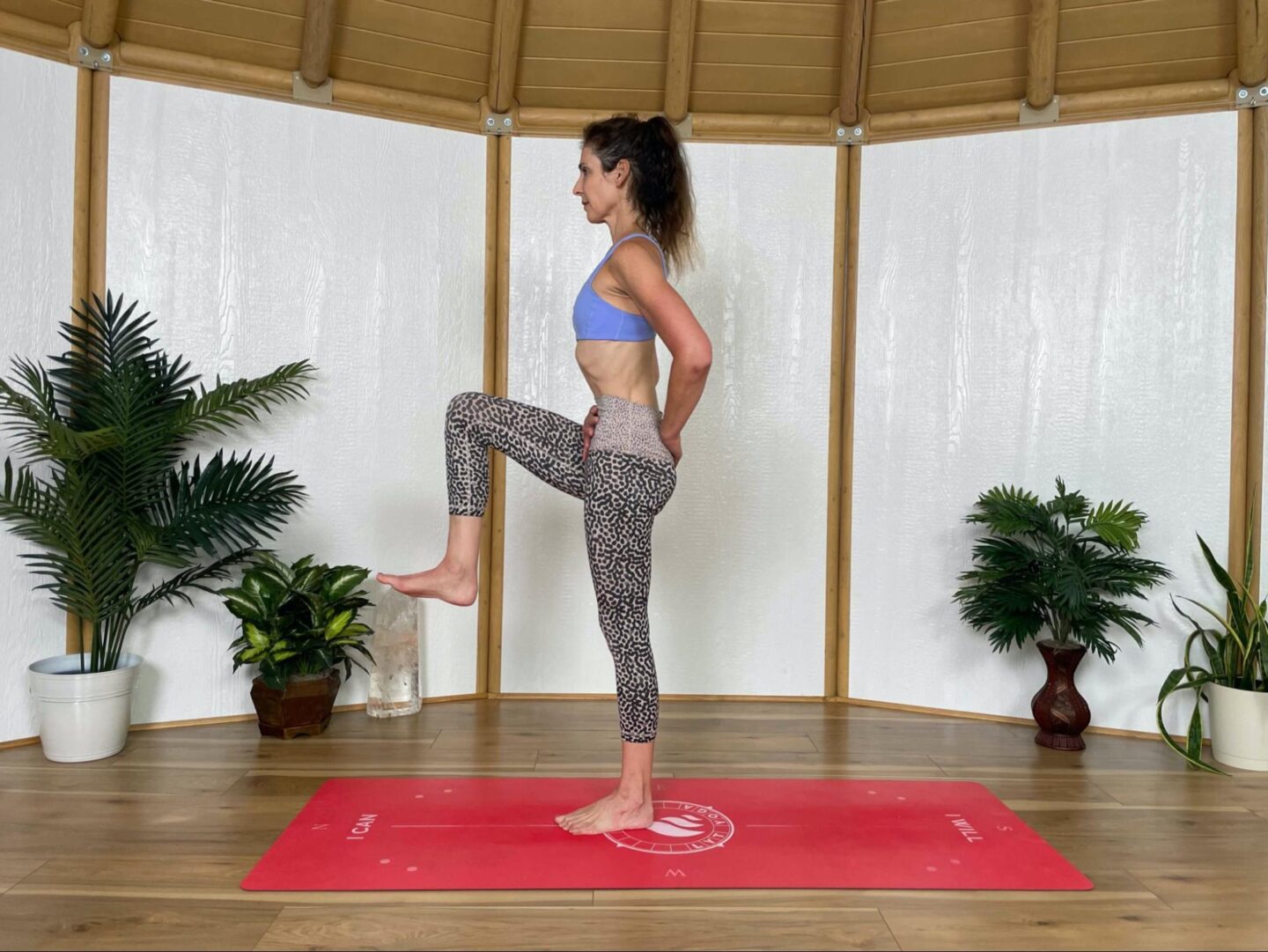
    The last time you walk your feet forward, stay forward and slide your hands up your legs to stand upright. Bring your hands on either side of your pelvis and lean your weight into your left foot. Tighten the left gluteals and lift your right knee up toward your belly. Hold in that position while keeping your abdominals strong and then windhshield wiper your right hip joint so that your right thigh swivels in and out (does not have to be a big movement to get a big feeling). While you are working on your right hip mobility, your left hip is getting stronger. Switch legs and repeat 2 to 3 times on each side.

    Lara-joint-pain-3

    Work on this sequence daily and notice the change in your joints and in your posture – it’s the prescription for happy and healthy movement! You can find more drills like this in my online daily classes at lytyoga.uscreen.io/catalog.