Tag: lifestyle

  • Feedback Friday with Janick Pic

    Feedback Friday with Janick Pic


    Today’s Feedback Friday is featuring Janick.

    She is a LYT-certified teacher and has an amazingly strong practice but I offered a few tips for her that I see as habitual pain points for other students as well.

    In LYT yoga, we reference the “triple S”, which is the alignment of the skull, scapulae, and sacrum, an alignment that is key for creating a neutral pelvis and spine for more optimal movement. Janick has some residual tension in her neck, indicating she has had struggles with a forward head position.

    Almost everyone I work with has a similar struggle because the forward head posture is its own epidemic in our modern-day lifestyle! The forward head occurs when the skull slides forward of its resting position on the first cervical vertebra, leading to increased tension in the neck muscles and often summoning the pelvis to tip forward as well. As the head protrudes forward of its optimal alignment, the shoulders will often round, but when the arms come overhead, the ribs tend to thrust forward to aid the movement of the shoulders.

    In Janick’s demo, I spotted that her head is a bit off-center with increased tightness in the neck and the impulse to thrust her ribs, even though she manages this old pattern quite well. It shows up in her modified side plank, where there seems to be a struggle between head placement and scapulae position on the thorax, resulting in the “look” of a hyperextended elbow in the bottom arm. My suggestion was to hold her head like she is holding an apple between the chin and throat to help maintain a neutral neck position.

    In Janick’s handstand, her ribs are slightly protruding due to this pattern of over lifting the head and chin and pushing the ribs forward. This residual movement pattern makes the ribs want to go forward with the head.

    In dolphin pose, I recommended holding the front ribs in to more effectively transition into her forearm balance, while actively drawing the bottom of the ribs down to the pelvis. This control of the thoracopelvic cylinder will come with more practice and extra attention to the neck position.

    These small tweaks will help her garner more stability in the center. For Janick and everyone: remember how important the alignment of the “Triple S” is in all of the movement as well as in daily life and work on getting the skull balanced on the top of the spine!


    Submit your own video for Feedback Fridays here!

  • Is it normal to pee when you jump?

    Is it normal to pee when you jump?

    by Magdalen Link


    I remember in college when I was competitively cheerleading it was a joke among my friends that sometimes we peed a little when we tumbled. A roundoff backhandspring on a hard basketball court puts a lot of pressure on the pelvic floor–but little did I know back then. I have seen this same joke play out in different ways–moms crossing their legs when they sneeze, looking at their kids saying “you did this to me!” And clinically I see it time and time again. “Do you leak when you cough sneeze or jump” I ask. “Oh yes, but I’ve had 3 kids so…


    Stress urinary incontinence is leaking (a little or a lot) of urine with any activity that increases the pressure in your abdominal cavity such as sneezing, coughing, laughing, jumping, running ect. It is very common–up to 30% of women experience stress urinary incontinence–but it is not normal. There are many factors that can contribute to the development of symptoms. Some include poor coordination, strength or relaxation of pelvic floor muscles, damage to the pubocervical connective tissue, urethral hypermobility, ect. During pregnancy your pelvic floor has not only the job of holding all your internal organs but also holding a baby. This is hard work and can lead to stretching of pelvic fascia and weakness of the pelvic floor muscles. Childbirth, particularly where forceps are needed can lead to stress urinary incontinence from damage to the pelvic floor. Chronic coughing, straining when having a bowel movement, or excessive weight gain can also lead to SUI. 


    What to do about it?

    The good news is–most of the time it is treatable! First line of treatment is conservative management which includes lifestyle changes, pelvic floor physical therapy and/or pessaries. In pelvic floor physical therapy, treatment may include pelvic floor muscle strengthening, relaxation, coordination training, optimizing your body’s ability to manage pressure, and strengthening surrounding musculature. Sometimes the pelvic floor needs a bit of internal support in the form of a pessary. A pessary is a small device that fits into the vagina to help support a prolapse of the uterus, bladder and/or rectum. If all else fails, surgery may be an option for you. 


    It is important to normalize talking about pelvic floor health so the high percentage of people who have pelvic floor dysfunction can get the treatment they deserve. So the next time you hear someone joking about their stress urinary incontinence tell them a pelvic PT can help! 


    If you want to learn more about your pelvic floor follow me on:

    Instagram & TikTok @Magdalenlink_dpt 


    Xoxo-

    Magdalen 

  • Four Steps to Heal Your Tendinopathy

    Four Steps to Heal Your Tendinopathy

    by Thalia Wynne


    Tendons are wonderful structures of dense connective tissue, largely composed of collagen, that help connect muscle to bone. Its job is to help transfer force from muscle to bone. When tendons lengthen, they store energy that then gets released through a stretch-shortening cycle. This is that springy feeling you might feel when you load up for a big jump. Tendons allow us to be adaptable in movement. 


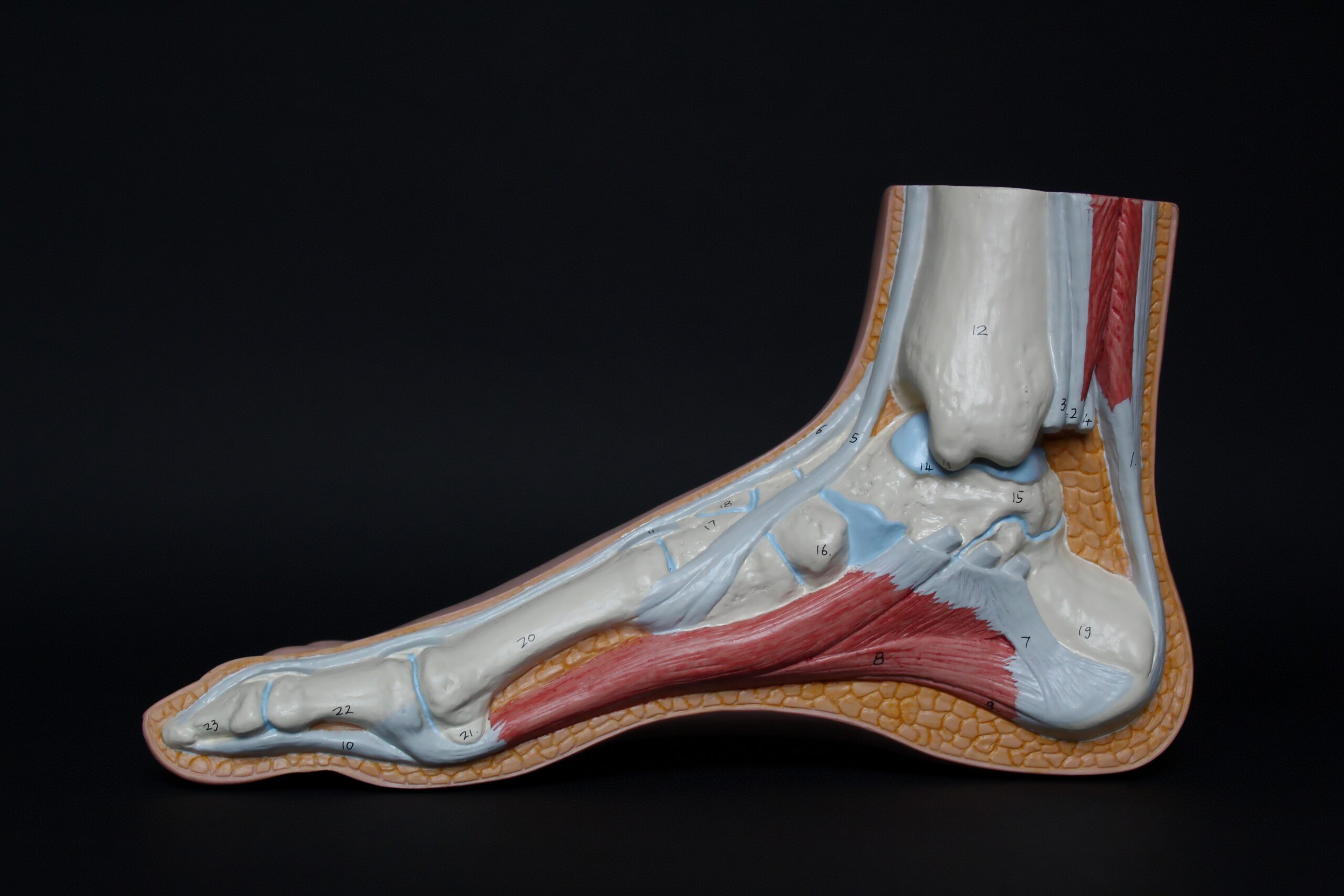
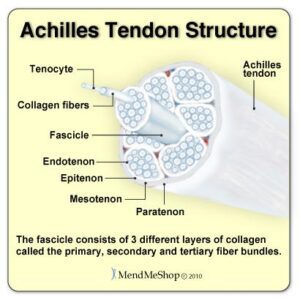
    achilles tendon


    What is tendinopathy? Tendinopathy is an injury to the tendon or paratendon (the outer casing of a tendon) that is aggravated by mechanical loading which results in a tendon being less capable of sustaining repetitive tensile loading. It’s categorized as an overuse injury. The primary cause of tendinopathy is excessive load beyond the tendon’s usual capacity. Imagine you are carrying one grocery bag into your house, which you’ve done many times before. You decide to host a big party tonight and now suddenly you carry 50 bags at one time into your home. You get it done, but the unaccustomed stress aka the sudden increase in number of bags has left you sore and tired. You decide to do the same thing the next day, and the next day. You’ve now chronically overloaded yourself past your usual ability and are in a large amount of pain because of it. In this scenario, you are a tendon, and the 50 grocery bags represent excessive load. This type of experience is what leads to tendinopathy. This can happen from a sudden increase in training, a major change in training, or participating in an activity without any prior experience in that activity. Tendinopathy is a reactive inflammatory process that can lead to permanent degeneration if not checked. 


    It can be a simple injury to treat, and many people have pain relief with conservative management. Treatment includes pain management, progressive mechanical loading, biomechanics optimization, and a graded return to activity. A great place to start if you are experiencing tendon-related pain is to find local physical therapist to coach you through a unique treatment strategy for you. In general, here is an outline of what you might expect. 

    1. Pain reduction and load management 
      1. This stage includes use of isometric exercises to heal the tendon and avoiding positions of compression or aggravation.
      2. Patellar tendon example: 60 second (non-painful) wall sit 5x with a 1–2 minute rest between reps and avoiding deep squats and plyometric activity.
    2. Transition into heavy resistant training 
      1. This phase is important because it helps rebuild the capacity of the previously injured tendon. If we use our shopping example, you are training to handle those 50 grocery bags on a regular basis in this phase.  
      2. Patellar tendon example: heavy weighted goblet squat progressing from 15 to 6 reps over time for 3-5 sets, increasing weight over time. 
      3. Please note that this phase only works if the mechanics of the movement performed are not compromising the structural integrity of the tendon. This is where a LYT yoga practice would come in handy! LYT yoga teaches smarter, safer movement patterns that teach us to be more conscious in the way we load our bodies. This makes for some happy tendons ☺. 
    3. Plyometric training 
      1. This phase is where we increase the volume and intensity placed on the tendon to retrain tendon adaptability and refine the stretch-reflex response tendons were made to do!  
      2. Patellar tendon example: adding jumps and hops into your daily LYT practice. 
    4. Return to activity 
      1. Now we put the tendon to the test in a graded return to activity program specifically laid out to also include the previous phases for tendon health maintenance while returning to the desired activity. 
      2. Patellar tendon example: a walk:run return to run progression 2 days per week, heavy strength training 2 days per week, 1 total rest day, isometric exercises as needed, and a regular yoga practice to continue building better movement habits. 


    Tendons are great structures in our bodies that allow us to be adaptable in our movement patterns when trained appropriately. They are easily made grouchy when care is not taken to load them appropriately. This includes chronically underloading them! It’s a principle as old as time. Tissue responds to the demand that is placed on it. If we are not regularly placing an adequate load on these important structures of our body, we lose the adaptability that makes the human experience more enjoyable. Don’t we all want to maintain the ability to play with the dog, run with our kids, and dance just for the fun of it? Following the principles of tendon health explained in this article will help us do just that ultimately so we can live long, pain-free lives with better movement and happy tendons. 


    Happy movement and love always, 

    Thalia Wynne, PT, DPT, AT

    @thalialovee 


    Sources: 

    Image: https://aidmyachilles.com/achilles-tendonitis-injury/achilles-tendon-anatomy-function.php 

  • Vegan Chocolate Covered Strawberries

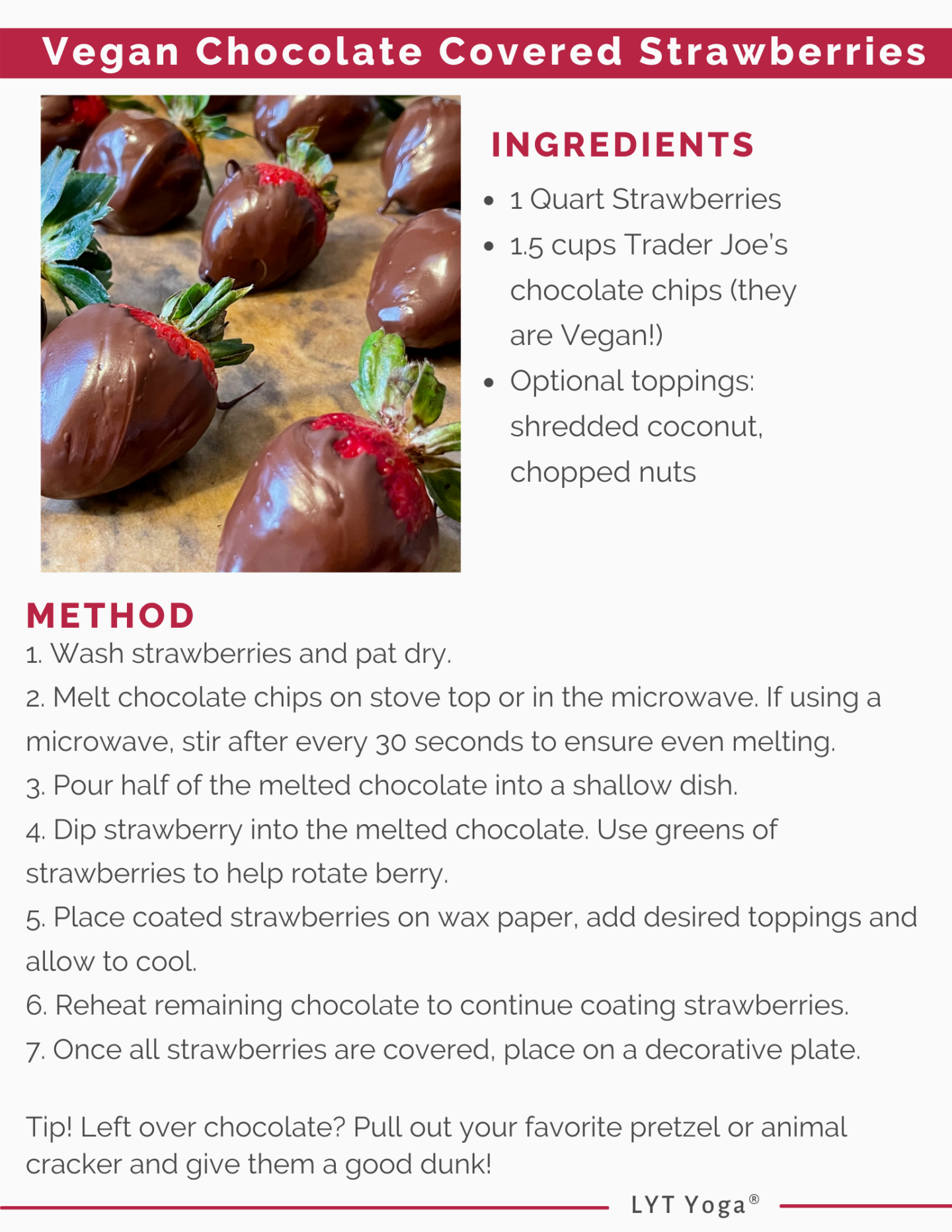
    Vegan Chocolate Covered Strawberries

  • How to Adapt Your Yoga or Movement Practice for Pregnancy – Volume 1

    How to Adapt Your Yoga or Movement Practice for Pregnancy – Volume 1

    by Kaitlin Acharya


    Welcome! 


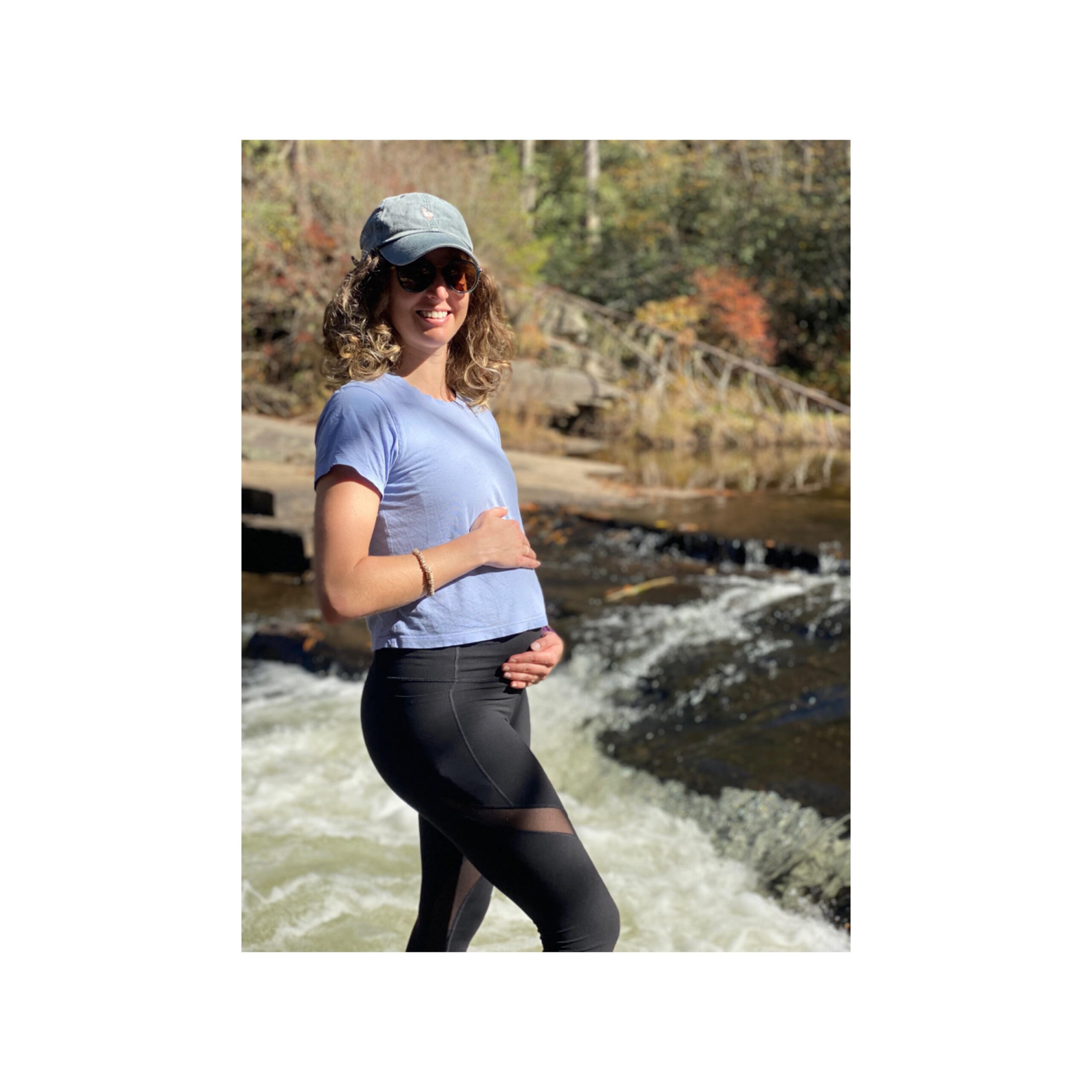
    First & foremost, I assume you are here because you are either thinking about getting pregnant, trying to conceive (TTC), are currently pregnant or you know someone going through one of these life stages and want to better support them. If you are still thinking about pregnancy, I hope this series shows you that you can maintain a movement practice and its benefits while pregnant. If you are TTC, hang in there! I personally know how long it can take and how frustrating it can be. If you are pregnant, I want to give a huge congratulations! If you are a support person (maybe a partner or close friend or family member), good on you for checking this out to help your loved one go through this special, but often uncertain time in their life. 


    Should I Exercise While I’m Pregnant?

    There tends to be two groups of pregnant people interested in movement and exercise – those who have a consistent and regular movement routine and want to continue it during pregnancy and those who want to start exercising or moving because they are pregnant and recognize it could have benefits. This series will focus more on the former group, but that doesn’t mean it won’t be unhelpful to the latter. 


    You might be surprised to learn that research has shown exercise during pregnancy to have no real effect on the health of the baby. So if you are looking to start an exercise or movement routine for the health of your baby, statistically it may not have the desired effect. This is also good news for people who want to exercise during pregnancy but cannot for some reason (placenta previa for instance is a condition that doctors will often recommend very limited movement for the duration of pregnancy) – if you are worried about how losing most of your movement routine will affect your baby, rest safely that it likely will not. However, exercise and movement do have benefits for mom. Exercise and movement improve mental health, which can have physiological effects on the body and therefore on your baby. In addition, exercise and movement performed correctly and with a focus on breath and body awareness (more on this below) can lead to a shorter and more efficient labor and improve recovery of your pelvic floor postpartum. Furthermore, yoga has been shown in a couple of small studies to reduce pain during labor and lead to shorter stages of first-stage labor.** Again, these studies were small, but as a yoga teacher and practitioner myself, I can attest to the power and strength that yoga brings to the body and mind – all of which you will need throughout your pregnancy journey. 

    **Everything (except the sentence where I state my own “argument”) mentioned in this paragraph before the double asterisks is from Emily Oster’s book “Expecting Better” (thank you to one of my best friends, Lindsay, for lending to me. As a self-proclaimed data nerd, this book was awesome.) Emily evaluates the data behind accepted rules of pregnancy to better inform decisions from what to eat to the efficacy of prenatal testing. The book was last updated in 2019, so there are possibly newer studies that have been done on the effects of exercise during pregnancy.


    More specifically, the LYT™ method is specially focused on posture and core – two areas that suffer greatly during pregnancy. Posture can affect the position of the baby as you get closer to delivery, possibly reducing the need for interventions during labor, and regaining core strength postpartum is especially important for mom’s health. A weak core can affect the body in many ways, the most “popular” of which being low back pain and specifically postpartum, incontinence issues due to the pelvic floor (part of the core!) being weak as well. I don’t think anyone wants to be dealing with low back pain, wetting your pants when you cough, sneeze, or laugh, AND a new baby on top of it all.


    Getting Started

    Pregnancy is a huge stress on the human body. Exercise and movement are also stressors to the body so you should expect them to look and feel a lot different than they did before you were pregnant. In general, the intensity will be toned down, but there are still so many ways to move comfortably and safely. Also, please always make sure to check with your doctor before engaging in physical activity.


    Finally, before we head into looking at the first trimester, breath and body awareness are key to safe movement during (and after) pregnancy. If there was ever a time to get more in tune with your body, it is ideally before you get pregnant but if not, certainly when you are pregnant. For my fellow athletes out there with the “no pain, no gain” attitude ingrained in them – this is not the time to listen to that voice! (nor is there ever a time to listen to it, but that’s a story for a different blog post). To ensure a speedy and healthy recovery post-partum, it is crucial that you lower intensity when your body tells you to, which is often in the form of pain. This doesn’t mean you can’t move at all, but maybe lower the weight or stick to bilateral movements instead of unilateral movements or maybe it means going for a gentle walk instead of the cycling class you had planned. Learning how to breathe properly will help increase your body awareness and prepare you for postpartum return to movement. All of which I cover in my classes and private sessions. Stay tuned for the next post to explore movement in the first trimester.

     

    1st trimester

    Congratulations on your pregnancy!


    The first trimester is often the toughest trimester for many pregnant people due to the immediate increase in hormones that start to change and affect your body. Motivation to move during these three months may be difficult, but it can also help you to feel better, if only for a few hours. We’ll start first with the core and breath, which I believe set the foundation for a healthy movement practice while pregnant and also postpartum. As I briefly mentioned above, movement during pregnancy is not just for your present body – it is also for your postpartum body so that you can feel your best and be your best for your new little one and others.


    Start Core & Breath Work Now

    If you’ve never learned how to engage your core correctly, now is the time. The LYT™ method teaches core and breath in tandem, which makes perfect sense when you look at the roles the diaphragm and the pelvic floor play in our core container. I like to teach what is often called diaphragmatic or 360-degree breathing. I actually have another blog post about this type of breathing – check it out!


    Learning how to activate your core properly now, at the beginning of your pregnancy, will set you up for success at the end, for labor, and also postpartum. As your body’s posture continues to change throughout the next 9 months, your knowledge and awareness of your core and breath will help you maintain as neutral of a posture as possible, which will limit some of the typical 2nd and 3rd-trimester aches and pains that you may experience later on.


    A note on baby safety – core work and yoga do not cause miscarriage, however, the risk for miscarriage is highest during the first trimester. This does not mean you shouldn’t move or do core work, but do what you feel comfortable doing.


    Practice What Feels Good

    Speaking of doing what you are comfortable with, you may not be comfortable doing much of anything. You may be feeling really weak and nauseous or extremely tired or any of the other fun first trimester symptoms that many pregnant people experience. Listen to your body and do what feels good, which might change day-to-day. Personally, there were days when I didn’t want to move, but when I did I felt better afterwards, and there were days when I could not even get up off the couch and movement did not happen and that is ok! First trimester for me was about learning to let go of expectations and control*, almost as if my body was preparing me for first-time parenthood!

    *In all honesty, still working on the relinquishing control thing. 😆


    If you do choose to move, here are some things to consider. Your abdominal muscles are likely not going to be stretched out at this point to cause any damage to the abdominal fascia when doing core work, which is another reason why I suggest learning core control now so you can feel what it is supposed to feel like with a relatively normal core structure. However, you may have a lot of bloating due to hormones, heartburn, and/or pelvic sensitivity. Core work can help with bloating, so can yoga, but you may notice inversions like Down Dog, Dolphin, and Handstands or even just lying flat on your back worsen your heartburn so you may want to avoid those positions. Lying on your stomach is still pretty safe since the baby and your uterus are so small at this stage, but it may not feel right for you and you can always stay on your hands and knees. It’s also generally a good idea to avoid contact sports or activities where your risk of injury is typically high.


    Speaking of handstands and other balancing poses or activities, you may notice your limbs feel more loose and even a bit more wobbly than usual. This is due to the hormone relaxin that is already hard at work relaxing your ligaments to prepare the body for your growing baby and birth. This and your center of gravity already beginning to change all make balancing poses more difficult. Pre-pregnancy I did handstands every day – I love them. But probably around 10-12 weeks I stopped doing them because my wrists just didn’t feel stable enough and I did not want to risk falling and hurting myself or my baby. If you’ve been handstanding since you were 5 years old in gymnastics, then maybe you will feel comfortable continuing throughout pregnancy, but I advise against pushing yourself to do something. If you’re already questioning whether you should do a movement or activity, you probably shouldn’t.


    Stay tuned for second-trimester tips coming soon!


    by LYT teacher Kaitlin Acharya

    Website: www.yogakaitlin.com

    Instagram: @yogakaitlin
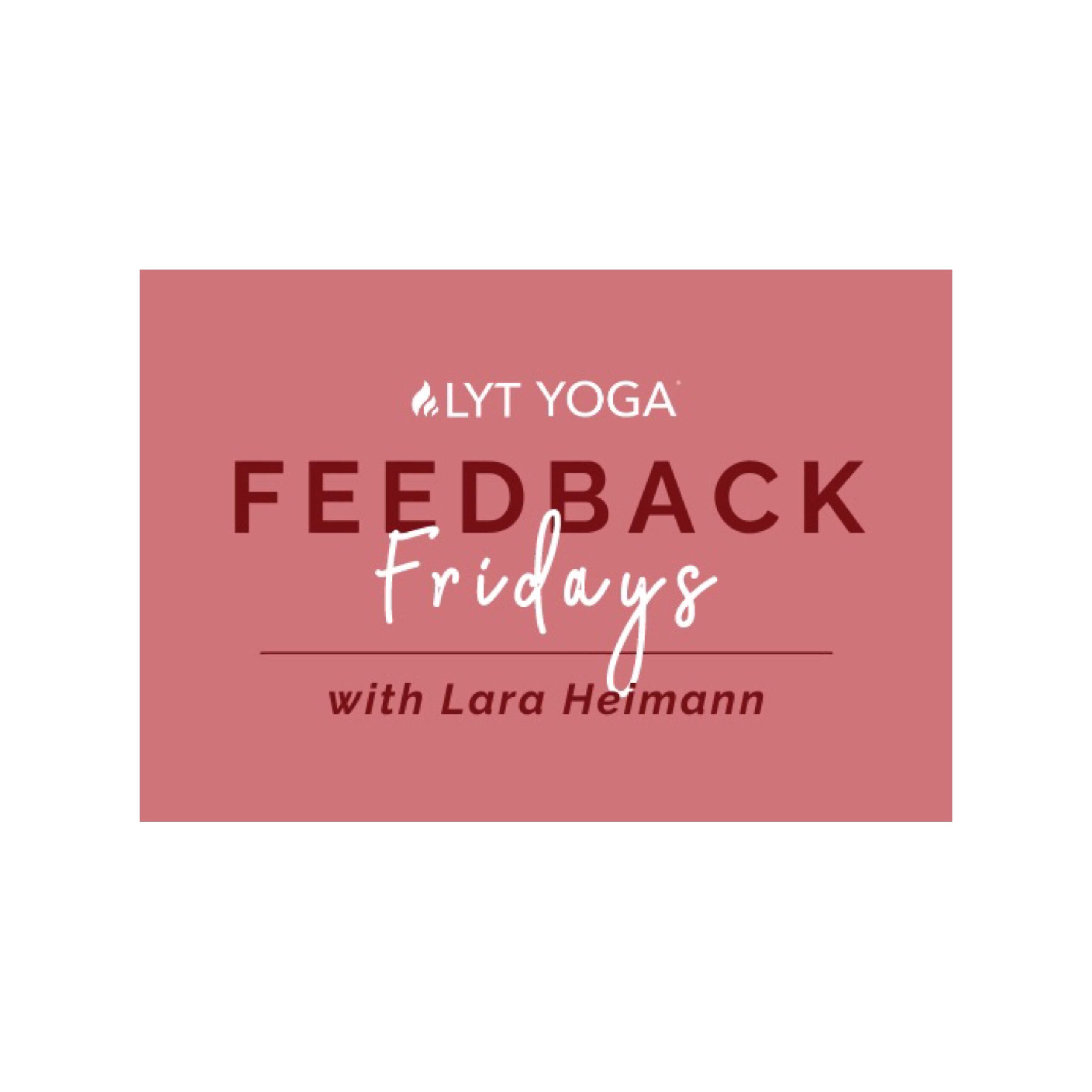
  • 1-Pot Vegan Lentil Soup

    1-Pot Vegan Lentil Soup

  • Why Am I Sore?

    Why Am I Sore?

    by Thalia Wynne


    It’s January, my beautiful friends! And for a lot of us, that means using the inspiration of a fresh year to embark on wellness journeys galore. If you’re reading this, you’ve likely decided that a daily movement practice is part of your mission to thrive in 2022. You’re two weeks into that new training program and man, are you sore. Or maybe you’re like me and you are years into making exercise a habit. If this is you, do you ever think “If my workout doesn’t make me sore, I didn’t work out hard enough?” Ever heard the phrase “No pain, no gain?” Well, don’t believe it. It’s a lie. Let’s talk about the science behind muscle soreness. I’ll bust the myth that you must be sore to make progress and teach you ways to treat it so you can show up to LYT daily ready to move and get LYT up! 


    In scientific literature, muscle soreness is termed DOMS (delayed onset muscle soreness). It’s an exercise-induced phenomenon that leads to a sensation of pain and stiffness with intensity of symptoms peaking after one to three days. It is more common after unaccustomed physical activity and specifically caused by eccentric loading. There are several theories in literature of specific physiological mechanisms that cause DOMS but there are three general ideas you need to know. One, there is an inflammatory response occurring. Two, it’s not just happening in your muscles. Fascia is the higher pain generator in this experience. Three, hormone fluctuations throughout the menstrual cycle effect DOMS. This means if you are a female in your reproductive years, you need to train differently through different phases of your cycle. P.S. DOMS has nothing to do with lactic acid build up. That’s been debunked! 


    In addition to causing discomfort and pain, research has shown DOMS to decrease joint mobility, alter joint kinematics (the way your joints move), decrease strength and power, alter muscle recruitment patterns, and reduce our capacity to efficiently absorb forces such as when running or jumping. To sum it up, being sore is negatively impacting your ability to perform and train well. Therefore, we want to avoid soreness when possible or, at the very least, modify our training when we are sore so that we minimize risk of injury. 


    So, what do we do to treat it? DOMS is simple to treat. If you are not a professional athlete who is required to train two or more times per day, you could wait for your soreness to decrease and then start training again. But we’re #thrivingin2022 and want to minimize DOMS effect on us so we can keep showing up to the mat every day, right?! This community does what we can to keep our bodies healthy and ready for movement. Here’s what the literature says about treating DOMS. 


    Our fascia is rich with sensory receptors and highly sensitive to pain and inflammation, playing a key role in our perception of soreness. Self-myofascial release is one of the most supported treatments to reduce pain and address fascial alterations after strenuous exercise. Methods such as foam rolling, vibration tools, and self-massage are great post-exercise recovery tools. Also try out the fascia section of LYT daily! Compression garments have been shown to reduce DOMS, likely through reducing the space available for swelling and edema. Contrast water therapy (alternating between hot and cold) and cold-water emersion have moderate evidence for reducing DOMS. Although not as effective as massage, active recovery will decrease soreness, but effects are temporary. You won’t feel sore for a short time during and after you move but soreness will likely return afterwards. Stretching and icepacks or ice-massages have no evidence to support their use for treating the effects of DOMS. Prophylactic nonsteroidal anti-inflammatory drugs (NSAIDS) have been supported, although I would not recommend this due to other side effects. There are a variety of supplements that are shown to reduce inflammation that you can try instead such as curcumin or tart cherry juice. For women, lower your training load or add longer recovery periods during the early follicular phase. This is where sex hormone concentrations are low and women are more vulnerable to muscle damage. Mid-luteal phase, estrogen, progesterone, and testosterone reach peak concentrations so this is a great time to increase your strength training as DOMS effects will be minimal. 


    Muscle soreness can range from quite mild to intensely irritating. Try the recovery tools mentioned above and see how they help mitigate soreness and keep you fresh for your next yoga practice. Personally, I take a preventative approach to DOMS with supplementation, foam rolling after I train (even if I don’t feel sore at the time), and by adjusting my training intensity according to my menstrual cycle. If you liked this article, DM me and let me know what your favorite recovery routine is. I’d love to hear from you. 


    Xo, 

    Thalia Wynne, DPT, PT, AT 

    IG: @thalialovee 

  • Personal Productivity

    Personal Productivity

    by Tim Bantham


    We live in an age where the lines have blurred between our work and home life. The delineation between the two has become way less defined. Along with this change, there is an increased demand on our time and attention. Now more than ever having the ability to stay productive is an essential life skill. For me, personal productivity is a goal that I am constantly pursuing. It is also one that has evolved through the years. Staying productive and finding a system that works is a personal choice. I encourage you to keep an open mind. The system I’m about to share works well for me but your mileage may vary. 

    A good system

    The key for me to maximize my personal productivity is setting myself up for success by having a good system. My system is digital and I rely on certain tools both on my laptop and my iPhone. You may be more comfortable with pen and paper. Nothing wrong with that. I just happen to like using digital applications for this.

    I am a big fan of Evernote. One of the key features of Evernote is that it just works. Any notes that I add on my laptop automatically show up on my phone. I use Evernote for just about every list I create. Lists are a big part of my life and a key component of maintaining my sanity.  I also use Evernote as part of my weekly review that I’ll touch on later. 

    Like Evernote, Todoist is another indispensable app that I love. I use Todoist for all of my projects both at home and work. These projects may be thoughts, ideas, or full-blown projects with multiple related tasks. All of these go into Todoist.  As an idea pops into my head I’ll open Todoist on my phone or laptop and enter it in. Every new task or idea funnels into an inbox within Todoist which I’ll later review as part of my weekly planning. (more on this later) For my calendar, I use iCal on my laptop and phone. Having just one calendar system is key. You don’t want to have a multitude of calendars scattered about the digital universe. One calendar, one system. 

    The Weekly Review

    Once a week, usually on Friday mornings,  I’ll sit down undistracted for approximately an hour to conduct my weekly review. The steps are as follows: 

    1. Process Inboxes – This is not time to do actual work. I use this time to go through my emails and the inbox on my Todoist app. I delete emails that I don’t need which is almost all of them. Emails that do require attention will go into my Todoist as a task with an assigned date.
    2. Planning and Organizing – Here I process loose paperwork and actually schedule tasks identified in Todoist. I’ll also spend time with my calendar looking at the week and month ahead. 
    3. Mind Dump – The next step is to free my brain of all of the things that I may be thinking about. Anything that I either want to do or think I might want to do gets typed out in either my Evernote or Todoist. The objective is to set my mind free. Doing so increases my chances of remembering things and allows me to do a better job at staying in the moment.  
    4. Review Todoist – One of the features of Todoist is that it archives a history of your completed tasks. I find it helpful to review what I’ve already done in the week prior. This helps build confidence that my system is working and that my productivity is measurable. 
    5. Review Long Term Goals – I credit author and blogger, Chris Guilebeau, with introducing me to the concept of conducting an annual review. You can check out his work at chrisguillebeau.com The idea here is to carve out a significant amount of undistracted time to take stock of your life. Use this time to plan and set goals for the upcoming year.  Each week, I review long-term goals that I had set for myself during my annual review. I want to be able to gauge whether or not I am on track with the things that I had planned to accomplish. If not, I assess why or why not and ask what may be holding me back. If there is a specific task that gets me closer to reaching a certain goal I’ll make sure it’s in my Todoist with an assigned date. 
    6. Ask Questions – What went well? What didn’t go so well? What should I start doing? What should I stop doing? What should I continue? 
    7. Prioritize Tasks – Looking at the week ahead I’ll map out what are the most important things that need to get done and I assign priorities to each. I use the flags within Todoist to organize and prioritize. An item marked as P1 or Priority 1 is the most important thing for that day. Once I complete those I move on to P2 and then finally to the P3 tasks. 

     Putting the plan into action

    Each day when I wake up the first thing I’ll do is crack open my laptop and practice LYT Daily. I bet you knew that I was going to say that! Why of course I practice LYT every single day!! The early morning hours are the time I get to myself. My movement practice is non-negotiable and the best time to get that done is first thing.  

    When I sit down to start my workday I’ll review my Todoist for the action items that need completion. Since I already spent time prioritizing and assigning dates to tasks during my weekly review I’ll have a road map for my day in front of me. Some tasks are reoccurring and others are not. Todoist allows a lot of flexibility to create projects with related tasks. Any task that has a date will show up in my Todoist on the date that I had assigned to it. From there it’s just a matter of checking off items from my list by using either the Todoist app on my phone or laptop. Although rare, the best days are when I can check everything off of my list. If I don’t get to everything on my list it will carry over as an overdue task on my Todoist. From there I can reassign a date to the task or just complete it at the next opportunity. 

    A few more tips 

    Remain flexible and adaptable – There are going to be days when life happens right? Things come up and that takes you off of your game. Learn to be ok with that. You just need to adjust and move on. Use your system to maintain order.

    Stay disciplined – Whatever system you use you need to be disciplined about applying the steps. It’s ok to be fluid and allow for adjustments that will enable the system to work for you. Once you commit to staying organized and productive, stick with it for a while to see if it works. If not, don’t be afraid to make adjustments as needed. 

    Be kind to yourself – I’ll let you in on a secret. I am not the most organized person in the world. I lose things often, I forget things and I don’t always stay focused. The one big thing that I have learned through the years is to allow myself some grace. Personal productivity, like many things in life, is constantly evolving. Responsibilities change, life situations change and there are many distractions we all have to contend with. Find what works for you and don’t be too hard on yourself if you don’t get to everything. Keep working at it and you will soon be on the path to improved personal productivity and more freedom. 


    Tim Bantham