Tag: health

  • 723. Wednesday Q&A: Cold/Heat, NeuroKinetic Therapy, & Piriformis Syndrome

    723. Wednesday Q&A: Cold/Heat, NeuroKinetic Therapy, & Piriformis Syndrome


    In this Wednesday Q&A, we answer your questions about to cool or heat an injury, neurokinetic therapy, and piriformis syndrome.


    Your questions:

    • In case of an injury, say muscle soreness or a twisted ankle, would you still recommend ice and cooling or moderate heat?
    • What are your opinions on NeuroKinetic Therapy as a modality of physiotherapy? There seems to be a divide in opinions, curious to know what you both think!
    • Piriformis syndrome – Can you explain what it is? Exercises to help out.


    To learn more, and for the complete show notes, visit: lytyoga.com/blog/category/podcasts/


    Do you have a question?


    Sponsors:


  • 721. Wednesday Q&A: Energy Levels, Posterior Pelvic Tilt, & Forward Head

    721. Wednesday Q&A: Energy Levels, Posterior Pelvic Tilt, & Forward Head


    In this Wednesday Q&A, we answer your questions about high energy levels, how to correct a posteriorly tilted pelvis, and forward head and neck hump help.


    Your questions:

    • You two seem to have a lot of energy, share the secret sauce.
    • I’ve wound up over correcting my anterior tilted pelvis and created a slight posterior tilt. What would you both recommend to correct this?
    • My forward head is getting worse. Why do I have a neck hump and what can I do to get rid of it?


    To learn more, and for the complete show notes, visit: lytyoga.com/blog/category/podcasts/


    Do you have a question?


    Sponsors:

    • Visit almondcow.co/shop and use code LARA for a discount off your purchase!
    • Check out and sign up for LYT Daily and The LYT Studio, including our 1-week FREE trial of each here with this exclusive 20% off coupon code (LYTPOD24): https://lytyoga.uscreen.io
  • Vegan Broccoli Salad

    Vegan Broccoli Salad


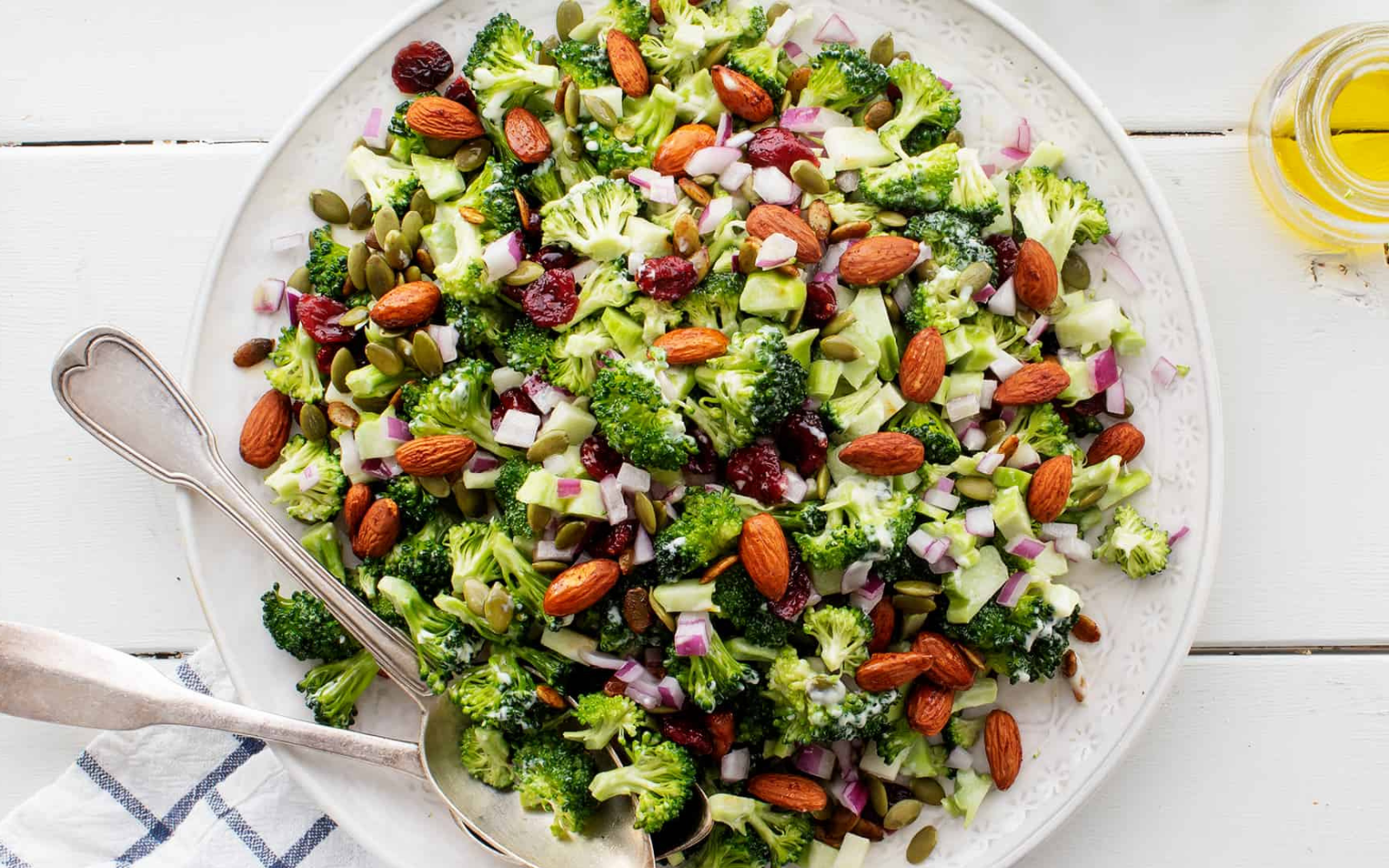
    With the unofficial start to summer kicking off this weekend, this 5-step vegan broccoli salad recipe is the perfect easy cookout side dish! Tangy, refreshing, and full of yummy sweet and salty flavor, it’s a lighter version of the classic recipe, made with less mayo and no sugar, meat, or dairy.
    Ingredients
    1 pound of broccoli crowns
    3 tablespoons of extra-virgin olive oil
    3 tablespoons of Avocado Oil mayonnaise
    1½ tablespoons of apple cider vinegar
    2 teaspoons of Dijon mustard
    1 teaspoon of maple syrup or honey
    1 garlic clove, minced
    ¼ teaspoon of sea salt, more to taste
    ⅓ cup diced of red onions
    ⅓ cup of dried cranberriesSmoky tamari almonds:
    ½ cup of almonds
    ½ cup of pepitas
    1 tablespoon of tamari
    ½ teaspoon of maple syrup
    ¼ teaspoon of smoked paprika,  more to taste
    Instructions
    1.      Preheat the oven to 350°F and line a baking sheet and parchment paper
    1. Chop the broccoli florets into ½-inch pieces and any remaining stems into ¼-inch dice. Peel any woody or course parts from the stem first.
    2. In the bottom of a large bowl, whisk together the olive oil, mayo, apple cider vinegar, mustard, maple syrup, garlic, and salt. Add the broccoli, onions, and cranberries and toss to coat.
    3. Place the almonds and pepitas on the baking sheet, toss with the tamari, maple syrup, and smoked paprika and spread into a thin layer. Bake 10 to 14 minutes or until golden brown. Remove from the oven and let cool for 5 minutes (they’ll get crispier as they sit).
    4. Toss the almonds and pepitas into the salad, reserving a few to sprinkle on top. Season to taste and serve.
    Pro-tip!  Chop the florets into roughly ½-inch pieces. Dice the stem into smaller ¼-inch pieces.
  • Resistance Training and Metabolism

    Resistance Training and Metabolism

    As I near the golden age of 50 in just a few short months, I find myself more and more interested in resistance training and its benefits. As a matter of fact I just joined a gym for the first time in well over a decade and the weight room is the main reason! I love that LYT has been focusing on the benefits of resistance training this month and one benefit that I’ve always heard about but never really understood the “why” behind was how it improves one’s metabolism. Knowing that menopause is right around the corner has me concerned about how my metabolism may be impacted. Full disclosure is that I’ve always been blessed with a high metabolism, but I’m concerned and expect that one day that will change. So I decided to do a little research on how resistance training and metabolism. 


    The first question that one could ask is what exactly is metabolism? Simply stated, it’s the chemical reactions in the body’s cells that change the food we eat into energy, which we need to move, breathe and think. Thousands of metabolic reactions are happening at the same time to keep our cells healthy and working. The resting metabolic rate is the rate at which a person’s body burns energy in the form of calories while at rest. This can be affected by a person’s genetic makeup, health issues, and by body composition, which is where resistance training comes into play. 


    When we exercise, we are breaking down and rebuilding muscle. Research has shown that resistance training creates a higher degree of muscle damage than aerobic training, and the muscle protein repair/synthesis process is an energy-demanding metabolic process. Estimates suggest that every pound of muscle burns roughly six calories per day at rest. While this may not seem like a lot, it’s three times as many calories as a pound of fat, which burns roughly two calories. So since lean muscle is more metabolically active than fat, a body with more muscle mass will burn more energy (calories) even at rest. This equates to an increase in the resting metabolic rate. Unfortunately for us, starting as early as age 30 the body begins to slowly lose muscle mass. Women lose up to 15% of the total body muscle per decade by the age of 50. So not only are we losing strength, but our metabolism is slowing due to the decrease in muscle as well. 


    In addition to changing body composition by increasing the amount of lean muscle, resistance training has been shown to increase the excess postexercise oxygen consumption (EPOC) as compared to steady-state aerobic training, like walking or jogging. Also known as oxygen debt, EPOC is the amount of oxygen required to return the body to its resting metabolic rate and explains how your body continues to burn energy after you’ve finished your workout. Similar to how a car has to cool down after it has been running, the body continues to burn calories at rest for a period of time after you exercise. Yet another metabolic perk for resistance training!  


    However, not all resistance training modes are created equal when it comes to metabolic benefits. Higher exercise intensities produce higher EPOC values. Performing compound exercises such as squats, deadlifts, lunges, pull-ups, etc, which recruit the most amount of muscle, and doing them at higher intensities such as HIIT (or plyometric LYT classes), are all great options for higher EPOC values. The same is true for lifting weights to stimulate the most muscle growth for increased metabolism. Finding the resistance that is heavy enough for you to perform only 8-12 reps per set with proper form will increase muscle size as compared to muscular endurance. Increased muscle mass yields increased metabolism…I think we see a pattern here.


    I don’t know about you, but I’m properly convinced to stay on my LYT mat doing my online classes which are full of compound bodyweight resistance training movements for the long haul. I’m also convinced that maintaining muscle mass as I age is a good step towards maintaining if not increasing my metabolism as well. If you haven’t checked out our Monthly Challenge called “Get Pumped”, you should! It’s full of resistance training coupled with our traditional LYT method blueprint. A definite win-win situation!


    Xoxo,

    Kristin

  • 720. Wednesday Q&A: Spinal Discs, Self-Consciousness & ACL Surgery Advice

    720. Wednesday Q&A: Spinal Discs, Self-Consciousness & ACL Surgery Advice


    In this Wednesday Q&A, we answer your questions about spinal and herniated discs, self-consciousness and ACL surgery advice.


    Your questions:

    • Can please you explain how the (spinal) disc functions and is there a cure for herniated discs?
    • What do you suggest for feelings of self-consciousness or intimidation in gym or group fitness settings?
    • What’s the best advice for healing an ACL surgery as a competitive runner?


    To learn more, and for the complete show notes, visit: lytyoga.com/blog/category/podcasts/


    Do you have a question?


    Sponsors:

  • The Power of Strength Training and Why It’s Essential for Your Health

    The Power of Strength Training and Why It’s Essential for Your Health

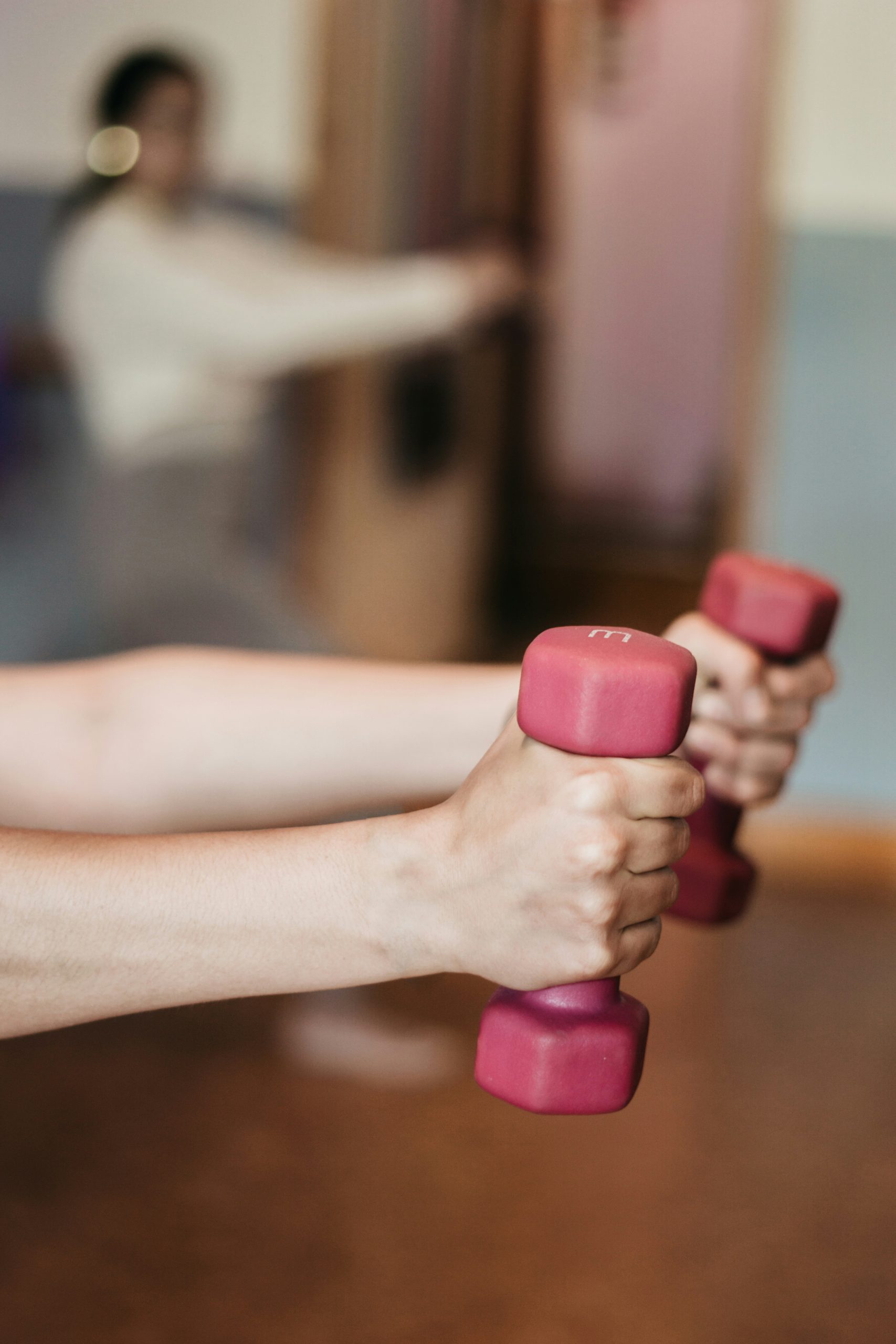
    In a world filled with fitness trends and workout fads, one cornerstone remains true: strength training. Beyond the pursuit of beautiful muscles, strength training offers many benefits that go far beyond aesthetics. From improving overall health to enhancing daily functionality, strength training is an essential ingredient for daily life and longevity. Strength training (or resistance training) is a type of exercise that causes your muscles to resist an external force; this training intentionally loads the muscles and bones and can be performed using your own body weight, and/or outside weight via dumbbells, kettlebells, weight racks, or resistance bands. Strength training is truly having its day in the media spotlight and so to get you on board, let’s look at all the reasons that we should be doing it. 


    Strength training increases muscle mass, which in turn boosts your metabolism. Unlike cardiovascular exercise, which primarily burns calories during the activity, strength training leads to an “afterburn effect” where your body continues to burn calories even after the workout is over. This impact can help you maintain a healthy body weight to move more efficiently and joyfully in all decades of life. We know how amazing a LYT online class makes us feel- during and after- both physically and mentally. Exercise has long been associated with improved mental well-being, and strength training is no exception. The release of endorphins during exercise helps alleviate stress, anxiety, and depression, leaving you feeling happier and more energized.


    Strength training also improves muscular strength and endurance. This endurance not only makes daily tasks easier but also enhances athletic performance and reduces the risk of injury during physical activity. More than merely adding resistance to your routine, smart strength training involves movements that promote joint flexibility and mobility. By strengthening the muscles surrounding your joints, you can reduce the risk of injury and improve overall joint health. Specifically, working compound movement patterns (also known as functional movement like we incorporate into our LYT practice) such as squats and lunges enhance your ability to perform daily life activities with ease and independence. Maintaining strength and mobility is essential for maintaining independence as we age, and it is never too early to prime your body for lifelong musculoskeletal health. As we age, bone density naturally decreases, leading to an increased risk of fractures and osteoporosis. Strength training stimulates bone growth and helps maintain bone density, reducing the risk of fractures and promoting overall bone health. 


    Strength training will help older adults stay active, reduce the risk of falls, and improve overall quality of life. Because strength training improves functional capacity by enhancing muscle strength, power, and endurance, we can improve performance of activities of daily living such as walking, climbing stairs, lifting objects, and maintaining balance. By improving functional ability, strength training enables older adults to remain independent and active for longer.


    With aging, especially for women who are going through or are in menopause, strength training becomes increasingly important due to factors related to aging and hormonal changes. Age-related muscle loss, known as sarcopenia, begins as early as the fourth decade of life and accelerates after the age of 65. Strength training helps counteract this loss by stimulating muscle growth and preserving existing muscle mass. Osteoporosis, or loss of bone density, is common among older adults and increases the risk of fractures and falls. Strength training, particularly exercises that load the bones such as resistance training, can increase bone density and reduce the risk of fractures, thus promoting bone health and longevity. With falls in the elderly being a leading cause of injury and mortality, strength training proves its worth by improving balance, coordination, and proprioception, all essential ingredients for preventing falls. By strengthening muscles and improving stability, strength training reduces the risk of falls and associated injuries, thereby enhancing safety and quality of life. Additionally, strength training has been shown to be effective in managing and preventing chronic conditions such as arthritis, diabetes, and cardiovascular disease, by improving insulin sensitivity, lowering blood pressure, reducing inflammation, and promoting overall cardiovascular health.


    So I hope you are convinced of the value of incorporating strength training into your wellness routine! In addition to my daily LYT practice which offers plenty of bodyweight strengthening moves, I have started adding extra weights in smaller doses or in lighter loads for longer time to build more endurance and prevent muscle loss. For more direct loadbearing on my spine, a common area for osteopenia, I began rucking about seven months ago. Rucking involves hiking/walking with a special pack that holds weighted plates. On both of our membership platform- LYT Daily and LYT Studio- we have strength classes. The “SET with weights” is one of my favorite classes to teach and practice, so join in on the fun with me or one of the other LYT teachers.  Incorporating strength training into your workout routine doesn’t have to be complicated. Whether you prefer lifting weights at the gym, bodyweight exercises from the convenience of your home, or resistance bands during your lunch break, the key is to find activities that you enjoy and can stick with consistently. 

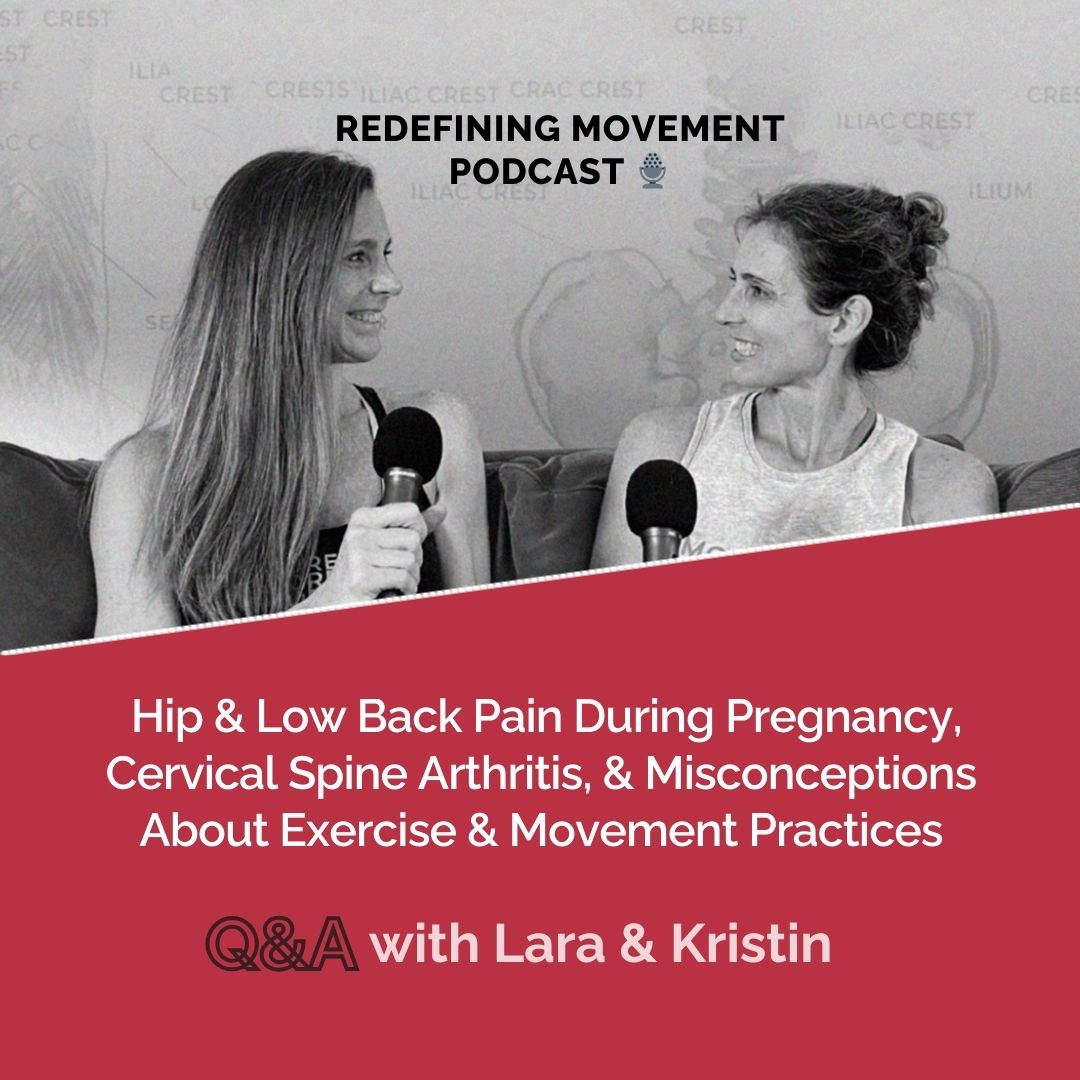
  • 717. Wednesday Q&A: Hip & Low Back Pain During Pregnancy, Cervical Spine Arthritis, & Misconceptions About Exercise & Movement Practices

    717. Wednesday Q&A: Hip & Low Back Pain During Pregnancy, Cervical Spine Arthritis, & Misconceptions About Exercise & Movement Practices


    Welcome to Wednesday Q&A, where you ask questions and we answer them!


    In this Wednesday Q&A, we answer your questions about hip and low back pain during pregnancy, cervical spine arthritis, and misconceptions about exercise and movement practices.


    Your questions:

    • Any suggestions for hip and low back pain during pregnancy? I’m in my 4th month and the pain gets worse from sitting for too long but also from working out. I’m keeping my exercise routine light and easy but the pain flares up, specifically on one side. Yoga, stretching, and even walking doesn’t feel as good as pre-pregnancy because I lost my body and movement awareness. Thanks!
    • A long-term yogi & friend (mid-60s) has recently been diagnosed with arthritis in her cervical spine, C2-C5. She has a fair bit of pain & is careful what she does in our LYT classes. In your opinion is there anything that I can do to help her?
    • What are some common misconceptions about exercise and movement practices?


    To learn more, and for the complete show notes, visit: lytyoga.com/blog/category/podcasts/


    Do you have a question?


    Sponsors:

  • Core CliffsNotes: Unveiling the Powerhouse of Your Body

    Core CliffsNotes: Unveiling the Powerhouse of Your Body

    When it comes to fitness and overall well-being, few elements are as crucial as understanding and harnessing the power of your core. Often misconstrued as just a set of abdominal muscles, the core is ultimately a complex network of muscles that provide stability, strength, and mobility to the entire body. From maintaining proper posture to excelling in athletic endeavors, the core plays a pivotal role in every movement we make. In our LYT classes, we often say the answer to joint aches, mobility concerns, low energy, and most everything else is MORE CORE. As the powerhouse of the body, the core transmits energy from the floor and lower limbs through the pelvis and spine, which aids in efficient movement and endurance. When the core muscles work collaboratively as a team, our movement and breath feel fluid and natural because all the systems in the body are operating well. The significance of the core’s role could be an entire book, but here are some CliffsNotes to highlight the core essentials and explore why optimizing posture is key to enhancing core dynamic stability.


    What is the core and why is it so important?

    The core encompasses more than just the visible six-pack abs that are often glorified in magazines or social media. The core container, as we often reference in LYT, includes the four layers of abdominals—the rectus, obliques, and the deeper corset-like muscle known as the transverse abdominis–along with muscles of the pelvic floor, spine, diaphragm, and shoulder girdle. An easy way to picture the entire core cylinder is to imagine all the muscles around and inside the pelvis, spine, ribcage, and scapulae. Together, these muscles form a stabilizing powerhouse that connects the upper and lower body, providing a solid foundation for movement. The core muscles are often synonymous with postural muscles in terms of function since they work continuously to support the skeletal structure in a variety of positions and planes of motion.


    Strengthening the core will give support to the musculoskeletal system to maintain more optimal posture, allowing you to better control your center of mass with movement. This dynamic control conserves energy, prevents injuries, and optimizes function. With movement and load (including gravity, body weight, or other weight) the core muscles provide the stabilizing anchor for the limbs to perform. Every daily activity, from bending down to tie your shoes to reaching for a high shelf, requires core engagement. A strong core ensures that movements are coordinated and efficient, reducing the risk of strain or injury. Whether you’re lifting a heavy object, running a marathon, or simply sitting at your desk, a strong and stable core (we also say “adaptable”) is essential for optimal movement, breath capacity, and joint health. Athletes across all disciplines rely on core strength to generate power, transfer energy, and maintain balance. Whether you’re sprinting on the track, swinging a pickleball racket, or practicing LYT, a solid core is essential for peak performance.


    Why do we emphasize TRIPLE S (aligning the skull, scapulae, and sacrum) to optimize posture and prime us for enhanced core activation? 


    When the skeletal scaffolding that represents our posture or carriage is out of alignment, the resulting sub-optimal posture creates an imbalance in the muscles and neuromuscular firing (lengthened muscles or underactive core muscles may be slow to respond and shortened muscles might continually activate instead). A slouched or slumped posture is common in our modern-day life, exemplified by rounded shoulders, forward neck, and a tilted pelvis. Optimal posture starts from the core and the collaborative engagement of the muscles leads to decreased pressure on joints or overreliance on individual muscle groups.  Weak core muscles can lead to poor alignment in any version of posture, which may contribute to musculoskeletal issues, depleted energy, and a delayed response between the brain and body. As the central channel of energy transmission and exchange, the core muscles are meant to respond appropriately to differing demands on the body. One of the most effective ways to enhance core stability is by optimizing posture. Proper posture aligns the spine, activates the core muscles, and promotes efficient movement patterns. When our posture improves, this nervous system communication is finer-tuned and adaptable, which translates into navigating through life with more reliable responses to stress and challenge.  


    Finally, how do we best improve overall core function? 


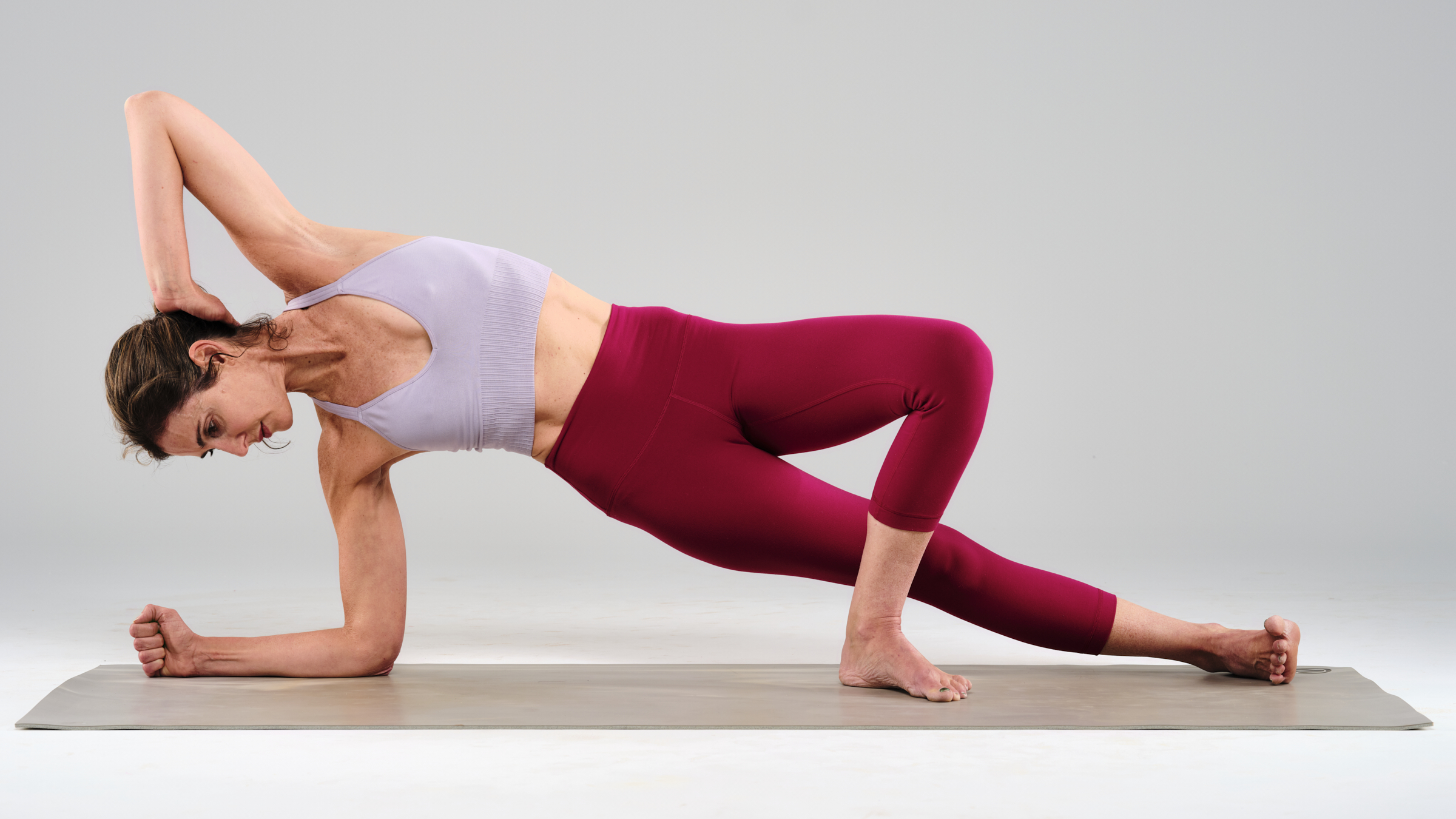
    I believe that practicing LYT is one of the best ways! LYT is designed with a specific method to prime the core muscle engagement and improve postural deficits through feedback and increased support for our center of mass in the RESET. We then apply this reinforced activation in the sequences through creative moves requiring more mobility, increased demand of bodyweight and gravitational forces, and with functional movements that mimic real-life activities, such as squatting, lunging, and twisting. Finally, we encode this information through repetition and added challenge in the STREAM to update brain mapping and nervous system communication. Each class is curated in this manner to provide greater carryover into daily life so that the core stability and postural alignment becomes more and more encoded/automatic. Both on and off the LYT mat, think of growing the spine and supporting with a balanced hug that summons all the core players to engage. An easy way to practice in daily life is to first set up your Triple S, where the skull, scapulae, and sacrum touch some part of a wall that you stand up against. Connect your brain to the feeling of having to sustain that alignment as you walk away from the wall and notice if you sense an energetic hold toward the center of your body. Continue to pay attention to your body’s alignment throughout the day, whether sitting, standing, or moving. Focus on keeping the entire spine lengthened and create a corset-like sensation around and within the pelvis to maintain a neutral position. As we say in LYT (and even have printed on our tanks!), STAND TALL, engage your core, and unleash the limitless potential within. This daily awareness to core and posture leads to true transformation. 


    I wrote this last year and feel that it speaks to the magic of LYT and the power of the core, providing an even more condensed CliffsNotes version:


    Movement is multifaceted and how we move is often determined by our habits. 

    • These habits become the GPS in our brain mapping, and we often need to update the software. 
    • Creating improved global movement often requires more specific or localized input. 
    • Building movement competency or literacy necessitates sensory-rich opportunities to develop and encode new motor planning and skills.