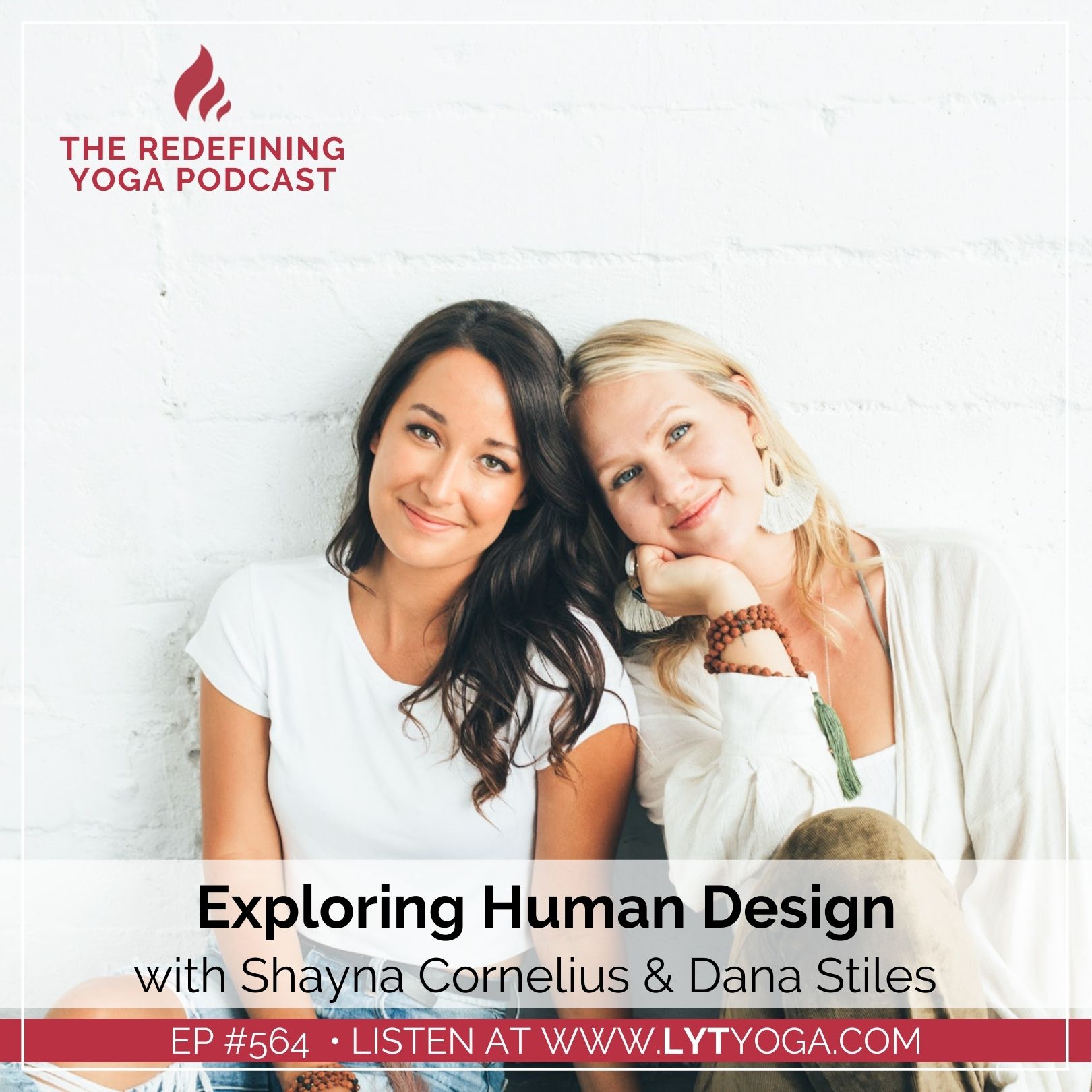
Join Lara for a conversation with Shayna Cornelius & Dana Stiles, co-founders of DayLuna, to talk about all things human design. Human design is a synthesis of ancient modalities with modern science. It allows you to see what your energetic aura or energetic body looks like and how it operates in the world around you to experience less resistance, more abundance, and more expansion. You can think of your energetic body like a car. And human design is saying, here’s the manual for your car. There are five overall types of human design. Your type describes your energetic aura. These five types each have a specific way that they’re designed to use their energy at a specific amount of energy. Learn more about your human design so that you can make decisions to guide you down your life path to living your purpose and to being the energy you are here to be in the world. Take a listen to learn more!
In this episode, you’ll learn:
How human design interacts with the nature versus nurture perspective on life.
About the five types of human design: manifestor, manifesting generator, generator, projector, and reflector.
What is authentic for you? How do you know what that is? How do you navigate it? How do you find it and recreate it as life twists and turns?
Welcome to Wednesday Q&A, where you ask questions and we answer them!
In this Wednesday Q&A, we answer your questions about restarting yoga after breast surgery, persistent wrist pain, and scar tissue around the collarbone from surgery.
Your questions:
I’ve just had breast surgery to remove three lumps from my left breast. There were two incisions, one on my areola and the other one under the left breast on the fifth rib. The doctor says that I can get back to yoga after a month. When I return to my yoga practice, can I do the reset and sun sal 1? Are there any movements that I should avoid?
I’ve been dealing with pain in my left wrist for several years. I can’t move into full wrist extension without pain, let alone full weight-bearing in poses like plank. Most of my pain is in the thumb side and radiates to the middle of my wrist. It feels like there’s something in the way, like when you can’t close a door all the way because something is stuck in the doorway. I’ve seen several specialists and PT hasn’t helped. I recently saw a new orthopedic and they diagnosed me with de Quervain’s tenosynovitis and gave me a steroid shot. It helped some, but the pain is still there and hinders my ability to fully practice yoga or any weight-bearing activities that require me to extend my wrists. Any ideas as to what it may be or movements that I can do to alleviate some of the pain?
I have scar tissue around my collarbone from surgery that I had where a plate was installed. Do you have any specific exercises where you can loosen that area up? I’ve had the plate for six years already, but I’ve started doing some exercises and I’m sore now.
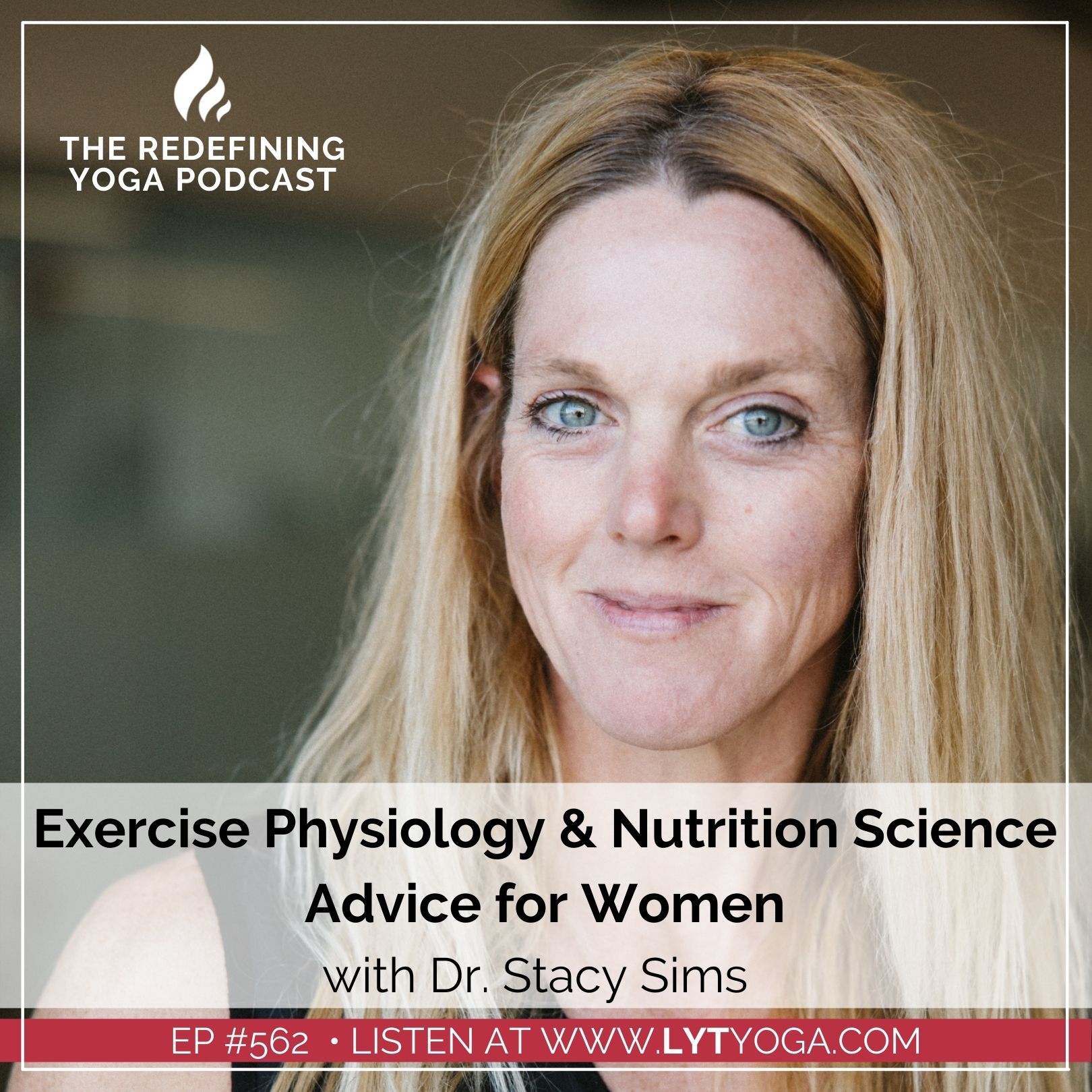
In this episode, Lara chats with Ph.D., international exercise physiologist, and nutrition scientist Dr. Stacy Sims. Dr. Stacy’s aim is to revolutionize exercise nutrition and performance for women. Believe it or not, much of the research out there on nutrition and exercise physiology is conducted on men and then applied to women. She talks about how men and women are different and how we should embrace those differences, noting that “women are not small men.” Dr. Stacy has created a platform to help women be healthy and understand their bodies, know how to work with their unique physiology, know how to understand their hormones, and use this information to make us empowered in our performance, activities, and lives.
In this episode, we chat about:
What’s the optimal timing of food in and around training for women to support the training, stress, and recovery from it?
What’s the best time to exercise?
Women’s hormones and how they change throughout our lives, including periods and menopause.
Welcome to Wednesday Q&A, where you ask questions and we answer them!
In this Wednesday Q&A, we answer your questions about remedies for pain from practicing handstands, how to heal and prevent shin splints, & how to manage scoliosis in your movement practices..
Your questions:
I’m quite frustrated every time I’m making progress with handstand practice, I’m getting problems and pain in my body that stops me from practicing. It started with tennis elbow where I eventually, after two years of physiotherapy and various other treatments, had to have surgery. This was my right elbow. Now I have tremendous pain on my left side, upper back, shoulder, arm, and hand. Sometimes during the night, I get numbness in my little finger. It seems to be in constant tension and in spasms, twitching the muscles. I love doing handstands and don’t want to stop practicing. Is there any advice on what I might be doing wrong?
Any tips for healing shin splints?
I have a regular student, previously very active joining my class, a mixed-level class where I do advanced beginner/intermediate level. This is before COVID. Now we are back to a physical, in-person class, and when she started, she felt uncomfortable. The reason being that she has scoliosis and stiffness around her sternum and back. Sometimes costochondritis. She would go running when she’s not joining my class. Then she would tell me she felt painful stiff discomfort the next day when it was the day for my class. Hence she was not able to come join. So her pain would occur after running. I tried doing lower-intensity classes when she was around and she felt good and relieved after the session, so I knew that she needed to start slowly to build up the core strength again. Can you take a look at her x-ray and see if it’s anything severe that she needs to refrain from doing like other activities, running, or what type of class should I do more for her? Her physio is telling her to stop exercising for a few days. From what I see, it’s very mild scoliosis. I’m not sure what has been bothering her and causing all the stiffness and tightness. We do all kinds of LYT blueprints and sequences in class, which I don’t think is too much for her.
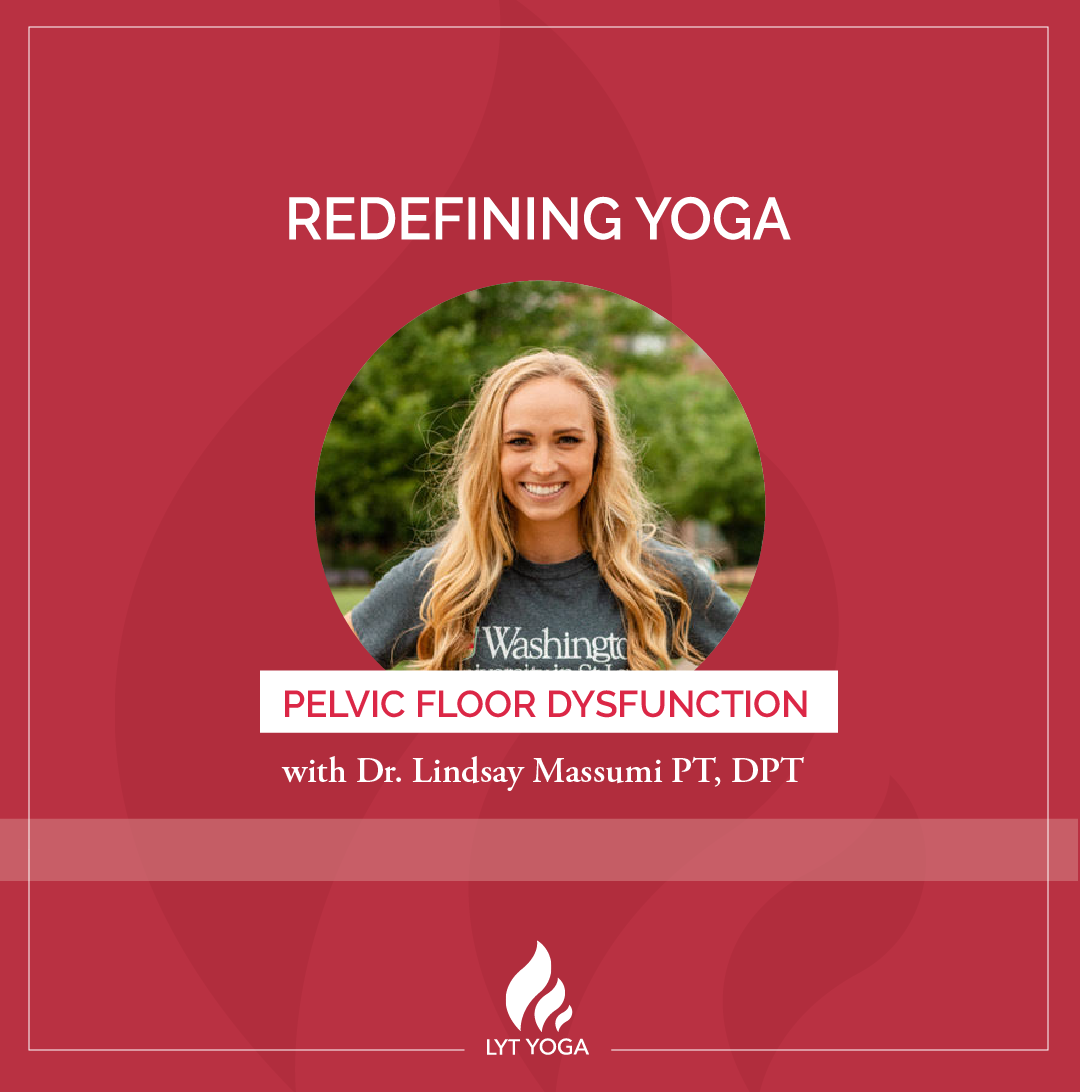
Former gymnast and competitive cheerleader, Dr. Lindsay Massumi had chronic injuries during her time in competitive sports which led to a lot of physical therapy. It’s what was missing from that PT she received that led her into the field herself with the mindset of “there has to be a better way.”
In this episode, Lara and Lindsay discuss her pathway to becoming a doctor of physical therapy, the non-typical signs of pelvic floor dysfunction, and the importance of balance between pelvic floor bracing and engaging.
In this episode, you’ll learn:
Common impairments that could point to pelvic floor dysfunction
The difference between abdominal bracing and engaging
Why a six pack is unrealistic and completely nonfunctional
Key Highlights
[01:30] – How Lindsay was inspired to become a physical therapist
[03:44] – Bridging the gap between PT and athletics
[06:51] – Noticing the pelvic floor issues when an ankle injury is isolated
[09:36] – Relaxing vs. strengthening the pelvic floor
[15:26] – Common impairments that could be pelvic floor dysfunction
[17:09] – Diagnosing pelvic floor dysfunction
[19:09] – Looking beyond the hips for pelvic floor dysfunction
[20:46] – Top three causes of overactivity or tension in the pelvic floor
[25:00] – Why having a six pack is not functional at all
[27:06] – Some of Lindsay’s exercises she recommends for a balanced core
[31:44] – Pelvic dysfunction compensations in the body
[34:28] – Fear mongering around diastasis recti for postpartum women
[36:02] – Difference between abdominal bracing and abdominal engaging
Welcome to Wednesday Q&A, where you ask questions and we answer them!
In this Wednesday Q&A, we answer your questions about how best to weight-bear in the hands and strategies to manage dizziness and/or vertigo.
Your questions:
Referring to the similarities of the tripod of the feet can you and Kristin talk about the position of the hands in weight-bearing and the return of energy that happens here? Thank you!
I have a friend who complains about feeling dizzy and Vertigo when going upside down and says she needs to avoid it when practicing yoga. There are a lot of ways I can help her modify the practice but this one has got me looking for some “yoga Mama” direction.
Let’s evolve the concept of the mind-body connection. Examine your own views of mind and body and inquire whether you view them in a dualistic or holistic fashion. Viewing your mind and body as part of an inextricably interconnected system can help you take better care of yourself. Learn more about how mind and body have been seen throughout history and hear powerful stories about their impact on each other.