Tag: pelvic floor

  • 717. Wednesday Q&A: Hip & Low Back Pain During Pregnancy, Cervical Spine Arthritis, & Misconceptions About Exercise & Movement Practices

    717. Wednesday Q&A: Hip & Low Back Pain During Pregnancy, Cervical Spine Arthritis, & Misconceptions About Exercise & Movement Practices


    Welcome to Wednesday Q&A, where you ask questions and we answer them!


    In this Wednesday Q&A, we answer your questions about hip and low back pain during pregnancy, cervical spine arthritis, and misconceptions about exercise and movement practices.


    Your questions:

    • Any suggestions for hip and low back pain during pregnancy? I’m in my 4th month and the pain gets worse from sitting for too long but also from working out. I’m keeping my exercise routine light and easy but the pain flares up, specifically on one side. Yoga, stretching, and even walking doesn’t feel as good as pre-pregnancy because I lost my body and movement awareness. Thanks!
    • A long-term yogi & friend (mid-60s) has recently been diagnosed with arthritis in her cervical spine, C2-C5. She has a fair bit of pain & is careful what she does in our LYT classes. In your opinion is there anything that I can do to help her?
    • What are some common misconceptions about exercise and movement practices?


    To learn more, and for the complete show notes, visit: lytyoga.com/blog/category/podcasts/


    Do you have a question?


    Sponsors:

  • The Psoas: Unraveling the Emotional Tapestry of Your Core

    The Psoas: Unraveling the Emotional Tapestry of Your Core

    In the intricate dance between mind and body, certain muscles play a crucial role not only in physical well-being but also in the realm of emotions. One such hidden gem nestled deep within our core is the psoas muscle. Often overlooked, the psoas is more than just a physical connector—it’s an emotional muscle that weaves the tapestry of our feelings and experiences.


    The Anatomy of the Psoas:


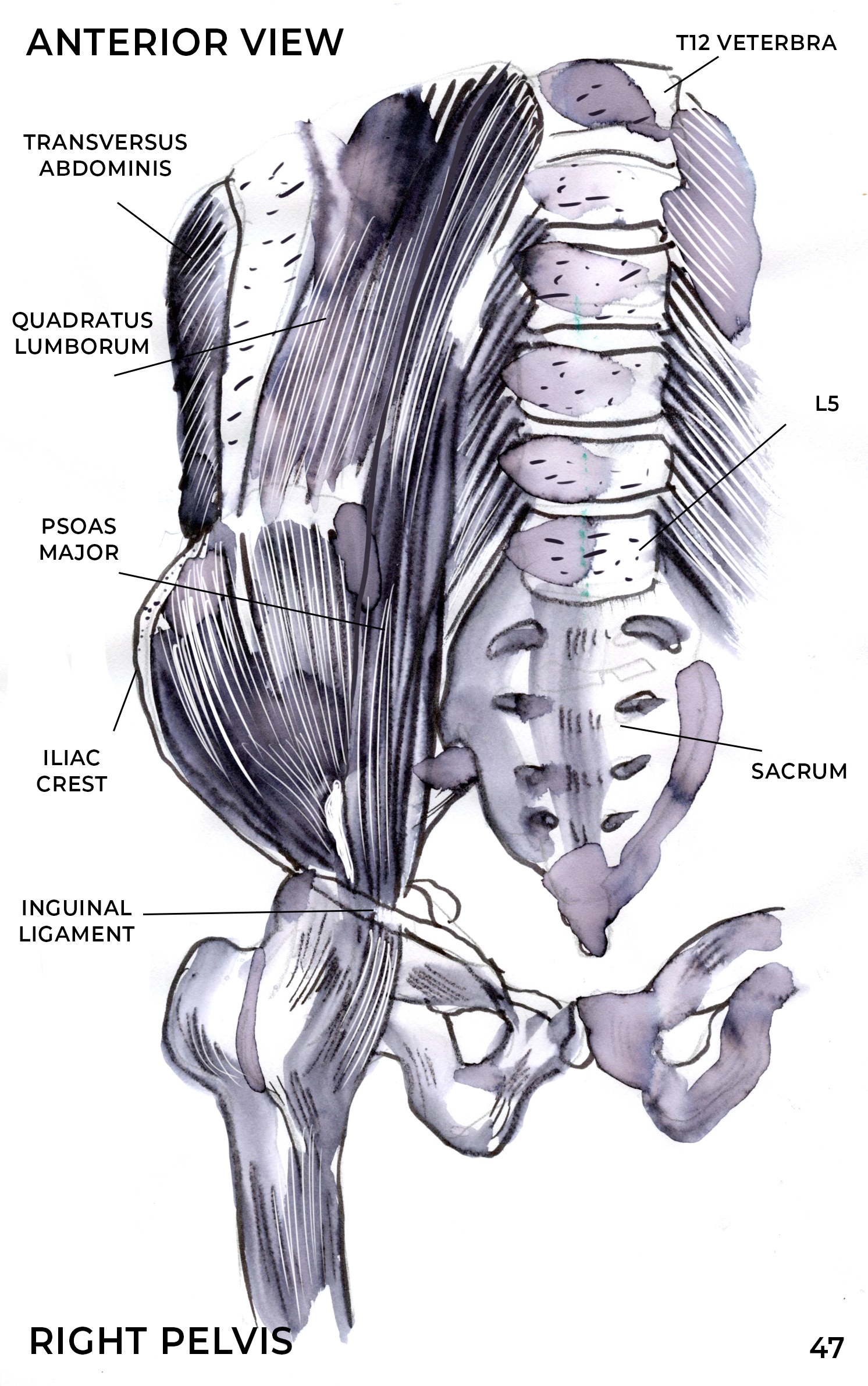
    The psoas major, or simply the psoas, is a long muscle located on either side of the spine, connecting the lumbar vertebrae to the femur. Its primary function is to flex the hip joint, as well as stabilizing the lumbar spine, but its influence extends far beyond mere movement. This muscle is intricately linked to our emotional well-being.


    The Psoas as a Storehouse of Emotions:


    The Seat of the Soul: Often referred to as the “muscle of the soul” or the “emotional muscle,” the psoas is believed to store emotional trauma and stress. As we navigate life’s ups and downs, the psoas contracts and tightens, holding onto the emotional residue of our experiences.


    Fight or Flight Response: The psoas is closely tied to the body’s fight or flight response. When we encounter stress, whether physical or emotional, the psoas tightens as a protective mechanism. Unfortunately, in our modern lives, chronic stress can cause the psoas to remain in a constant state of tension. Tension in the jaw, chest, clenching of the fists, sharp gasps of inhale, they are all related to this state of hyperactive nervous system stress. Pain or trauma whether physical or emotional can cause our bodies to remain in the state of stress, far after the actual threat has passed. The constant prolonged restriction in this area can lead to hip, knee or low back pain later down the road. 


    Connection to the Nervous System: The psoas is intricately linked to the autonomic nervous system, which regulates involuntary bodily functions. As a result, the state of our psoas can influence our overall nervous system balance, impacting our emotional state and responses to stress.


    Releasing Emotional Tension:


    Mindful Movement Practices: Incorporating mindful movement practices such as yoga or Pilates can help release tension stored in the psoas. Gentle stretches and poses that focus on the hip flexors can promote relaxation and emotional release. While the ability to relax is important, many muscles that are tight and tense, are also weak. Both strengthening and lengthening the psoas tissues to ensure optimal suppleness of the tissue is the true secret to release.


    Breathwork: The breath is a powerful tool for unlocking the psoas and releasing emotional tension. Mindful breathing exercises can help bring awareness to the core, allowing for a deeper connection to and release of stored emotions.


    Body-Mind Connection: Recognizing the emotional aspects of the psoas creates an opportunity for a holistic approach to well-being. Practices such as meditation and body awareness exercises can foster a deeper connection between the mind and the psoas, promoting emotional release and balance.


    The great news is that we incorporate all of these elements into our LYT practice. I like to describe it as a moving meditation, where we pay special attention to each and every movement throughout the practice. We focus on what is holding, what is mobilizing, creating that mind-body connection. We use the breath to create space and promote proper core engagement and contraction. We work the psoas both to strengthen and to stretch and lengthen. Some classes even include one of my favorite ways to provide deep release—lying on your belly with a block underneath you, just above your two front hip points. This simulates a manual deep release, such as myofascial release, which I also practice and receive myself and find extremely beneficial for providing release to this area of the body.


    As we navigate the complex interplay of emotions and physicality, understanding the role of the psoas as an emotional muscle can be transformative. By cultivating awareness of this hidden gem within our core, we open the door to a deeper understanding of ourselves and the potential for emotional healing. So, let’s embark on a journey of self-discovery, unraveling the emotional tapestry woven within the intricate fibers of the psoas.
  • 689. Empowering Prenatal Fitness & Postpartum Resilience with Gina Conley

    689. Empowering Prenatal Fitness & Postpartum Resilience with Gina Conley

    Join Lara for a conversation with Prenatal Fitness expert Gina Conley.

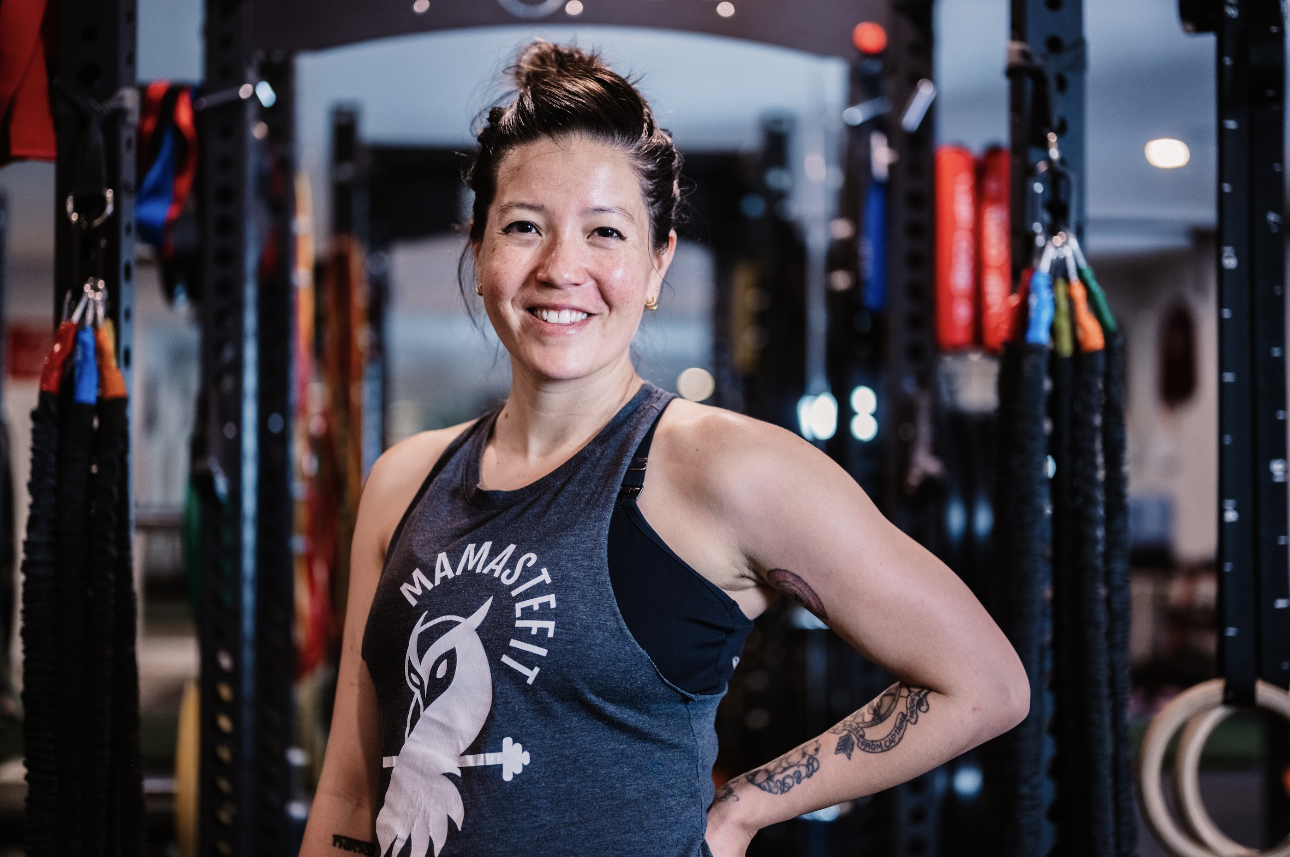
    MS. Gina has a master’s in exercise science and is a birth doula. She is a perinatal fitness trainer and owner of MamasteFit, an in-person perinatal training facility in Aberdeen, North Carolina.


    Gina has exclusively trained prenatal and postnatal fitness clients for the past 6 years and offers both in-person and online training support. Gina is a mom to three little ones and is passionate about empowering others to feel strong and pain-free throughout their pregnancies as they prepare for their birth and postpartum journey.

    • The benefits of perinatal exercise and the connection between prenatal fitness and birth preparation. 
    • How experiencing a challenging birth motivated Gina to start a business that supports and empowers other women during their perinatal journey.
    • Becoming a doula and the roles and responsibilities involved in that role. 
    • The importance of exercise throughout pregnancy and common misconceptions and fears associated with lifting weights and core exercises during this period.
    • Postpartum fitness, including the timeline for returning to exercise and movement after baby is born.


    To learn more, and for the complete show notes, visit: lytyoga.com/blog/category/podcasts/


    Guest Resources


    Connect with Lara Heimann, The Redefining Yoga Podcast, and LYT Yoga:


    Sponsor:


    Follow the podcast:

  • 687. Reclaiming Birth: Healing the Pelvis, Trauma, & Postpartum Wellness with Lynne Schulte

    687. Reclaiming Birth: Healing the Pelvis, Trauma, & Postpartum Wellness with Lynne Schulte


    Join Lara for a conversation with Lynn Schulte, PT, founder of the Institute for Birth Healing and pelvic health physical therapist.

    Lynn’s specialty is helping women have an easier birth by preparing their body for birth and helping them recover more completely after birth. Using energetic techniques of craniosacral therapy and visceral manipulation, Lynne helps clients to find the real issue causing their problems. As a physical therapist for over 30 years and a Women’s health specialist for more than half of that she brings a lot of experience and wisdom to her offerings and to this discussion.


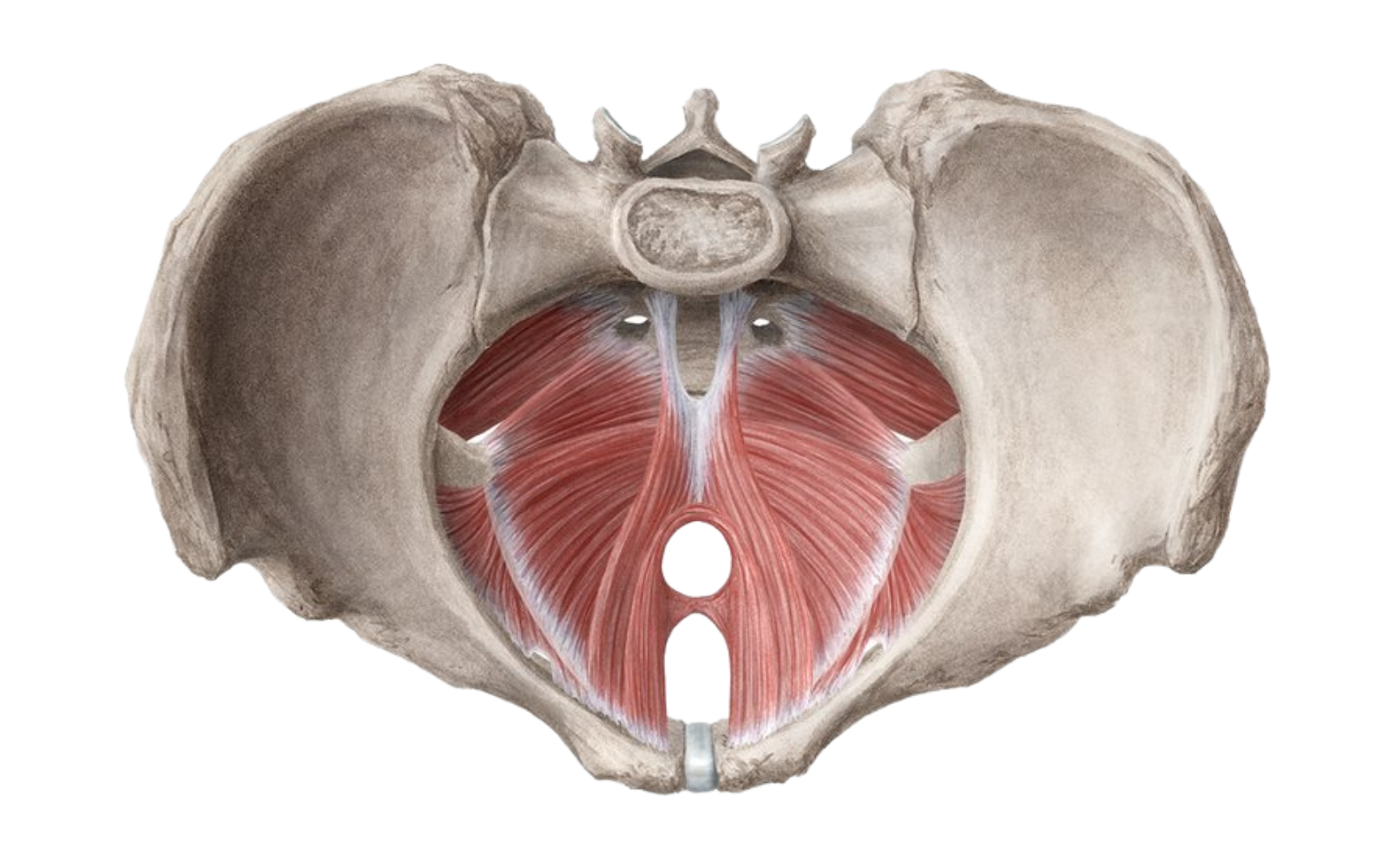
    • The importance of the pelvis and pelvic floor muscles in birth healing.
    • Discovering patterns in the postpartum pelvis.
    • The “open birthing pattern” – and how it can lead to issues after birth for the mother. 
    • How to resolve symptoms from the open birthing pattern and ways for healthcare and wellness practitioners to learn these strategies.
    • How to massage your C-section scar. 
    • How birth can result in trauma. 


    To learn more, and for the complete show notes, visit: lytyoga.com/blog/category/podcasts/


    Guest Resources:


    Connect with Lara Heimann, The Redefining Yoga Podcast, and LYT Yoga:


    Sponsors:


    Follow the podcast:

  • Eating Disorders and the Pelvic Floor

    Eating Disorders and the Pelvic Floor

    Eating Disorders and the Pelvic Floor

    by Ashley Newton, PT, DPT

    When it comes to disordered eating and body image, the experience is physical as well as emotional.

    In treatment, one explores and works to change one’s relationship with food, self, others, and beyond. Treatments often utilize a team approach and can include a psychologist, social worker, dietician and nutritionist, and medical doctors. What may not be known, however, is the relationship between eating disorders and pelvic floor dysfunction and how a pelvic floor physical therapist can help.


    We know that trauma is stored in the physical body and that the way we move and interact with the physical world hinges on how we feel. Our nervous system tells us whether we are safe or in danger and the body acts accordingly. But what happens when the danger is emotional? What happens when the danger and distress is our own internal dialogue? The body responds to this too. We get small. We hunch over and curl in a ball. On a subconscious level, our jaw grips, the belly tightens, and the pelvic floor contracts. Our body is preparing for impact, preparing to protect our most vital parts by bracing itself. Unfortunately, we easily get stuck in this loop and the body remains in protection mode even when painful thoughts and dialogue aren’t actively happening. The result: our digestion suffers, we experience pain, we start to have trouble using those deep muscles responsible for stabilizing us. If those muscles are in protection mode, they are not able to as readily move with and stabilize us in day-to-day life. However, we often don’t recognize this until there is a problem such as pelvic pain, urinary leakage, constipation, bloating, etc.


    Pelvic floor issues are not specific to any one diagnosis and I would argue that they have the potential to show up in any diagnosis associated with one’s relationship to eating and body image. Binging, purging, restrictive eating, and corseting/binding/body modification all have the potential to cause issues such as leakage, prolapse, and weakness given the influence of these diagnoses on the nervous and gastrointestinal symptoms. 


    Digestion begins at the level of the glottis and ends at the level of the pelvic floor musculature. Any disruption on this path follows the butterfly effect where one small change can have large consequences. To illustrate this, let’s think about the role of body image. If a person does not feel comfortable in their body, they may wear baggy clothes, make themselves small, or on the flip side, wear size-altering garments and limit their food consumption in hopes of achieving an idealized image. In both cases, the nervous system is on edge and the abdomen and pelvic floor are likely gripping to brace oneself or trying to ‘suck in’ to change one’s appearance. That sucking in will eventually create restriction in the connective tissue and limit movement. Anything from joint movement to muscle and organ movement can be affected. As a result, we can start to see changes in the GI system and even issues involving bladder and sexual health. 


    Pelvic physical therapy should be a regular part of intervention planning in the treatment of eating disorders. Health is collaborative. No one practitioner knows everything and that knowledge is ever-evolving – that is why it is called a practice. Be an advocate for your own body and do not be afraid to ask for help. We are here for you. <3


    ~Ash

  • 631. Pelvic Health with Physical Therapists Dr. Ashley Newton and Becky Keller

    631. Pelvic Health with Physical Therapists Dr. Ashley Newton and Becky Keller


    Join Lara for a fascinating and wide-ranging conversation with physical therapists Dr. Ashley Newton and Becky Keller, both pelvic health specialists. This is a must-listen episode!


    Ashley is a LYT yoga instructor and pelvic health physical therapist. She got into this specialty because she found that her patients had pain, sexual health, and urinary health issues that she was unable to help with. She saw it as a way to provide people with the power to care for themselves and to help people talk about taboo topics without shame or judgment. 


    Becky is a physical therapist with over 20 years experience and has specialized in pelvic health physical therapy since 2009. She got into this field because of her interest in the human body and wanting to understand the missing piece of the puzzle regarding the core, sacroiliac area, and pelvic floor. She saw a need for these services as millions of people experience pelvic health concerns, including urinary incontinence and constipation, across all genders and ages. She is grateful for the knowledge she has gained and how she can impact someone’s intimate and human body function level. One of her passions is utilizing Low Pressure Fitness (LPF)  hypopressives movement system for her pelvic health clients as well as for clients to improve their fitness and wellness. 


    In this episode, you’ll learn about:

    • pelvic anatomy and the sexual response cycle.
    • how tension in the body can affect sexual function and tips for reducing tension.
    • how sex should not cause pain, and discomfort during sex is not normal. 
    • what can cause deficits in sexual function.
    • the difference between gripping and activation, specifically in regards to breathing, the pelvic floor, and the abdominal muscles.
    • the LYT Reset – the initial portion of any LYT yoga class, focused on neutralizing imbalances in the body, improving posture, and rewiring habits through improved neuromuscular activation.
    • Low Pressure Fitness (LPF) – a series of breathing and postural exercises that safely strengthen your deepest core muscles.


    To learn more, and for the complete show notes, visit: lytyoga.com/blog/category/podcasts/

    Guest Resources:


    Connect with Lara Heimann, The Redefining Yoga Podcast, and LYT Yoga


    Sponsor:

  • Exercise and Pelvic Organ Prolapse

    Exercise and Pelvic Organ Prolapse

    by Dr. Ashley Newton PT, DPT


    Pelvic organ prolapse occurs when the pelvic area does not adequately support the pelvic organs above. The ability to support is based on connective tissue, nerve functioning, and pelvic floor and core muscle strength and coordination. Pelvic organ prolapse can often create bothersome symptoms for people including heaviness in the pelvis, low back and pelvic pain, difficulty emptying with urination, and bulging at the vaginal opening. Oftentimes, people with pelvic organ prolapse are nervous about how and if they can participate in exercise. The answer is resoundingly yes! Specific exercise and pelvic floor training can help reduce and manage the symptoms of pelvic organ prolapse. However, there are a few things to consider and keep an eye out for when exercising to avoid exacerbation of symptoms.


    1. With lifting: Always lift with a neutral spine and get the object close to your body. Rounding the back and head places downward pressure on the pelvic organs. When the back and head are neutral, we are better able to use the core and pelvic floor and the deep core musculature is able to support the pelvic organs. 
    2. Avoid holding your breath: Think about it this way – if you hold your breath, you hold all that pressure and air in your body. That pressure is pressing down on the pelvic organs!! Keep breathing through exercise and if you find that you are tempted to hold your breath, try modifying the exercise or pose. 
    3. Modify high-impact activities: Plyometrics (jumping), running, etc. – result in increased load on our bodies. When we run, our body absorbs 2-4x the body’s weight as force. That is a lot for the body to manage and if the body is already having trouble supporting pelvic organs with lighter activities, it can make symptoms worse. Lower impact activities reduce the stress on the core and pelvic floor and also give people the opportunity to slow down and focus on their posture. 
    4. POSTURE, POSTURE, POSTURE: I can’t say it enough! Your skull should be stacked over your rib cage over your pelvis. This optimizes how our tissues and muscles co-contract to support the spine. In this posture, we avoid pressuring the pelvis and can lift and support the pelvic organs better. 
    5. Don’t ignore your shoulder girdle!!! Your shoulder girdle is part of your core. It is what allows the rib cage to sit over the pelvis. Those muscles need strengthening so that we can keep the trunk upright throughout the day without rounding and pressurizing into the pelvic floor. 


    As always, if you have questions regarding pelvic health, exercise, and/or pelvic organ prolapse specifically, it may be helpful to contact a pelvic health professional (i.e. physician, pelvic health physical therapist) for clarity and information. Check out my clinic’s Instagram @activcoreprinceton_pelvic for all things pelvic health and check out pelvic PTs in your area. Pelvicrehab.com is a directory of pelvic rehab practitioners searchable by zip code!

  • To Kegel or Not to Kegel

    To Kegel or Not to Kegel

    By Dr. Ashley Newton, PT, DPT


    Intra-abdominal pressure is the pressure within the abdominal cavity created by the interaction between the abdominal wall and organs. This pressure changes with breathing and the resistance from the abdominal wall. When you are lifting an object or even lifting a limb, you increase intra-abdominal pressure. 


    The coordination of the diaphragm, abdominals, and pelvic floor musculature works to support the pelvic contents during changes in intra-abdominal pressure. However, if the synergy between these muscles is compromised, they are unable to optimally support the abdominal organs. This results in excessive pressure placed on the back, pelvic organs, and pelvic floor. Problematic issues that could arise include urinary incontinence, pelvic organ prolapse, back pain, and diastasis recti. 


    So how do you know if your body is handling pressure well? How do you avoid putting undue pressure on your abdominal organs and pelvic floor? 


    It all begins with breathing. Our abdominal cavity is capped at the top by the thoracic diaphragm and capped at the bottom by the pelvic floor musculature. This creates what is referred to as the “core canister.” When we breathe, the pelvic floor and thoracic diaphragm move down and up together like a piston. If this movement is restricted by fascial tightness, weakened, and/or moves in the opposite direction, the pelvic floor and thoracic diaphragm are compromised in their ability to support the abdominal contents. 


    Here’s a breathing exercise that can help you check in on your coordination:


    1. Begin in a seated position. Align your skull, scapula, and sacrum.
    2. Make sure you are sitting evenly on your SIT bones.
    3. Bring your tongue to the back of your top teeth and imagine you are pressing a small raspberry against the top of your mouth.
    4. Place your hands on the sides of your ribs.
    5. Inhale through your nose and think about widening the ribs into your hands. Imagine an umbrella opening, expanding your chest gently.
    6. Exhale slowly through your mouth and imagine “fogging glass” as you exhale.
    7. Keep your belly soft as you exhale. Squeezing the belly can create excess pressure on the pelvic floor and abdominal organs.
    8. Repeat the exercise 5 times.


    Breathing works your core muscles and it is the foundation of managing your intra-abdominal pressure. Whenever lifting objects, you do not hold your breath! This creates increased pressure on the abdominal contents, pelvic floor, and heart, which can be dangerous. Always keep breathing while you are lifting in order to prevent an unhealthy increase in pressure on your musculature and organs. 


    Good lifting mechanics and upright posture help optimize the functioning of your core canister. These techniques can also enhance your ability to manage changes in pressure in your body. With a strong core and healthy breathing habits, your body is able to stabilize your spine and better protect you from injuries.