Tag: aging

  • 720. Wednesday Q&A: Spinal Discs, Self-Consciousness & ACL Surgery Advice

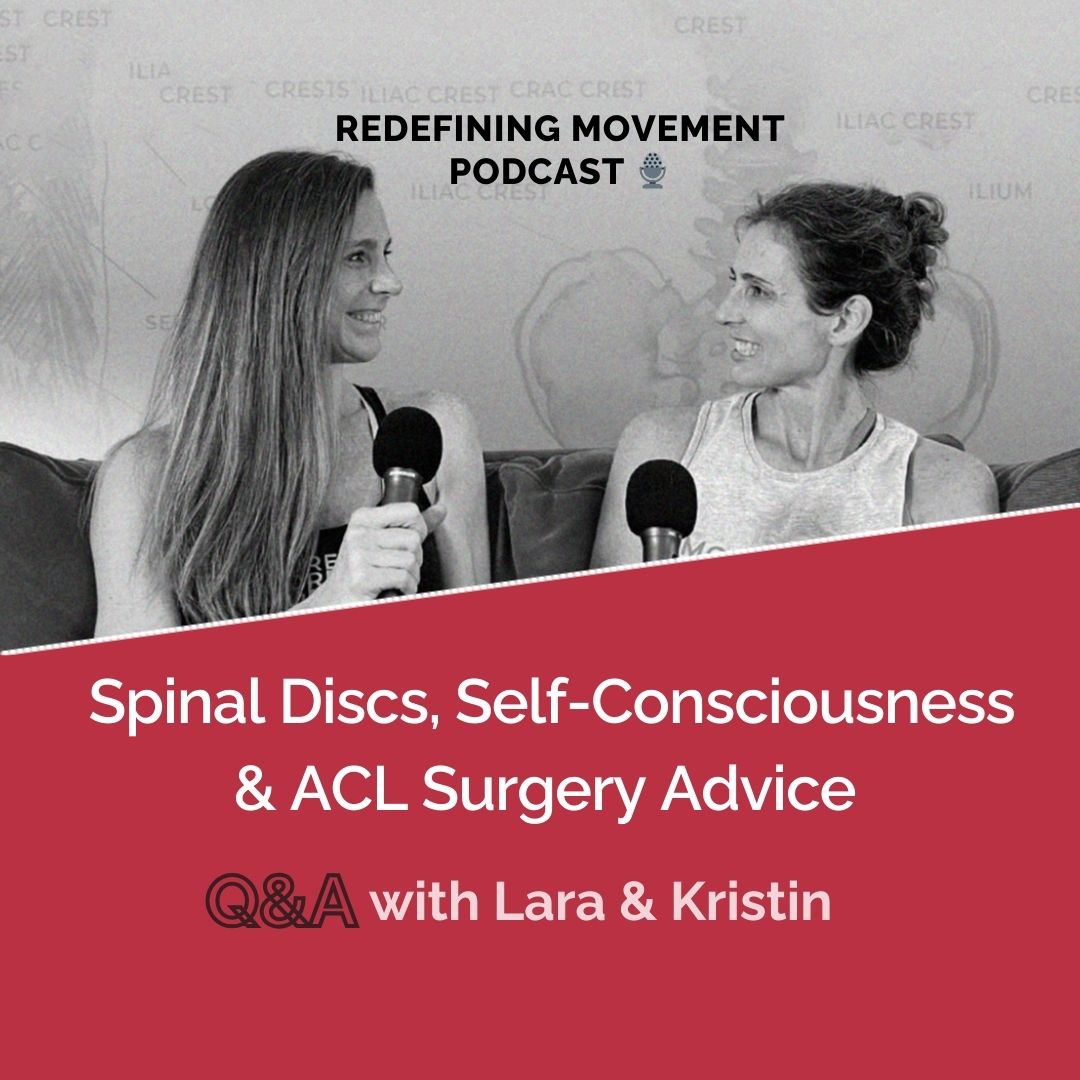
    720. Wednesday Q&A: Spinal Discs, Self-Consciousness & ACL Surgery Advice


    In this Wednesday Q&A, we answer your questions about spinal and herniated discs, self-consciousness and ACL surgery advice.


    Your questions:

    • Can please you explain how the (spinal) disc functions and is there a cure for herniated discs?
    • What do you suggest for feelings of self-consciousness or intimidation in gym or group fitness settings?
    • What’s the best advice for healing an ACL surgery as a competitive runner?


    To learn more, and for the complete show notes, visit: lytyoga.com/blog/category/podcasts/


    Do you have a question?


    Sponsors:

  • 719. Deep Dive – Benefits & Importance of Weight Training

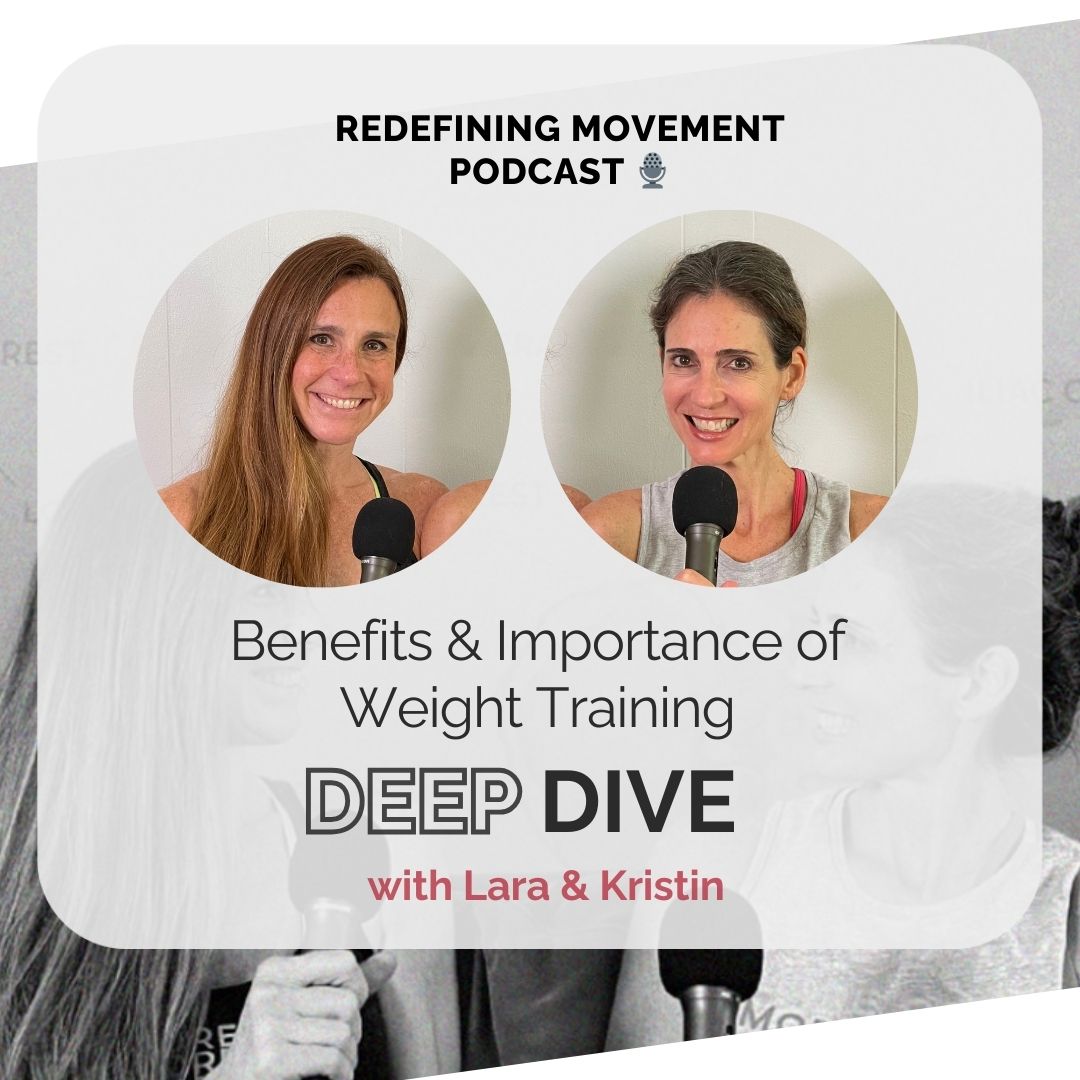
    719. Deep Dive – Benefits & Importance of Weight Training


    Join Lara and Kristin for a deep dive into the benefits and importance of weight training!


    In this episode, you’ll learn about:

    • The benefits of weight training and weight-bearing exercises.
    • The positive impact these exercises can have on overall functional capacity, athletic performance, metabolism, and mental health.
    • The importance of proper form and gradually increasing intensity to avoid injury.
    • The advantages of these exercises in improving bone strength, joint stability, and mental well-being, especially in older adults.
    • The importance of muscle recovery, consistent exercise routines, and finding age-appropriate and lifestyle-suitable exercise habits.


    There’s a lot to cover, so let’s dive right in.


    To learn more, and for the complete show notes, visit: lytyoga.com/blog/category/podcasts/


    Do you have a question?


    Sponsors:

  • 717. Wednesday Q&A: Hip & Low Back Pain During Pregnancy, Cervical Spine Arthritis, & Misconceptions About Exercise & Movement Practices

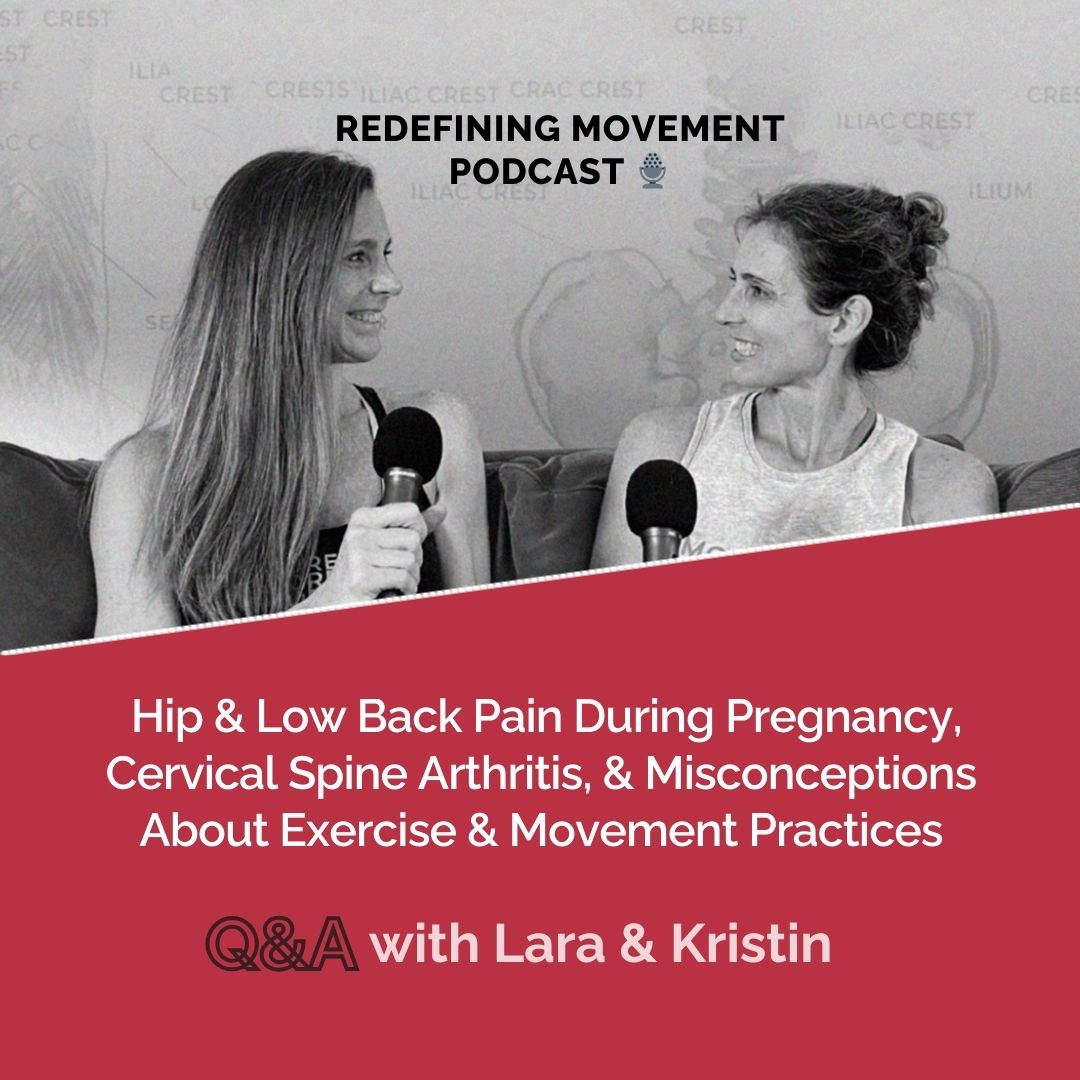
    717. Wednesday Q&A: Hip & Low Back Pain During Pregnancy, Cervical Spine Arthritis, & Misconceptions About Exercise & Movement Practices


    Welcome to Wednesday Q&A, where you ask questions and we answer them!


    In this Wednesday Q&A, we answer your questions about hip and low back pain during pregnancy, cervical spine arthritis, and misconceptions about exercise and movement practices.


    Your questions:

    • Any suggestions for hip and low back pain during pregnancy? I’m in my 4th month and the pain gets worse from sitting for too long but also from working out. I’m keeping my exercise routine light and easy but the pain flares up, specifically on one side. Yoga, stretching, and even walking doesn’t feel as good as pre-pregnancy because I lost my body and movement awareness. Thanks!
    • A long-term yogi & friend (mid-60s) has recently been diagnosed with arthritis in her cervical spine, C2-C5. She has a fair bit of pain & is careful what she does in our LYT classes. In your opinion is there anything that I can do to help her?
    • What are some common misconceptions about exercise and movement practices?


    To learn more, and for the complete show notes, visit: lytyoga.com/blog/category/podcasts/


    Do you have a question?


    Sponsors:

  • 701. Living & Aging Brightly as a Vegan with Author and Founder of Main Street Vegan Academy, Victoria Moran

    701. Living & Aging Brightly as a Vegan with Author and Founder of Main Street Vegan Academy, Victoria Moran


    Victoria Moran, Author and Founder & Director of Main Street Vegan Academy, is evidence that the practices of yoga and veganism sustain the light inside you. At the age of 73, she has more energy than most of her generation (and younger generations as well), which is why she’s advocated for both practices since the 70s.

    She became a yogi and vegan when those words weren’t commonly used and has lived through many changes since then. 

    In this episode of Redefining Movement, Victoria talks about veganism and yoga, why you might want to consider it, and how she’s handled situations with people who remain skeptical about them. 


    You will learn the following:

    • The key to aging is caring not just for your physical health but also for your attitude and mental health. 
    • Becoming vegan is easier when you have a support system. 
    • Everyone believes in different things, so it’s important to practice empathy.


    Guest Resources: 


    Connect with Lara Heimann, The Redefining Movement Podcast, and LYT Daily:


    Today’s podcast sponsor:

    LYT Method – Sign up to your LYT Method trial 

    Herbal Face Food – Use code Lara20 for 20% off


    Follow the podcast:

  • Balance Implications For Health and Aging

    Balance Implications For Health and Aging

    by Sarah Apple Kingsley, pt, dpt


    Scientists, physical therapists, and physicians have always known balance to be an important aspect of health. Falls and fall-related injuries, incidences, and hospitalizations account for a major portion of our healthcare expenses. There is now new information that actually confirms that balance is a key proponent of good health and longevity. In a recent study published in the British Journal of Medicine Longevity scientists administered a ten-second balance test to 1,792 people aged 51 to 75.1


    They coined it the “flamingo test,” with each person asked to stand barefoot on one leg while keeping their other leg lifted in the air. Importantly, they were required to keep their head upright and their arms straight at their sides for ten seconds. This is very similar to tree pose and the knee-to-chest postures we practice in LYT yoga. 


    Twenty percent of the participants wobbled and could not complete the test, especially at the top end of the age bracket. For the 20% of participants who failed the test, there was a higher correlation with being overweight, having heart disease, high blood pressure, poor lipid panels, and these individuals were twice as likely to have Type-2 Diabetes.  


    Subsequent findings that the researchers discovered after checking back in with the participants 7 years later were even more compelling. After accounting for age, gender, and underlying health conditions, the inability to pass the flamingo test was linked to an 84% higher risk of all-cause death* over that seven-year period. In addition to longevity, these researchers contend that balance is necessary for overall health, well-being, and independence.

    * What is all-cause death? Death by multiple causes, or by any cause.


    Balance and its role in optimum health


    When my patients tell me they don’t need to be able to stand on one leg, I quickly respond “Oh yes you do!” We regularly need a one-legged posture to move out of a car or to climb or descend a step or stairs. Simply walking without an assistive device requires a portion of the gait cycle to be in a single-limb stance.


    To lack this ability or have fear of standing on one leg can lead to a loss of autonomy and consequently, less exercise, less movement, and a worsening of various health conditions. Many physical therapists and experts feel balance should be included when checking vital signs. Walking speed has been considered the 6th vital sign, but we should give serious consideration to adding the flamingo test as well!


    If you want to stay active it is paramount that you maintain your physical well-being. When it comes to balance there is definitely some truth in the saying “if you don’t use it, you’ll lose it.” Healthy physical well-being includes strength, flexibility, balance, and effectively using your senses—vision, hearing, feeling physical sensation, etc.


    Balance can be affected by a variety of factors including age, spinal stenosis, pinched nerves, and inner ear issues. If you don’t have any of these issues but still consider yourself to have had poor balance your entire life, THERE IS SOMETHING YOU CAN DO ABOUT IT!


    Easy ways to improve your balance


    The Harvard Medical School newsletter offers some simple advice for improving your balance, including:2


    • Sign up for a balance-focused class (such as tai chi) at your local YMCA or senior center.
    • Walking, biking, and stair climbing all strengthen key balance muscles in the lower body.
    • Stretching loosens tight muscles which can otherwise negatively impact posture and balance.
    • Yoga strengthens and stretches tight muscles while challenging static and dynamic balance.


    The LYT yoga method specifically retrains our core musculature and balance centers, challenging our single-limb stance and causing our bodies to get in touch with new neuromotor pathways that were previously unattainable. Each day with the LYT method is a small improvement toward healthier aging!


    You can also incorporate balance moves into your everyday life. Try standing on one leg while brushing your teeth or getting up from a chair without using your hands. It’s worth the extra effort because the research strongly suggests that better balance now means better quality of life and healthier aging later.


    References:
    1 http://press.psprings.co.uk/bjsm/june/bjsm105360.pdf
    2 https://www.health.harvard.edu/staying-healthy/easy-ways-to-improve-your-balance


  • 586. Prevention & Reversal of Cognitive Decline with Dr. David Ward

    586. Prevention & Reversal of Cognitive Decline with Dr. David Ward


    Today we welcome back returning guest, from Episode 447, Dr. David Ward. Lara and Dr. Ward discuss the latest research on how to prevent and reverse cognitive decline through holistic lifestyle-based strategies. Dr. Ward shares a ton of information about how to mitigate the risks of a shrinking brain as you age, some of which is hot off the research paper presses. 


    Dr. Ward is a licensed doctor of chiropractics and a board-certified athletic trainer with a Masters of Science degree in sport health science. He’s a Functional Health Practitioner who has completed extensive post-doctorate education with a focus on functional health. Dr. Ward is a certified ReCODE (Reversing Cognitive Decline) practitioner of the Bredesen Protocol – a comprehensive personalized program designed to support brain health for those at risk for cognitive decline. 


    In this episode, you’ll learn…

    • that awareness of and strategies to prevent cognitive decline is important for everyone.
    • how you live your life can give you superpowers for preventing cognitive decline.
    • what lifestyle choices to make to help prevent cognitive decline as you age.
    • the importance of brain stimulation.


    To learn more, and for the complete show notes, visit: lytyoga.com/blog/category/podcasts/


    Resources: