Category: Podcasts

  • 205 | How to Balance Life & Work to Preserve Your Energy

    205 | How to Balance Life & Work to Preserve Your Energy

    Work-life balance is an area that many people, myself included, struggle with. The way we move can help move ourselves to the center of our work life and our home life.


    How are you balancing between getting work done and taking care of yourself? When we feel overwhelmed with all that’s going on in our lives, we aren’t moving efficiently or with enough joy. Listen to this episode for a few tips on finding that balance.


    Resources:

  • 204 | Spreading Awareness of Post-Natal Yoga | with Hannah Barrett

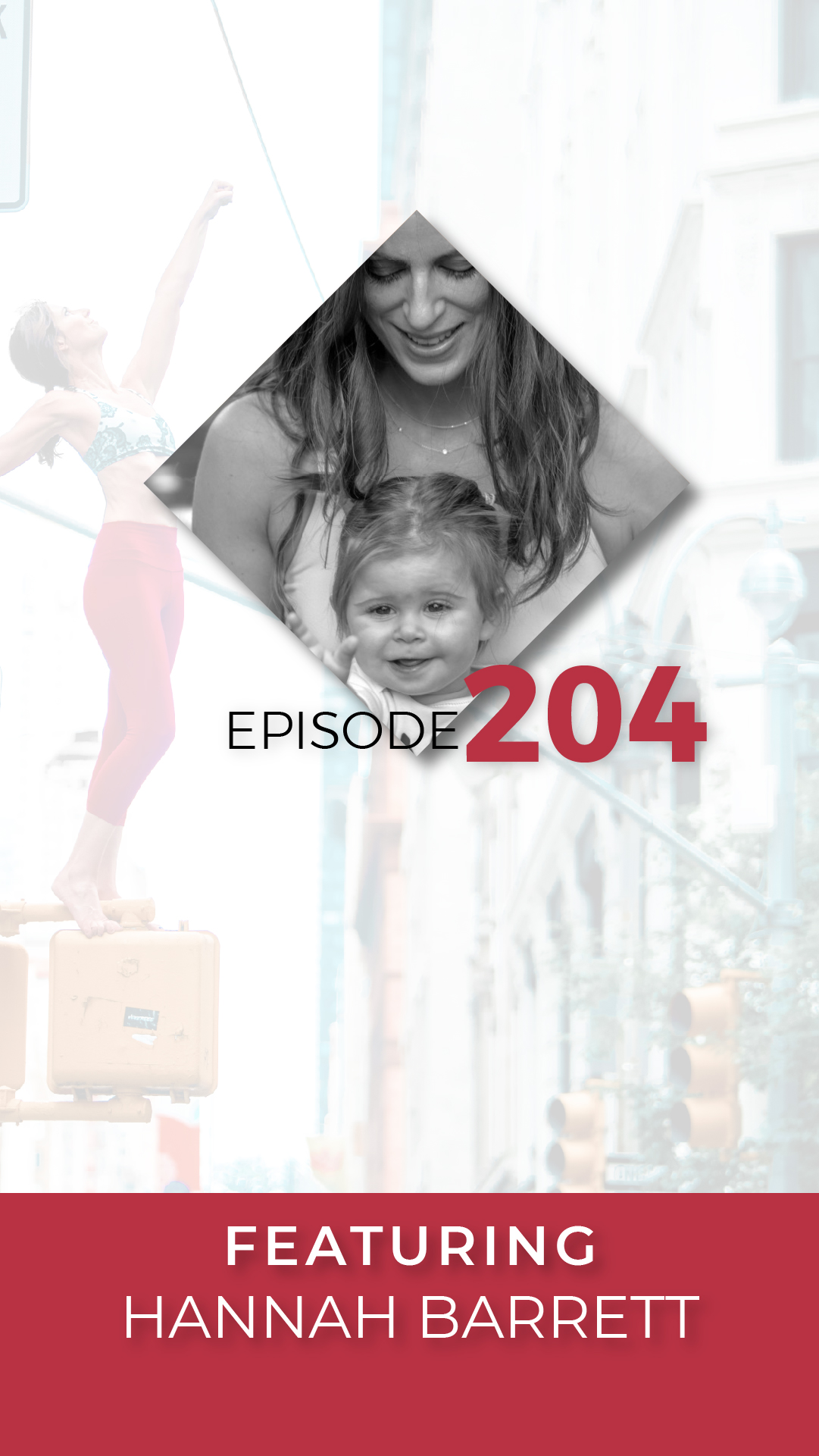
    204 | Spreading Awareness of Post-Natal Yoga | with Hannah Barrett

    Hannah Barrett is a yoga instructor in London, who has made a name for herself specializing in post-natal yoga and many other things.


    Yoga hadn’t clicked with Hannah until she got pregnant, and she started her own self-practice. Motherhood hit her hard (like it does to any mother), and she found that her practice really helped her. She wanted to share how amazing it was with other people, which led to her leading her own classes.


    Resources:

  • 203 | Q&A

    203 | Q&A

    Today is Wednesday Q&A. I chose one question for three different categories: movement, teacher question, and life question.


    Your questions:


    • When I get up in the morning, I find that it’s difficult to straighten my spine all the way up. What is happening?
    • How do you prepare for a class, and how do you remember so much of your class?
    • What do you do to keep your energy up?


    Do you have a question?

    • DM me on Instagram: @lara.heimann
    • Email me at lara@movementbylara.com
  • 202 | Range of Motion

    How do we increase our range of motion in your movement and life?

    You may have heard this term from physical therapists or other movement specialists. It can refer to both assisted and passive range of motion, whether referring to the natural movement of the joint or how much range it has with help from an outside force.


    Resources:

  • 201 | Training to be a Gold Medalist Alpine Skier | with Michelle Gisin

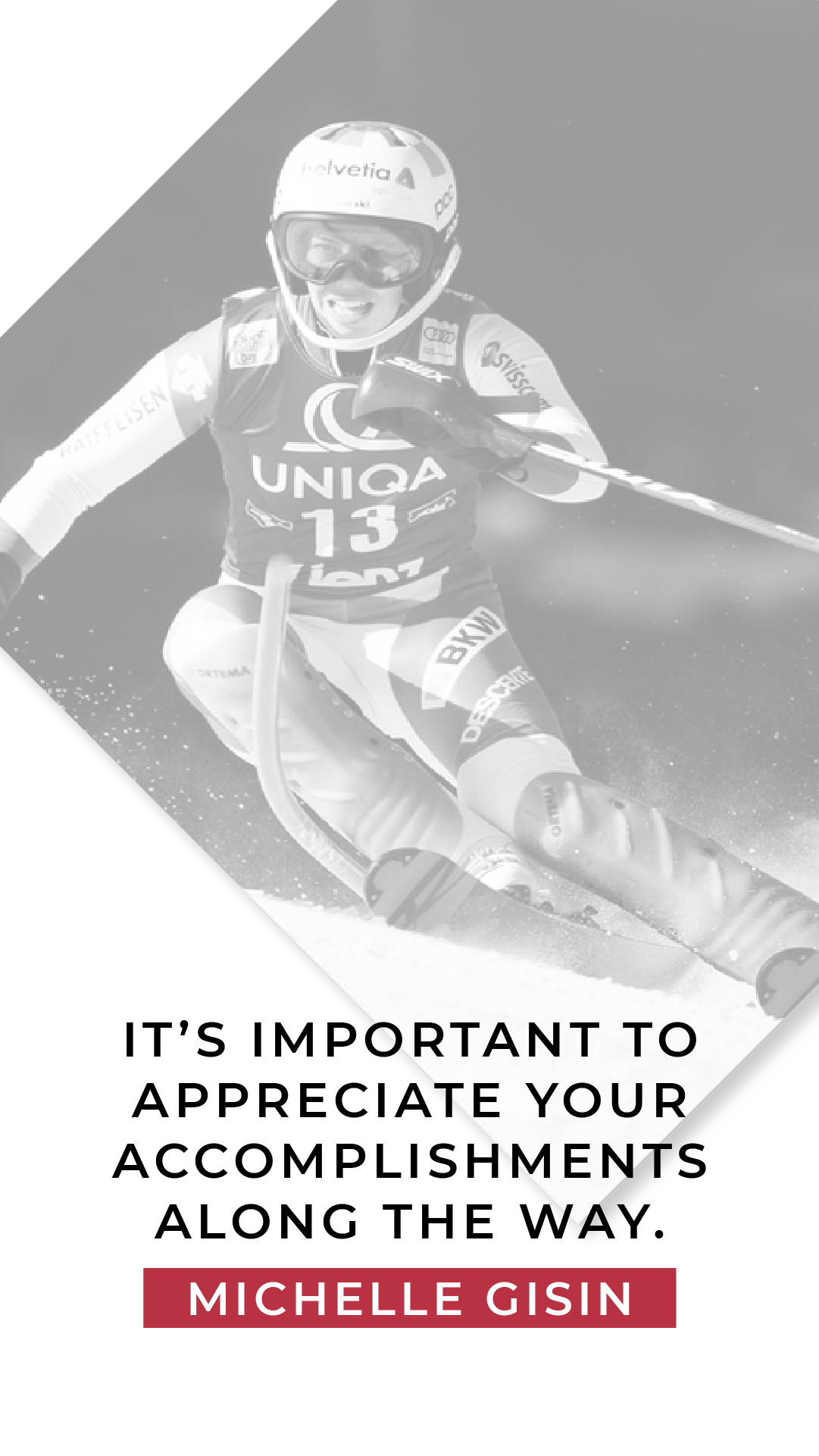
    201 | Training to be a Gold Medalist Alpine Skier | with Michelle Gisin

    Michelle Gisin, a Swiss world cup alpine ski racer competing in all disciplines and gold medalist in the 2018 Winter Olympics. Alpine skiing is a very fast, physical sport, and it can be very risky. Michelle found herself drawn to yoga as well as a way to help with her recovery and preparedness.

    We talk about how something goes from being a hobby and family activity into a passion and then a full-time profession. She also answers questions about the sport, including:

    • What part of training is hardest on your body?
    • How did you start looking into other factors to optimize your alpine skiing?
    • What advice would you give to someone like yourself?


    Resources:

  • 200 | Wednesday Q&A

    200 | Wednesday Q&A

    Today is Wednesday Q&A, where you ask questions and I answer them to the best of my ability. I get a lot of fun questions from all of you. If you want to have your questions answered, reach out via email or Instagram DM and I’ll do my best to get to them.


    Your questions:


    • What is the most crucial exercise to hold or help your handstand?
    • For rheumatoid arthritis in the wrist, can downward dog cause flair-ups?
    • What are your best tips for realigning the pelvis when one side is locked forward?


    Do you have a question?

    • DM me on Instagram: @lara.heimann
    • Email me at lara@movementbylara.com
  • 199 | How to Help Hip Pain

    199 | How to Help Hip Pain

    I get questions from people complaining about anterior hip pain. I’m going to cover the points that are beneficial without going too deep into anatomical detail.

    There are several factors to be aware of when suffering from hip pain, including being aware of your range of motion, listening to your pain and discomfort, and focusing on your posture. If you are feeling hip pain, avoid deep ranges of motion until you are not feeling that pain anymore. Pay attention to your posture, pay attention to your form, and pay attention to what needs to be stable and what needs to be mobile.


    Resources:

  • 198 | Friday With Friends | with John Frank

    198 | Friday With Friends | with John Frank

    Today we have my brother, John Frank, on the show to answer your questions. He is one of our most popular guests, and a movement genius in his own right, so this should be a fun one!


    What do you think about the trend of turning the femur into a valgus position and practicing a squat? This is a really bad idea. There is some rotation to the knee joint, but when you bend the knee, the lower part should rotate inwards more than the femur. If the thigh bone rotates inward too quickly, you’re in trouble!


    Anything on snapping scapula syndrome? There’s a lot that can go wrong as far as the scapula, because it is another joint, like the knee, that’s not so simple. Work on finding a neutral position in the scapula and your posture first, and then work on the movement of the scapula with that neutral position.


    When in a wide-legged downward dog, why do knees drop? There’s a couple possible reasons. One could be ankle flexibility. It could also be that they are using their tensor-fascia lata. But there are so many possible reasons.


    Favorite injury or surgery to work with or treat? John likes shoulders in general. He likes to figure out why people have pain or restrictive movement.


    What do you think could cause hand numbness, especially in the morning? It’s hard to say without more information, but it could be a thoracic outlet. The nerve bundle can get compressed and it could cause that.


    Can shoulder pain come from the bicep? It can, and it happens a lot. The bicep is an important stabilizer of the shoulder.


    Thoughts on running with compression socks?  It doesn’t hurt and there might be a little benefit, but it’s not entirely proven. If there is an effect, it’s very small, but if you like it do it.


    What is the best movement variety for longevity? Variety is important, but there are basic principles. Keep your lower back in a neutral position, and use your hips to turn instead of your back. Learn the basics.


    Resources: